

When the earth stops shaking, the real work begins. Los Angeles sits on multiple fault lines where "The Big One" remains inevitable, not theoretical. Earthquake recovery moving requires immediate response, structural assessments, insurance coordination, and emergency relocation—all while processing trauma. After supporting hundreds through seismic disasters, here's how professional earthquake recovery services work when your world literally shifts.
LA Seismic Reality
Major fault lines:
- San Andreas (most dangerous)
- Hollywood fault
- Santa Monica fault
- Newport-Inglewood fault
- Puente Hills thrust
Earthquake probability:
- 6.7+ magnitude: 60% within 30 years
- 7.0+ magnitude: 46% chance
- Major disaster: When not if
Preparation saves lives and belongings
Immediate Post-Earthquake Protocol
First 24 hours priorities:
- Personal safety assessment
- Structural damage evaluation
- Utility shutoffs if needed
- Emergency services contact
- Insurance notification
- Documentation begins
Do not enter severely damaged buildings
Professional assessment required before re-entry
The 72-Hour Window
Critical timeline:
- Hours 0-24: Safety and triage
- Hours 24-48: Assessment and planning
- Hours 48-72: Recovery begins
After 72 hours:
- Secondary damage possible
- Mold concerns begin
- Security issues increase
- Trauma deepens
Professional intervention within 72 hours optimal
Structural Safety Assessment
Building safety categories:
- Green placard: Inspected, safe for occupancy
- Yellow placard: Limited entry only
- Red placard: Unsafe, do not enter
Professional movers cannot:
- Enter red-tagged buildings
- Override safety officials
- Risk crew safety
- Ignore structural warnings
Safety comes before belongings always
Emergency Relocation Services
Immediate needs:
- Temporary housing arrangement
- Essential items removal
- Important documents retrieval
- Medication access
- Pet accommodation
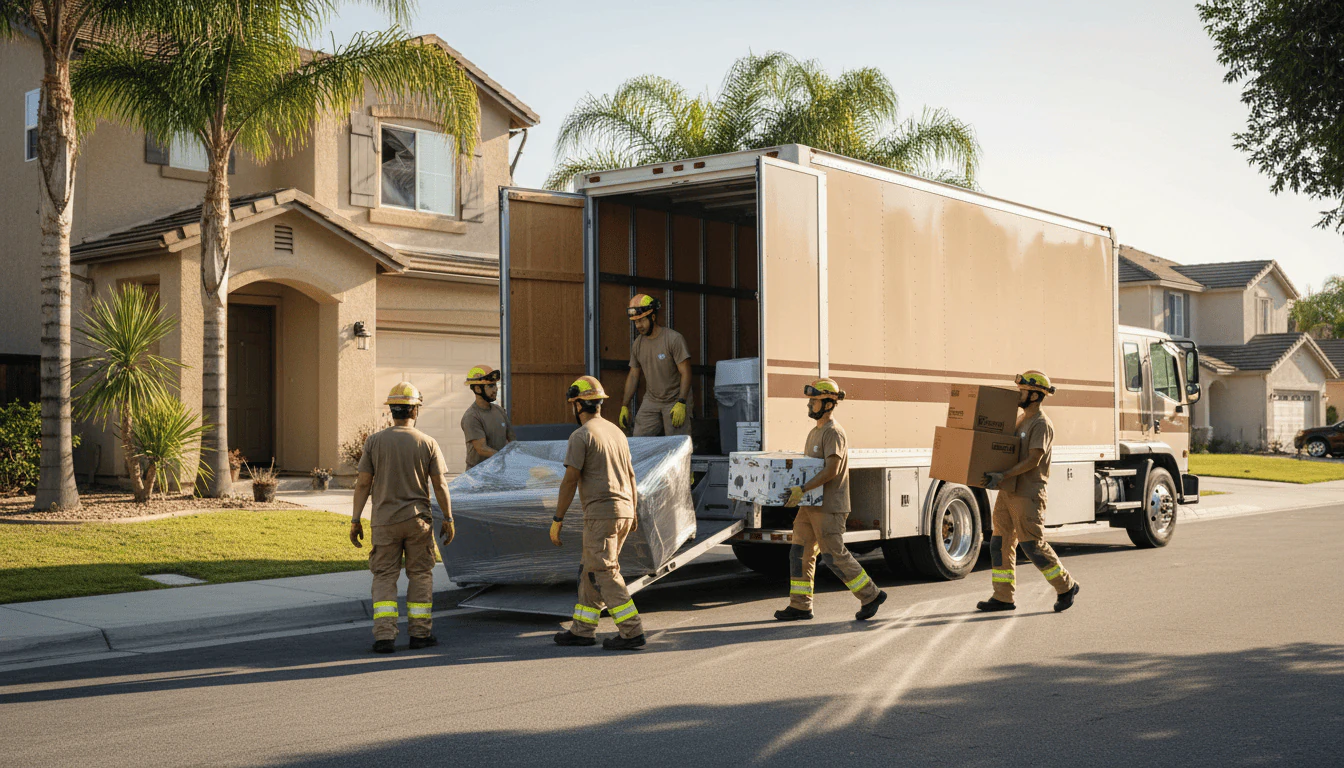
Professional services provide:
- 24/7 emergency response
- Safety-trained crews
- Proper equipment
- Insurance coordination
- Temporary storage
Insurance Coordination
Earthquake insurance realities:
- Separate from homeowners
- High deductibles common
- Coverage gaps possible
- Claims process complex
Professional movers help:
- Document everything
- Coordinate with adjusters
- Provide detailed inventories
- Handle claims paperwork
- Protect evidence
Documentation critical for claims
FEMA Assistance Programs
Federal disaster declarations trigger:
- Individual assistance programs
- Temporary housing aid
- Home repair grants
- Personal property replacement
- Crisis counseling
Professional services coordinate:
- FEMA application assistance
- Required documentation
- Compliance with regulations
- Timeline management
Belongings Triage
Salvage categories:
Immediately removable:
- Important documents
- Medications
- Cash/valuables
- Photos/irreplaceables
- Electronics (if undamaged)
Professionally handled:
- Furniture assessment
- Appliance evaluation
- Structural items
- Heavy/awkward objects
Likely lost:
- Items in collapsed areas
- Water-damaged materials
- Contaminated belongings
Triage decisions difficult but necessary
Temporary Housing Solutions
Short-term options:
- Red Cross shelters
- Hotel/motel vouchers
- Family/friend assistance
- FEMA trailers
Medium-term housing:
- Rental assistance
- Corporate housing
- Extended stay facilities
- RV parks
Moving services help transition between temporary arrangements
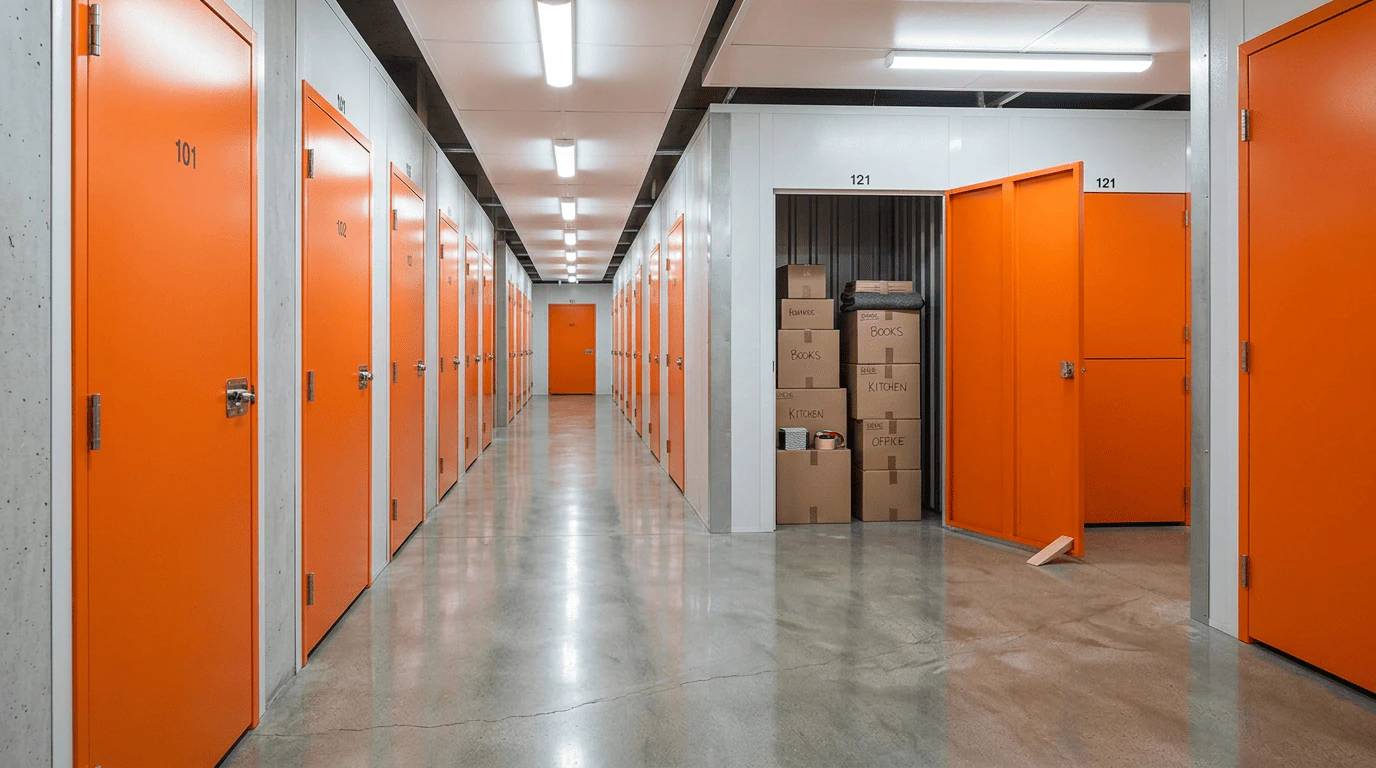
Storage During Recovery
Emergency storage needs:
- Climate-controlled units
- Security monitored
- Accessible locations
- Insurance coverage
- Flexible terms
Professional coordination:
- Immediate placement
- Proper protection
- Inventory management
- Insurance compliance
Psychological Support
Earthquake trauma real:
- Home security shattered
- Future anxiety
- Decision fatigue
- Financial stress
- Family tensions
Professional movers provide:
- Patient understanding
- Gentle handling
- Respectful service
- Emotional support
- Hope for recovery
Counseling resources available
Community Resources
LA earthquake recovery:
- American Red Cross
- Salvation Army
- Local churches/nonprofits
- Community centers
- Volunteer organizations
City services:
- Building inspections
- Utility coordination
- Debris removal
- Public information
Business Earthquake Recovery
Commercial considerations:
- Business interruption costs
- Employee displacement
- Equipment salvage
- Data recovery
- Temporary operations
Professional services:
- Weekend/after-hours work
- Minimal business disruption
- Technology handling
- Inventory management
Preparation Recommendations
Before earthquakes:
- Emergency supply kit
- Family communication plan
- Important documents copies
- Insurance policy review
- Professional contact list
After earthquakes:
- Stay calm
- Assess safely
- Document everything
- Contact professionals
- Accept help offered
Financial Considerations
Earthquake recovery costs:
- Emergency relocation: $500-2,000
- Professional assessment: $200-500
- Salvage services: $1,000-5,000
- Storage fees: $200-500/month
- Temporary housing: Variable
Insurance and FEMA assistance available
Recovery Timeline
Realistic expectations:
- Week 1: Emergency response
- Month 1: Temporary stability
- Month 3: Permanent plans
- Month 6-12: Full recovery
- Years: Emotional healing
Recovery is marathon, not sprint
Choosing Recovery Specialists
Earthquake recovery movers should have:
- Emergency response training
- Safety equipment
- Insurance expertise
- FEMA coordination experience
- Trauma sensitivity
- 24/7 availability
Not all movers qualified
Prevention and Mitigation
Seismic safety measures:
- Furniture anchoring
- Water heater strapping
- Glass film application
- Emergency kit maintenance
- Escape route planning
Preparation reduces recovery needs
Long-Term Recovery
Rebuilding considerations:
- Seismic retrofitting
- Updated building codes
- Insurance adjustments
- Community resilience
- Personal preparedness
Hope and Recovery
Earthquake recovery moving represents hope amid destruction. Professional services provide immediate relief, coordinate complex logistics, and support emotional healing. Every salvaged possession, every successful relocation, every family reunited represents victory over disaster.
SOS Moving maintains earthquake emergency response capabilities. Our crews receive disaster training, carry safety equipment, and understand trauma sensitivity. When the earth shakes, professional support helps rebuild lives.
Earthquake damage? Call 909-443-0004 for emergency recovery services. Our teams respond within hours when possible, coordinate with officials safely, and help salvage what matters most. Recovery begins with professional support and hope for tomorrow.