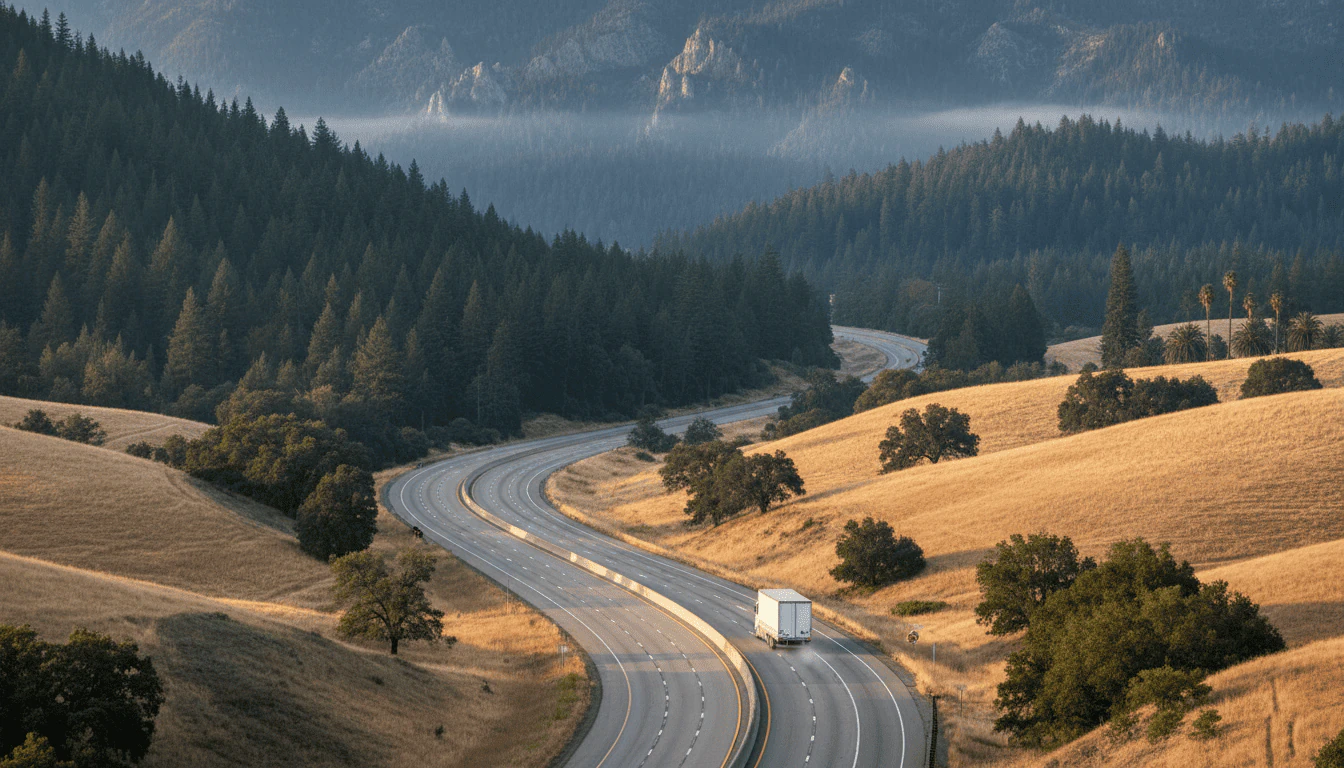


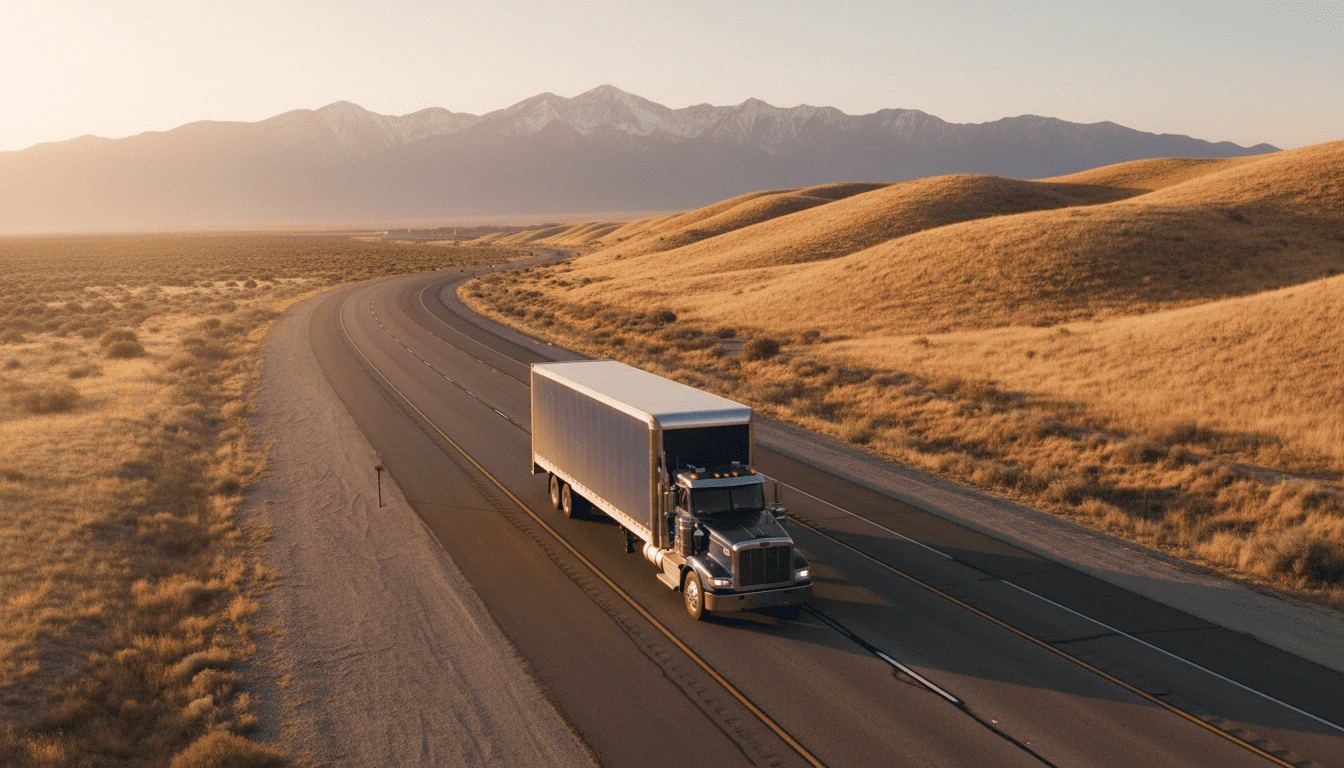
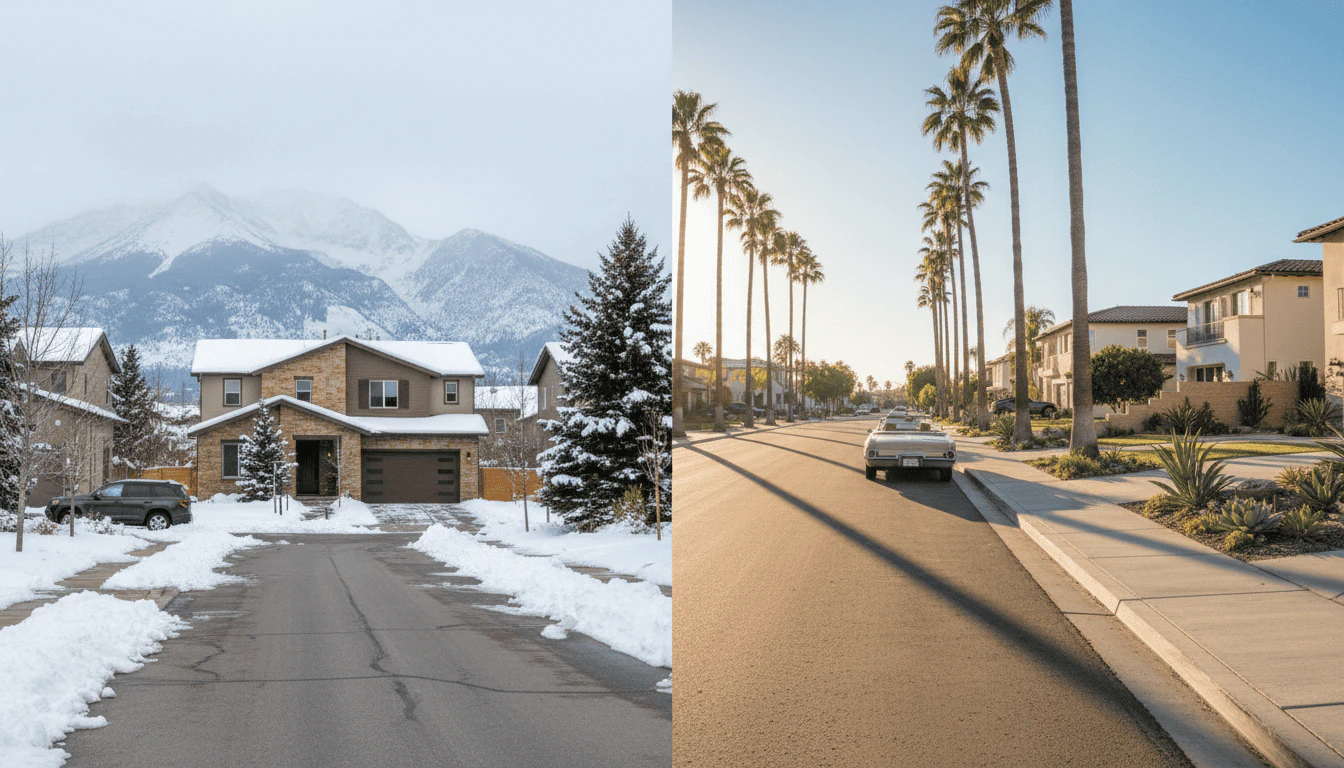
The mile-high city and the city of angels sit about 1,020 miles apart, but the distance between them goes far beyond highway markers. Moving from Denver to Los Angeles means trading thin mountain air for ocean breezes, predictable four-season weather for year-round sunshine, and a growing metro for one of the largest urban sprawls in the country. Whether a career opportunity pulled you west or seventy-degree January days just sound better than shoveling snow, this guide covers every practical detail of making that transition.
I coordinate Denver-to-LA relocations regularly at SOS Moving, and the route has its own personality. The timing matters, the route you pick matters, and understanding what changes on the California side can save you hundreds of dollars and a lot of frustration. Our Denver movers load the Colorado end of every job.
What the Denver to LA Move Actually Costs
The price of moving from Denver to Los Angeles depends on household size, time of year, and whether you choose full-service movers or a hybrid approach. For a one-bedroom apartment, expect to pay between $2,500 and $4,500. A standard three-bedroom home typically runs $5,000 to $9,000 for full-service interstate moving with packing included.
Those numbers cover loading, transport, and unloading. What they often don't include is the stuff that quietly inflates your budget — storage fees if your LA apartment isn't ready yet, temporary housing during the gap between leases, and the cost of replacing furniture that doesn't fit a smaller California floor plan. Denver homes tend to have basements and garages that create extra storage space you won't find in most LA apartments.
Several factors push costs higher. Moving during summer adds a fifteen to twenty-five percent premium. End-of-month moves cost more because demand spikes. If you have heavy specialty items like a piano or gun safe, add $150 to $200 per item. At SOS Moving, weekday rates start at $119 per hour for two movers, and weekend rates begin at $135 per hour — though for interstate moves, we typically provide a flat-rate quote based on inventory and distance.
Choosing the Best Route
Two main highway routes connect Denver to Los Angeles, and each one has trade-offs worth understanding before your moving truck hits the road.
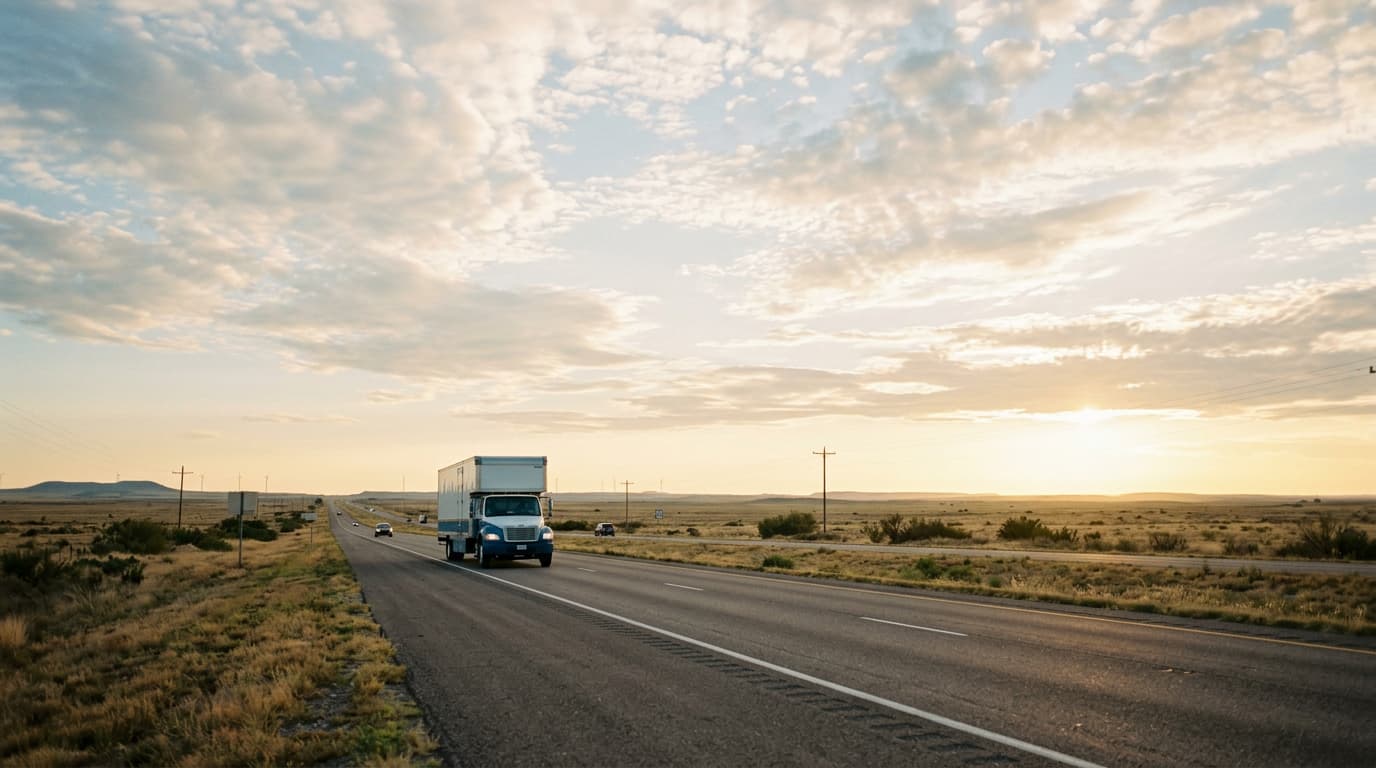
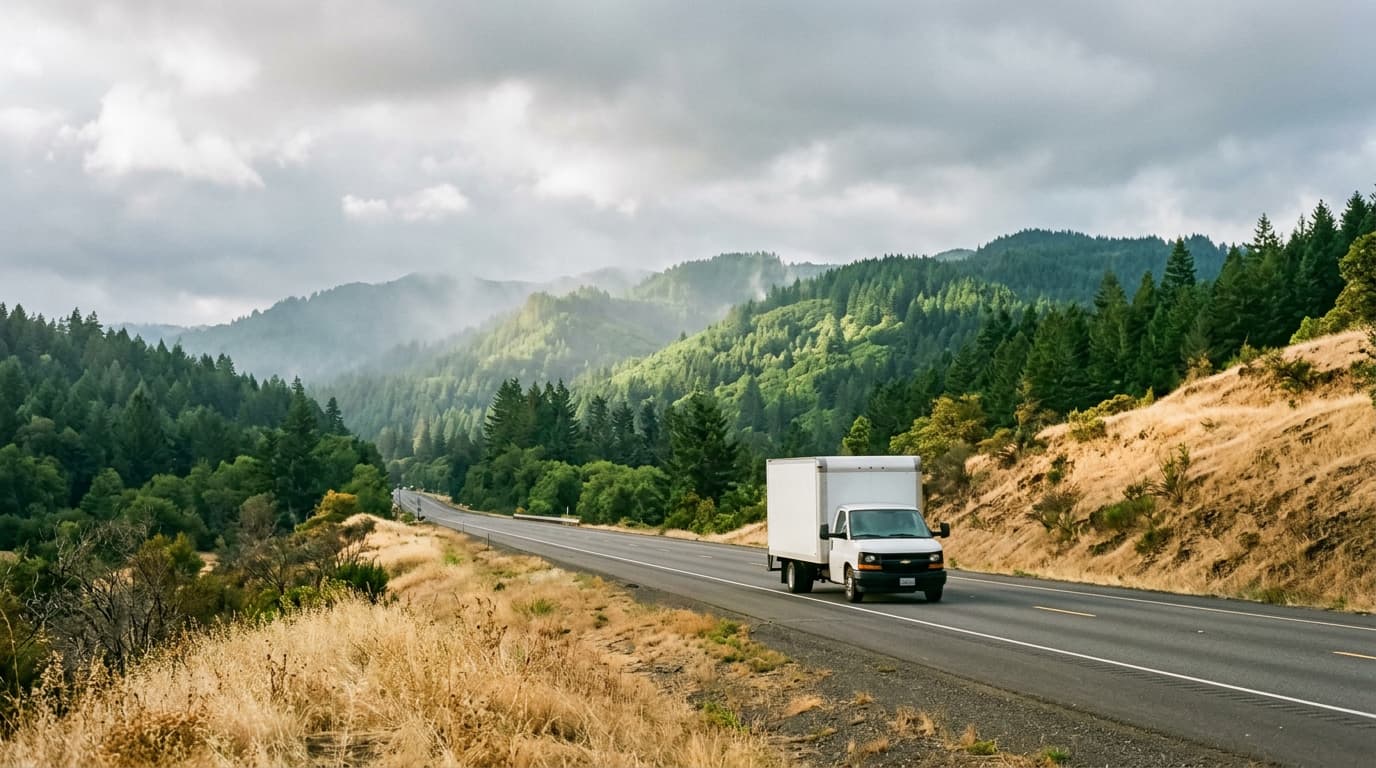
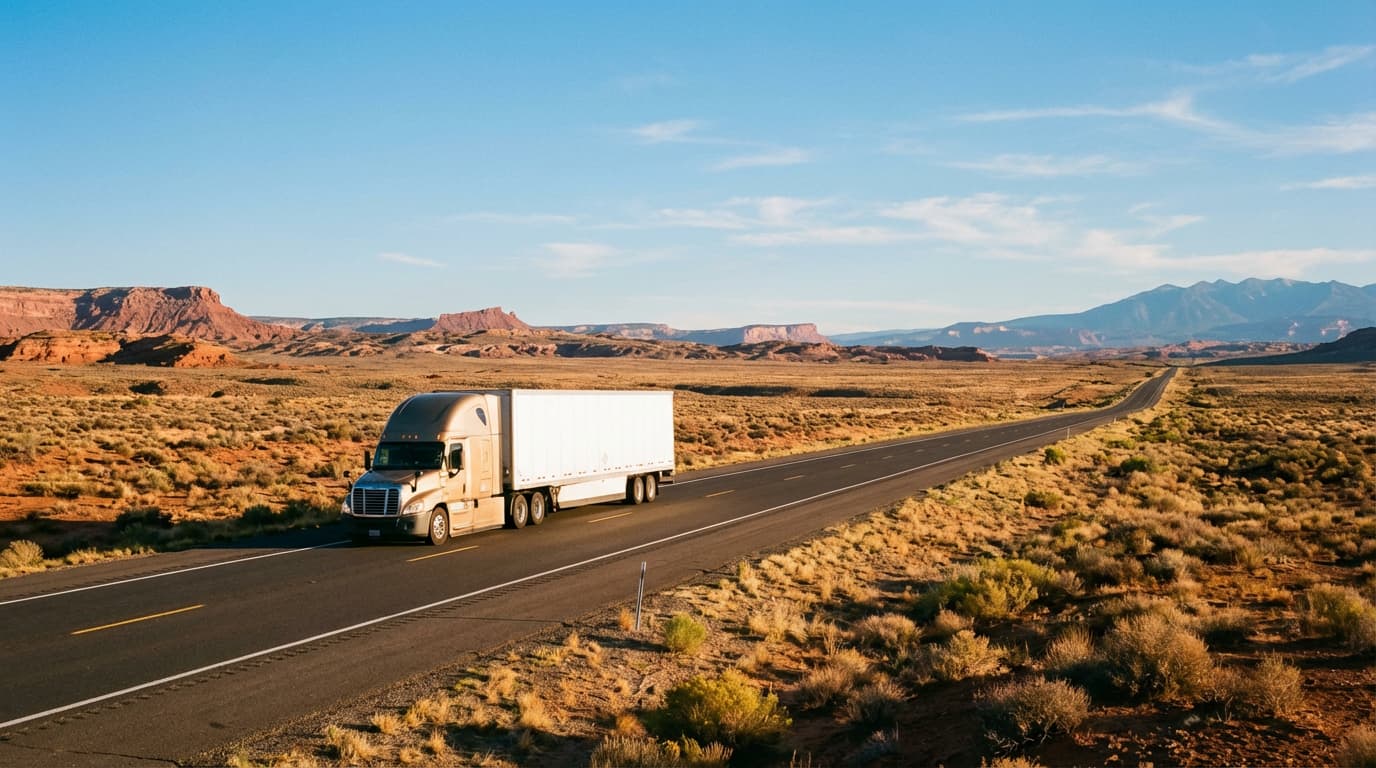
The northern route follows I-70 west through the Rocky Mountains to Grand Junction, then drops south on I-15 through Utah before cutting across the Mojave Desert into LA. This route runs about 1,020 miles and takes roughly fifteen hours of drive time. The mountain passes on I-70 are stunning but can be treacherous in winter — Vail Pass and the Eisenhower Tunnel sit above 10,000 feet and regularly close during snowstorms between November and April.
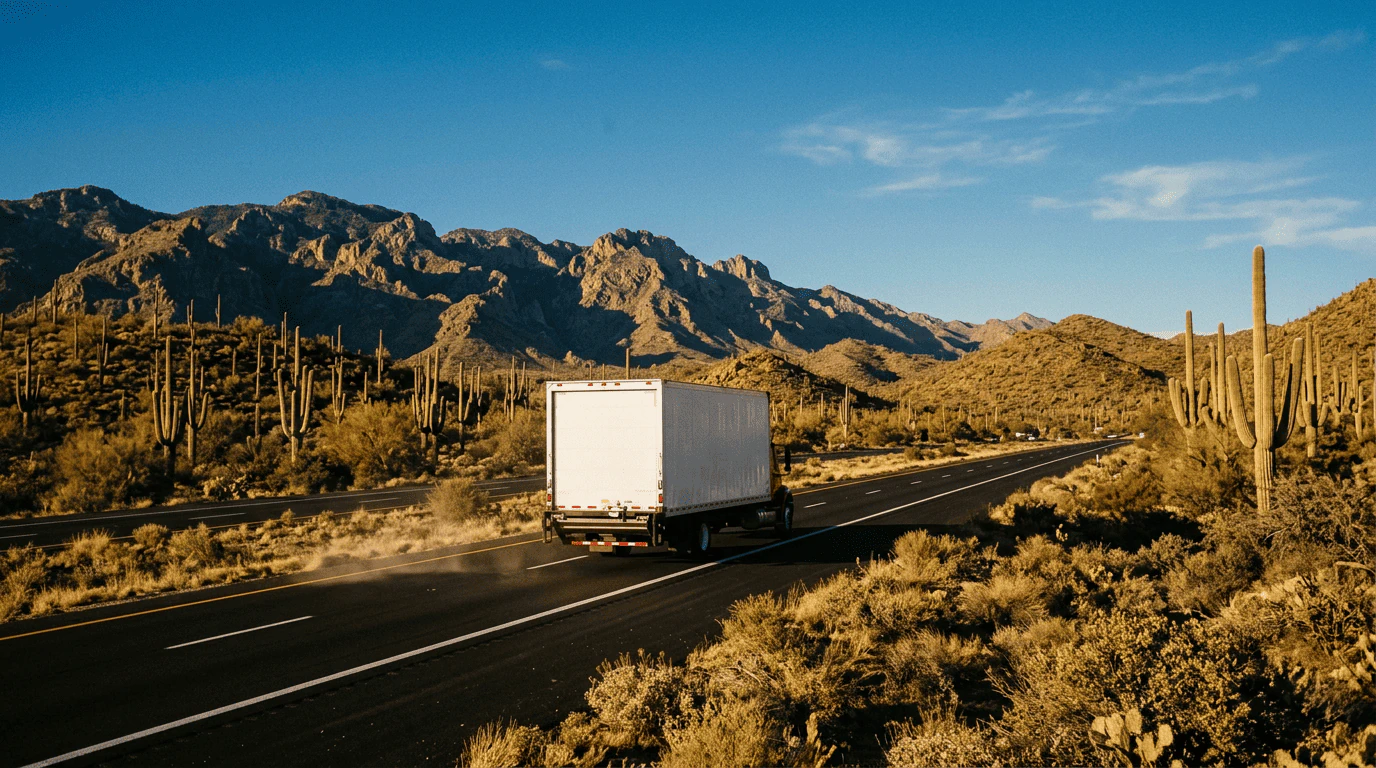
The southern route takes I-25 south to Albuquerque, then I-40 west across Arizona before connecting to I-15 or I-10 into Los Angeles. It's longer at around 1,100 miles but avoids high mountain passes entirely. For winter moves, this route is significantly safer and more predictable. Professional drivers hauling a full truck almost always prefer the southern route between November and March — a closed mountain pass can add twelve hours to your delivery timeline.
For summer moves, the northern route through Utah is faster and more scenic. Your moving company will factor the route into their delivery estimate, so ask which path they plan to take and why.
Timeline and Planning
A well-planned Denver-to-LA move takes about six to eight weeks from decision to settling in. Here's how that time breaks down in practice.
Six weeks out, start collecting moving quotes and researching LA neighborhoods. Denver's cost of living sits about twenty percent below Los Angeles, so your housing budget needs recalibrating. A two-bedroom apartment that costs $1,800 in Capitol Hill will run $2,600 to $3,200 in comparable LA neighborhoods like Silver Lake or Culver City.
Four weeks out, confirm your moving company, start packing non-essential rooms, and handle address changes. Colorado requires you to return your license plates when you register in California, so don't toss them in a moving box. You have twenty days after establishing California residency to get a California driver's license and ten days to register your vehicle.
Two weeks out, confirm delivery dates, pack remaining rooms, and arrange utility disconnects in Denver and connections in LA. If you're shipping a vehicle separately, book that now — auto transport from Denver to LA typically costs $800 to $1,200 and takes five to seven days.
Planning your Denver-to-LA move? SOS Moving provides transparent flat-rate quotes for interstate relocations with no hidden fees. Call 909-443-0004 or get your free estimate to lock in your moving date.
What Changes When You Get to California
The lifestyle differences between Denver and Los Angeles go deeper than weather, and several of them directly affect your move and your first few months in the city.
California's vehicle registration and smog requirements catch Colorado transplants off guard. Every vehicle needs a smog check before registration, and if your car doesn't pass — which happens more often with older vehicles that met Colorado's less strict emission standards — you're looking at repairs before you can legally drive. Budget $50 for the smog check itself and potentially several hundred for any required fixes.
Parking is the single biggest daily headache for Denver transplants. Most Denver homes come with a garage or dedicated parking. In LA, parking is a competitive sport. Street cleaning schedules, permit zones, and overnight restrictions vary block by block. When choosing your LA neighborhood, visit in person and check parking availability at the time you'd actually be coming home from work — usually between 6 and 8 PM.
California state income tax ranges from one to over thirteen percent, compared to Colorado's flat 4.4 percent. You'll feel this on your first California paycheck. On the flip side, California's job market — particularly in entertainment, tech, and healthcare — generally offers higher base salaries that partially offset the tax difference.
Renters insurance is more important in LA than it was in Denver. Earthquake coverage isn't included in standard policies and costs extra, but it's worth considering given Southern California's seismic activity. If you want to understand how moving insurance compares to homeowners coverage, we covered that in detail separately.
Downsizing Strategy for the Move
Denver living spaces tend to be larger than what the same budget buys in Los Angeles. If you're moving from a 1,500-square-foot Denver apartment to a 900-square-foot LA unit, something has to give.
Start with furniture dimensions. Measure every piece against your new floor plan before paying to ship it across three states. That oversized sectional from your Denver living room probably won't fit through an LA apartment doorway, let alone in the room itself. Selling bulky furniture in Denver and buying replacements in LA often costs less than shipping pieces that won't work in your new space.
Winter gear is the other big category. Denver residents accumulate serious cold-weather equipment — heavy coats, snow boots, ski gear, snow shovels, ice scrapers. You will use approximately none of this in Los Angeles. Sell what you can, donate the rest, and reclaim that closet space for things you'll actually need. Your Denver snowblower has no future in Santa Monica.
Storage is an option if you aren't ready to commit to downsizing everything at once. SOS Moving offers storage solutionsthat let you stage your transition — keep items in climate-controlled storage while you figure out what fits your new LA lifestyle.
Denver vs LA: Cost of Living Breakdown
Understanding the financial shift before you arrive prevents budget shock during your first month. Here's where the numbers actually land.
Housing is the biggest jump. Average rent in Denver sits around $1,750 for a one-bedroom; in LA, that same apartment runs $2,300 to $2,600 depending on neighborhood. Buying is even more dramatic — Denver's median home price hovers around $550,000 while LA's pushes past $900,000.
Groceries run about ten to fifteen percent higher in LA, though the year-round access to farmers markets and local produce partially offsets supermarket prices. Gas costs more in California due to state taxes and reformulated fuel requirements — expect to pay $0.50 to $1.00 more per gallon than you did in Colorado.
The savings come in unexpected places. You'll spend nothing on heating during LA winters. No snow tire purchases. No winter road maintenance for your vehicle. Car insurance can actually drop if you move from certain Denver zip codes to less congested LA suburbs. And Colorado's flat income tax of 4.4 percent looks attractive on paper, but the higher salaries available in LA's entertainment, tech, and healthcare sectors often more than compensate for California's progressive tax rates.
Interstate Moving Requirements
Moving across state lines adds a layer of federal regulation that local moves don't have. Any company transporting your belongings from Colorado to California must carry a USDOT number and proper interstate operating authority. Ask for these numbers before signing anything — legitimate companies provide them without hesitation.
Federal law requires interstate movers to offer two types of liability coverage: released value protection at no additional cost (which covers items at $0.60 per pound per article) and full value protection at an additional fee (which covers repair, replacement, or cash settlement at current market value). For a Denver-to-LA move with $30,000 in household goods, the difference between these two options could mean recovering $180 versus $30,000 if everything were lost. The USDOT requirements for long distance moves are worth understanding before you sign a contract.
Your moving company should provide a written estimate — either binding (guaranteed price) or non-binding (estimated price that can change). For a route this long, binding estimates give you budget certainty. Get at least three quotes, and if any company's price is dramatically lower than the others, that's usually a warning sign rather than a bargain.
Settling Into Los Angeles
The first thirty days in LA set the tone for your entire experience. A few practical steps make the transition from Denver smoother.
Get your California driver's license within twenty days of arrival. The DMV appointment system is better than it used to be, but walk-in wait times can still stretch past two hours. Book online the moment you have your new address.
LA's public transit exists and is expanding, but it doesn't function like a primary transportation system for most residents yet. Unless you're living and working along the Metro lines, you'll need a car. If you drove from Denver, make the smog check your first vehicle task.
Explore your neighborhood on foot during the first week. LA neighborhoods have distinct personalities — Glendale feels completely different from Santa Monica, and both feel nothing like Downtown LA. The neighborhood you chose based on online research might surprise you in person, for better or worse.
Join at least one local community. Denver transplants often mention that making friends in LA takes more effort than expected — the city's size and car culture means you don't naturally run into neighbors the way you might in a walkable Denver neighborhood. Co-working spaces, climbing gyms, hiking groups, and local coffee shops are the fastest path to a social life here.
Frequently Asked Questions
How long does a Denver to LA move take? Drive time is fifteen to eighteen hours depending on the route. Professional movers typically deliver within five to ten business days for full-service interstate moves, though expedited options are available for an additional fee.
What is the cheapest month to move from Denver to LA? January through March offers the lowest rates, with October and November as secondary savings months. Avoid June through August and the last week of any month for the best pricing.
Can I ship my car separately from Denver to LA? Yes, open-carrier auto transport from Denver to LA typically costs $800 to $1,200 and takes five to seven days. Enclosed transport for luxury vehicles runs $1,200 to $1,800.
Do I need to change my car insurance when moving to California? Yes, California requires you to update your insurance to a California policy within thirty days of establishing residency. Rates may increase or decrease depending on your specific LA zip code versus your Denver location.
Should I hire movers or rent a truck for a Denver to LA move? For studios and small one-bedrooms with minimal furniture, a rental truck can save money if you're comfortable driving a large vehicle through mountain passes or desert highways. For anything larger, professional movers typically offer better value when you factor in fuel, lodging, insurance, and the physical toll of loading and unloading a full household yourself.
Get Started with Your Denver to LA Move
SOS Moving handles the Los Angeles side of your Colorado relocation with transparent pricing and no hidden fees. We coordinate interstate logistics, provide flat-rate quotes based on your actual inventory, and ensure your belongings arrive safely after the 1,020-mile journey west. Call 909-443-0004 or request your free estimate to start planning your move from the mile-high city to the city of angels.