


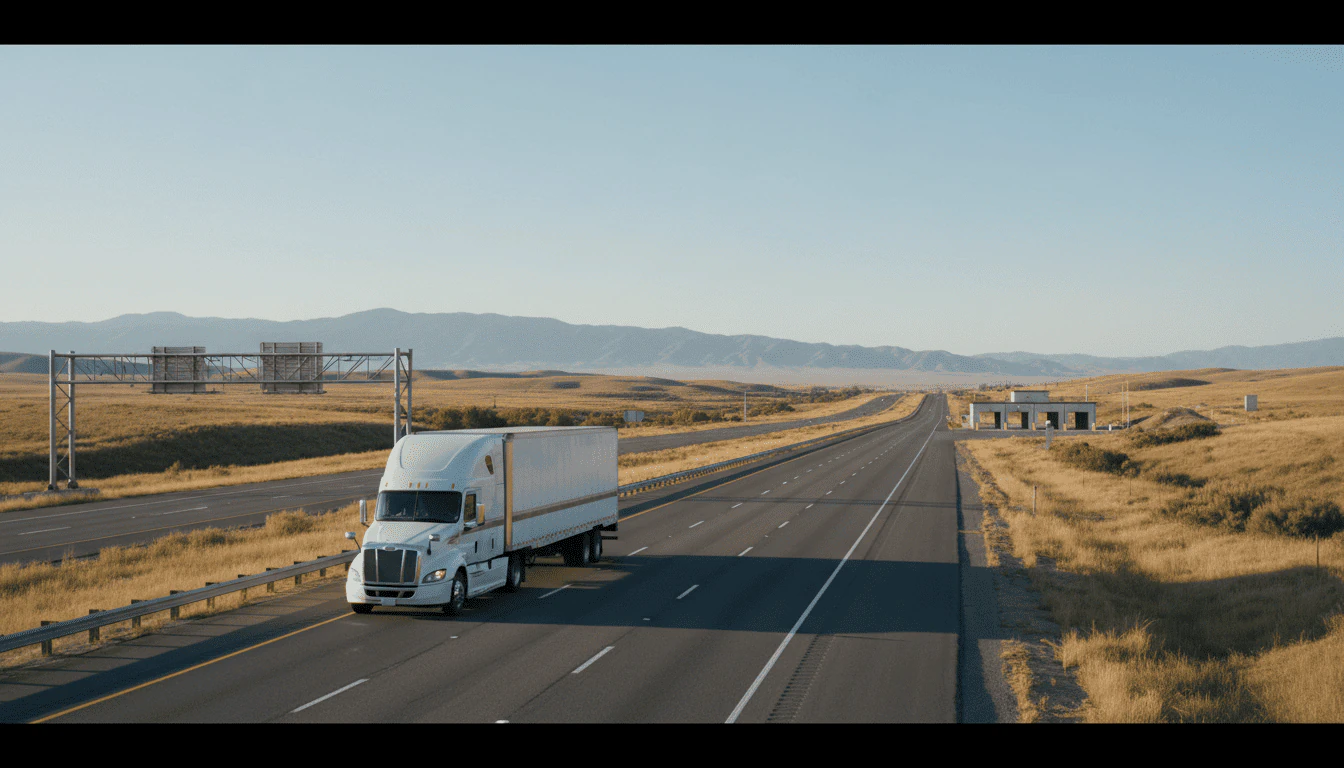
Your Los Angeles mover seems professional until you mention moving to Phoenix. Suddenly they're "partnering with affiliates" or "coordinating carriers"—code for "we're not actually licensed for interstate." Federal law governs state-to-state moves with requirements most companies can't meet. Here's what interstate movers legally must provide, your federal rights, and how to verify legitimate interstate authority before your belongings cross state lines.
Federal vs State Authority
The fundamental difference:
Intrastate (within California):
- CPUC license required
- State regulations apply
- California protection
Interstate (crossing state lines):
- USDOT number mandatory
- FMCSA regulations
- Federal law supersedes
- Different insurance requirements
- Strict documentation
Many LA movers have CPUC but not USDOT
Verification critical: One mile into Nevada without proper authority = illegal operation.
USDOT Number Requirements
What it means:United States Department of Transportation authorization
How to verify:
- Go to safer.fmcsa.dot.gov
- Enter company name or USDOT#
- Check "Active" status
- Verify "Household Goods" authority
- Confirm insurance current
Red flags:
- "Pending" status
- "Not Authorized"
- No listing found
- Insurance lapsed
- Different company name
Using unauthorized interstate mover = zero protection
The Broker vs Carrier Trap
Interstate carriers:
- Own trucks
- Employ drivers
- Direct liability
- You know who's moving you
Interstate brokers:
- No trucks
- Sell your move
- No liability for damage
- Mystery mover shows up
How to identify:
- Ask: "Are you the actual carrier?"
- Verify: MC number shows "Carrier"
- Check: Trucks have company name
- Confirm: Same company throughout
Brokers legal but problematic. Avoid.
Your Rights and Responsibilities Pamphlet
Federal law requires movers provide:"Your Rights and Responsibilities When You Move"
Must receive:
- Before signing contract
- Physical or electronic copy
- Current version
- In writing
Not provided = major red flag
Document covers:
- Estimate types
- Payment requirements
- Claims process
- Dispute resolution
- Mover obligations
The Bill of Lading
Legal contract for interstate moves
Required information:
- Mover's name and address
- Your name and addresses (origin/destination)
- Payment terms
- Declared value
- Delivery dates
- Services included
Critical rules:
- Must receive before loading
- Keep copy always
- Legally binding
- Can't change after signing
Never sign blank or incomplete
Weight Tickets and Pricing
Interstate pricing based on:
- Actual weight (most common)
- Cubic feet (sometimes)
- Flat rate (rare)
Weight ticket requirements:
- Truck weighed empty
- Truck weighed loaded
- Your goods weight = difference
- Tickets provided to you
- Origin state certified scales
Your right: Witness weighing or request reweigh
Common scam: Inflated weight. Always verify tickets.
Insurance Requirements
Minimum federal coverage:$0.60 per pound per item (worthless)
Full Value Protection:
- Optional but recommended
- Covers replacement value
- Deductible applies
- Costs 1-2% of value
Interstate differences:
- Claims process federal
- 9 months to file
- Arbitration often required
- State insurance doesn't apply
Document everything before move
Pickup and Delivery Windows
Interstate reality:
- Exact dates impossible
- Delivery "spread" given (e.g., Day 7-14)
- Guaranteed dates cost extra
- First available basis typical
Legal requirements:
- Reasonable dispatch
- Communication of delays
- Can't hold goods hostage
- Storage rules if delayed
Plan for uncertainty always
Payment Regulations
110% Rule:Movers cannot demand more than 110% of non-binding estimate at delivery
Payment timing:
- Binding estimate: Amount due at delivery
- Non-binding: Up to 110% at delivery
- Balance: Within 30 days
Payment methods:
- Must accept multiple forms
- Can't demand cash only
- Credit cards common
- No payment = no unloading
Inventory Requirements
Movers must:
- Create detailed inventory
- Number each item
- Note existing damage
- Provide copy to you
- Both parties sign
Your responsibility:
- Review carefully
- Note disagreements
- Keep copy
- Use for claims
No inventory = suspicious operation
Interstate Storage Rights
Storage-in-Transit (SIT):
- Temporary storage during move
- Different regulations apply
- Limited time included
- Additional charges after
- Warehouse location disclosure required
Your rights:
- Notification of storage
- Access (sometimes)
- Delivery upon payment
- Inventory protection
State-Specific Complications
Origin state requirements:
- California exit procedures
- CPUC still has oversight
- Local permits needed
Destination state requirements:
- Some require registration
- Local delivery rules
- Different tax implications
Examples:
- New York: Additional licensing
- Florida: Different valuation rules
- Texas: Specific documentation
Dispute Resolution
Federal process:
- Attempt resolution with mover
- File written claim
- FMCSA complaint if needed
- Arbitration (if agreed)
- Civil court last resort
Time limits:
- 9 months for damage claims
- 2 years for court action
- 30 days for mover response
State agencies can't help with interstate
Common Interstate Violations
Illegal practices:
- Operating without USDOT
- Hostage goods for payment
- Refusing delivery
- Unauthorized charges
- False weight tickets
- Bait and switch pricing
Report to:
- FMCSA: 1-888-DOT-SAFT
- Online: nccdb.fmcsa.dot.gov
Documentation Checklist
Keep everything:
- Written estimate
- Bill of Lading
- Inventory sheets
- Weight tickets
- Payment receipts
- Photos before/after
- Communication records
- Delivery receipts
- Damage documentation
Digital copies recommended
Red Flag Operations
Never use if:
- No USDOT number
- Rental truck shows up
- Different company name
- Massive deposit required
- No written documentation
- Cash only demanded
- Extremely low price
- No physical address
Questions to Ask
Before booking interstate:
- "What's your USDOT number?"
- "Are you carrier or broker?"
- "What's your claims process?"
- "How are prices calculated?"
- "What's delivery timeframe?"
- "What payments accepted?"
- "Can I see insurance certificate?"
- "Who actually drives truck?"
Legitimate companies answer immediately
The Registration Trap
Common scam:California company partners with out-of-state carrier
Problems:
- Liability confusion
- Different contracts
- No accountability
- Claims nightmare
Verify: Same company throughout entire move
Understand Interstate Requirements
Interstate movers operate under federal law with strict requirements most companies can't meet. Your rights are stronger but enforcement harder. Verification before booking prevents disasters after loading.
SOS Moving partners with properly licensed interstate carriers for state-to-state moves. We handle the LA portion professionally, ensuring compliant handoff to verified interstate partners. Your protection starts with choosing legitimate operators.
Planning an interstate move? Call 909-443-0004 to discuss federal requirements and verified carrier options. We'll explain the regulations, verify credentials, and ensure your interstate move complies with all legal requirements. Federal protection only works with proper licensed carriers.
САМОПРОВЕРКА:
✓ Номер темы из списка 300: №90✓ Категория темы: LONG DISTANCE & INTERSTATE✓ Ключевое слово: interstate movers, legal requirements✓ НЕ дублирует написанные статьи✓ Slug уникальный✓ Category существующая (Long Distance)✓ Published: 01/13/2026 02:07 PM✓ Федеральные требования детально✓ Читается за 5 минут
СЛЕДУЮЩАЯ СТАТЬЯ: Тема №115 "Affordable Movers - Finding Value in LA Market" из категории COST & PRICING GUIDES