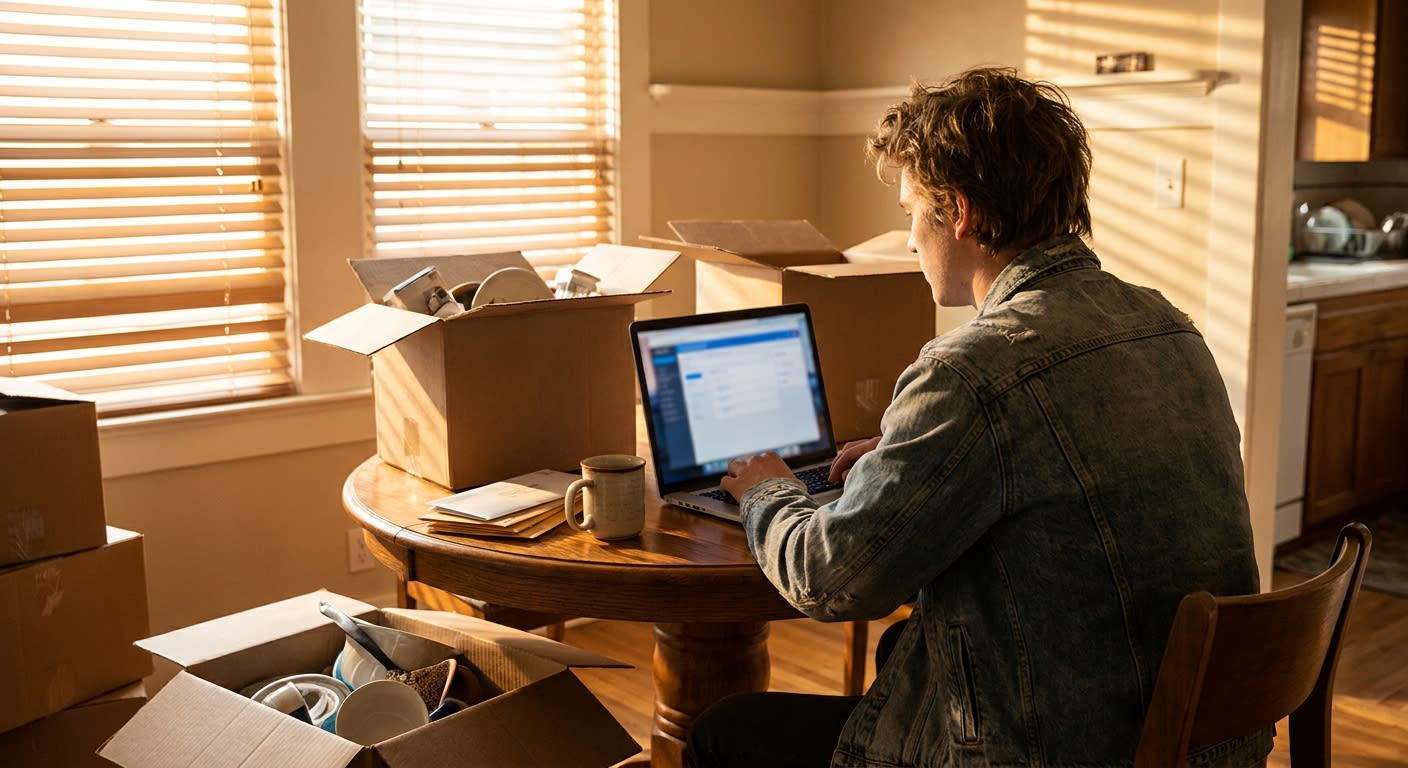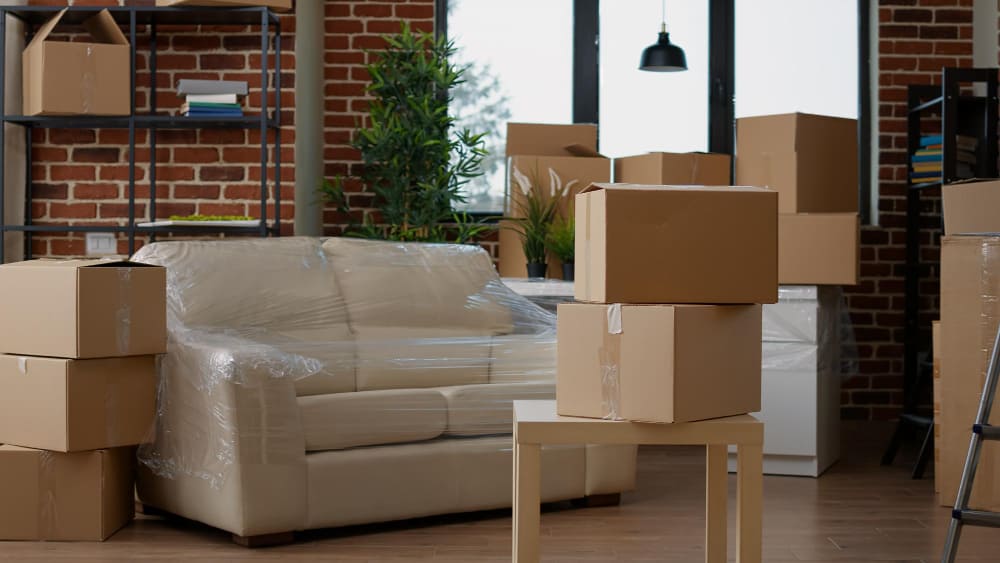



Last Tuesday I got a call from Maria, a client we'd just moved from a cramped studio in Echo Park to a lovely two-bedroom apartment in Silver Lake. She was thrilled to be in her new place, but her voice had that familiar edge of panic I hear often. "Sarah, I don't even know where to start. The water isn't on, I can't find my router, and I just realized I never changed my address with the DMV." I spent twenty minutes walking her through exactly what to prioritize, and by the end of our call, she had a clear game plan. That conversation reminded me why I wanted to write this guide—because what you do in your first week after moving checklist matters more than most people realize.
I'm Sarah, the Customer Relations Manager at SOS Moving, and I've been helping clients navigate the before, during, and after of relocations for years now. While my colleagues handle the physical moving and logistics, I'm the person you talk to when something goes wrong, when you have questions about your coverage, or when you just need someone to help you figure out what comes next. I've heard every post-move crisis you can imagine, and I've learned that a little preparation in week one prevents a lot of headaches in month two.
Day One: Safety and Essentials Come First
Before you unpack a single box, I always tell clients to do a safety sweep of their new home. This isn't about being paranoid—it's about being smart. Walk through every room and check that your smoke detectors are working. If there aren't any, that's your first purchase. In California, we're required to have both smoke and carbon monoxide detectors, and as of 2026, all detectors in newly sold homes must be the 10-year sealed battery type.
Next, locate your electrical panel and water shut-off valve. I can't tell you how many frantic calls I've gotten from clients dealing with a burst pipe or tripped breaker who had no idea where these were. Take five minutes, find them, and snap a photo on your phone so you can find it later when you're stressed and can't remember where you put the flashlight.
Check all your door and window locks. If you've bought a home, I strongly recommend changing the locks within the first 48 hours. You have no idea how many copies of those keys are floating around from previous owners, real estate agents, contractors, or house sitters. A locksmith typically charges $150-250 to rekey all your exterior doors, which is a small price for peace of mind.
Finally, set up your "first night essentials" in an accessible spot. This should include toilet paper, soap, towels, phone chargers, basic medications, a change of clothes, and anything you need for the first morning. My colleague William, our Operations Manager, covers the importance of having an essentials box packed separately in his room by room packing guide—I always echo his advice because it's saved so many of my clients from digging through twenty boxes at 11 PM looking for their toothbrush.
Utilities: What Should Already Be On and What You Need to Activate
In a perfect world, you scheduled all your utility transfers before moving day. But I know life doesn't always cooperate, so here's your priority list for getting everything running in your new home.
Electricity and gas should be at the top of your list—you can't live comfortably without power. If you're in Los Angeles, you're dealing with LADWP for electricity and SoCalGas for gas. Both allow online transfers, and as of 2026, LADWP has streamlined their process significantly. You can typically get same-day service if you call before 2 PM. For the Bay Area, you're working with PG&E, and in Orange County, it's Southern California Edison plus SoCalGas.
Water service varies by your specific location. In LA proper, it's also LADWP. In other areas, you might have a separate water district. Always confirm who your provider is before moving day—this is one of those things that can slip through the cracks and leave you without running water.
Internet is where I see clients get most frustrated. The major providers—Spectrum, AT&T Fiber, Frontier—often require technician visits for new installations, and wait times can stretch to a week or more during busy periods. Schedule this at least two weeks before your move if possible. If you work from home, this isn't optional; it's urgent.
Don't forget about trash and recycling. In Los Angeles, residential trash service is typically included in your property taxes for single-family homes, but you may need to request new bins. Apartment dwellers usually have this handled by building management. Call your city's sanitation department or check their website to confirm your pickup schedule.
The Address Change Marathon: A Strategic Approach
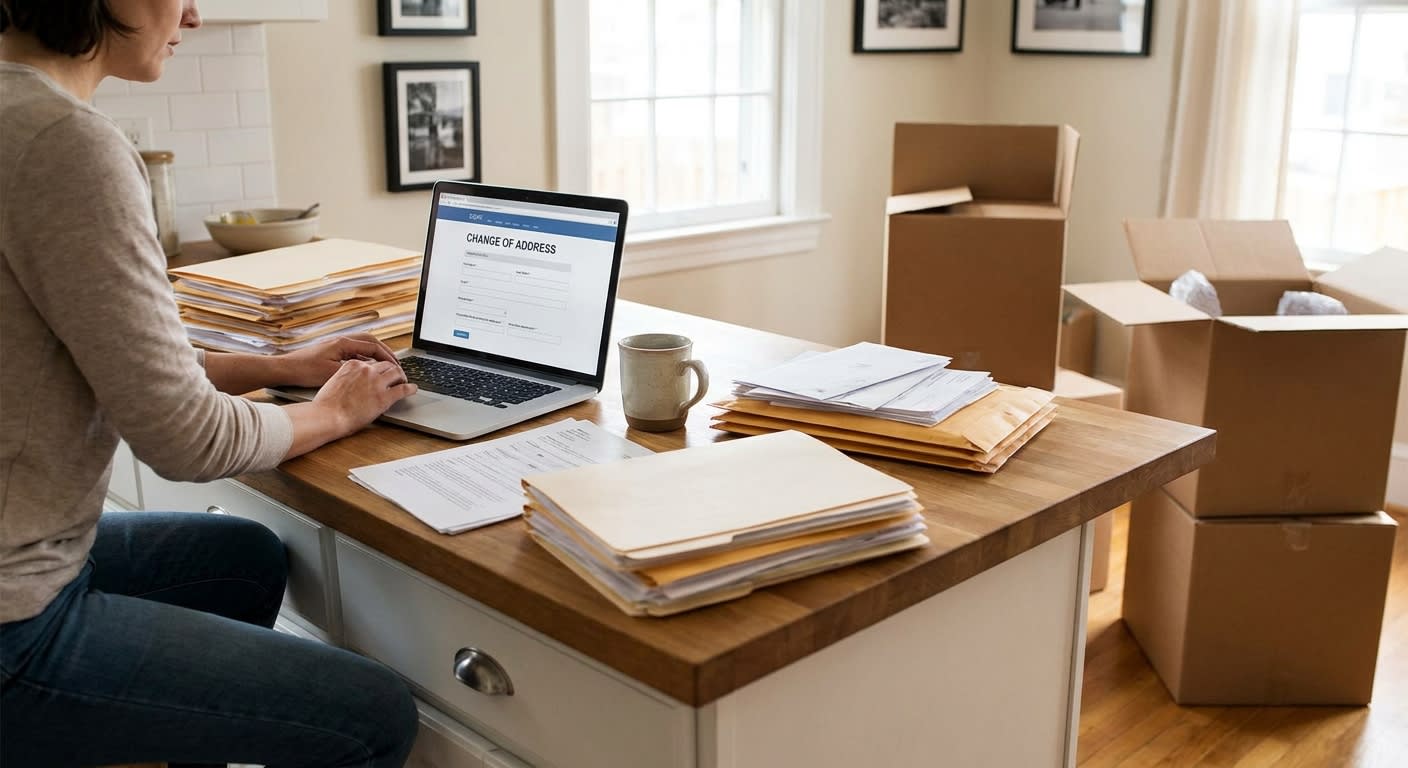
Changing your address everywhere feels overwhelming, but I've developed a system that makes it manageable. I break it into three tiers based on urgency, and I recommend tackling one tier per day during your first week.
Tier One (Days 1-2): USPS mail forwarding is your first stop. You can do this online at usps.com for $1.10 as of 2026, and it takes effect within 7-10 business days. This catches most of your mail, but it's not foolproof—some mailers don't forward. Next, update your driver's license with the California DMV. You have 10 days to report an address change, and you can do it online through the DMV website without paying a fee. Your voter registration also updates automatically through the DMV if you select that option.
Tier Two (Days 3-4): Financial institutions are next. Banks, credit cards, investment accounts, and any lender holding your mortgage or car loan. Most have apps that make this quick, but I've seen clients miss important notices because they forgot about that credit card they rarely use. Make a complete list. Also update your employer's records, especially if you receive physical paychecks or tax documents.
Tier Three (Days 5-7): Insurance policies—auto, renters or homeowners, health, and life. Your car insurance especially needs your new address since rates vary by ZIP code, and driving with an outdated address could complicate a claim. Subscriptions and online shopping accounts can be updated as packages arrive at your old address, but proactively changing Amazon, your pharmacy, and any meal delivery services saves hassle.
📦 Need help with your next move? Our professional packing services ensure everything arrives safely at your new home. Call (909) 443-0004 or request your free estimate today.
Unpacking Strategy: Room Priority That Actually Makes Sense
I've watched clients make themselves miserable by trying to unpack everything in three days. That's a recipe for exhaustion and frustration. Instead, I recommend a strategic approach that gets you functional quickly while leaving room for thoughtful decisions about where things should really go.
Your kitchen should be mostly unpacked by end of day two. You need to eat, and living on takeout for a week gets expensive and unhealthy. Focus on the essentials first: plates, glasses, silverware, pots, pans, and your coffee maker. Pantry items and small appliances can wait a few days. My tip: before loading cabinets, lay down shelf liner. It takes an extra hour but saves you from having to unload everything later.
Bedrooms come next—specifically, making your beds fully with proper linens, not just throwing a sleeping bag on a bare mattress. Good sleep makes everything else easier. Unpack enough clothes to get through a work week, and leave seasonal or occasion-specific clothing in boxes until you've properly organized your closet.
Bathrooms need basics only: toiletries, towels, shower curtain, bath mat. The decorative stuff can wait. Living areas are where I see people get stuck—surrounded by boxes of books, picture frames, and decorative items, paralyzed by the question of where everything should go. My advice: leave these boxes sealed for now. Live in the space for a week or two before deciding where that bookshelf really belongs.
Documentation You Should Locate Immediately
In the chaos of moving, important documents often end up in random boxes or get temporarily lost. During your first week, locate and organize the following items. If any are missing, start the replacement process immediately—some take weeks to arrive.
Find your lease agreement or closing documents, along with any warranties or manuals for appliances that came with your new home. Locate your current insurance policies (I can't tell you how many claims calls I take where clients can't find their policy number), vehicle titles if you own your cars, and your most recent tax return. Social Security cards and passports should be located and secured in a fireproof safe or lockbox.
Create a "new home" folder—physical or digital—that contains important information about your new residence: your landlord or property manager's contact info, the HOA contact if applicable, and documentation of any pre-existing damage you noted during your move-in walkthrough. Speaking of which, if you're renting and you haven't done a detailed move-in inspection with photos, do it today. This documentation protects your security deposit.
Meeting Your New Neighborhood During Week One
I always encourage clients to explore their new neighborhood during the first week while they still have fresh eyes. You'll notice things now that will become invisible once you've settled into routines.
Walk or drive the immediate radius and locate your nearest grocery store, pharmacy, gas station, and urgent care clinic. Know where the closest hospital emergency room is—you don't want to be searching for this information during an actual emergency. Find out where your mail carrier leaves packages if you're not home, and introduce yourself to at least one neighbor. This isn't just about being friendly; neighbors look out for each other, and having someone who can accept a package or alert you to unusual activity is valuable.
For Los Angeles specifically, figure out your neighborhood's street cleaning schedule and parking restrictions now. Parking tickets add up fast, and the signs can be confusing if you're not used to reading them. The LADOT website has an interactive map, or just walk your block and photograph the signs.
If you've moved to a new city entirely, this is also the week to research local registration requirements. California requires new residents to register their vehicles within 20 days and obtain a California driver's license within 10 days. The DMV offers appointments online, but wait times have improved significantly since the pandemic years—as of 2026, you can often get an appointment within two weeks.
Home Services and Maintenance: What to Schedule Now
Your first week is the ideal time to schedule initial service appointments for systems you'll depend on. Even if everything seems to be working fine, a professional inspection catches problems before they become emergencies.
If you've bought a home, schedule an HVAC inspection. The previous owners may have skipped routine maintenance, and you want to know about any issues before summer hits and you're desperate for air conditioning. Many HVAC companies offer new homeowner specials, so mention that when you call. Similarly, if the home has a water heater older than 10 years, have it inspected. Tank water heaters typically last 10-15 years, and a failing unit can cause significant water damage.
Research local service providers now—plumbers, electricians, handymen—so you have names ready when you need them. Ask neighbors for recommendations; local experience matters, especially in older homes with quirks. I've seen clients save thousands of dollars by working with tradespeople who knew the typical issues in their specific neighborhood's housing stock.
If you have outdoor spaces, locate landscapers or gardening services if you don't plan to maintain the yard yourself. In Southern California, many neighborhoods have HOA requirements about lawn maintenance, and you don't want your first interaction with the board to be a violation notice.
Updating Your Emergency Preparedness
Living in California means being prepared for earthquakes, wildfires, and other natural disasters. Your first week in a new home is the perfect time to establish emergency preparedness because everything is already chaotic—adding one more task doesn't feel overwhelming when you're in "setup mode."
Assemble or relocate your earthquake kit. The recommendation as of 2026 is supplies for at least 72 hours: water (one gallon per person per day), non-perishable food, flashlight, batteries, first aid kit, medications, and copies of important documents. Store this somewhere accessible, not in the garage behind all your boxes.
If you've moved to a wildfire-prone area, familiarize yourself with evacuation routes immediately. Save them in your phone and have a physical map as backup. Know your zone for evacuation orders—you can look this up on your county's emergency services website. Pack a "go bag" with essentials you can grab in minutes if you need to evacuate. Our team has helped many clients with emergency fire evacuation moves, and the clients who were prepared fared much better than those who weren't.
Download emergency notification apps for your new area. In Los Angeles, that's the NotifyLA system; other counties have similar programs. These send alerts directly to your phone for evacuations, severe weather, and other emergencies.
Taking Care of Yourself During the Transition
I've saved this section for near the end, but it might be the most important. The first week after a move is physically and emotionally exhausting. I see it in my clients' voices when they call—that combination of excitement, stress, and complete overwhelm. Please give yourself permission to not have everything figured out immediately.
Don't try to unpack everything in three days. Don't feel guilty about getting takeout because your kitchen isn't set up yet. Don't feel like a failure if you cry while looking for your phone charger at midnight. Moving is consistently ranked as one of life's most stressful events, right up there with divorce and job loss. Be gentle with yourself.
Maintain whatever routines you can—morning coffee, evening walks, workout schedule. These anchors help you feel normal when everything else is in flux. If you have kids or pets, prioritize their adjustment; stressed children and anxious pets will make your own stress exponentially worse.
Reach out to your support network. Call a friend. Video chat with family. Human connection helps, especially if you've moved to a new city where you don't know anyone yet. And if you find yourself struggling more than normal—persistent anxiety, trouble sleeping, inability to cope—don't hesitate to talk to a professional. Major life transitions can trigger or exacerbate mental health challenges, and there's no shame in getting support.
Week One Checklist: Your Day-by-Day Summary
Let me condense everything into an actionable checklist you can reference throughout your first week. Print this out or save it on your phone.
Day 1: Safety sweep (smoke detectors, carbon monoxide detectors, fire extinguisher location), locate electrical panel and water shut-off, check all locks, set up beds and bathroom essentials, confirm utilities are active.
Day 2: Submit USPS mail forwarding, unpack kitchen essentials, do move-in walkthrough with photos (for renters), introduce yourself to a neighbor, locate nearest grocery store and pharmacy.
Day 3: Update DMV address online, begin financial institution address updates, schedule internet installation if not already active, identify trash pickup schedule.
Day 4: Continue address changes (banks, credit cards, employer), locate important documents, set up home folder with key information, unpack children's and pets' items to help them settle.
Day 5: Update insurance policies, schedule any needed home service inspections, research local service providers, explore neighborhood for key locations.
Day 6: Finish priority unpacking, set up emergency preparedness supplies, download local emergency notification apps, research parking rules and street cleaning schedule.
Day 7: Review what's been accomplished, make list of remaining tasks for week two, take a break—you've earned it.
Frequently Asked Questions
How long does USPS mail forwarding take to start working?
Mail forwarding typically takes 7-10 business days to become fully effective after you submit your request. During this transition period, some mail may still go to your old address, so it's important to also manually update your address with critical senders like banks and employers. The forwarding service lasts for one year and can be extended if needed.
Do I need to change my car registration immediately after moving to a new address?
In California, you're required to notify the DMV of an address change within 10 days of moving. For most situations, you can do this online for free. You don't need new plates or a new registration card—the DMV updates their records and your next registration renewal will show the new address.
What if I find damage in my new home that wasn't documented before moving in?
Document it immediately with dated photos and written descriptions. If you're renting, email your landlord within 24 hours to create a paper trail. This protects your security deposit when you eventually move out. For homeowners, check if the damage was present during your pre-purchase inspection and whether it might be covered under your home warranty or the previous owner's disclosure obligations.
Should I cancel my old renter's or homeowner's insurance right away?
Don't cancel your old policy until your new policy is fully active and confirmed. There should be no gap in coverage. Once you've verified your new coverage is in place, contact your old provider to cancel. You may receive a prorated refund for the unused portion of your premium.
How do I handle subscriptions and deliveries during the transition?
Pause subscription deliveries (meal kits, pet food, etc.) for a week or two if possible, then update your address before resuming. For ongoing prescriptions, update your pharmacy and mailing address immediately since medication delays can have health consequences. I typically recommend clients make a list of every subscription they have and tackle them systematically rather than waiting for items to arrive at the wrong address.
What's the most commonly forgotten address change?
In my experience, it's secondary credit cards and store credit accounts—the ones you don't use regularly. I've seen clients miss important fraud alerts or account statements because they forgot to update a card they only use at one specific retailer. Go through your wallet and update every card, not just your primary bank accounts.
Ready to Plan Your Move?
Ready to make your next relocation stress-free? SOS Moving serves Los Angeles, Orange County, and San Francisco Bay Area with licensed and insured full-service moving and storage, from $119/hour. Call (909) 443-0004, email info@sosmovingla.net, or get your free estimate today.