


The water recedes, leaving destroyed belongings, dangerous mold potential, and 72 hours to save what's salvageable. Los Angeles may average only 15 inches of rain annually, but when atmospheric rivers hit or pipes burst, flood damage devastates homes instantly. After helping hundreds through water emergencies, here's how professional flood damage moving services work, what's salvageable, and why the first 48 hours determine everything.
LA Flood Reality
Common flood causes:
- Atmospheric rivers (increasing)
- Flash floods in canyons
- Burst pipes (most common)
- Sewage backups
- Neighbor's water heater
- Roof failures
- Foundation issues
High-risk areas:
- Hollywood Hills (mudslides)
- Beach cities (high tides)
- Valley (poor drainage)
- Downtown (old infrastructure)
One inch of water = $25,000 damage average
The 48-Hour Window
Why speed matters:
0-24 hours:
- Water extraction possible
- Items salvageable
- Mold prevention possible
24-48 hours:
- Mold begins growing
- Materials deteriorating
- Salvage declining
48-72 hours:
- Mold established
- Secondary damage
- Health hazards
After 72 hours:Most items unsalvageable
Every hour counts exponentially
Emergency Response Protocol
Immediate moving needs:
- Safety assessment first
- Power/gas secured
- Document everything
- Remove salvageable items
- Begin drying process
- Coordinate restoration
Professional flood movers provide:
- Emergency response (2-4 hours)
- Water-safe equipment
- Protective gear
- Documentation assistance
- Coordination with restoration
What's Salvageable
Usually can save:
- Solid wood furniture (dried properly)
- Metal items
- Glass/ceramics
- Some electronics (if acted fast)
- Plastic items
- Important documents (freeze-dried)
Usually destroyed:
- Particle board furniture
- Mattresses
- Upholstered furniture
- Carpets/rugs
- Drywall
- Insulation
- Books (unless special treatment)
Gray water/sewage: Nothing salvageable
Documentation Requirements
For insurance claims:
Before moving anything:
- Video walk-through
- Photo every room
- Close-ups of damage
- Serial numbers visible
- Water line heights
- Time stamps essential
During removal:
- Inventory everything
- Categorize: Save/Toss/Maybe
- Photo damaged items
- Keep samples sometimes
- Receipt for services
Critical for claims success
Health and Safety
Flood water dangers:
- Bacteria/pathogens
- Chemical contamination
- Sewage possible
- Mold spores
- Structural hazards
- Electrical risks
Required protection:
- N95 masks minimum
- Waterproof boots
- Gloves
- Eye protection
- Tetanus current
Never enter without assessment
Moving vs Restoration
Moving services handle:
- Emergency removal
- Salvageable transport
- Storage coordination
- Debris removal
- Furniture moving
Restoration handles:
- Water extraction
- Drying equipment
- Mold remediation
- Structural repairs
- Rebuild coordination
Both needed, different roles
Insurance Coordination
Standard coverage issues:
- Flood usually excluded
- Pipe burst covered
- Sewage backup varies
- Additional living expenses
- Personal property limits
Moving expenses:Sometimes covered under ALE (Additional Living Expenses)
Document everything for claims
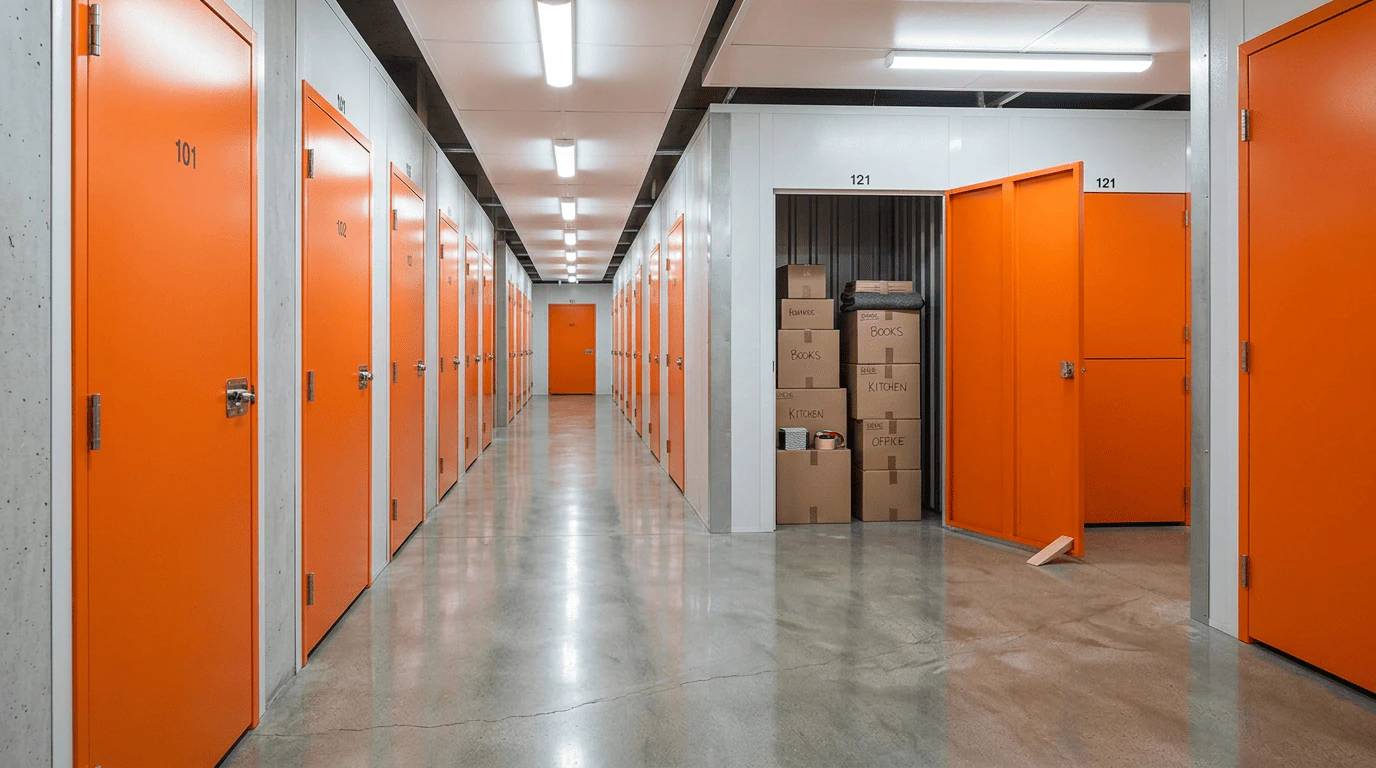
Storage During Recovery
Flood damage storage needs:
- Climate controlled essential
- Separate damaged/undamaged
- Easy access for insurance
- Month-to-month terms
- Security important
Duration typically:3-6 months during restoration
Costs: $200-500/month
Pack-Out Services
Professional pack-out includes:
- Inventory creation
- Photo documentation
- Careful packing
- Categorization
- Transport
- Storage coordination
Used for:
- Insurance documentation
- Restoration cleaning
- Protection during repairs
Disposal Requirements
Flood-damaged disposal:
- Cannot go in regular trash
- Special handling required
- Hazardous materials separate
- Documentation needed
- Licensed disposal sometimes
Costs: $500-2,000 typically
Emotional Support
This is traumatic:
- Home destroyed
- Memories lost
- Displacement stress
- Insurance battles
- Financial pressure
Professional movers understand:
- Patient approach
- Respectful handling
- Emotional significance
- No judgment
- Crisis experience
Common Mistakes
Don't:
- Wait to see if it dries
- Try to save everything
- Skip documentation
- Use regular movers
- Ignore mold risk
- Handle without protection
Do:
- Act immediately
- Document everything
- Prioritize safety
- Hire specialists
- Accept losses
- Focus on salvageable
Category 1-3 Water
Category 1 (clean):
- Pipe burst
- Rain water
- Salvage possible
Category 2 (gray):
- Washing machine
- Some contamination
- Limited salvage
Category 3 (black):
- Sewage/flood water
- Extremely hazardous
- Nothing salvageable
Response differs completely
Cost Structures
Emergency flood moving:
- Higher rates (50-100% premium)
- Minimum charges
- Disposal fees
- Storage costs
- Special equipment
Typical costs:
- Emergency response: $500-1,000
- Pack-out service: $2,000-5,000
- Storage: $200-500/month
- Disposal: $500-2,000
Insurance may cover if documented
Restoration Timeline
Typical progression:
- Day 1-2: Emergency response
- Day 3-7: Pack-out/moving
- Week 2-4: Drying/demo
- Month 2-3: Reconstruction
- Month 3-6: Move back
Patience required throughout
Choosing Flood Movers
Requirements:
- 24/7 availability
- Water damage experience
- Proper equipment
- Insurance knowledge
- Restoration partnerships
- Health protocols
Not all movers equipped
Prevention for Future
After flood recovery:
- Install water sensors
- Regular maintenance
- Know shut-offs
- Insurance review
- Emergency plan
- Supply kit ready
Once flooded, higher risk
Community Resources
LA flood assistance:
- Red Cross temporary shelter
- FEMA (declared disasters)
- 211 resource connection
- Churches/nonprofits
- LACity emergency services
Insurance help:
- Public adjusters
- State insurance office
- Legal aid
Seasonal Patterns
LA flood seasons:
- December-March (rain)
- Year-round (pipes)
- Summer (AC leaks)
El Niño years:Significantly higher risk
Technology Tools
Helpful apps/tools:
- Encircle (inventory)
- Moisture meters
- SERVPRO app
- Insurance apps
- Documentation tools
The Recovery Journey
Emotional stages:
- Shock/denial
- Anger/frustration
- Depression/grief
- Acceptance
- Rebuilding hope
Normal process, support available
Get Emergency Help
Flood damage requires immediate professional response. Every hour of delay increases damage exponentially, reduces salvageable items, and amplifies health risks. Professional flood damage moving services provide the expertise, equipment, and documentation support crucial for recovery.
SOS Moving offers emergency flood response services. Our crews are trained in water damage protocols, equipped for safe handling, and experienced with insurance documentation. We coordinate with restoration companies to protect what's salvageable.
Experiencing flood damage? Call 909-443-0004 for emergency response. We'll help remove salvageable items quickly, document for insurance, and coordinate storage during restoration. When water destroys your home, professional help makes recovery possible.