

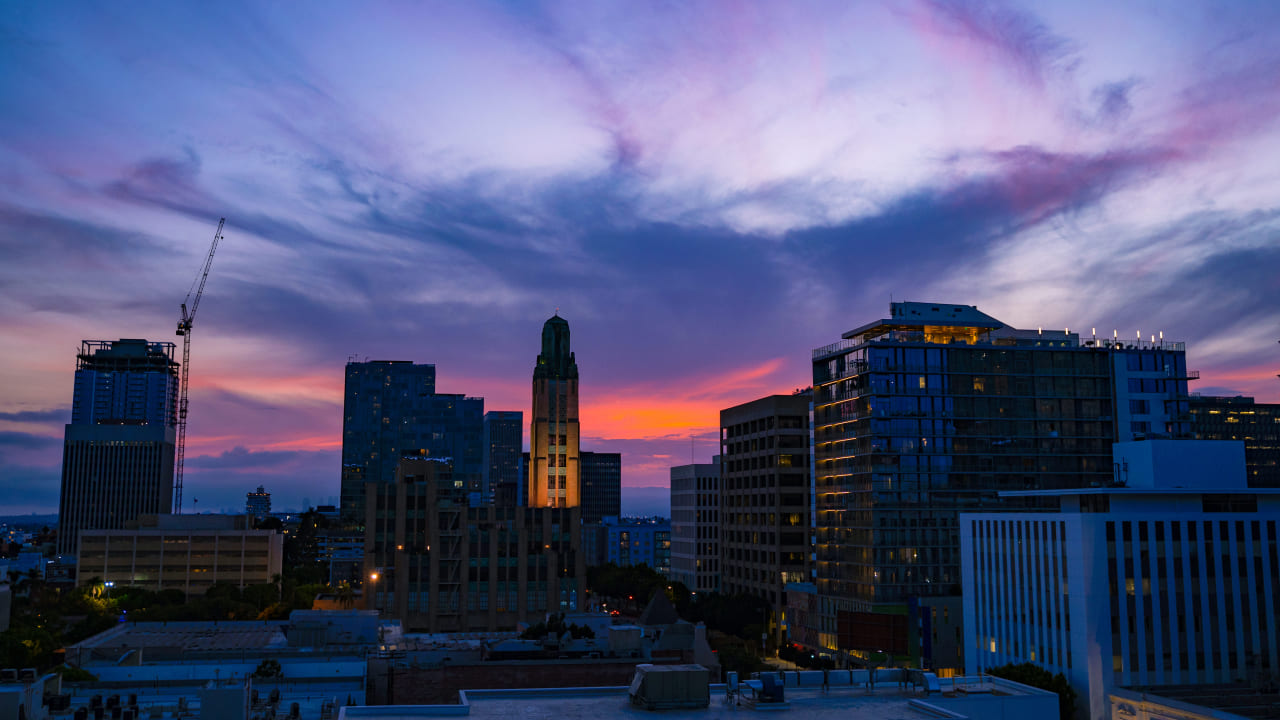
Koreatown packs more people, restaurants, and energy per square mile than anywhere else in Los Angeles. This 2.7-square-mile neighborhood hosts over 120,000 residents speaking dozens of languages, creating LA's most international community outside of downtown. While Korean businesses dominate the commercial landscape, K-town's residential population is surprisingly diverse: 53% Latino, 32% Asian, with growing numbers of young professionals drawn to central location and nightlife. SOS Moving handles more moves to and from Koreatown than almost any other LA neighborhood, giving us unique insight into this dynamic community.
Understanding Koreatown's Geography
K-town's boundaries roughly span Western to Vermont (east-west) and Beverly to Olympic (north-south), though locals debate exact borders. The neighborhood divides into distinct zones:
Western Avenue corridor: Main commercial strip with Korean banks, markets, and restaurants. Newer luxury apartments above businesses. Parking nightmare but walkable lifestyle. Rents higher due to convenience.
Wilshire Boulevard section: High-rise residential towers and office buildings. Metro Purple Line stations provide car-free option. Mix of older rent-controlled and new luxury buildings. Professional crowd and empty nesters.
Residential pockets: Quieter streets between main boulevards. Older apartment complexes with character. More parking but less walkable. Families and long-term residents.
Olympic Boulevard area: Transitioning zone with warehouses converting to lofts. Cheaper rents but developing rapidly. Artists and young creatives clustering. Future gentrification inevitable.
Housing Costs and Options
Koreatown offers LA's last centrally-located affordable(ish) housing, though prices climb yearly:
Current market rates:
- Studio: $1,400-2,000/month
- 1-bedroom: $1,800-2,800/month
- 2-bedroom: $2,500-3,800/month
- Luxury buildings: Add 30-40% to above
Rent-controlled goldmines: Buildings from 1960s-70s offer below-market rates. Tenants never leave these units. Finding one requires patience and luck. Check original construction dates carefully.
New developments: Dozens of towers built since 2015. Amenities rival downtown at lower prices. Parking usually included (crucial here). Pet-friendly options increasing.
The Parking Situation
Parking dominates Koreatown life more than any other LA topic. Street parking requires permits but remains insufficient. Most buildings charge $100-200/month extra for spots. Tandem parking common in older buildings. Many residents go car-free using Metro and delivery services.
Strategies for survival: Get residential permit immediately. Never expect street parking after 6 PM. Consider monthly lots ($150-250). Budget parking into rent calculations. Explore car-free living seriously.
Living in Koreatown: Daily Reality
The 24-hour lifestyle: Restaurants, markets, and karaoke open until 4 AM or later. Streets busy at all hours (safety in numbers). Perfect for night owls and service industry workers. Noise levels require adjustment period.
Food paradise: Korean BBQ, hot pot, and tofu houses on every block. Authentic Latin American food throughout. Japanese, Thai, Filipino options abundant. Grocery costs 20-30% less than Westside.
Cultural immersion: Korean language helpful but not essential. Smartphone translation apps bridge gaps. Community events celebrate multiple cultures. Language exchange opportunities everywhere.
Transportation hub: Purple Line connects to downtown (10 minutes) and eventually Westside. Multiple bus lines serve all directions. Central location means everywhere is 20-30 minutes. Traffic still challenging during peak hours.
Who Thrives in Koreatown
Perfect for:Young professionals working downtown or mid-city. Food enthusiasts wanting authentic options. Night shift workers needing 24-hour amenities. Budget-conscious renters seeking central location. Car-free lifestyle advocates. International community seekers.
Challenging for:Families needing quiet streets and yards. Light sleepers sensitive to urban noise. Those requiring abundant parking. People uncomfortable with language barriers. Anyone seeking suburban calm.
Moving to Koreatown: Logistics
Building types affect moving difficulty:High-rises require elevator reservations and certificates of insurance. Older buildings have narrow stairs and no elevators. Street parking for moving trucks extremely limited. Many buildings restrict weekend moves.
Typical moving costs to K-town:From Downtown LA: $400-600From West LA: $600-900From Valley: $700-1,000From Beach cities: $800-1,200
Peak moving times: Avoid month-end when everyone moves simultaneously. University semester changes bring student floods. Korean holidays affect commercial availability. Lunar New Year particularly busy.
Neighborhood Pros and Cons
Advantages:Central location saves commute time. Affordable compared to similar proximity neighborhoods. Incredible food variety at all price points. Public transit actually works here. Diverse, international community. Never boring—always something happening.
Challenges:Density means noise, crowds, limited space. Parking frustrates everyone constantly. Language barriers in some businesses. Gentrification changing neighborhood character. Safety varies by specific blocks. Air quality affected by traffic.
Safety Considerations
Koreatown's density creates natural surveillance—streets rarely empty. Well-lit commercial corridors feel safe walking at night. Side streets require normal urban awareness. Property crime exists but violent crime relatively low. Community policing programs active. Neighbors look out for each other culturally.
The Gentrification Factor
Long-term residents face displacement from rising rents. New developments target young professionals. Traditional businesses struggle with rent increases. Community organizations fight for preservation. Balance between progress and preservation ongoing. Consider impact when choosing where to live.
Making Your K-town Decision
Koreatown offers authentic urban living at (relatively) reasonable prices. You sacrifice space and quiet for culture, convenience, and community. The neighborhood rewards those embracing density and diversity while challenging those seeking traditional LA suburban lifestyle.
Success requires adjusting expectations: Your apartment will be smaller. Parking will frustrate you. Noise will surround you. But you'll eat better, spend less, and experience more than almost anywhere else in LA. The tradeoffs work for those prioritizing experience over space.
Ready to join Koreatown's energy? Contact SOS Moving at 909-443-0004 for your K-town relocation. We know every building's quirks, from Wilshire high-rises to side-street apartments. Our experienced crews navigate K-town's parking challenges and building requirements daily. Whether you're drawn to Korean BBQ, central location, or affordable housing, we'll get you settled in LA's most dynamic neighborhood.

.jpg)