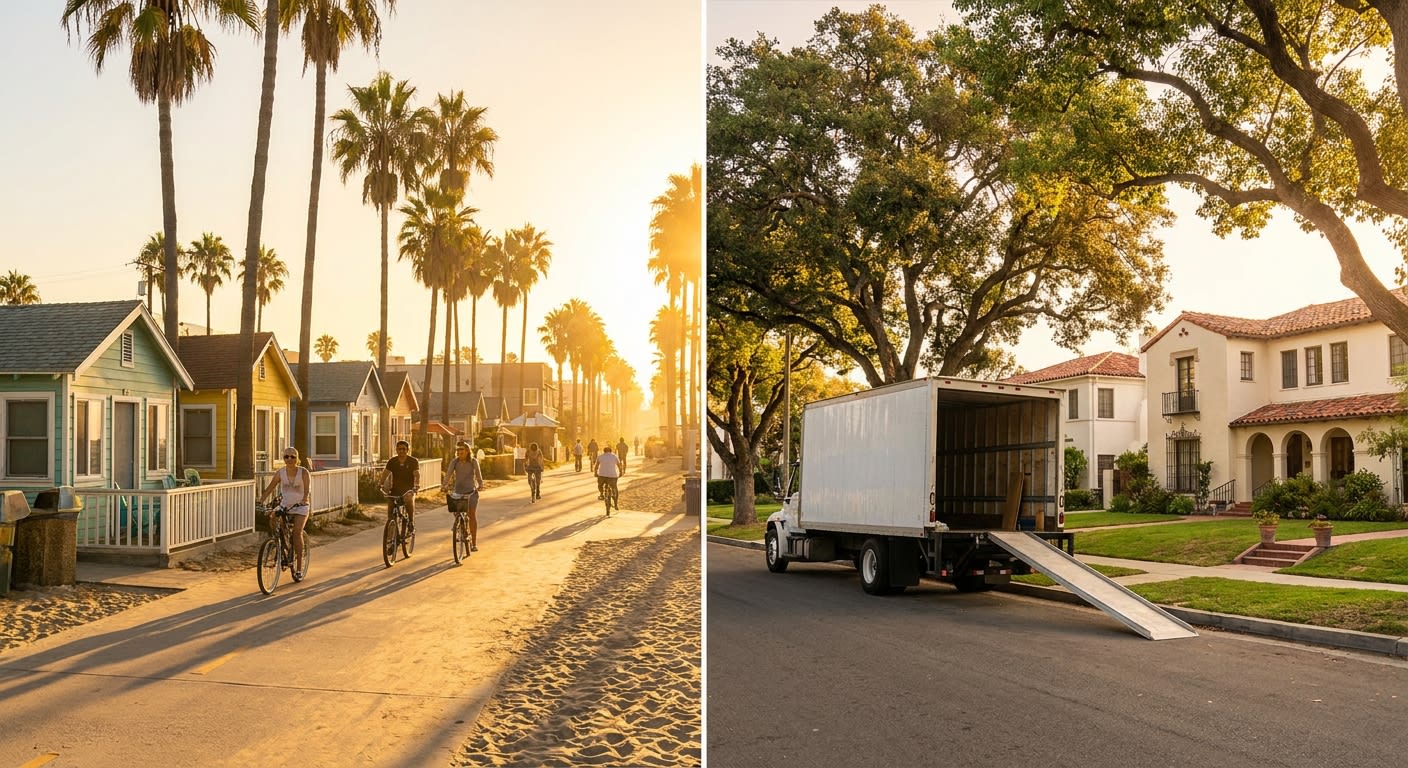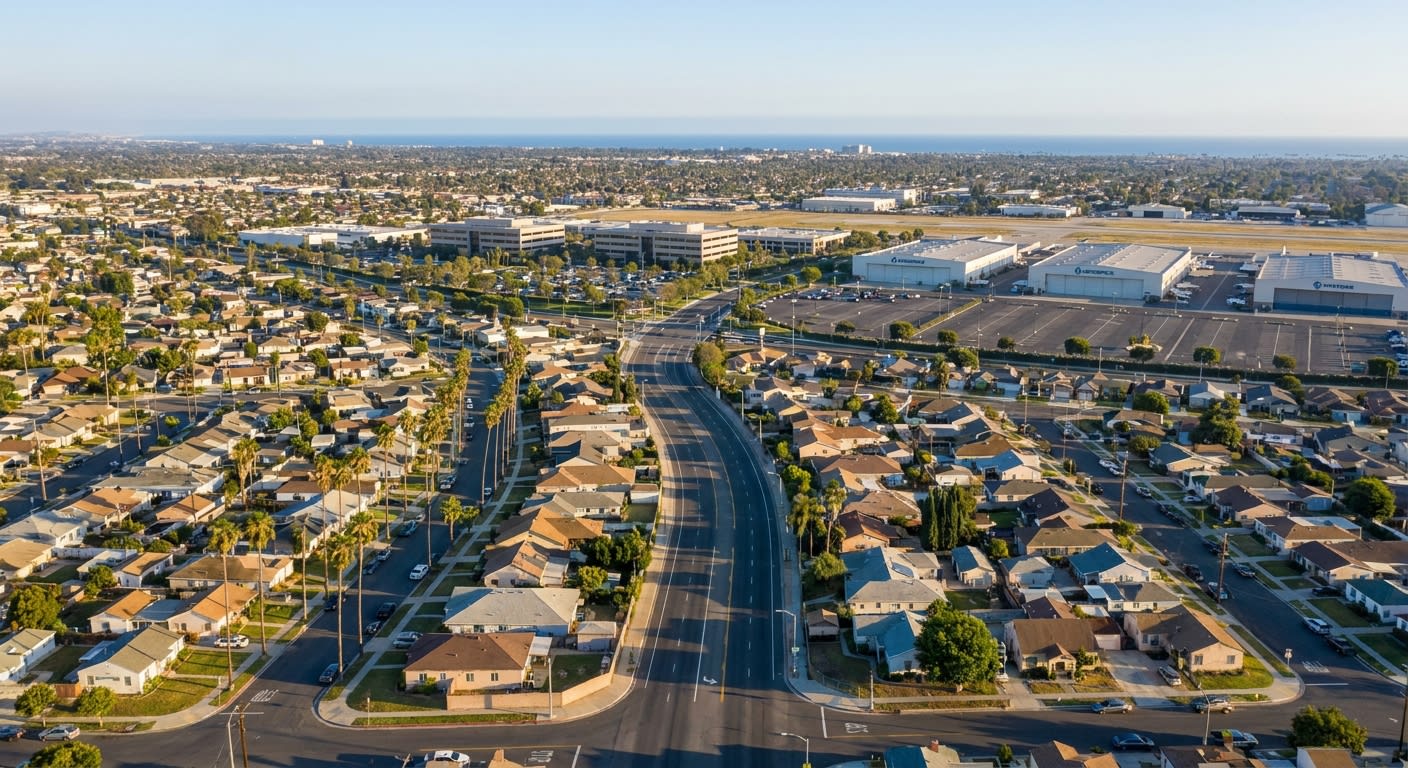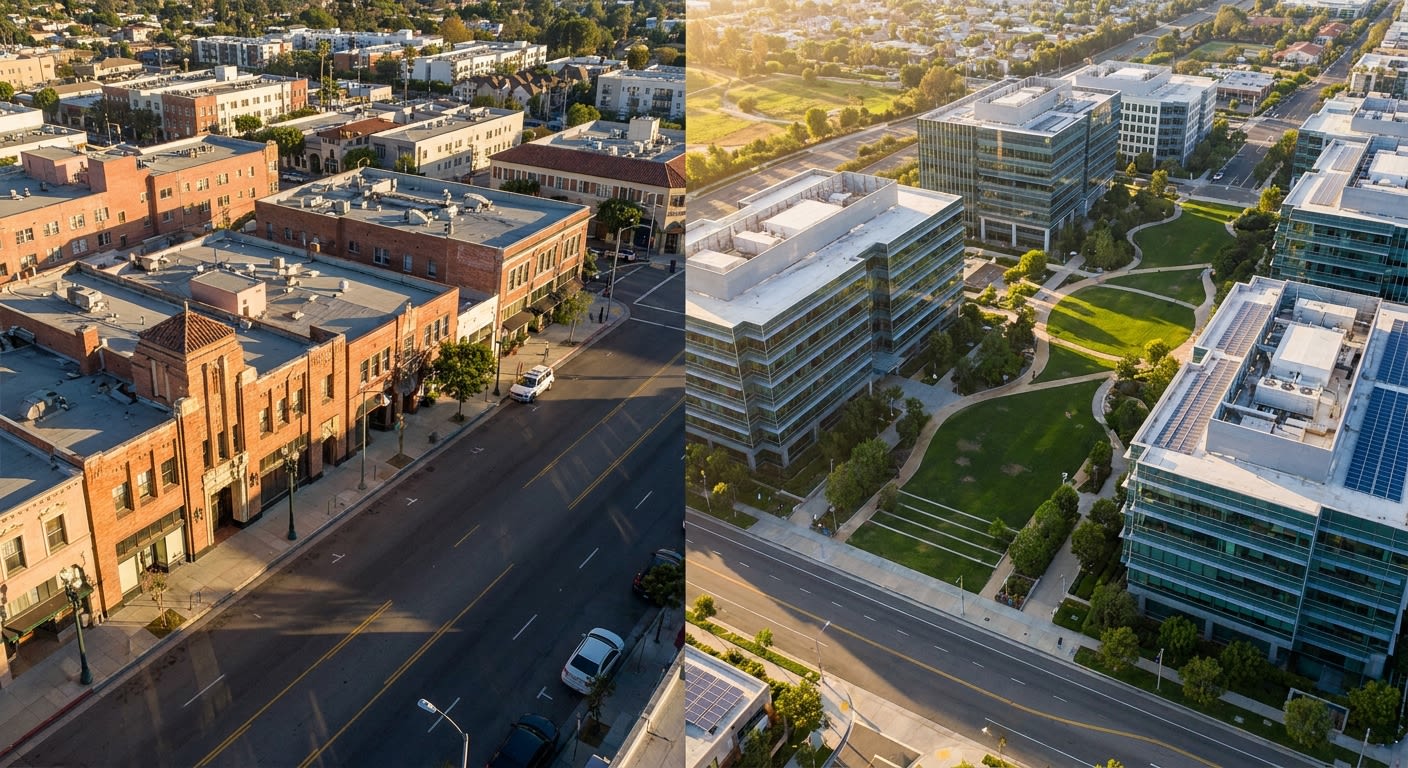


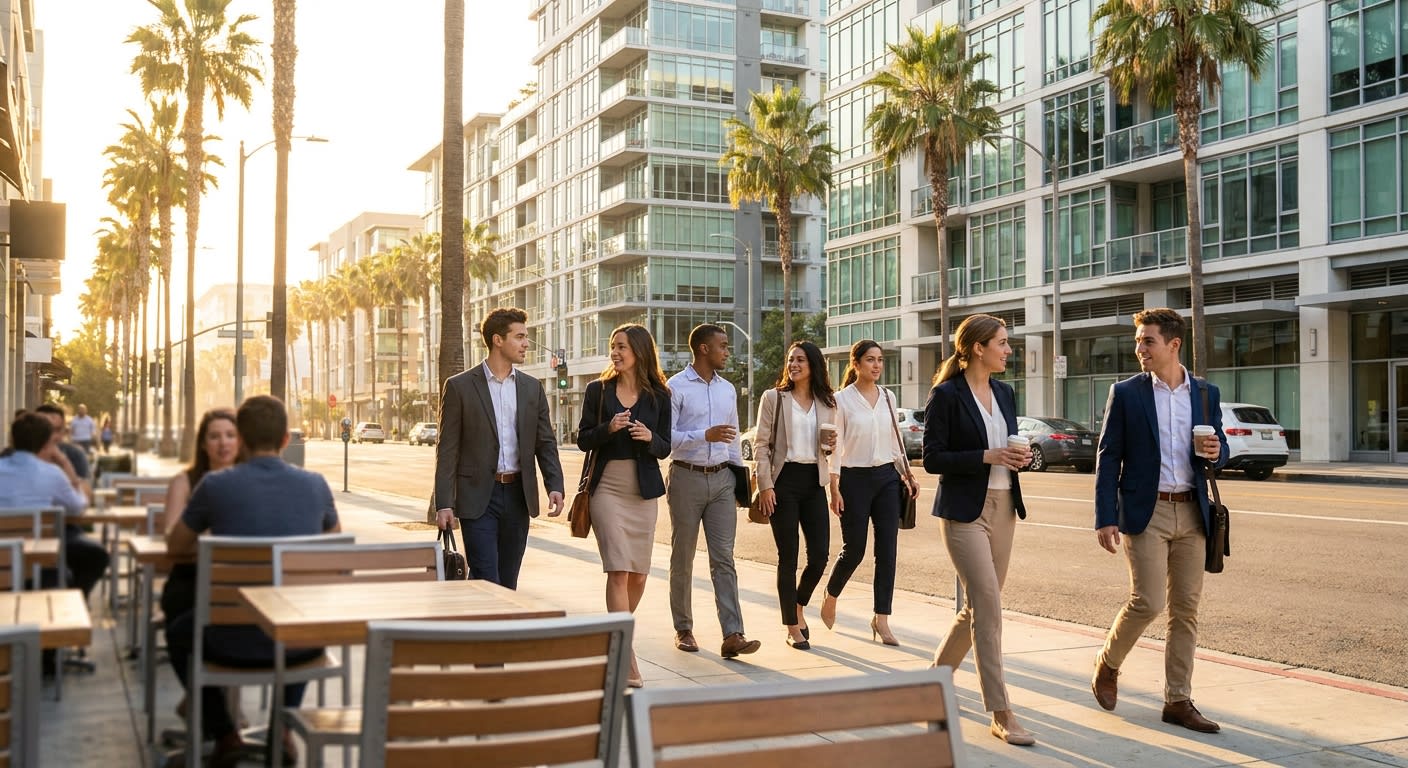
Three weeks ago, I helped a 28-year-old UX designer relocate from Austin to Los Angeles. She'd accepted a hybrid position at a Culver City tech firm and had exactly one requirement: "I want to live somewhere I can walk to coffee, meet people my age, and not spend my entire paycheck on rent." We spent forty minutes on the phone mapping out her options, and she ended up in a one-bedroom in Palms that checks every box. That conversation reminded me why I started tracking neighborhood data for young professionals moving to LA—it's the question I get asked more than any other.
I'm Alex Park, CEO and Founder of SOS Moving, and since launching this company in 2020, I've personally overseen thousands of relocations across Los Angeles. A huge portion of those moves involve young professionals in their twenties and thirties trying to figure out where to plant roots in this sprawling city. I've seen the neighborhoods that deliver on their promises and the ones that look great on Instagram but leave people feeling isolated and broke.
What Makes a Neighborhood Great for Young Professionals
Before I dive into specific neighborhoods, let me share the framework I use when advising clients. After helping thousands of young professionals relocate, I've identified five factors that consistently matter most: commute viability, social infrastructure, rent-to-income ratio, career proximity, and what I call "Sunday morning walkability"—can you grab coffee, hit a farmers market, and run errands without getting in your car?
The commute factor has shifted dramatically. As of 2026, roughly 60% of the young professionals we move are working hybrid schedules, meaning they're commuting two to three days per week rather than five. This has completely changed the calculation. Suddenly, living twenty-five minutes from the office instead of ten becomes much more palatable when you're only making that drive twice a week. I've watched neighborhoods like Highland Park and Palms explode in popularity because of this shift.
Social infrastructure matters more than people initially realize. I can't tell you how many clients have called me six months after a move, frustrated because they chose a "nice" neighborhood with zero opportunities to meet people. You need coffee shops with communal tables, gyms with group classes, bars where you can actually have a conversation, and co-working spaces if you're remote. These aren't luxuries—they're how you build a social life in a new city.
The rent-to-income ratio in LA is brutal, and I won't sugarcoat it. Current 2026 data shows average one-bedroom rents ranging from $1,800 in more affordable areas to $3,500+ in premium neighborhoods. I generally advise clients to keep housing costs under 30% of gross income, though many young professionals in LA end up closer to 35-40%. The neighborhoods I recommend balance reasonable rents with the amenities that make urban living worthwhile.
Silver Lake: The Creative Professional's Sweet Spot
Silver Lake consistently tops my list for young professionals in creative industries—designers, writers, marketing folks, and entertainment industry workers. The neighborhood centers around Sunset Boulevard and Silver Lake Boulevard, with the actual reservoir providing one of LA's best urban walking loops.
What makes Silver Lake work is density without chaos. Unlike Hollywood, where the crowds can feel overwhelming, Silver Lake maintains a neighborhood feel while delivering genuine walkability. Sunset Junction anchors the commercial district with coffee shops, boutiques, and restaurants that attract a reliably young, creative crowd. I've moved clients into apartments on Hyperion Avenue who tell me they've made more friends in three months than they did in three years at their previous city.
Rent reality check: as of 2026, expect to pay roughly $2,200-$2,800 for a decent one-bedroom in Silver Lake. Studios can run $1,700-$2,100. The best deals are often in the hillier sections east of the reservoir, though you'll sacrifice some walkability for lower rent. My colleague William covers the unique challenges of moving to these hillier areas in our guide on high rise and challenging apartment moves—tight corners and steep driveways are the norm here.
Commute-wise, Silver Lake sits about fifteen minutes from downtown LA, twenty-five minutes from Burbank studios, and thirty-five to forty-five minutes from Westside tech hubs depending on traffic and your exact location. The 2 and 4 freeways provide access, though many residents rely on the Metro Red Line stations in nearby Echo Park or Los Feliz.
Culver City: Tech Hub With Actual Character
Culver City has transformed into LA's answer to San Francisco's Mission District—tech companies everywhere, but with genuine neighborhood character that predates the boom. Amazon, Apple, and dozens of mid-size tech firms have set up shop here, which means if you're in tech, your commute might be a ten-minute bike ride.
I've moved at least a hundred young professionals into Culver City over the past two years, and the feedback is consistently positive. The downtown strip along Culver Boulevard and Washington Boulevard offers the walkable restaurant-and-bar scene that young professionals crave. The Helms Bakery District adds a design-focused retail cluster. And unlike some gentrified neighborhoods that feel sterile, Culver City retains its working-class roots in areas like the Fox Hills section.
The Expo Line changed everything for this neighborhood. You can get to Santa Monica in twelve minutes, downtown LA in twenty-five, and the entire Westside is accessible without sitting in traffic on the 10. I always tell clients: if you can structure your life around the Expo Line, your LA experience will be dramatically better than if you're car-dependent.
Rent in Culver City runs roughly $2,400-$3,200 for a one-bedroom in 2026, with newer construction near downtown commanding premium prices. The areas south of Venice Boulevard tend to be more affordable, and you'll still be within walking distance of the action. I helped a software engineer move from San Jose last month into a renovated two-bedroom near the Arts District for $3,100—he's splitting it with a roommate and paying less than his studio cost in the Bay Area.
Arts District: Urban Living at Its Most Authentic
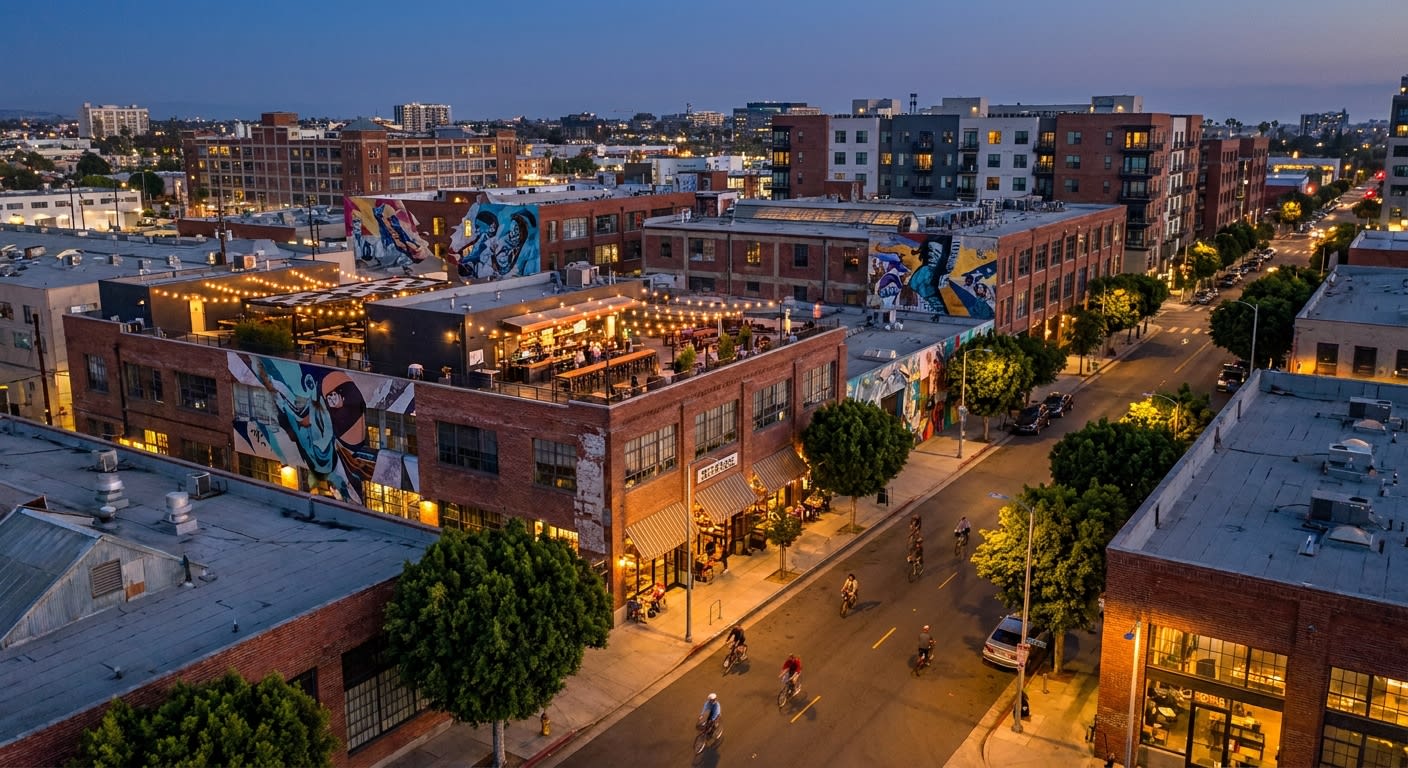
The Arts District in downtown LA offers something you can't find anywhere else in the city: genuine urban density in converted industrial buildings. We're talking fifteen-foot ceilings, exposed brick, freight elevators, and rooftop access with skyline views. For young professionals who moved here from cities like New York or Chicago, the Arts District feels familiar in a way that sprawling LA suburbs never will.
I'll be honest: the Arts District isn't for everyone. It's grittier than Silver Lake, more expensive than Highland Park, and your nearest grocery store might be a fifteen-minute walk. But if you value architectural character and don't mind trading a car for an e-bike, this neighborhood delivers an experience unique to LA.
🚚 Relocating to LA for a new job? Our long-distance moving team handles everything from packing to delivery. Call (909) 443-0004 or request your free quote.
The social scene here centers around coffee shops and galleries during the day, breweries and restaurants at night. Weekend mornings bring a farmers market that draws young professionals from across downtown. I've noticed that Arts District residents tend to know their neighbors—the building layouts with shared courtyards and rooftop decks encourage actual community.
Expect rents of roughly $2,600-$3,500 for loft-style one-bedrooms in 2026. The premium is real, but you're paying for square footage and character that doesn't exist elsewhere in LA. Commutes from the Arts District are surprisingly manageable: you're right next to the 10 freeway, the Metro Gold Line runs through Little Tokyo nearby, and downtown offices are bikeable.
Koreatown: Maximum Value, Maximum Energy
Koreatown, or K-Town as everyone calls it, offers the best value proposition in central LA. You're getting walkability, nightlife, diverse food options, and easy Metro access at rents that significantly undercut neighboring neighborhoods. For young professionals on entry-level salaries, K-Town makes urban LA living actually achievable.
The neighborhood runs roughly from Western Avenue to Vermont Avenue, between Wilshire Boulevard and Beverly Boulevard. The density is real—this is one of the most populated neighborhoods in the entire country. But that density creates energy. At 11 PM on a Tuesday, you can find a packed Korean barbecue spot, a karaoke bar full of people your age, and a late-night coffee shop where freelancers are still working.
I moved a young lawyer into K-Town last year who was initially skeptical. She'd heard it described as "gritty" and wasn't sure if it would feel safe. Six months later, she texted me to say it was the best decision she'd made—she walks to her gym, has three favorite restaurants within two blocks, and her commute to her downtown firm takes twelve minutes on the Metro. That experience is typical of the feedback I get.
Rent reality: K-Town offers one-bedrooms starting around $1,600 and topping out around $2,300 for newer construction as of 2026. Studios can be found for $1,300-$1,700. The catch is that parking is a nightmare—if you have a car, budget an extra $100-$200 monthly for a garage spot. Many K-Town residents go car-free entirely, relying on the Metro Purple Line and rideshares.
Highland Park: The Northeast LA Alternative
Highland Park has matured from "up and coming" to genuinely arrived. The stretch of Figueroa Street and York Boulevard now rivals any Westside neighborhood for coffee shops, restaurants, and bars—but at significantly lower price points. For young professionals who want space and don't mind being twenty minutes from the Westside, HP delivers exceptional value.
What I love about Highland Park is that it still feels like a real neighborhood rather than a curated experience. You've got multi-generational families who've lived here for decades alongside newcomers. The taco stands that predated gentrification still thrive next to craft cocktail bars. This blend gives the neighborhood authenticity that purely transplant neighborhoods lack.
The Gold Line station at Highland Park puts you on the Metro system, with direct service to downtown LA in about fifteen minutes. Commutes to the Westside are trickier—you're looking at 30-45 minutes depending on traffic and exact destination. But for anyone working downtown, in Pasadena, or remotely, Highland Park's location is actually advantageous.
As of 2026, Highland Park rents run roughly $1,800-$2,500 for one-bedrooms, with significant variation based on the specific block. The hillier streets above York Boulevard tend to be quieter and cheaper but require a car. The flats near Figueroa are walkable but pricier. I detail some of the unique considerations for this neighborhood in our Pasadena and Northeast LA moving guide.
Palms and Mar Vista: The Overlooked Westside
If I had to pick one neighborhood that's consistently underrated by young professionals moving to LA, it's the Palms/Mar Vista corridor. Sandwiched between Culver City and Santa Monica, this area offers Westside access at prices that don't require a tech salary.
The appeal is practical: you're ten minutes from the beach, walking distance to the Expo Line, and surrounded by enough coffee shops, grocery stores, and restaurants that you don't need to leave your neighborhood. Venice Boulevard serves as the main commercial artery, with pockets of activity scattered throughout. It's not glamorous—you won't be showing off your neighborhood on Instagram—but it's livable in a way that actually matters.
I recently helped a physical therapist move from a cramped studio in Santa Monica to a spacious one-bedroom in Palms. Her rent dropped $600, her commute to her clinic in Culver City shortened by five minutes, and she gained a parking spot and in-unit laundry. That's the Mar Vista/Palms value proposition in a nutshell.
Rent ranges from roughly $1,900-$2,600 for one-bedrooms in 2026. The areas closer to the Venice border tend to be pricier, while the eastern sections near the 405 are more affordable but noisier. For young professionals working anywhere on the Westside, this neighborhood deserves serious consideration.
Echo Park: Lake Views and Community Vibes
Echo Park occupies a unique position in LA's neighborhood hierarchy. It's denser and more urban than Silver Lake, cheaper than both Silver Lake and Los Feliz, and centered around the iconic Echo Park Lake that provides a genuine community gathering space.
The lake itself sets Echo Park apart. On any given Sunday, you'll find hundreds of young professionals walking the path, renting pedal boats, grabbing tacos from vendors, and lounging on the grass. This built-in social infrastructure creates organic opportunities to meet people that most LA neighborhoods simply don't offer. I've had multiple clients tell me they met their friend group at the lake.
Sunset Boulevard runs through Echo Park's commercial heart, with a collection of bars, restaurants, and coffee shops that skew young and creative. The neighborhood has a music scene rooted in venues like The Echo and Echoplex, which means late-night energy without the chaos of Hollywood. For young professionals who want nightlife options without living in a party zone, it's a solid balance.
Current rents in Echo Park run approximately $1,900-$2,600 for one-bedrooms, though the lakefront buildings command premiums. The hilly sections north of the lake offer more space for less money but require navigating steep, narrow streets—something my team handles regularly as covered in our LA moving logistics guide.
Settling In: Your First Month in LA
Once you've picked your neighborhood and moved in, the first month sets the tone for your entire LA experience. I've watched too many young professionals spend those initial weeks isolated in their apartments, waiting for social opportunities to materialize. That's not how LA works. You have to be proactive.
First, find your coffee shop. Not any coffee shop—the one where the staff starts recognizing you, where you see the same faces working on laptops, where conversations happen naturally. Every neighborhood I've mentioned has at least one of these spots, and they're crucial for building your initial social network. In Silver Lake, it might be Intelligentsia on Sunset. In K-Town, it could be Cafe Mak. Find yours and become a regular.
Second, explore your neighborhood's farmers market. LA has dozens of them, and your neighborhood almost certainly has one within walking distance. These markets attract young professionals in a social, unhurried setting that's perfect for meeting people. The Sunday markets at Echo Park Lake and the Thursday market in Culver City are particularly good for this.
Third, figure out your parking situation before you get your first ticket. Street cleaning schedules vary by block, permit requirements differ by neighborhood, and overnight restrictions can catch you off guard. Spend thirty minutes walking your block to find all the parking signs and noting the schedules. I've seen clients rack up hundreds in tickets their first month because they didn't do this homework.
Finally, join something. A gym with group classes, a running club, a co-working space with community events, a climbing gym, whatever matches your interests. LA's sprawl makes it difficult to form friendships through proximity alone—you need structured activities that create repeated interactions with the same people. The young professionals I've moved who thrive in LA universally have at least one anchor community they joined early.
Neighborhoods to Approach With Caution
I'd be doing you a disservice if I didn't mention neighborhoods that look appealing but often disappoint young professionals. I'm not saying these are bad places to live—just that they frequently don't deliver what young professionals expect.
Venice Beach sounds incredible until you're dealing with $3,000+ rents, parking nightmares, and a tourist crowd that makes everyday errands frustrating. The young professionals I move to Venice often relocate within a year or two to quieter, cheaper adjacent neighborhoods.
West Hollywood attracts young professionals for its nightlife, but the constant party atmosphere wears thin quickly if you're trying to build a career. The clients I've moved to WeHo tend to be in entertainment or hospitality where the scene is part of the job. For most young professionals, it's better as a destination than a home base.
Downtown LA outside the Arts District presents a mixed bag. Some blocks feel vibrant and walkable; others feel like corporate wastelands that empty out at 6 PM. If you're considering DTLA, visit at night and on weekends before committing. The tower apartments with stunning views often come with neighborhoods that lack the organic street life you're probably imagining.
Making the Final Decision
After moving thousands of young professionals across LA, I've learned that the "best" neighborhood is deeply personal. Someone who thrives in K-Town's dense, energetic environment might feel isolated in Palms. A creative who loves Silver Lake's scene might find Highland Park too quiet. The goal isn't to find the objectively best neighborhood—it's to find the one that matches how you actually want to live.
I recommend visiting your top two or three choices in person before deciding. Spend a Sunday morning walking around. Have lunch. Pop into a few coffee shops. Try to picture your daily routine in each place. The vibe you get in person will tell you more than any research.
And if you're moving from out of state and can't visit, call us. Part of what I built SOS Moving to provide is exactly this kind of guidance. We've helped thousands of young professionals land in the right neighborhood on their first try, and that local knowledge is something I'm genuinely proud to offer.
Frequently Asked Questions
What's the most affordable neighborhood for young professionals in LA?
Koreatown consistently offers the best value for central LA living, with one-bedrooms starting around $1,600 as of 2026. Highland Park and the Palms/Mar Vista corridor also offer strong value propositions, with rents running $300-$500 less than trendier adjacent neighborhoods while maintaining walkability and good transit access.
Can I live in LA without a car as a young professional?
Yes, but your neighborhood choice becomes critical. Koreatown, downtown LA, Culver City (near the Expo Line), and Echo Park all support car-free living if you structure your life around transit and biking. I've moved many young professionals who sold their cars after arriving and don't miss them.
Which LA neighborhoods have the best nightlife for young professionals?
Silver Lake and Echo Park anchor the Eastside scene with bars and live music venues that attract a creative crowd. Koreatown offers late-night energy unlike anywhere else in LA, with restaurants and bars open until 2 AM or later. Culver City's downtown strip has grown into a legitimate going-out destination with craft cocktail bars and restaurants.
How much should I budget for rent as a young professional in LA?
Plan for roughly $1,800-$2,800 monthly for a one-bedroom in the neighborhoods I've recommended, with the lower end in areas like K-Town and Highland Park, and the higher end in Silver Lake, Culver City, and the Arts District. Studios run $200-$400 less. I advise keeping housing costs under 35% of gross income if possible.
What's the best neighborhood for tech workers in LA?
Culver City is the clear winner if you're working for a Westside tech company—many are headquartered there or nearby. Palms and Mar Vista offer cheaper alternatives with easy Culver City access. For those working in Hollywood's streaming companies, Silver Lake and Los Feliz provide reasonable commutes.
How do I find an apartment in LA from out of state?
Start your search four to six weeks before your move date. Use Zillow, Apartments.com, and Craigslist (yes, it's still active in LA). Many landlords require in-person viewings, so plan a scouting trip if possible. If you can't visit, some property management companies offer virtual tours, and we can provide neighborhood guidance based on our extensive local experience.
Ready to make your move to Los Angeles? SOS Moving serves Los Angeles, Orange County, and the San Francisco Bay Area with licensed and insured full-service moving and storage, from $119/hour. Call (909) 443-0004, email info@sosmovingla.net, or get your free quote online.