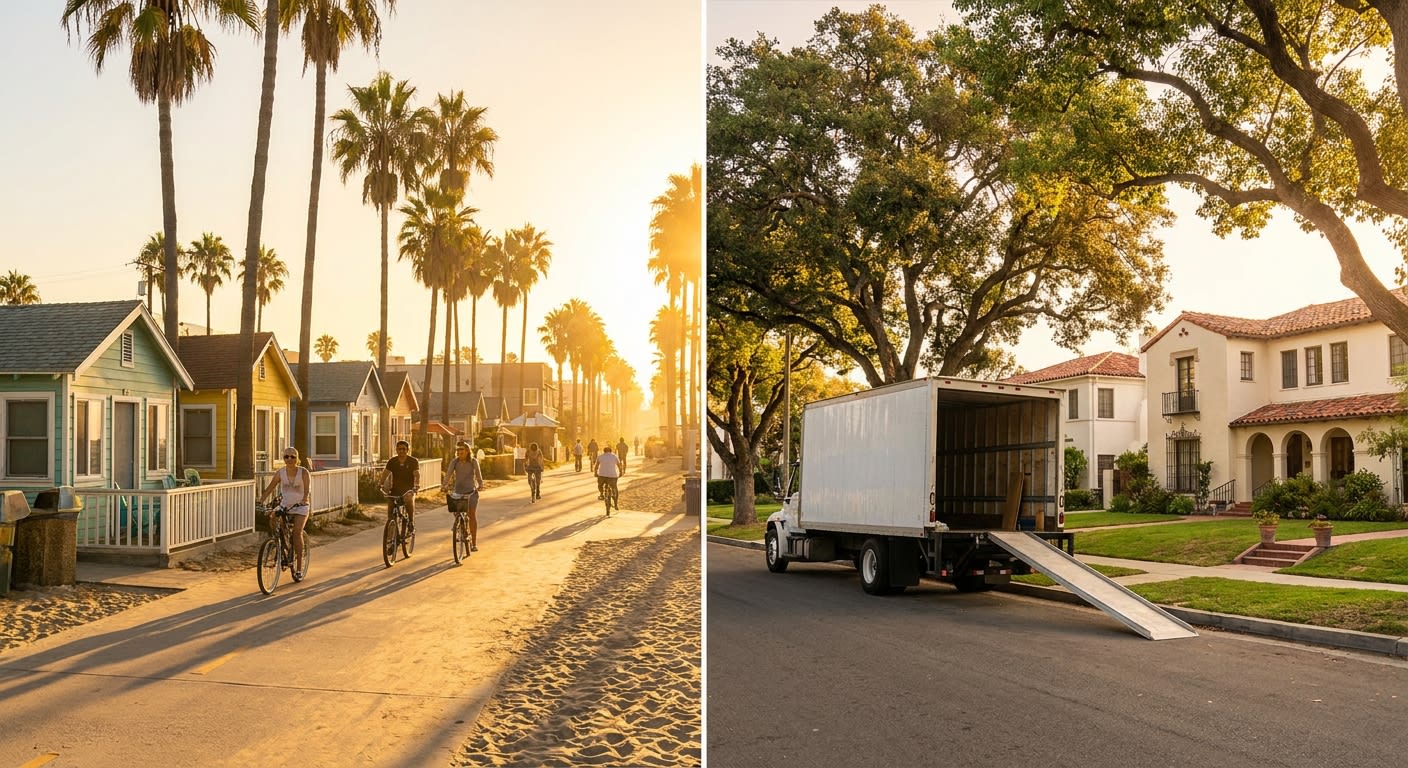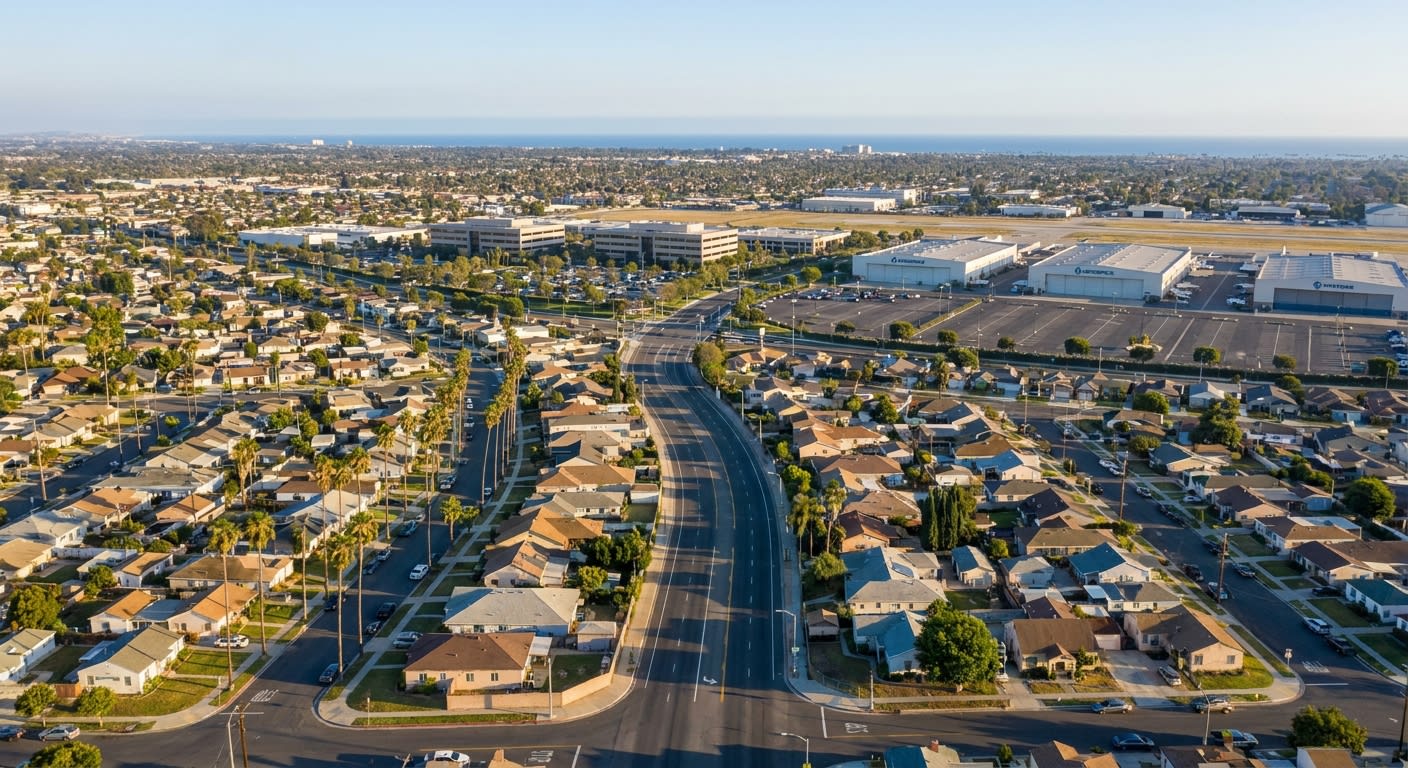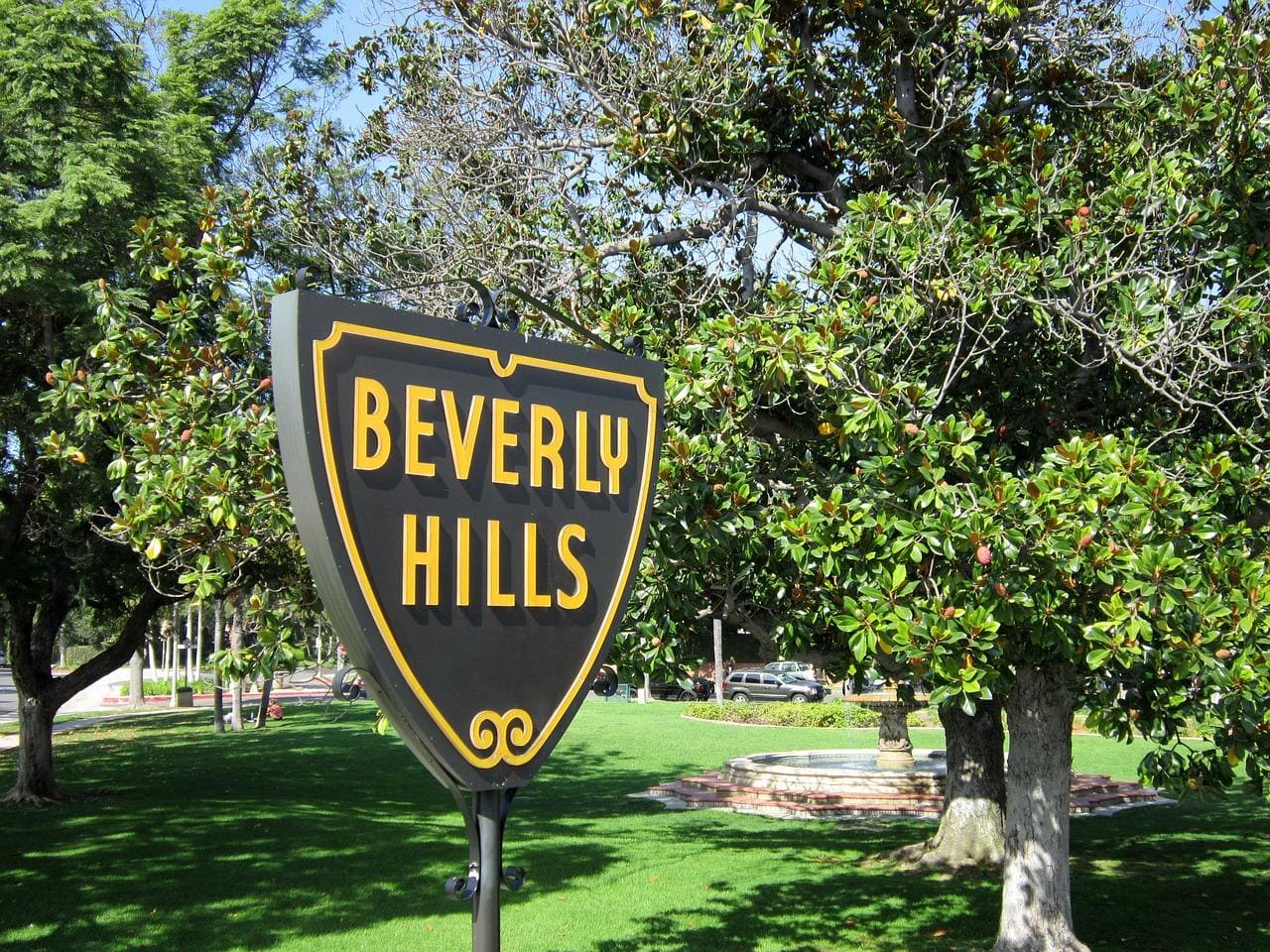


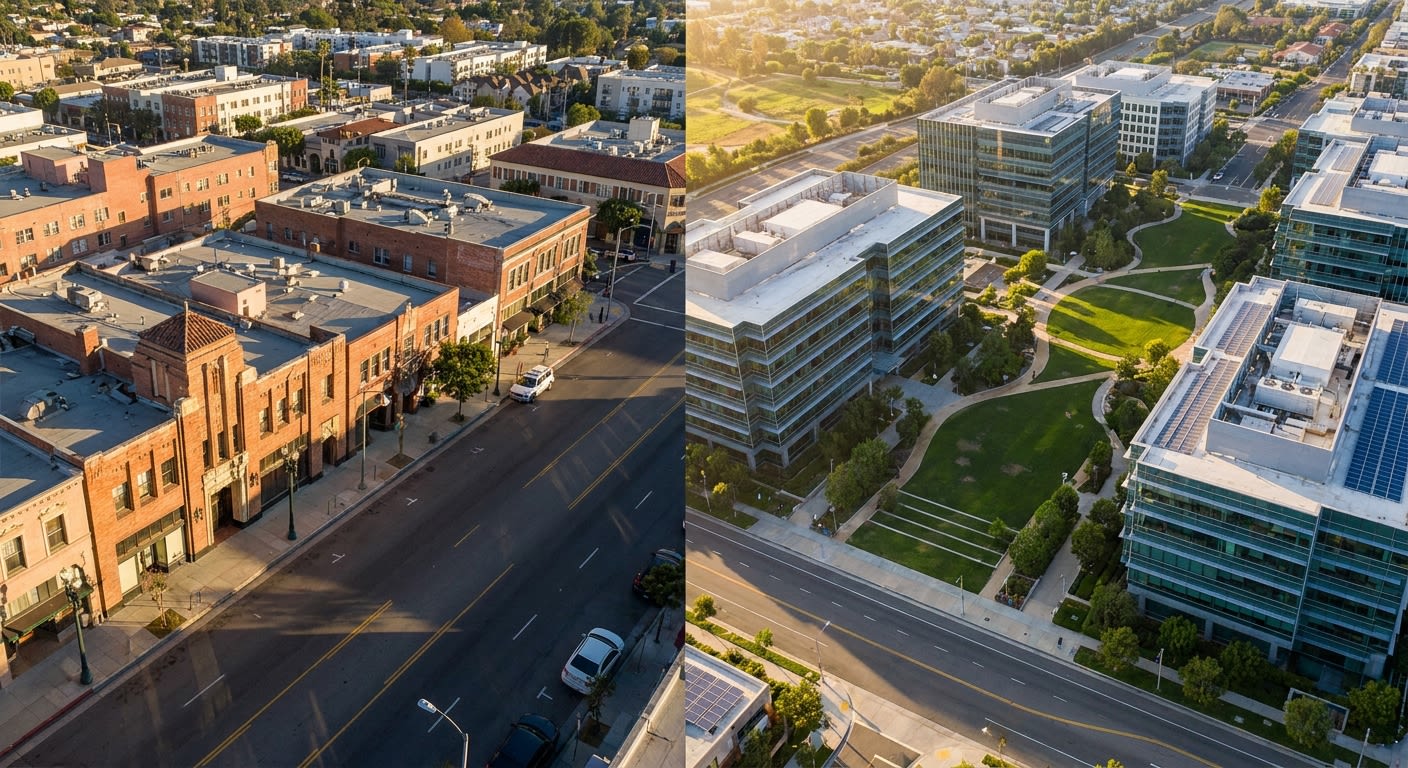
Last Tuesday, I spent two hours on the phone with Jennifer, a UX designer relocating from Austin for a position at a streaming company. She'd narrowed her search to two neighborhoods—Culver City and Playa Vista—and couldn't figure out which one made more sense for her life. "They look so similar on paper," she told me, "but they feel completely different when I visit." By the end of our conversation, she'd made her decision, and I realized this comparison is one I have at least three times a week with clients moving to the Westside.
I'm Sarah, Customer Relations Manager at SOS Moving, and I've helped hundreds of clients navigate this exact decision over the past several years. My job goes beyond coordinating moves—I'm often the person clients call when they're still deciding where to land. I've seen the moving costs, the regrets, the happy endings, and everything in between. Today, I'm breaking down Culver City vs Playa Vista so you can make the right choice the first time.
The Tale of Two Westside Neighbors
These neighborhoods sit just a few miles apart, yet they attract very different people for very different reasons. Culver City has over a century of history, starting as a movie studio town in 1917. Today it's an incorporated city with its own government, police force, and school district. Playa Vista, by contrast, rose from the old Howard Hughes airfield starting in the early 2000s—it's a master-planned community that didn't really exist 25 years ago.
When clients ask me to compare them, I always start with this question: Do you want to live in a place that evolved organically over generations, or one that was designed from scratch with modern amenities built in? Neither answer is wrong, but knowing your preference cuts your decision time in half.
Culver City covers about five square miles and has roughly 40,000 residents as of 2026. Playa Vista is more compact—around 1.5 square miles with approximately 15,000 residents. That density difference affects everything from parking availability to how often you'll see familiar faces at the coffee shop. We send Culver City movers across that line most weeks.
Housing Costs and What Your Money Actually Buys
Let's talk numbers, because this is usually what decides the debate. As of Q1 2026, median rent for a one-bedroom apartment in Culver City runs approximately $2,400 to $2,800 per month. In Playa Vista, you're looking at roughly $2,900 to $3,400 for comparable square footage. That $500-600 monthly difference adds up to $6,000-7,200 per year—real money that could go toward savings or lifestyle.
But here's what the rent numbers don't tell you: Playa Vista apartments tend to be newer construction with modern amenities like in-unit laundry, central air, and building gyms already included. Many Culver City rentals are in older buildings where you might pay separately for parking, have window AC units, and walk to a nearby gym. When I factor in those extras, the actual cost difference narrows considerably.
For buyers, the gap is even more pronounced. Median home prices in Culver City hover around $1.3 million as of early 2026, while Playa Vista townhomes and condos average closer to $1.5 million. Single-family homes in Playa Vista are rare and command premium prices when they hit the market. Culver City offers more variety—from 1920s bungalows to mid-century ranches to new construction—giving buyers options at different price points.
I moved a young attorney last month from a Playa Vista luxury apartment to a 1940s Culver City duplex. She saved $700 monthly on rent and got a backyard, but she gave up the rooftop pool and 24-hour concierge. She told me it was the best trade she'd ever made—but that's her lifestyle. Your math might work differently.
The Commute Reality Check
Both neighborhoods position you well for Westside employment, but your specific commute matters more than generalizations. If you're working in Silicon Beach—meaning companies along Jefferson Boulevard, in Marina del Rey, or in Playa Vista itself—living in Playa Vista is hard to beat. I have clients who walk to work at major tech and media companies. That's not an exaggeration; it's a genuine five-to-fifteen minute walk. Our Playa Vista movers handle plenty of those walk-to-work relocations.
Culver City shines for different employers. Sony Pictures Entertainment, Amazon Studios, and Apple's LA offices sit squarely in Culver City proper. The Culver City Expo Line station connects you to downtown LA in about 35 minutes and Santa Monica in roughly 15 minutes. Playa Vista doesn't have its own Metro station—residents rely on buses or driving to access rail transit.
For LAX access, both neighborhoods perform similarly. You're looking at 15-25 minutes depending on traffic and which terminal you need. I always tell clients heading to the airport to add an extra 30 minutes during rush hour regardless of which neighborhood they choose.
Driving to the Valley? Culver City wins with easier access to the 405 via the 10 freeway interchange. From Playa Vista, you'll likely take Lincoln Boulevard or Sepulveda, both of which crawl during peak hours. One client who commutes to Burbank told me she moved from Playa Vista to Culver City specifically because it shaved 20 minutes off her morning drive.
Neighborhood Character and Daily Life
Here's where Culver City vs Playa Vista becomes less about spreadsheets and more about feelings. Culver City has a downtown—a real, walkable downtown with local businesses, historic architecture, and that lived-in energy that comes from decades of community. Washington Boulevard and Culver Boulevard intersect at the heart of it, lined with restaurants, bars, and shops that turn over slowly because people actually love them.
The Kirk Douglas Theatre brings legitimate stage productions. The Culver Hotel—where Munchkin actors stayed during Wizard of Oz filming—still operates as a boutique hotel with a popular bar. Culver City's farmers market runs on Tuesdays, and you'll see the same vendors and regulars week after week.

🏠 Considering a move to Culver City or Playa Vista? Our apartment moving team specializes in Westside relocations with crews who know both neighborhoods inside and out. Call (909) 443-0004 or request your free estimate today.
Playa Vista feels different—intentionally designed, immaculately maintained, and centered around The Runway, an outdoor shopping and dining complex that serves as the community's gathering point. It's clean, convenient, and has that new-development polish that appeals to people who want predictability. The Concert Park hosts free outdoor performances, and the community center offers organized activities that help newcomers connect quickly.
What you won't find in Playa Vista: dive bars, grungy music venues, or buildings with character earned through age. What you will find: reliable amenities, dog-friendly green spaces, and a community where most residents moved in within the last decade. Some people find that refreshing; others find it sterile. I've learned never to judge—I've moved happy clients in both directions.
Family Considerations: Schools, Parks, and Kid-Friendliness
If you've got children or plan to, this section matters most. Culver City Unified School District operates independently from LAUSD, and that distinction carries weight. As of 2026, several Culver City schools earn above-average ratings, and the district's smaller size means more responsive administration. Parents I've moved tell me they chose Culver City specifically for the school district.
Playa Vista falls within LAUSD boundaries, feeding into schools like Playa Vista Elementary—a newer campus that benefits from the area's demographics and involved parent community. Test scores and ratings tend to run strong for this attendance area, but you're still dealing with LAUSD's broader bureaucracy. For middle and high school, Playa Vista students typically attend Westchester-area schools.
Park access differs meaningfully. Culver City has Veterans Memorial Park, Culver City Park (with sports fields and tennis courts), and numerous smaller neighborhood green spaces scattered throughout. Playa Vista features the Central Park Bandshell area and several connected walking paths, but everything feels more planned—great for strollers and joggers, less spontaneous in character.
The Ballona Wetlands border Playa Vista, offering nature education opportunities and trails, though development debates have made the area politically charged. Still, it's unique natural access you won't find in Culver City's more urban environment.
Dining, Nightlife, and the Social Scene
Culver City's dining scene has exploded over the past decade. You've got everything from James Beard-nominated restaurants to taco trucks parked on side streets. Washington Boulevard west of downtown has become a destination strip with restaurants that draw people from across LA. Culver City also has bars—actual bars with character, late hours, and the kind of regulars who become friends.
Playa Vista's dining concentrates around The Runway. You'll find quality options—good coffee shops, reliable lunch spots, upscale casual dinner places—but the variety can't match Culver City's organic evolution. When Playa Vista residents want a special night out, many head to Culver City, Venice, or Santa Monica.
The social dynamics differ by age bracket too. Young professionals in Playa Vista tend to socialize through work connections since so many employers cluster nearby. Culver City's scene is more mixed—artists, industry veterans, young families, longtime residents—creating a different energy at neighborhood spots.
As I discussed in my article about the best LA neighborhoods for young professionals in 2026, your social needs should weigh heavily in neighborhood selection. A 25-year-old single tech worker and a 35-year-old married creative director might make opposite choices even with similar incomes.
Safety, Maintenance, and Quality of Life Details
Playa Vista's master-planned nature means consistent maintenance, regular security patrols, and an HOA structure that keeps everything looking sharp. Common areas stay clean. Landscaping stays trimmed. Noise complaints get addressed. If predictability and order top your priority list, Playa Vista delivers.
Culver City varies by specific block and building. The incorporated city provides its own police department (not LAPD), and crime statistics run lower than most of LA—but you'll still encounter typical urban issues like car break-ins in certain areas, occasional homeless encampments, and noise variation depending on proximity to commercial strips.
One detail clients rarely consider until moving day: parking. Playa Vista apartments typically include assigned garage spots, and street parking exists for guests. Culver City's older neighborhoods often mean street parking battles, permit zones, and walking a block or two from your car. I've coordinated moves where the parking situation alone determined final neighborhood choice.
Settling In: Your First Month in Either Neighborhood
Whether you choose Culver City or Playa Vista, your first month sets the tone for how quickly the neighborhood feels like home. Here's what I tell every client after their boxes are unpacked:
For Culver City newcomers, hit the Tuesday farmers market on Main Street within your first two weeks. It's the fastest way to feel connected to the community rhythm. Grab coffee at Cognoscenti or Civil Coffee—whichever is closer to your new place—and become a regular. Walk downtown on a weekend evening and discover which restaurants call to you. The Culver City Art Walk (usually the second Saturday of each month) introduces you to the local creative community without pressure.
For Playa Vista arrivals, The Runway becomes your hub whether you want it to or not—embrace it. Sign up for a fitness class at one of the studios if that's your thing, because Playa Vista's social scene runs through organized activities. Download the Playa Vista community app to catch event notifications. Take a morning walk through the wetlands adjacent to the neighborhood at least once; it's surprisingly peaceful. Check the concert park schedule and show up early with a blanket.
Both neighborhoods have permit parking quirks, so call Culver City Parking Services or your HOA within the first week to understand the rules before you accumulate tickets. And introduce yourself to immediate neighbors quickly—in my experience, the first-month connections predict long-term happiness more than any amenity list.
Moving Cost Differences Between the Two Neighborhoods
Here's something most comparison guides skip: the actual move might cost differently depending on your choice. Playa Vista's newer construction means elevators, wide hallways, dedicated loading docks, and often reserved moving time slots that keep logistics smooth. I've seen crews complete Playa Vista apartment moves 20-30% faster than comparable-size Culver City moves in older buildings.
Culver City's diversity of housing stock introduces variables. That charming 1940s bungalow might have narrow doorways requiring furniture disassembly. The third-floor walk-up in an older building means stair carries. Street parking for the moving truck requires permits and sometimes strategic double-parking with a spotter. My colleague William covers these operational realities in his piece about apartment moving challenges.
At SOS Moving, we're licensed and insured for full-service moving and storage, from $119/hour, and we've handled thousands of local and long-distance relocations. Both neighborhoods fall squarely in our regular service area, and my team can give you an accurate quote based on your specific building conditions.
Which Neighborhood Actually Wins?
I've been asked this question hundreds of times, and my honest answer remains: it depends on what you're optimizing for. Let me give you the clearest framework I've developed after years of these conversations.
Choose Culver City if you: value neighborhood character and history; want dining and nightlife variety within walking distance; prioritize the school district; prefer owning over renting long-term; enjoy a mixed community with diverse ages and backgrounds; need Metro rail access; or want more housing variety at different price points.
Choose Playa Vista if you: work for a Silicon Beach employer and want to walk or bike commute; prefer newer construction with modern amenities; value planned community consistency and maintenance; want built-in social infrastructure for meeting neighbors; prioritize parking convenience; or moved to LA recently and want a lower-friction adjustment period.
The tie-breaker for most clients? Visit both neighborhoods on a Saturday afternoon and a Tuesday evening. Walk around without an agenda. Notice which one makes you feel something. That gut response predicts satisfaction better than any cost-benefit analysis I could run.
Frequently Asked Questions
Is Culver City actually safer than Playa Vista?
Crime statistics for both neighborhoods run well below LA averages as of 2026. Culver City has its own police department with faster response times than LAPD-served areas. Playa Vista benefits from private security patrols and controlled access in many buildings. For practical daily safety, both are solid choices—your specific street and building matter more than neighborhood-level comparisons.
Can I afford Culver City on a tech salary?
Most tech professionals earning $120,000 or more can comfortably afford Culver City rentals. If you're targeting home ownership, dual-income households or higher individual salaries become necessary given current prices. I'd recommend allocating no more than 30% of gross income to housing and working backward from there to determine your realistic budget.
How family-friendly is Playa Vista compared to Culver City?
Playa Vista offers excellent amenities for young children—safe walking paths, organized activities, and a contained environment. Culver City provides stronger public school options and a more organic neighborhood feel with kids playing in front yards. Families with teenagers often prefer Culver City's variety of activities and independence it allows.
Which neighborhood has better access to the beach?
Playa Vista edges closer to the coast, sitting about 2 miles from Playa del Rey beach. Culver City requires a slightly longer drive or bike ride—roughly 4-5 miles to Venice Beach. Neither qualifies as beachfront living, but Playa Vista's proximity gives it the advantage if coastal access matters significantly to you.
What's the nightlife like in each neighborhood?
Culver City has genuine nightlife with bars open late, live music venues, and the kind of spontaneous evening energy that comes from organic neighborhood development. Playa Vista's evening scene is quieter—restaurants close earlier, and most socializing happens at organized events or in private homes. If you want to walk to a bar at 11 PM, Culver City is your answer.
How do rental application processes differ?
Playa Vista's corporate-managed buildings typically require credit scores of 700+, verifiable income at 2.5-3x monthly rent, and standard application fees. Culver City varies widely—private landlords might be more flexible on credit history, while newer buildings match Playa Vista's standards. Budget $50-100 for application fees in either neighborhood.
Ready to Make Your Move?
Ready to relocate to Culver City or Playa Vista? SOS Moving serves Los Angeles, Orange County, and San Francisco Bay Area with licensed and insured full-service moving and storage. Call (909) 443-0004, email info@sosmovingla.net, or get your free quote online. We've got a 4.9/5 Google rating with over 2,500 reviews because we take the stress out of moving day.