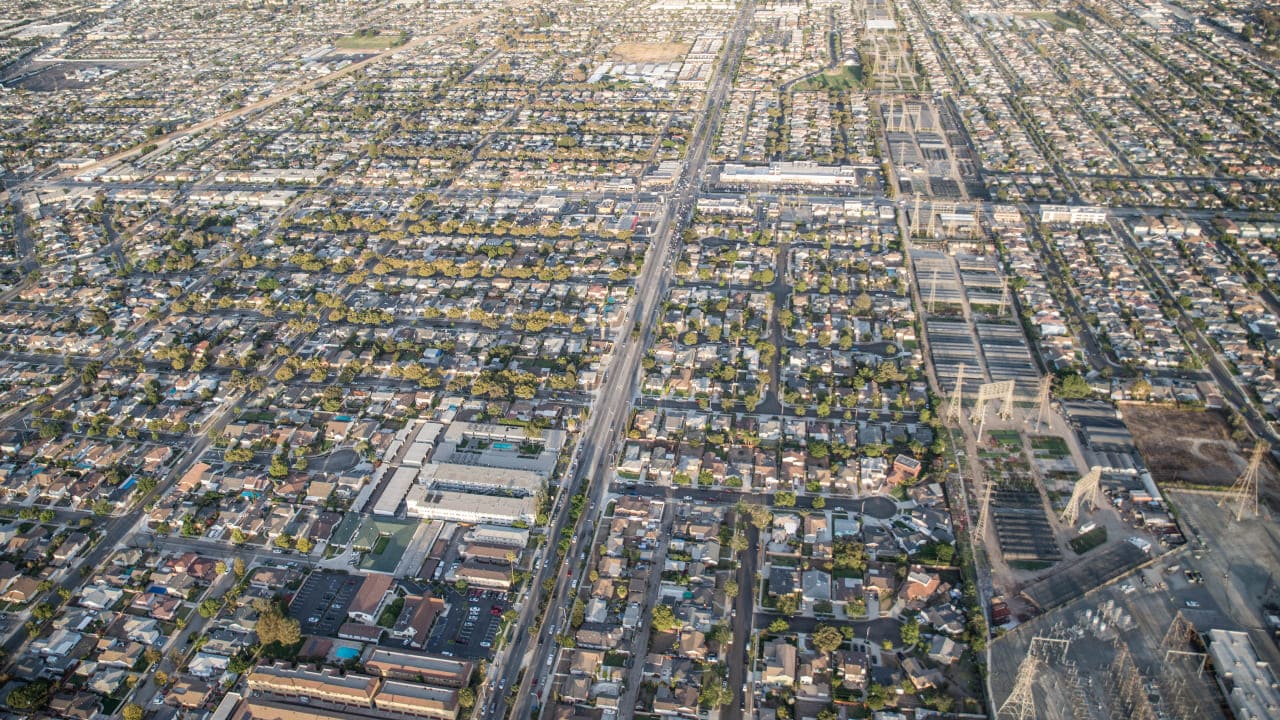


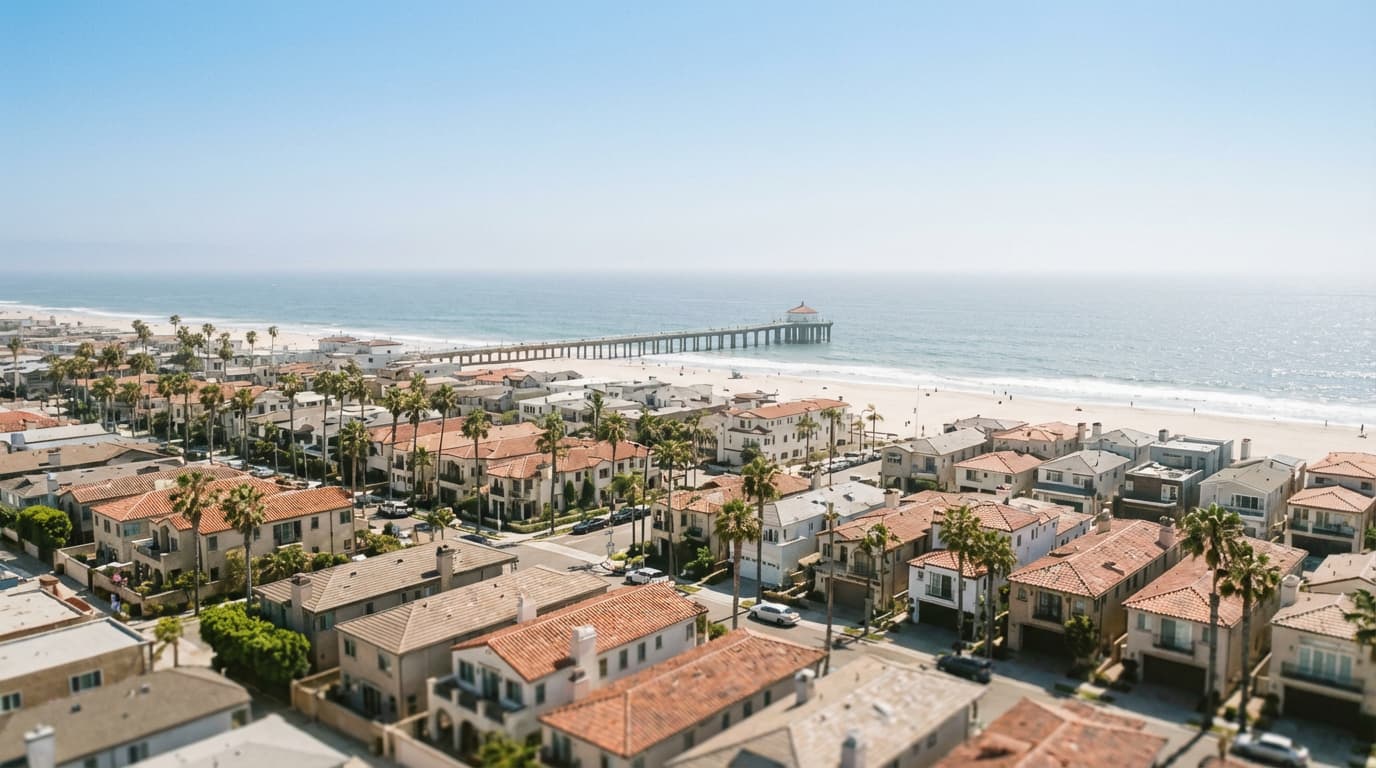
Manhattan Beach is the neighborhood that families move to when they want the beach lifestyle without sacrificing school quality, safety, or the kind of quiet streets where kids still ride bikes after dinner. The 3.9 square miles packed between the Pacific Ocean and the 405 freeway consistently rank among the most desirable family communities in all of Southern California — and the price tags reflect it. Median home prices push past $3 million, rentals start around $4,000 for anything larger than a studio, and the competition for housing is fierce enough that families relocate from across the country specifically for the combination of sand, schools, and suburban calm.
At SOS Moving, I've led crews through Manhattan Beach's streets dozens of times, and the community has a moving personality that's distinct from the rest of the South Bay. The lots are narrow, the streets are tighter than they look, and the parking enforcement is aggressive. But the trade-off is a community where neighbors actually know each other, the walk to the beach takes five minutes, and the school district performs at a level that justifies the premium you're paying to live here. Permits get filed before our Manhattan Beach movers arrive.
Manhattan Beach Layout and Moving Logistics
Manhattan Beach is organized into several distinct sections, and where you land within the city determines the logistics of your move.
The Hill Section sits east of Sepulveda Boulevard on elevated terrain with panoramic ocean views. Homes here are the largest and most expensive in the city — many exceeding 4,000 square feet on lots that stretch up steep hillside streets. Moving to the Hill Section means navigating inclines that affect truck parking, loading angles, and crew fatigue. A heavy dresser that takes two minutes to carry on flat ground takes five minutes on a thirty-degree incline. Our crews factor the grade into time estimates for Hill Section moves.
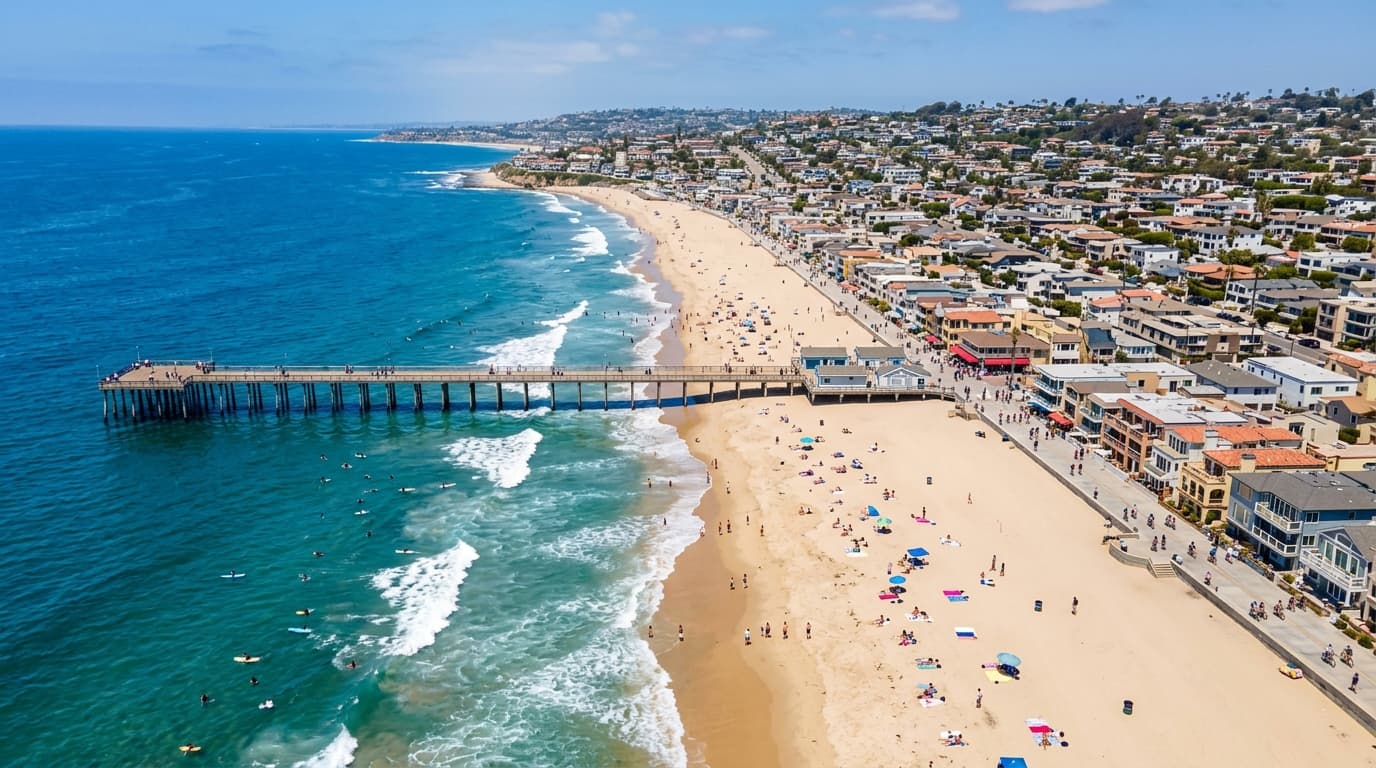
The Sand Section covers the area west of Manhattan Avenue down to the beach. Streets are narrow, lots are tight, and many homes are accessed through alleys rather than front-facing streets. A full-size 26-foot moving truck doesn't fit in most Sand Section alleys — we use smaller trucks or shuttle loads from a staging point on a wider street. This adds time but prevents the logistical nightmare of a stuck truck blocking an alley with twenty residents waiting behind it.
The Tree Section, named for streets named after trees — Elm, Oak, Laurel, and others — sits in the central part of the city and represents the most accessible area for moving trucks. Streets are wider, homes are typically ranch-style or two-story on standard lots, and most properties have driveways that accommodate a truck. The Tree Section is where the majority of family moves happen, and it's the most straightforward part of Manhattan Beach from a moving logistics standpoint.
East Manhattan Beach sits between Sepulveda and the 405 freeway. Homes here are more affordable by Manhattan Beach standards — though still premium by any other measure — and the streets are designed with more space for vehicles. Moving logistics in East Manhattan are similar to standard suburban LA moves, with the exception of freeway noise that makes the neighborhood less desirable for families prioritizing quiet streets.
Parking and Street Access
Manhattan Beach parking enforcement is among the strictest in the South Bay, and moving day is not exempt from the rules.
The city requires a temporary no-parking permit for moving trucks occupying street space. Apply through the Manhattan Beach Public Works Department at least five business days before your move. The permit reserves a specific section of curb for your truck and allows the city to post temporary no-parking signs. Without the permit, your truck parks wherever space exists — which on many Manhattan Beach streets means several houses away from your home.
Street sweeping schedules create additional parking constraints. Manhattan Beach sweeps on a rotating schedule, and vehicles parked during sweeping hours receive tickets immediately. Verify the sweeping schedule for both your old and new addresses so your truck isn't sitting in a soon-to-be-swept zone during unloading.
The Sand Section has specific restrictions on large vehicle access. Some streets near the Strand are too narrow for trucks exceeding a certain width, and the city enforces these restrictions. Confirm with your moving company which truck size works for your specific address — at SOS Moving, we check every Manhattan Beach address against our truck fleet dimensions before confirming the booking.
Alley access in the Sand Section requires coordination with neighbors whose garages share the same alley. A moving truck blocking an alley for four hours prevents every neighbor from accessing their garage. A courtesy notification to adjacent homes — either in person or with a note — goes a long way toward maintaining the neighborly goodwill that makes Manhattan Beach the community it is.
Schools and Family Infrastructure
The Manhattan Beach Unified School District is the primary reason families pay the premium to live here, and it's worth understanding the specifics if children are driving your decision to move.
The district consistently ranks among the top ten public school districts in California. Mira Costa High School, the sole public high school serving Manhattan Beach, regularly appears in national rankings for academic performance, college placement, and extracurricular programs. The elementary schools — Grand View, Meadows, Pennekamp, Robinson, and Pacific — are all highly rated and serve distinct geographic areas within the city.
School enrollment is tied to your residential address, and the specific elementary school your child attends depends on which attendance boundary your home falls within. This means the difference between two homes four blocks apart can determine your child's school assignment. Families who prioritize a specific elementary school should verify attendance boundaries before signing a lease or purchase agreement — not after.
Beyond public schools, Manhattan Beach supports a robust network of youth sports, beach programs, and community activities. Little League, AYSO soccer, beach volleyball leagues, and the Manhattan Beach Parks and Recreation programs fill the after-school hours for most families. The community infrastructure is designed around the assumption that families with children are the primary residents — which makes the transition easier for families arriving from outside the area.
What Manhattan Beach Costs
The financial reality of Manhattan Beach requires clear-eyed planning, especially for families relocating from more affordable markets.
Home purchase prices range from $2 million for smaller properties in East Manhattan Beach to $10 million and beyond for Sand Section homes with ocean views. The median sits around $3.2 million, making Manhattan Beach one of the most expensive residential markets in the entire Los Angeles metro area.
Rental options are limited but available. A three-bedroom house rents for $5,000 to $8,000 per month depending on location and proximity to the beach. Two-bedroom apartments and condos range from $3,500 to $5,500. These prices are significantly higher than neighboring Hermosa Beach and Redondo Beach, where comparable properties run 15 to 25 percent less.
Property taxes in Manhattan Beach follow California's Proposition 13 framework — roughly 1.1 to 1.2 percent of the assessed purchase price. On a $3 million home, that's $33,000 to $36,000 annually. Mello-Roos taxes in some newer developments add an additional assessment that varies by tract.
The trade-off calculus that most families run is straightforward: Manhattan Beach costs significantly more than comparable suburban communities, but the combination of beach access, school quality, safety, and community character is difficult to replicate elsewhere without compromise. Families who move here typically feel the premium is justified — and the resale values over the past two decades suggest the market agrees.
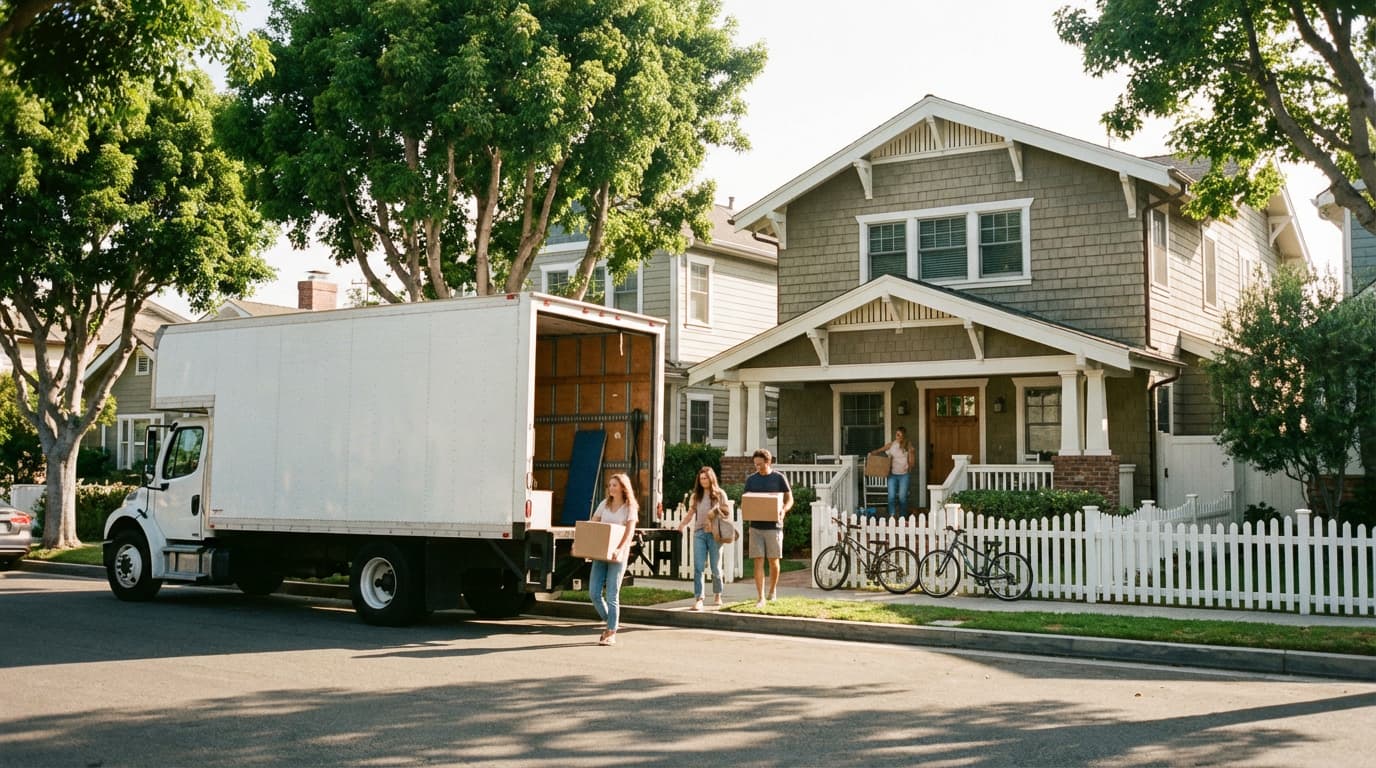
Moving your family to Manhattan Beach? SOS Moving knows every street, alley, and parking restriction in the Sand Section, Hill Section, and Tree Section. We handle the logistics so you focus on choosing your elementary school. Call 909-443-0004 or get your free estimate.
Living in Manhattan Beach: Daily Reality
The daily experience of living in Manhattan Beach differs from the weekend-visitor impression in ways that affect how you set up your new home and plan your routine.
The Strand — the paved beachfront path running from Hermosa to El Segundo — is the community's living room. Families walk, bike, jog, and socialize along the Strand morning and evening. Living within walking distance of the Strand is both a lifestyle perk and a parking consideration. Strand-adjacent homes see overflow foot traffic, and the walk streets near the beach attract visitors who park in residential areas.
Downtown Manhattan Beach along Manhattan Beach Boulevard offers a small but high-quality selection of restaurants, shops, and cafes. The dining scene punches above its weight for a community this size — from upscale seafood to casual poke and coffee shops. Grocery options include a Trader Joe's and a Vons, with a Whole Foods in neighboring Redondo Beach for additional selection.
The commute from Manhattan Beach to major LA employment centers is manageable but not short. Downtown LA is roughly 45 to 60 minutes during rush hour via the 405 and 110. Santa Monica is 30 to 45 minutes. The Aerospace Corridor in El Segundo — home to major employers like Raytheon, Northrop Grumman, and dozens of tech companies — is a ten-minute drive, which is one reason Manhattan Beach attracts so many families in the defense and tech sectors.
Weather in Manhattan Beach is moderated by the marine layer. Summer mornings often start overcast — locals call it "June Gloom" even though it extends through July — burning off by noon to reveal clear skies and temperatures in the mid-70s. The moderating effect keeps Manhattan Beach ten to fifteen degrees cooler than inland Valley neighborhoods during summer heat waves, which is a genuine quality-of-life factor for families accustomed to Sherman Oaks or Encino summer temperatures.
Manhattan Beach vs Other South Bay Communities
Choosing Manhattan Beach over its South Bay neighbors is a decision that involves trade-offs worth understanding before you commit.
Hermosa Beach sits immediately south and offers a younger, more social atmosphere centered around the downtown bar and restaurant scene. Rents and home prices are 15 to 25 percent lower than Manhattan Beach for comparable proximity to the sand. The trade-off is school quality — Hermosa Beach feeds into the Beach Cities school district which is excellent but not quite at Manhattan Beach Unified's level. Families with young children often start in Hermosa and move to Manhattan Beach before elementary school.
Redondo Beach wraps around the south and east of Manhattan Beach with significantly more housing inventory at lower price points. The Redondo Union High School District is solid, and the harbor area provides a different coastal character than the open beach. For families who want South Bay living without Manhattan Beach's premium, Redondo offers the strongest value proposition.
El Segundo borders Manhattan Beach to the north and has emerged as a popular alternative for families priced out of Manhattan Beach proper. Home prices are 30 to 40 percent lower, the school district is strong, and the walkable downtown has developed rapidly in recent years. The main trade-off is beach proximity — El Segundo is technically on the coast but doesn't have the same beach-community character as Manhattan Beach.
The South Bay moving guide covers the broader regional comparison if you're still weighing your options between these communities.
Frequently Asked Questions
How much does it cost to move to Manhattan Beach? A local move from within the South Bay or LA typically costs $500 to $1,500 depending on home size and crew needed. Moves from the Valley or greater LA area run $800 to $2,000 due to distance and traffic. Sand Section moves may cost more due to small-truck logistics and alley access.
Do I need a moving permit in Manhattan Beach? Yes. Manhattan Beach requires a temporary no-parking permit for moving trucks occupying street space. Apply through the Public Works Department at least five business days before your move. The permit is separate from the LA DOT system since Manhattan Beach is an independent city.
Can a full-size moving truck access the Sand Section? Most Sand Section streets accommodate standard trucks, but many alleys do not. Your moving company should verify access for your specific address before moving day. Smaller trucks or shuttle loading may be required for alley-access properties.
What's the best day to move in Manhattan Beach? Tuesday through Thursday avoids weekend beach traffic and provides the best parking availability. Summer weekends are particularly congested with beach visitors who park in residential areas. Morning start times before 9 AM also help with parking.
Is Manhattan Beach worth the premium over Hermosa or Redondo? For families prioritizing school quality, the answer is typically yes — Manhattan Beach Unified consistently outperforms neighboring districts. For young professionals or couples without children, Hermosa or Redondo offer comparable beach access at significantly lower cost.
Get Started with Your Manhattan Beach Move
SOS Moving handles Manhattan Beach relocations weekly — from Sand Section alley moves to Hill Section homes with ocean views. We verify truck access, coordinate permits, and bring crews who know the community's unique logistics. Call 909-443-0004 or request your free estimate for a smooth move into one of the best family communities in Southern California.

.jpg)