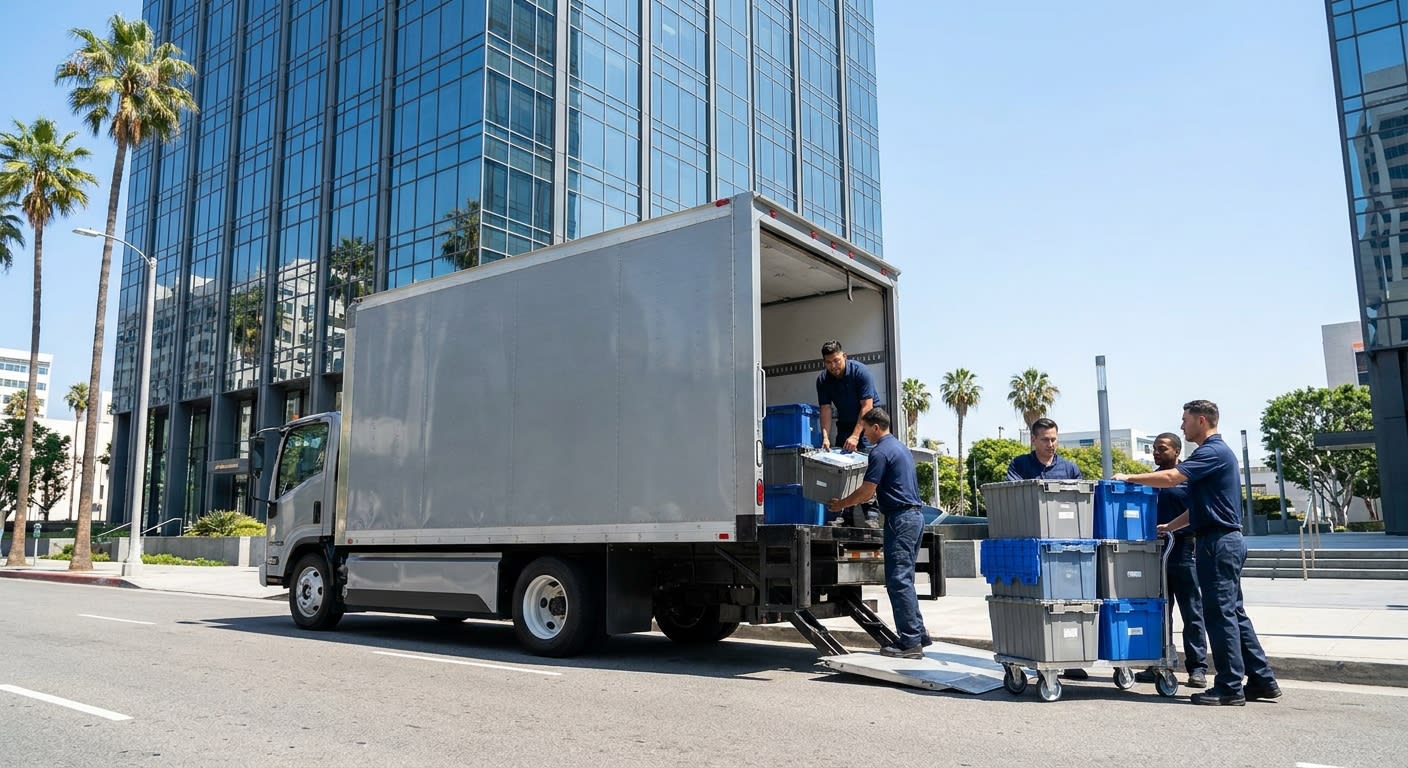


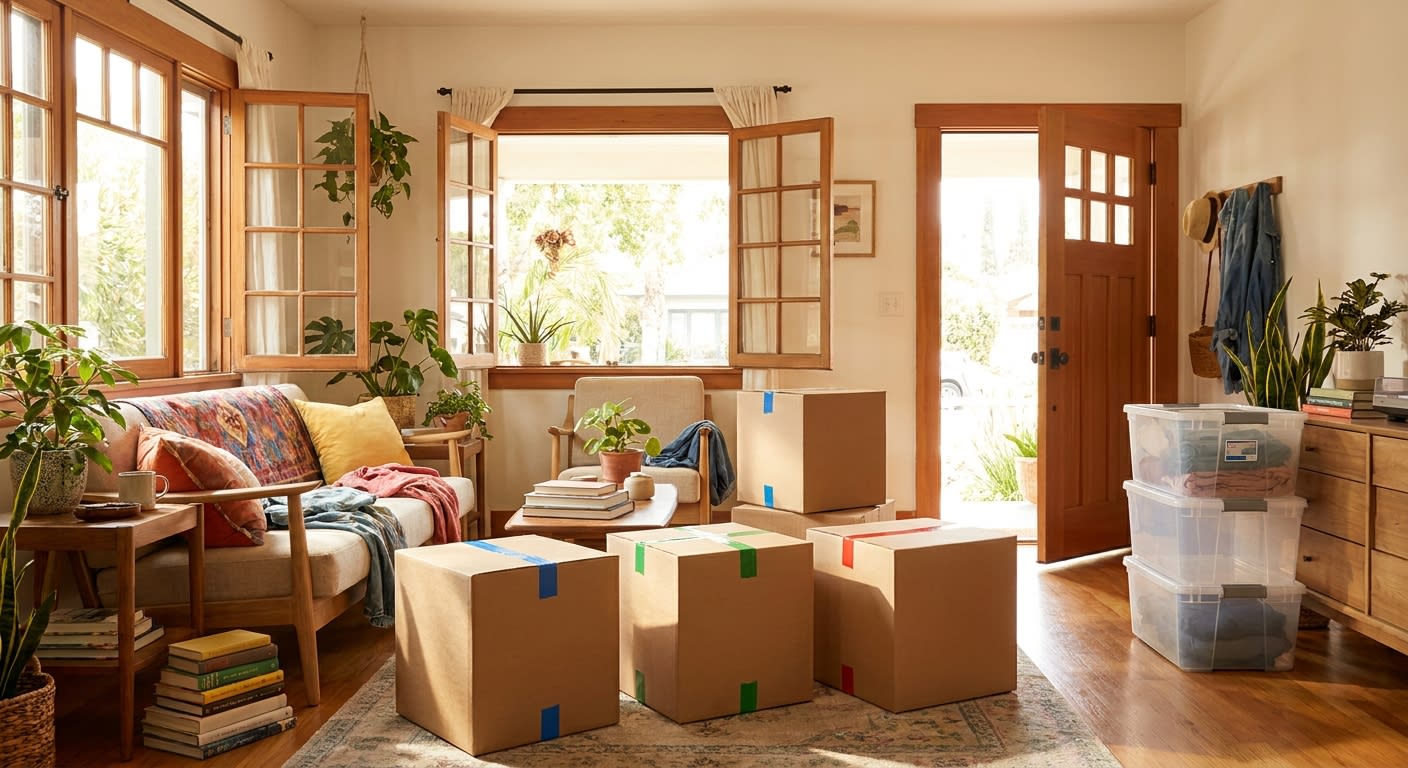
Last spring I helped a family in Mar Vista downsize from a 4-bedroom Craftsman to a 2-bedroom in Echo Park, and on the first walkthrough I counted three garage corners stacked with stuff they hadn't touched since 2014 — old camping gear, a broken treadmill, eight boxes of textbooks, and a dehumidifier that no longer worked. We could've just loaded all of it onto a truck and charged them by the hour. Instead, I spent an afternoon with the homeowner mapping a donation, resale, and recycling plan that cut their move volume by roughly 30% and kept about 600 pounds of usable goods out of the landfill. They saved real money on the move, and the new place wasn't crammed with junk from day one.
I'm Alex Park, CEO and Founder of SOS Moving, and the eco-conscious side of moving is something I genuinely care about. When you declutter before moving eco-friendly LA style, you're not just lightening the truck — you're choosing where your old life ends up. Let me walk you through how I tell my clients to do this in 2026.
Why Decluttering First Saves You More Than Money
Every move I quote in Los Angeles is priced primarily on time and crew size. The more boxes, the more hours, the more truck space. A typical 3-bedroom home in LA can easily hide 1,500 to 2,500 pounds of stuff the owner doesn't actually want — old furniture in the garage, broken electronics in a closet, kitchen gadgets that haven't seen counter space since 2019. When I tell clients to spend two weekends purging before move day, I'm not making more work for them. I'm saving them roughly $400 to $900 in moving labor and another $150 to $300 in boxes and packing materials.
But the environmental math is bigger. According to current 2026 estimates from waste-management groups I follow, about 15-20% of residential move volume in LA ends up tossed within the first 90 days at the new place anyway. That's couches at the curb, mattresses in alleys, and electronics in the trash. If you sort it before the move, you control the destination. You can donate, resell, recycle properly, or schedule a junk hauler who actually diverts material instead of dumping it. The truck that pulls up to your house should carry the things you'll genuinely use — not your guilt.
The 4-Pile System I Use With Every Client
When I walk a home before a move, I tell the client to think in four piles, not two. The old "keep or toss" model is what fills landfills. Here's what works:
Keep. Stuff that earns its space in the new place. If it's been in a box for two years without being opened, it doesn't qualify.
Donate or gift. Functional items that someone else can use immediately. Clothes in good shape, small appliances that work, books, kid gear, kitchen items, art supplies. In LA we have strong donation pipelines — Goodwill SoCal, Salvation Army, Out of the Closet, Habitat for Humanity ReStore in Bell, and dozens of smaller neighborhood-based groups.
Resell. Anything with meaningful value — furniture under five years old, electronics that still hold a charge, designer goods, exercise equipment. OfferUp, Facebook Marketplace, and consignment shops along Sawtelle and on Larchmont still move inventory fast in LA.
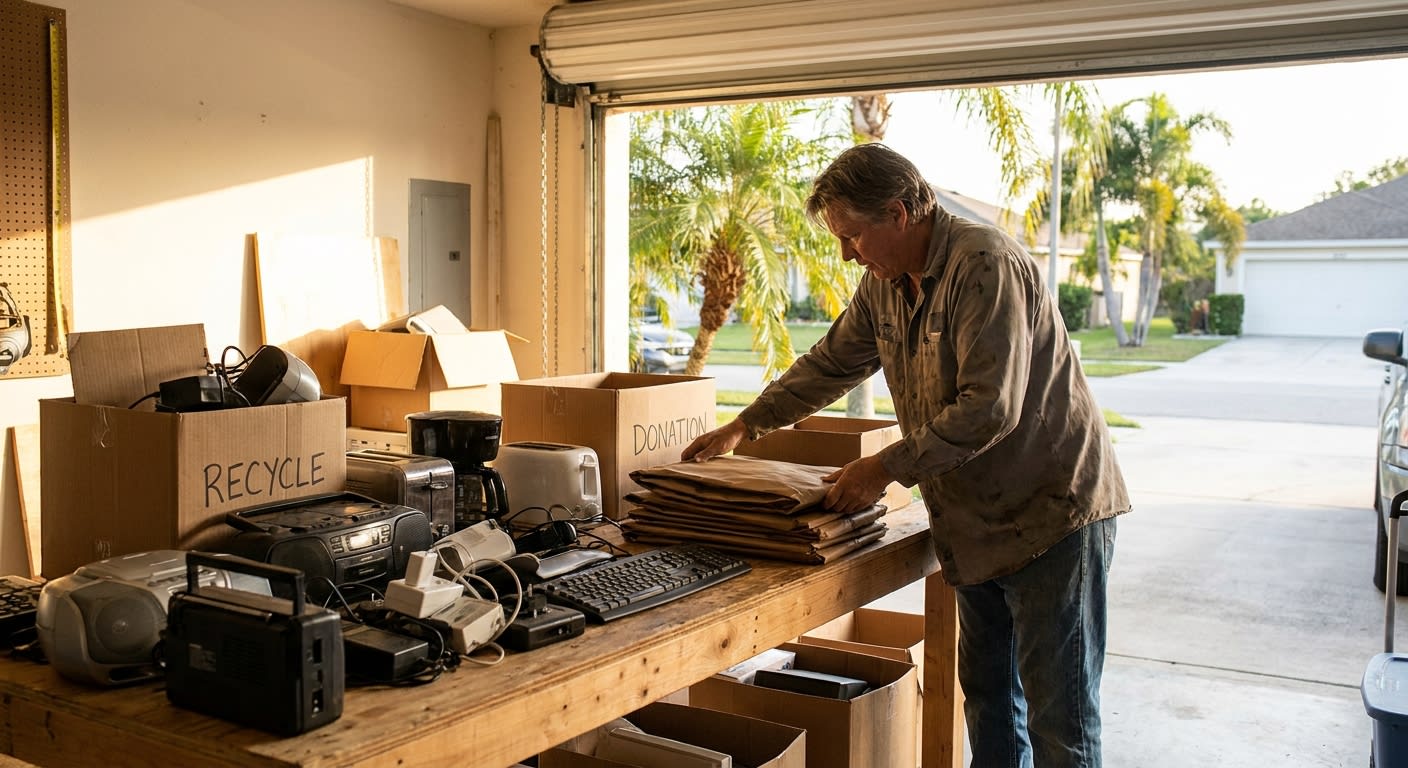
Recycle or specialty dispose. Mattresses, electronics, paint, batteries, tires, expired chemicals. These have specific routes in LA County and most cannot legally go in your blue bin. I'll cover those next.
Where to Donate in LA Without the Guilt of "Just Dumping It"
I'm picky about where I send my clients' donations because not every charity accepts what people assume they do. As of 2026, here's the short list I trust for big-volume drop-offs and pickups in the LA area:
Habitat for Humanity ReStore takes furniture, appliances in working condition, building materials, and home goods — they'll often schedule a free pickup for larger items if you live within their service zone. Goodwill Southern California has dozens of drop-off locations from Long Beach to the San Fernando Valley and accepts clothing, housewares, books, and small electronics. Out of the Closet on Sunset and a few other locations supports AIDS Healthcare Foundation and takes clothes and household goods. The Salvation Army Family Stores will pick up larger furniture if you book a slot a week or two ahead — peak moving months (May, June, August) book out fast.
For specialized items: Baby2Baby takes kids' clothes and gear, Dress for Success accepts professional clothing, and your local library will usually take book donations or point you to a Friends of the Library sale. The trick is to call ahead. Donation centers turn away truckloads every day because items are stained, broken, or just not their category.
♻️ Doing a big purge before move day? My packing services team can sort, pack, and label your keepers in one efficient pass while you focus on donation runs. Call (909) 443-0004 for a free walkthrough.
E-Waste, Mattresses, and Hazardous Materials — the LA Rules
This is where people get tripped up. California has some of the strictest rules in the country on what you can't put in regular trash, and LA enforces them. Old TVs, monitors, computers, printers, batteries, fluorescent bulbs, and most small electronics are classified as e-waste and have to go to a certified recycler. LA County runs free SAFE Collection Centers and rotating weekend events where you can drop off e-waste and household hazardous waste at no charge — paint, motor oil, pesticides, cleaning chemicals, propane tanks.
Mattresses are handled through the Bye Bye Mattress program, which is funded by a recycling fee already built into every mattress you've purchased in California. You can drop off old mattresses for free at participating recyclers across LA, or schedule a pickup through a licensed bulky-item hauler. The City of LA also offers free bulky-item pickup for residents through the Bureau of Sanitation — but they ask you not to put mattresses out unless they're scheduled.
One important note: my crews are fully licensed and insured, but professional movers cannot transport hazardous materials. Propane tanks, paint, gasoline, pool chemicals, ammunition, and most aerosols all have to be dealt with before move day. I've had clients try to sneak a half-full paint can into a wardrobe box — please don't. It's a real safety issue and federal regulations prohibit it on interstate moves.
Reusable Packing Materials Beat Single-Use Every Time
Packing is where the eco-friendly side of moving gets practical. The traditional move generates a startling amount of cardboard and plastic that mostly gets used once and tossed. There's a better way, and the cost difference in 2026 is honestly minor.
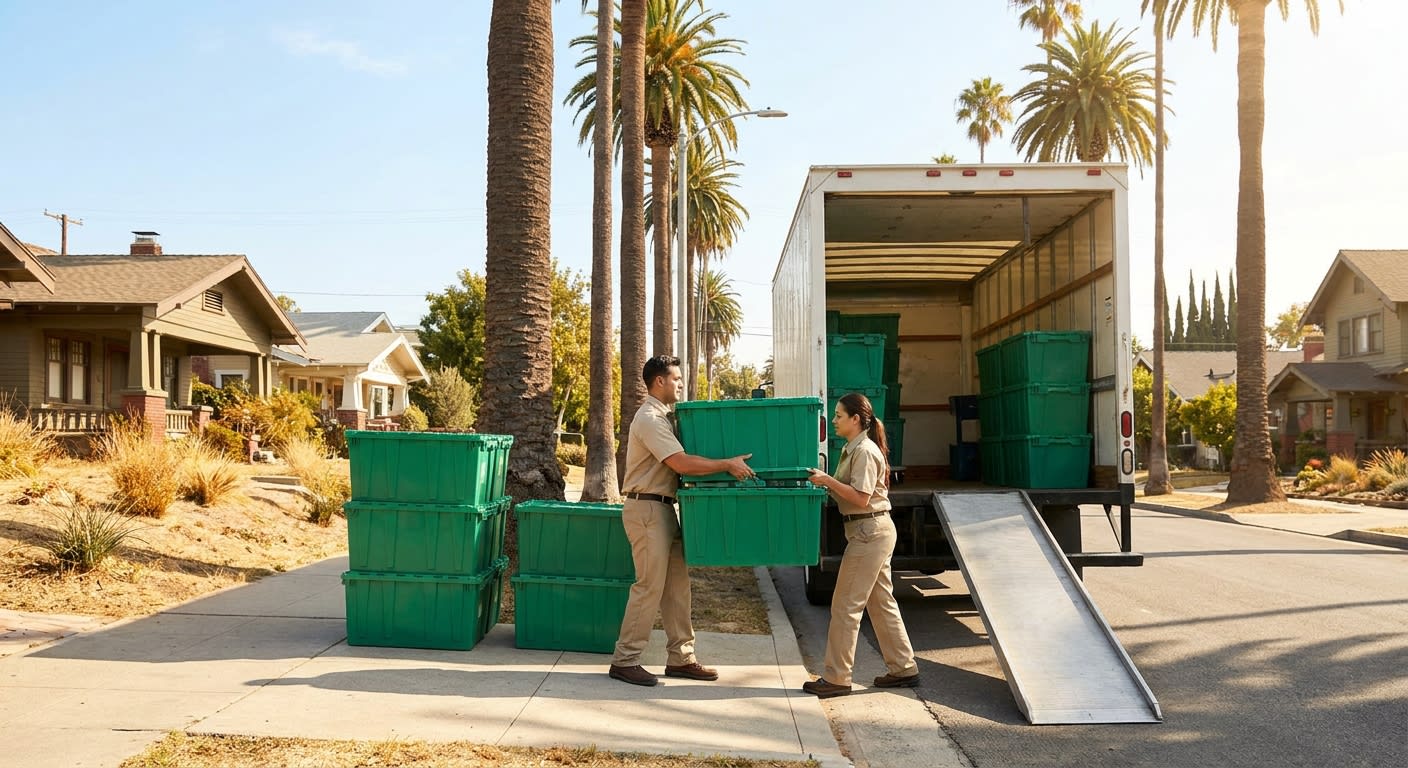
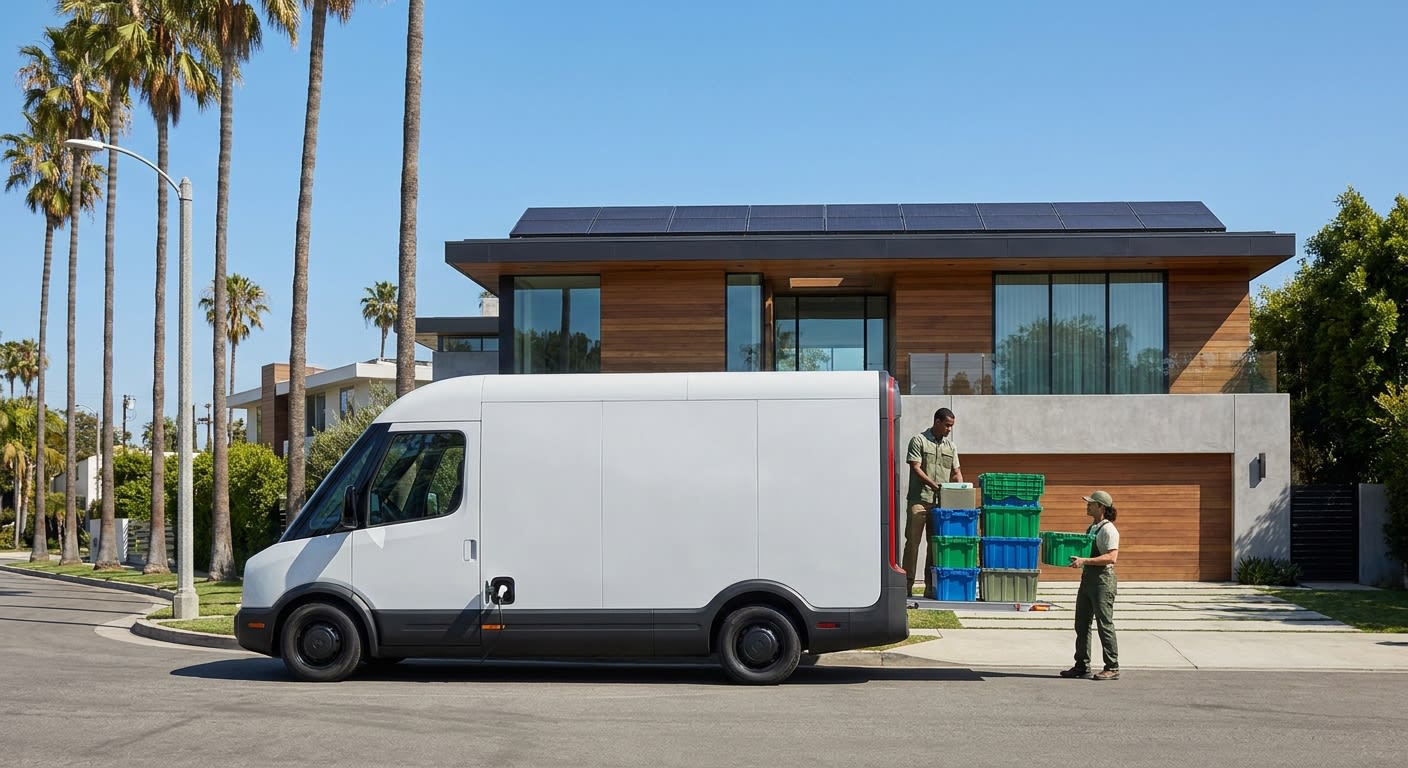
Reusable plastic crate rental services have grown a lot in LA — companies will drop off stackable bins at your old place, pick them up empty at the new place, and clean them for the next customer. Pricing in 2026 runs roughly $1.50 to $2.50 per bin per week for a typical 1- or 2-bedroom apartment. For a deeper comparison, my colleague's guide on reusable moving container systems in LA walks through the major providers side by side.
For padding, request used moving blankets from your moving company instead of buying bubble wrap. We supply pads on every job. Free moving boxes are easy to find if you start two weeks ahead — liquor stores, Costco, and neighborhood Buy Nothing groups all give them away. My colleague's guide on where to get free moving boxes in Los Angeles lists the most reliable spots. After your move, break boxes down and post them on Buy Nothing or NextDoor — they'll be gone in hours.
What to Resell, and What's Not Worth the Effort
I tell clients to be honest with themselves about reselling. The time you spend listing, messaging, and meeting buyers has a real cost, and not everything is worth it. Here's my rule of thumb in the current 2026 market: if it's worth less than $50, donate it. The 90 minutes you'll spend trying to sell a $25 lamp could've been spent packing.
Worth the effort to resell: furniture from quality brands under five years old, working larger appliances, exercise equipment, electronics from the last three years, tools, designer clothes and bags, mid-century or vintage pieces. The LA market for used furniture is strong because so many people are moving in or out at any given moment.
Skip the resale and donate instead: mismatched dishes, particle-board IKEA furniture older than three years, books (except rare ones), old textbooks, kitchen small appliances under $30 new, kids' toys, and anything with even minor damage. Your time is more valuable.
Settling In: Your First Month After an Eco-Conscious Move
Once you're in the new place, the eco-friendly mindset shouldn't stop. The first month is when most "I'll figure out where this goes later" decisions happen, and it's also when extra stuff piles up again. I tell clients to live out of boxes for two weeks before deciding where things go permanently — if you don't reach for it in 14 days, it's another donation candidate.
Set up recycling and compost from day one. The City of LA provides green bins for organic waste, and they're mandatory under SB 1383. Find your nearest farmers market — Mar Vista on Sundays, Hollywood on Sundays, Santa Monica on Wednesdays and Saturdays — because shopping there in your first month gets you reusable produce bags and a habit of buying what you actually need. Also check your neighborhood Buy Nothing group; it's the fastest way to give away the random items that don't fit and to find anything you suddenly realize you need without buying new.
For the inevitable post-move cleanup, save your move-out clean for a labor source that uses non-toxic products — there are plenty of green cleaning companies in LA now, and the price gap with conventional services is small.
FAQ
How early should I start decluttering before a move?
I recommend starting six to eight weeks out for a house, three to four weeks for an apartment. That gives you time to schedule donation pickups, list resale items, and book hazardous waste drop-offs without panic. The last week before a move should be packing only, not sorting.
Will movers haul away the stuff I'm getting rid of?
Most professional movers, including my crews, are not licensed junk haulers, so we can't take items to the dump for you. What we can do is recommend trusted local haulers who divert and recycle, and we can coordinate timing so a junk pickup happens the day before we arrive.
Are reusable plastic bins really cheaper than cardboard?
For a move of two weeks or less, reusable bins are usually 10-20% cheaper than buying cardboard boxes outright, and they're sturdier. If you can source free cardboard boxes from Buy Nothing groups, cardboard wins on price — but reusable bins still win on environmental impact.
What's the biggest decluttering mistake people make?
Waiting until move week to start sorting. By then, you're exhausted, donation centers are booked, and everything ends up on the truck or at the curb. The second biggest mistake is keeping things "just in case" — if you haven't used it in two years, you won't miss it.
Can I donate items that need minor repair?
It depends on the charity. Habitat ReStore will sometimes take repairable items, but most general donation centers won't. If something needs more than 15 minutes of work to be usable, it's probably e-waste or bulk pickup territory, not donation.
Ready to plan a lighter, greener move? SOS Moving serves Los Angeles, Orange County, and the San Francisco Bay Area with licensed and insured full-service moving and storage, from $119/hour, thousands of local and long-distance relocations handled stress-free. Call (909) 443-0004, email info@sosmovingla.net, or get a free quote to start planning your decluttered move today.