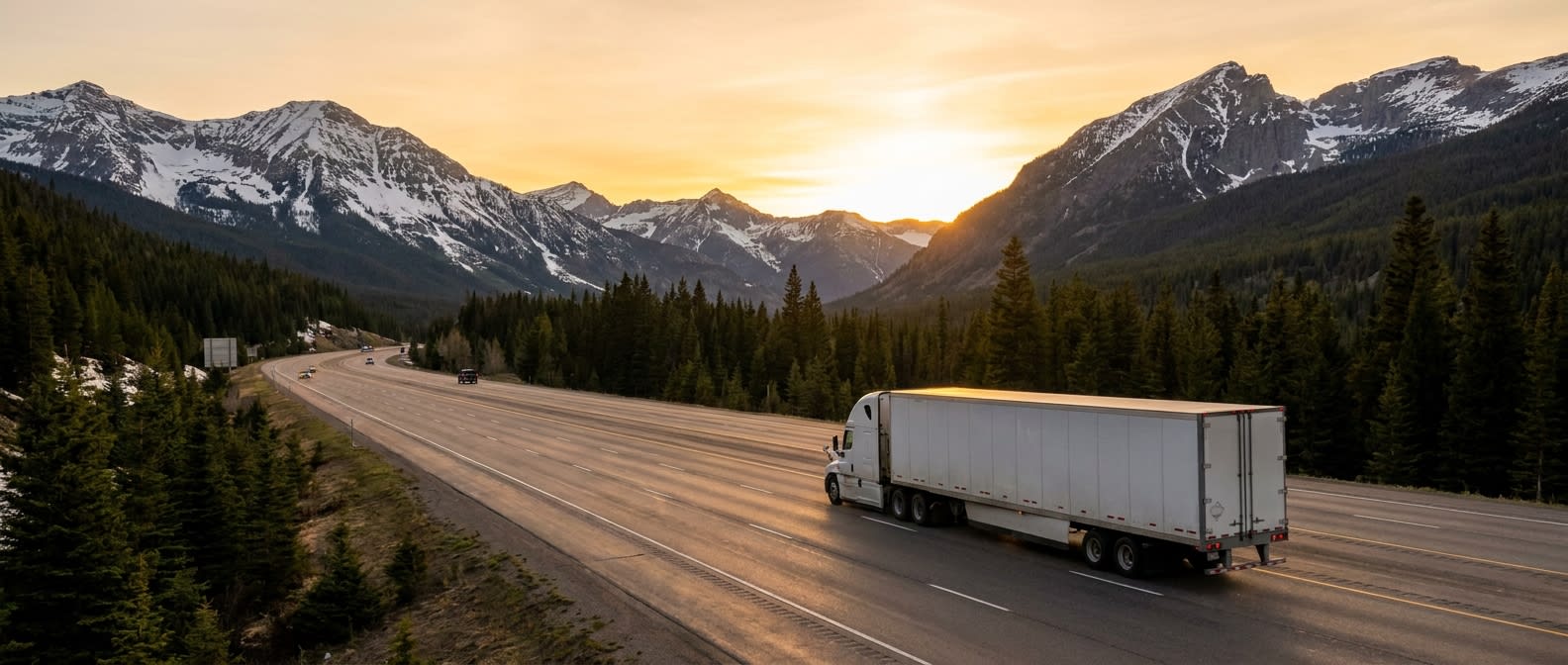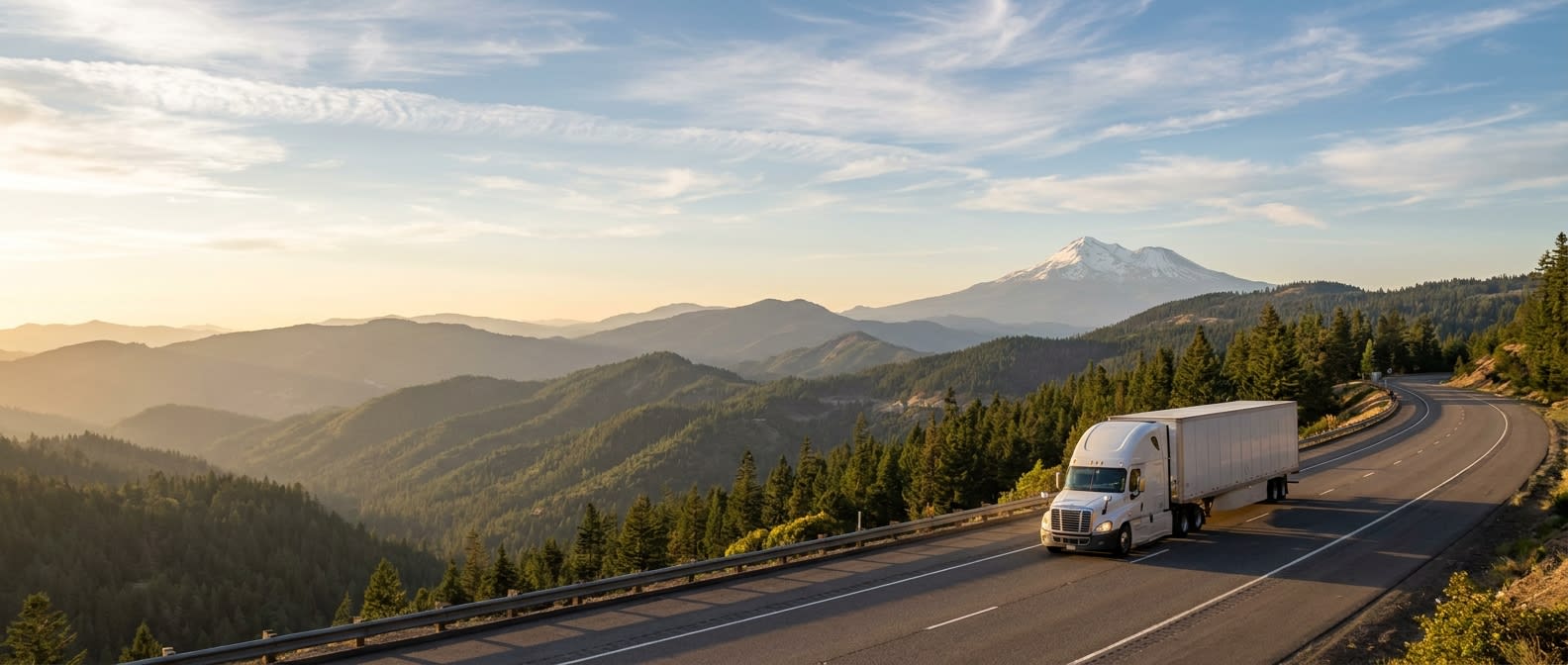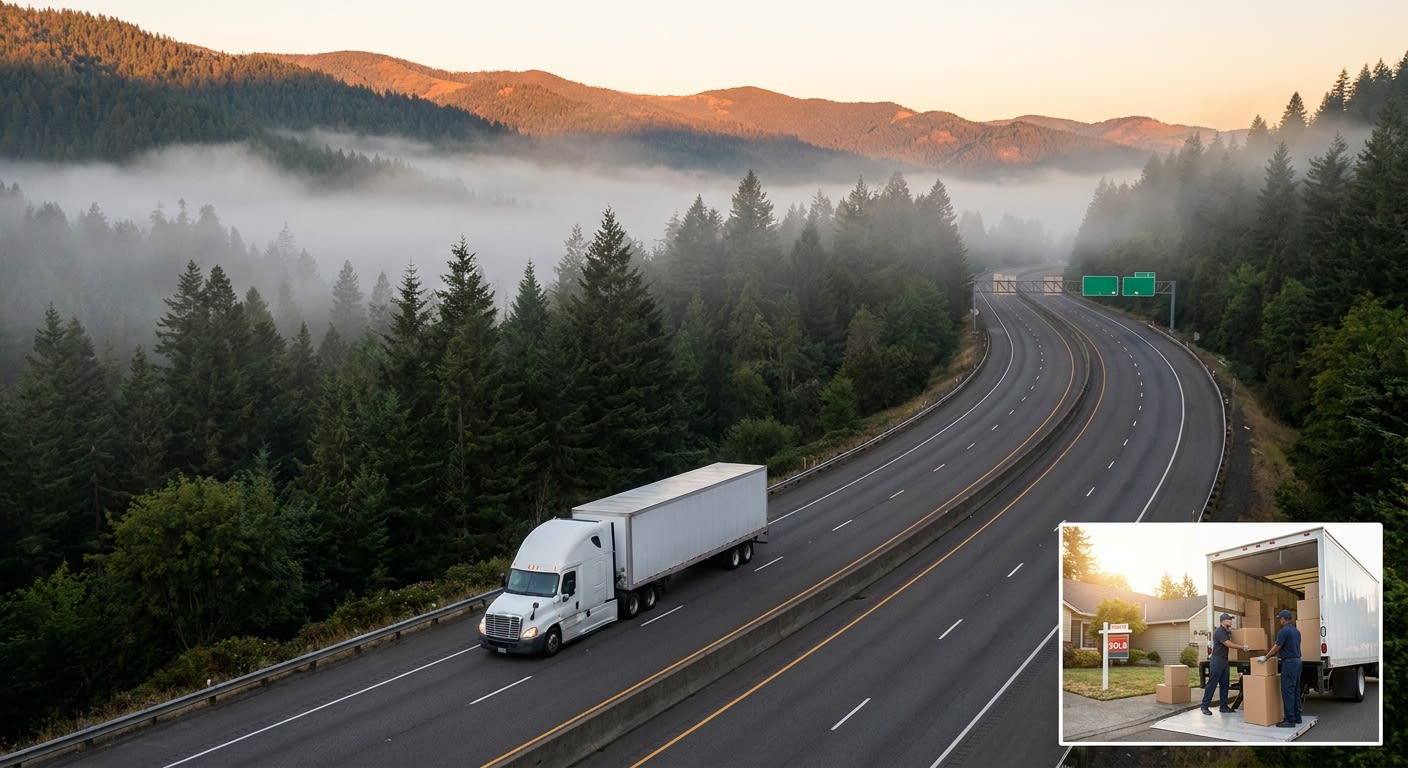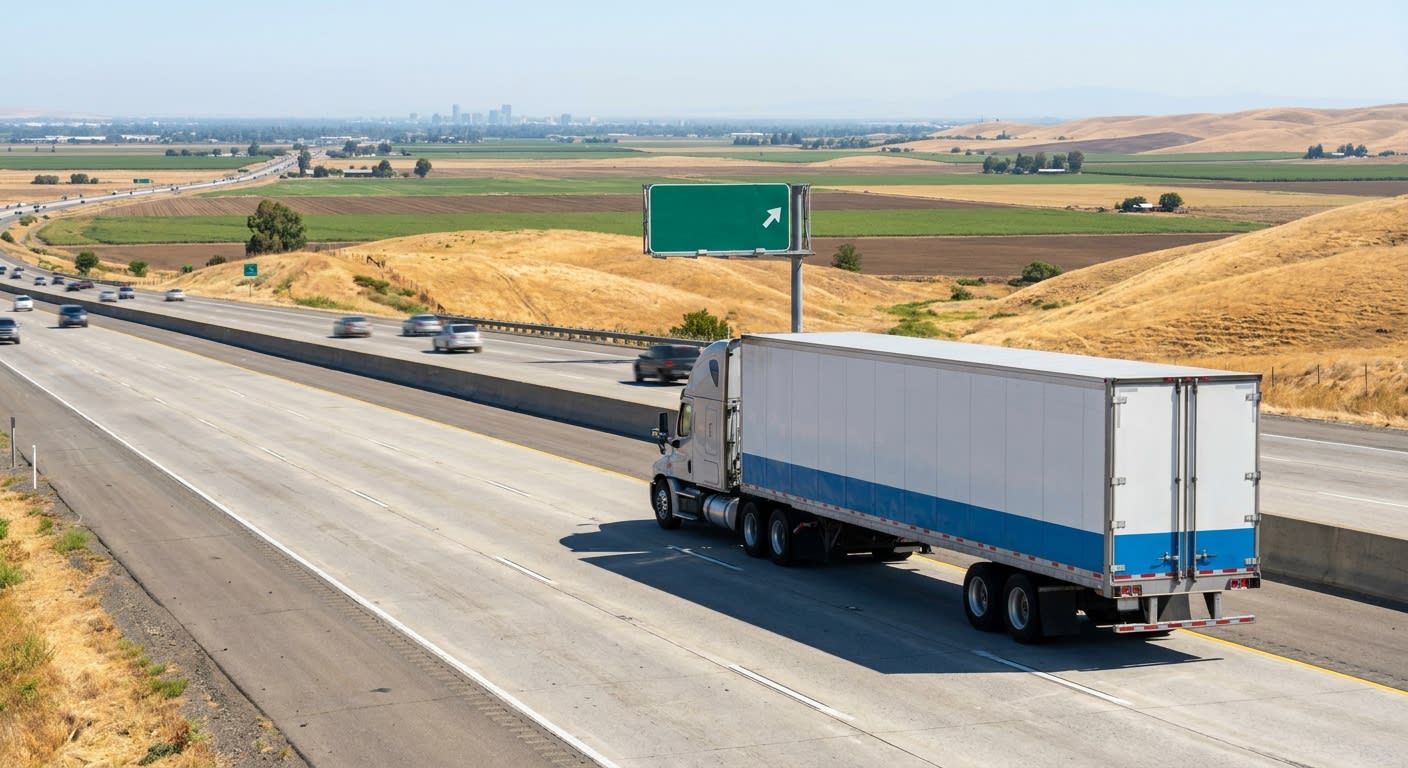


Three weeks ago, I coordinated a move for a petroleum engineer relocating from Houston's Energy Corridor to our Torrance office park—2,100 pounds of household goods, a home office setup with three monitors, and a 1967 Mustang that needed enclosed transport. The client called me in a panic because his previous moving company quoted him without mentioning California's agricultural inspection requirements, and he'd already packed citrus from his backyard trees as gifts for his new coworkers. That single oversight would've caused a four-hour delay at the Blythe inspection station if I hadn't caught it during our pre-move consultation.
I'm Jacob, a Long Distance Moving Coordinator at SOS Moving, and I've planned over 400 Texas-to-California relocations since joining the team. This corridor is one of the busiest interstate moving routes in the country—roughly 86,000 people made this move in 2025 according to U-Haul migration data, and the 2026 numbers are tracking even higher. The route involves three states, multiple climate zones, federal motor carrier regulations, and California's notoriously strict entry requirements. Let me walk you through everything you need to know.
Understanding USDOT Requirements for Interstate Moves
Here's the first thing I tell every client: any moving company transporting your belongings across state lines must have a valid USDOT number. This isn't optional—it's federal law under the Federal Motor Carrier Safety Administration (FMCSA). When you're vetting moving companies for your Texas California interstate moving project, that USDOT number is your first checkpoint.
You can verify any company's credentials at the FMCSA's SAFER database. I check this database daily when coordinating moves because a company's safety rating directly impacts your shipment. Look for "Authorized for Hire" status under operating authority. If a company shows "Not Authorized" or has an "Unsatisfactory" safety rating, walk away immediately—they're legally prohibited from hauling interstate freight.
For moves originating in Texas, carriers must also maintain minimum insurance coverage: $750,000 for liability on trucks over 10,001 pounds, plus cargo insurance that typically ranges from $5,000 to $10,000 depending on shipment value. I always recommend clients request a certificate of insurance before signing any contract. At SOS Moving, we're licensed and insured for full-service moving and storage operations across all 48 continental states—I can pull our certificate within minutes of a client request.
One detail most coordinators don't mention: the USDOT number must be displayed on both sides of the truck in letters at least two inches tall. If the truck that shows up to load your Houston apartment doesn't have visible DOT markings, that's a major red flag. I've had clients send me photos of unmarked trucks, and I've instructed them to refuse loading until the company provides proper documentation.
The Three Primary Routes: Choosing Your Corridor
When I plan a Texas-to-California move, I evaluate three main routes based on destination, time of year, and any special cargo considerations. Each route has distinct regulatory checkpoints and timing implications.
Interstate 10 (Southern Route): This is my default for moves from Houston, San Antonio, or Austin to Los Angeles, Orange County, or San Diego. The route runs 1,375 miles from Houston to Los Angeles, passing through El Paso, Las Cruces, Tucson, and Phoenix before entering California at Blythe. Transit time averages 3-5 days for a dedicated shipment. The Blythe agricultural inspection station is mandatory—I'll cover that in detail shortly. Summer temperatures through Arizona regularly exceed 115°F, which affects scheduling for temperature-sensitive items like vinyl records, candles, or certain electronics.
Interstate 40 (Central Route): Better for moves from Dallas-Fort Worth to the Bay Area or Central California. This 1,650-mile route goes through Amarillo, Albuquerque, Flagstaff, and enters California at Needles. Winter months (November through March) can see snow closures through Flagstaff—I always build buffer days into estimates during this period. The Needles inspection station operates similarly to Blythe.
Interstate 20/Interstate 10 Hybrid: For moves from East Texas or Dallas to Southern California, I sometimes route through Midland-Odessa to pick up I-10 at Fort Stockton. This can save 50-75 miles compared to going through San Antonio, though the roads are more remote with fewer service options.
California Agricultural Inspection: What You Can't Bring
California operates 16 border protection stations, and every commercial vehicle entering the state must stop for agricultural inspection. This isn't a random checkpoint—it's mandated by the California Department of Food and Agriculture (CDFA) to prevent invasive pests from entering the state's $50+ billion agricultural industry.
For household moves, inspectors typically do a quick visual check and ask the driver a series of questions. However, they have authority to open and inspect any container if they suspect prohibited items. Here's what I tell every Texas client to leave behind or dispose of before moving:
Prohibited plants and produce: Citrus fruits and plants (including decorative citrus trees), homegrown tomatoes, peppers, and most backyard produce. Firewood from any hardwood tree—this is a big one that catches people off guard. Houseplants can usually pass inspection, but anything with soil from outdoor gardens may be flagged. Nursery stock requires a phytosanitary certificate that's expensive and time-consuming to obtain for a residential move.
Items that require inspection but usually pass: Commercially packaged foods in original sealed containers, dried herbs and spices, and professionally grown houseplants purchased from licensed nurseries with receipts.
I had a client from Dallas last summer who'd packed an entire cooler of homemade salsa with fresh garden tomatoes and peppers. The inspector at Needles required them to either consume it on-site, surrender it for destruction, or turn around. They ate a lot of chips that afternoon. Don't let this happen to you—check the CDFA's website for the current prohibited items list before you pack.

🚚 Planning your Texas to California move? Our long-distance moving team handles all the logistics and regulatory requirements. Call (909) 443-0004 or request your free quote today.
Weight Station Protocols and Timing Considerations
Commercial moving trucks must stop at weigh stations when the lights are on—no exceptions. Along the Texas-California corridor, you'll encounter stations in Texas (multiple locations on I-10 and I-40), New Mexico (Las Cruces and Lordsburg), Arizona (Ehrenberg and Sanders), and California's combined agricultural/weigh stations at the border.
Why does this matter for your move timeline? Each weigh station stop adds 15-45 minutes depending on traffic and whether the truck gets pulled for secondary inspection. A truck that's overweight faces mandatory offloading, which can delay your delivery by a full day while the carrier arranges compliance. This is why accurate inventory and weight estimates matter so much during the planning phase.
For a typical 3-bedroom household, I estimate gross vehicle weight between 16,000 and 22,000 pounds depending on furniture density. When I run the numbers for a move, I'm calculating not just how many cubic feet your belongings occupy, but how the weight distributes across axles. California's axle weight limits are 20,000 pounds per axle—exceed that, and the carrier faces fines starting at $1 per pound over, plus potential impoundment.
As my colleague covers in our guide to USDOT requirements for long-distance moves, legitimate carriers factor these calculations into their quotes. If a company gives you a flat rate without asking about heavy items like pianos, safes, or marble furniture, they're either planning to hit you with surprise fees or they don't understand the regulatory environment.
Timeline Planning: From Texas Load to California Delivery
The standard transit window I quote for Texas California interstate moving is 5-10 business days, depending on origin city, destination, and time of year. Let me break down what actually happens during that window.
Days 1-2: Loading and dispatch. For a 3-bedroom home in Houston, my crews typically need 6-8 hours for loading. The truck then enters our dispatch queue—for dedicated shipments, it departs the same day or early next morning. For consolidated shipments (where your goods share truck space with other moves), dispatch may take 1-3 days while we optimize routing.
Days 3-5: Transit. Driving time from Houston to Los Angeles is approximately 22-24 hours, but federal Hours of Service regulations limit drivers to 11 hours of driving within a 14-hour on-duty window, followed by a mandatory 10-hour rest period. This means the actual drive takes 2-3 days minimum with required rest stops.
Days 6-7: California entry and final delivery. Border inspection, destination-city traffic (LA traffic alone can add 2-3 hours to intra-city routing), and unloading. For high-rise deliveries in downtown LA or San Francisco, add time for elevator reservations and building access coordination.
Peak moving season—May through September—can extend these timelines by 2-3 days due to equipment demand. If you're relocating for a job start date, I recommend booking at least 14 days before you need everything delivered. As covered in our coast-to-coast planning guide, buffer time is your best insurance against stress.
Documentation You'll Need Before, During, and After
Interstate moves generate paperwork—there's no way around it. Here's the documentation checklist I send to every Texas-to-California client:
Before the move: Signed contract with the moving company (must include USDOT number, tariff rates, and liability coverage options). Detailed inventory list—every box and furniture piece should be numbered and described. Valuation declaration form stating your chosen coverage level. Payment terms in writing, including deposit amount and final payment method.
At loading: Bill of Lading—this is your receipt and contract combined. The driver gives you the original; never let the truck leave without it. High-value inventory form if you're declaring items worth over $100 per pound (jewelry, artwork, electronics). Condition report documenting any pre-existing damage to furniture.
At delivery: Delivery receipt with notation of any damage discovered during unloading. Payment receipt showing final charges. Keep all documents for at least one year—claims for damage or loss must be filed within 9 months under federal regulations, but having documentation longer protects you if disputes arise.
I photograph every document on both ends of the move and email copies to clients within 24 hours. It takes me five minutes and has saved clients thousands of dollars in disputed claims over the years.
Vehicle Transport: Adding Your Car to the Move
About 40% of my Texas-to-California clients need vehicle transport in addition to household goods. You've got three options, each with different cost and timeline implications.
Open auto transport: Your vehicle rides on a standard car carrier with 7-9 other vehicles. Most economical option—as of Q1 2026, I'm seeing rates between $900-$1,400 from Houston to Los Angeles depending on vehicle size and season. Transit time is typically 5-7 days. Your car will be exposed to road debris and weather, which is fine for daily drivers but not ideal for classics or luxury vehicles.
Enclosed auto transport: Your vehicle gets a protected trailer, usually shared with 2-4 other vehicles. Rates run $1,400-$2,200 for the Texas-California corridor. I recommend this for vehicles valued over $50,000, convertibles, or anything with fresh paint. The Mustang restoration owner I mentioned earlier went this route and his car arrived without a single new rock chip.
Drive-away services: A professional driver physically drives your vehicle to California while your household goods ship separately. This works well if you need the car immediately upon arrival but costs more due to fuel, tolls, and driver fees—usually $1,100-$1,600 plus the driver's return flight.
One regulatory note: California requires all vehicles to pass a smog inspection within 20 days of registration. Texas vehicles older than 2 years will almost certainly need a California smog check, so factor $50-$100 into your budget. Diesel vehicles and cars with certain modifications may face additional compliance requirements under California Air Resources Board regulations.
Cost Factors Specific to the Texas-California Corridor
Every long-distance move involves the same basic cost components: labor, transportation, and materials. But the Texas-California route has some unique pricing factors I always discuss during estimates.
Fuel surcharges: This corridor crosses some of the most expensive fuel markets in the country. California diesel prices as of early 2026 are averaging $4.80-$5.20 per gallon compared to $3.40-$3.80 in Texas. Most carriers apply fuel surcharges that fluctuate monthly—at SOS Moving, we lock in fuel rates at booking so you don't get surprised by market spikes.
Accessorial charges: Long carries (when the truck can't park within 75 feet of your door), stair carries, elevator waits, and shuttle services (when an 18-wheeler can't access your street and we need a smaller truck for final delivery). Many LA neighborhoods require shuttles due to narrow streets or permit restrictions. I quote these upfront based on Google Street View reconnaissance of both addresses.
Storage-in-transit: If your California move-in date doesn't align with your Texas move-out date, your goods may need temporary storage. Our rate for SIT is $0.50-$0.75 per cubic foot per month at our Los Angeles warehouse, with the first 30 days often included in long-distance packages.
For context, a typical 2-bedroom apartment move from Austin to Los Angeles runs $4,500-$6,500 for full service as of 2026. A 4-bedroom home from Dallas to San Francisco runs $9,000-$14,000. These ranges assume standard access at both ends—add 10-15% for significant accessorial requirements. As we explain in our guide to comparing moving quotes, make sure you're getting itemized estimates that break out each charge so you can compare accurately.
Common Mistakes That Delay Texas-to-California Moves
After coordinating hundreds of these moves, I've seen the same errors tank timelines repeatedly. Here's what to avoid:
Booking too late in peak season. If you need a July move, don't wait until June to start calling. Quality carriers with good safety records book 4-6 weeks out during summer. Last-minute bookings either go to sketchy operators or cost 30-40% more for expedited service.
Underestimating inventory. "I don't have that much stuff" is something I hear weekly. Then I do the video walkthrough and count 47 boxes worth of kitchen items alone. Accurate inventory means accurate pricing and proper truck allocation—underestimate, and you'll either pay overflow fees or face a second trip.
Forgetting about California's quirks. Beyond agricultural inspection, California has different rules for things like mattress disposal (illegal to dump, requires certified recycling), appliance installations (many jurisdictions require permits for gas hookups), and parking permits for moving trucks in residential areas. As detailed in our LA parking regulations guide, some neighborhoods require 72-hour advance notice for street permits.
Not reading the fine print on valuation. Basic carrier liability is $0.60 per pound per item. That means your 50-pound TV worth $2,000 gets you a maximum of $30 if it's damaged under basic coverage. Full-value protection costs more but covers actual replacement value. I walk through these options with every client, but I'm amazed how many people signing with other companies have no idea what coverage they've selected.
FAQ
How long does a move from Texas to California typically take?
Transit time ranges from 5-10 business days depending on your specific origin and destination cities, time of year, and whether you've booked a dedicated or consolidated shipment. Houston to Los Angeles on a dedicated truck can deliver in as few as 4 days during off-peak season, while Dallas to San Francisco during July might stretch to 12 days due to demand. I provide a guaranteed delivery window in writing before you sign with us.
Do I need to be present when my goods cross into California?
No, the driver handles all agricultural inspection and weigh station stops. Your responsibility is to ensure you haven't packed prohibited items—the driver can face fines and delays if inspectors find contraband, which can impact your delivery window. I provide a pre-move checklist specific to California entry requirements.
What happens if my belongings are damaged during the move?
You have 9 months from delivery to file a claim under federal regulations. Document any damage immediately on the delivery receipt before signing. The carrier has 30 days to acknowledge your claim and 120 days to issue a decision. This is why I recommend full-value protection coverage and photographing items before loading.
Can I pack my own boxes for an interstate move?
Yes, but owner-packed boxes aren't covered by carrier liability unless the carrier inspects and accepts each box at loading. If you want coverage on your belongings, I recommend either using our packing services or having our crew inspect your boxes and note "owner-packed, contents not verified" on the inventory. That way you have documentation either way.
Is it cheaper to move from Texas to California or drive a rental truck myself?
The math varies by move size. For a studio apartment, a rental truck might cost $2,000-$2,500 including fuel, tolls, insurance, and equipment—and you're doing all the labor. For a 3-bedroom home, professional movers at $7,000-$10,000 start looking more reasonable when you factor in the 20+ hours of physical labor, risk of injury, potential vehicle damage, and the value of your time. Most of my clients tell me the peace of mind alone justifies the professional route.
What's the best time of year to move from Texas to California?
January through March offers the best combination of availability, pricing, and weather. Roads are clear (Arizona and New Mexico rarely see significant winter weather at lower elevations), and carriers are hungry for business after the holiday slowdown. Expect 15-25% savings compared to peak summer rates, plus more flexibility on pickup and delivery dates.
Ready to start planning your Texas to California move? SOS Moving serves Los Angeles, Orange County, and San Francisco Bay Area with licensed and insured full-service moving and storage, from $119/hour. Call (909) 443-0004, email info@sosmovingla.net, or request your free estimate today.