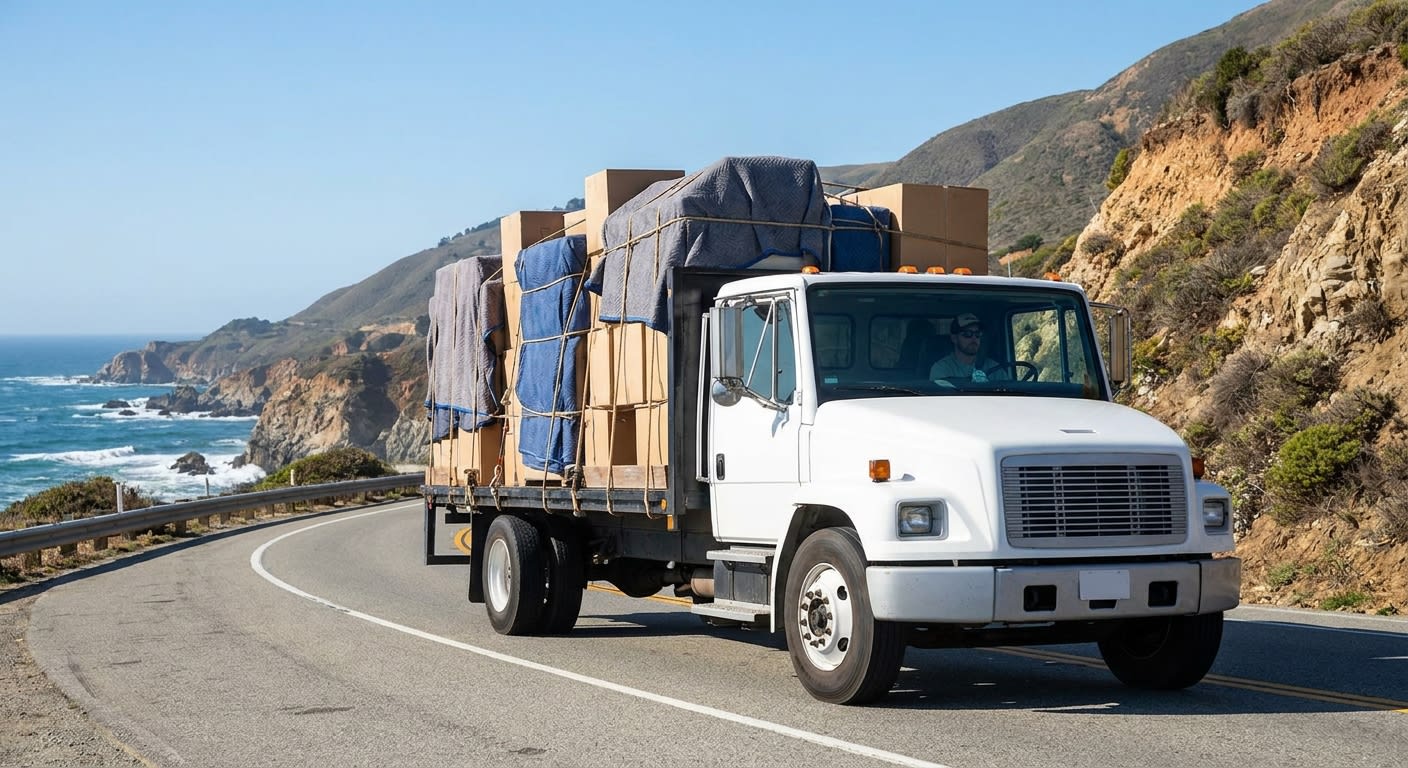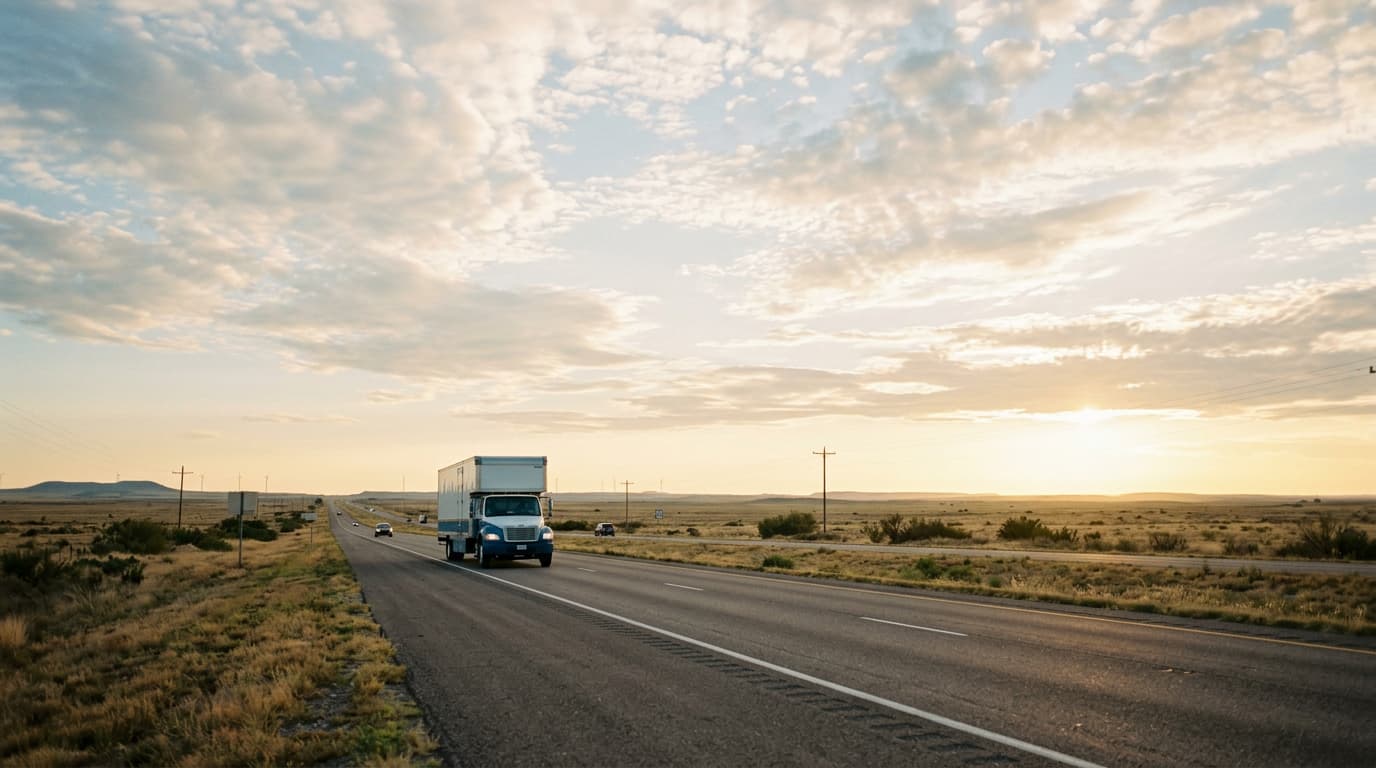


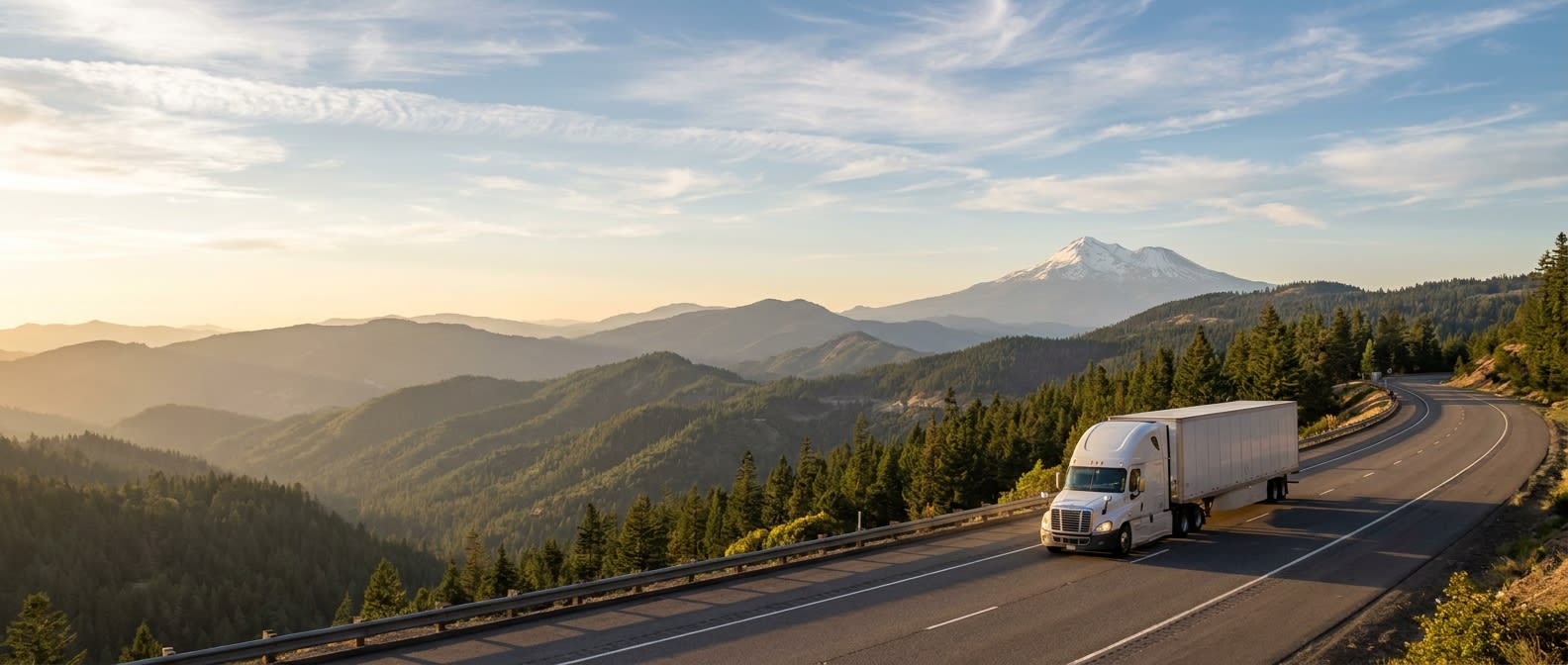
Last month I coordinated a move from a 3-bedroom craftsman in Seattle's Ballard neighborhood down to a hillside home in Glendale — 1,135 miles door-to-door, 11,400 pounds on the scale, and a hard delivery window because the client's wife started a new pediatric residency at Children's Hospital LA the following Monday. We loaded on a Tuesday morning under a typical Pacific Northwest drizzle, crossed into California by Thursday afternoon, and unloaded in Glendale on Friday before 4 PM. That move is a textbook example of why route planning matters more than people realize on the I-5 corridor.
I'm Jacob Rivera, a Long Distance Moving Coordinator at SOS Moving, and I plan the Washington to California moving route at least three or four times a month. The corridor looks simple on a map — just point the truck south on I-5 — but between Cascade weather, CHP weigh stations, fuel logistics, and California's agricultural inspection at the border, there are a dozen places where a poorly planned move loses a full day. Here's how I actually run these jobs.
The I-5 Corridor: What the Map Doesn't Tell You
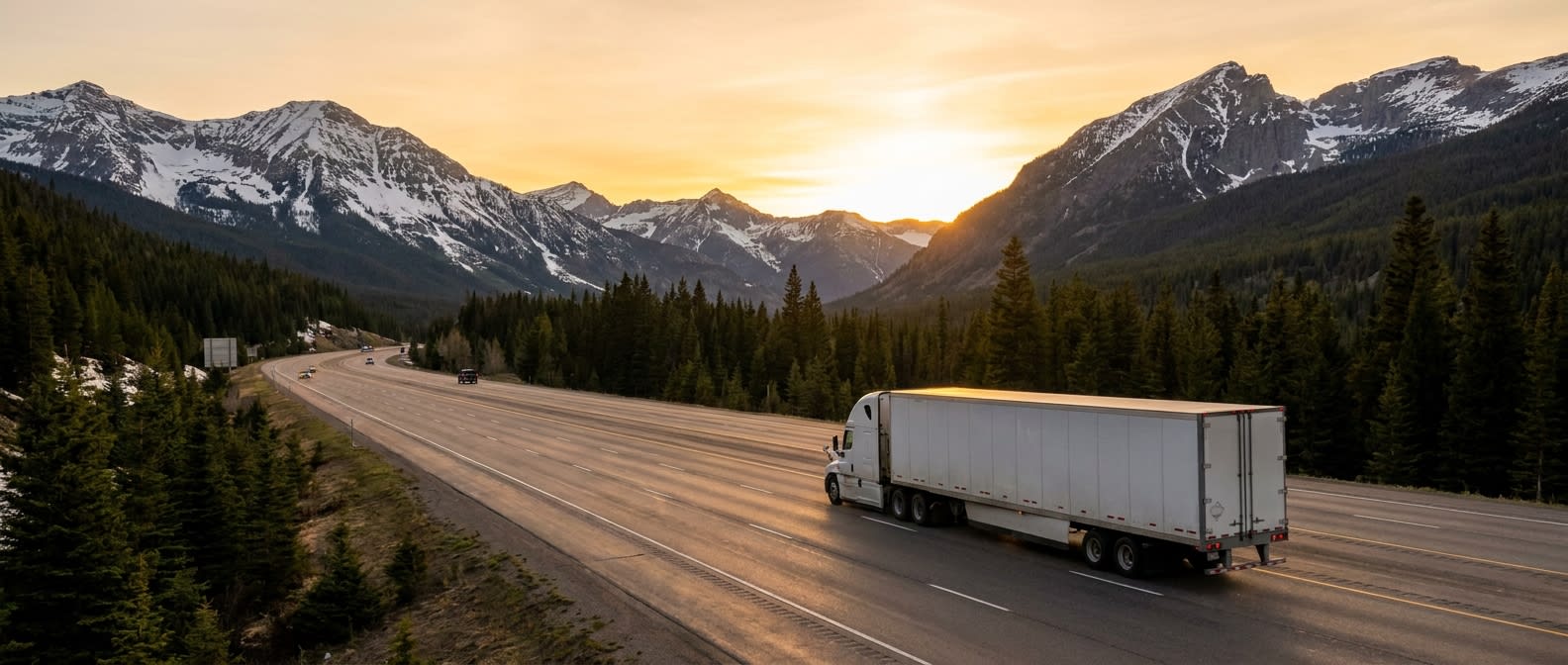
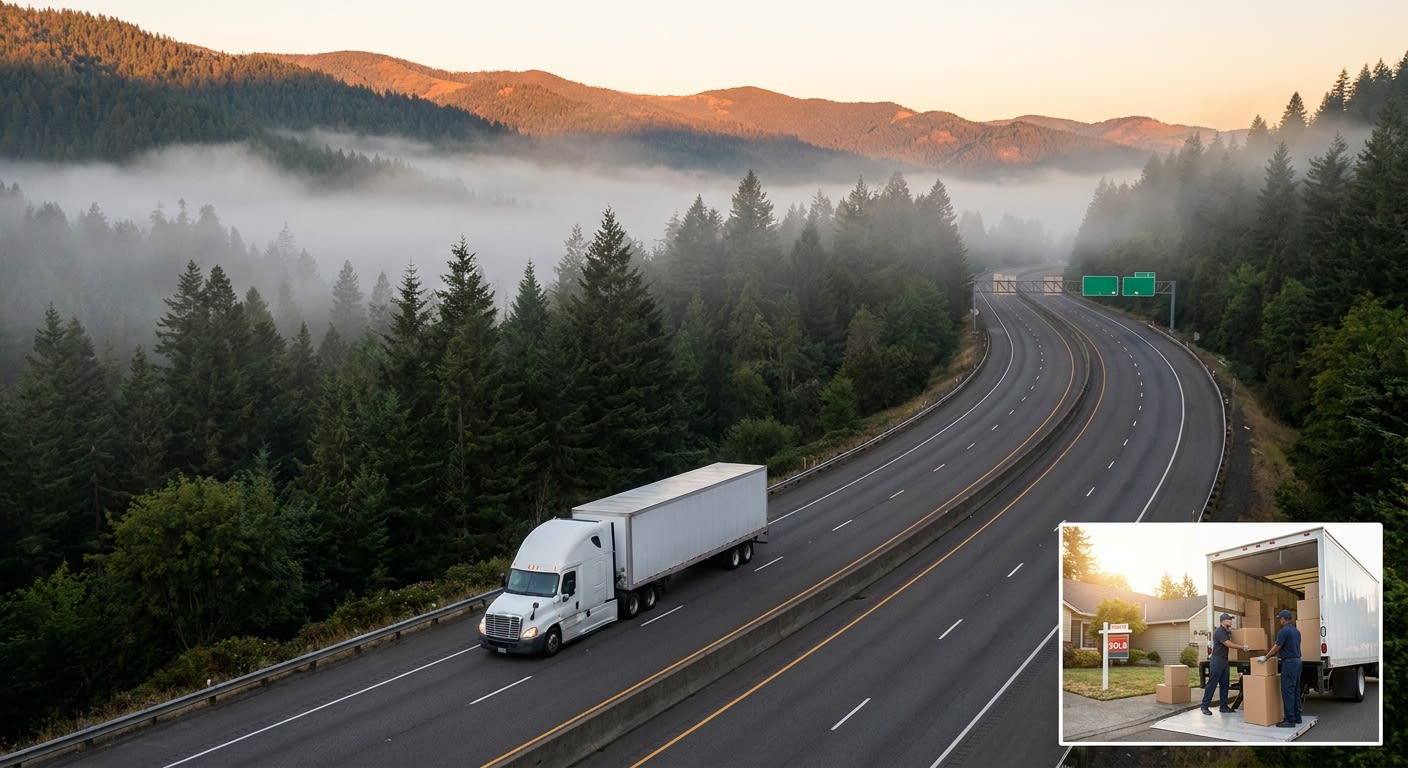
Every Washington to California moving route I plan starts the same way — I-5 South from the Puget Sound region all the way to whichever exit my client needs. From Seattle to Los Angeles it's roughly 1,135 miles. From Spokane, we run US-395 south or cut west to I-5 via I-90; the all-395 route through Oregon and into California is about 1,250 miles but avoids Portland traffic entirely.
The critical stretches aren't the cities, they're the mountain passes. Cascade Pass through the Siskiyous, between Ashland, Oregon and Yreka, California, sits at 4,310 feet and gets chain restrictions roughly 40 days a year. Going southbound in November through March, I always check Caltrans QuickMap the morning of departure and have a Plan B that holds the truck in Medford overnight if needed. The Grapevine — I-5 over Tejon Pass into Los Angeles County — is the other choke point, especially for trucks coming in late afternoon when winds pick up. I time my arrivals at the Grapevine for mid-morning whenever possible.
Transit Times: What's Realistic in 2026
Federal Hours of Service rules cap a driver at 11 hours of driving per 14-hour duty day, with a mandatory 10-hour rest break. That math controls everything on a Washington to California moving route. Here's what I actually plan for as of 2026:
Seattle to Los Angeles: 2 driving days minimum, 3 days realistic with a single driver. We typically load Day 1, drive Day 2 (Seattle to Redding or Sacramento), drive Day 3 (down to LA), and unload Day 4. Seattle to San Francisco Bay Area runs about 810 miles — same loading schedule but only 1.5 driving days. Spokane to Los Angeles is longer at roughly 1,265 miles but the eastern Oregon stretch moves faster than I-5 through Portland and Salem.
I quote my clients a 3-to-5-day delivery window for Seattle-to-LA moves and a 2-to-4-day window for Seattle-to-Bay Area. If someone needs a guaranteed delivery date — like my Ballard client with the residency start — I either run a dedicated truck (no other shipments on board) or pad an extra day into the schedule. Dedicated runs cost more but eliminate the consolidation delays that can stretch a "5-day" move into 9 days with shared loads.
Crossing the California Border: The Agricultural Inspection Station
Every truck entering California stops at a CDFA agricultural inspection station. On I-5 southbound, that's the Hornbrook station just south of the Oregon border. Officers ask about plants, soil, firewood, and certain produce. For a household goods move it's usually a 5-to-10-minute stop — they check the bill of lading, sometimes look in the back, and wave us through.
What slows things down: clients who packed houseplants without telling me, or firewood loaded "just to use the space." I tell every Washington client during the estimate that houseplants and firewood cannot cross into California in a moving truck. Period. CDFA can quarantine the whole shipment if they find prohibited items, and that's a day we don't get back. Same rule applies for outdoor furniture with attached soil or untreated lumber from yard projects.
What This Move Actually Costs in 2026
Long-distance moves price by weight and distance, not by the hour. For the Washington to California moving route in current 2026 market, I'm quoting roughly $0.70 to $0.95 per pound for full-service moves, depending on access, season, and whether the client needs packing. A typical 2-bedroom apartment weighs about 5,000 to 6,000 pounds — that's roughly $4,200 to $5,700 Seattle-to-LA. A 3-bedroom house like my Ballard job runs $8,500 to $11,500 depending on packing scope.
SOS Moving is a licensed and insured full-service moving and storage company handling local and long-distance relocations from $119/hour for local jobs, with flat-rate quotes on interstate routes. For more on how interstate carriers price compared to brokers, my colleague's guide on broker vs carrier moving company types is worth reading before you sign anything.
Add-ons that affect price: packing services (figure $0.10 to $0.15 per pound extra), shuttle service if a 53-foot trailer can't access the destination (common in Hollywood Hills, Mar Vista, parts of Glendale), long carries over 75 feet from truck to door, and stairs beyond the first flight. I write all of these into the estimate up front — no surprises on delivery day.
📦 Planning a Washington-to-California move and need a real quote based on weight, not guesses? My team handles long-distance moves on this corridor every week. Call (909) 443-0004 for a free in-home or video estimate.
Why Loading Day Decides Everything
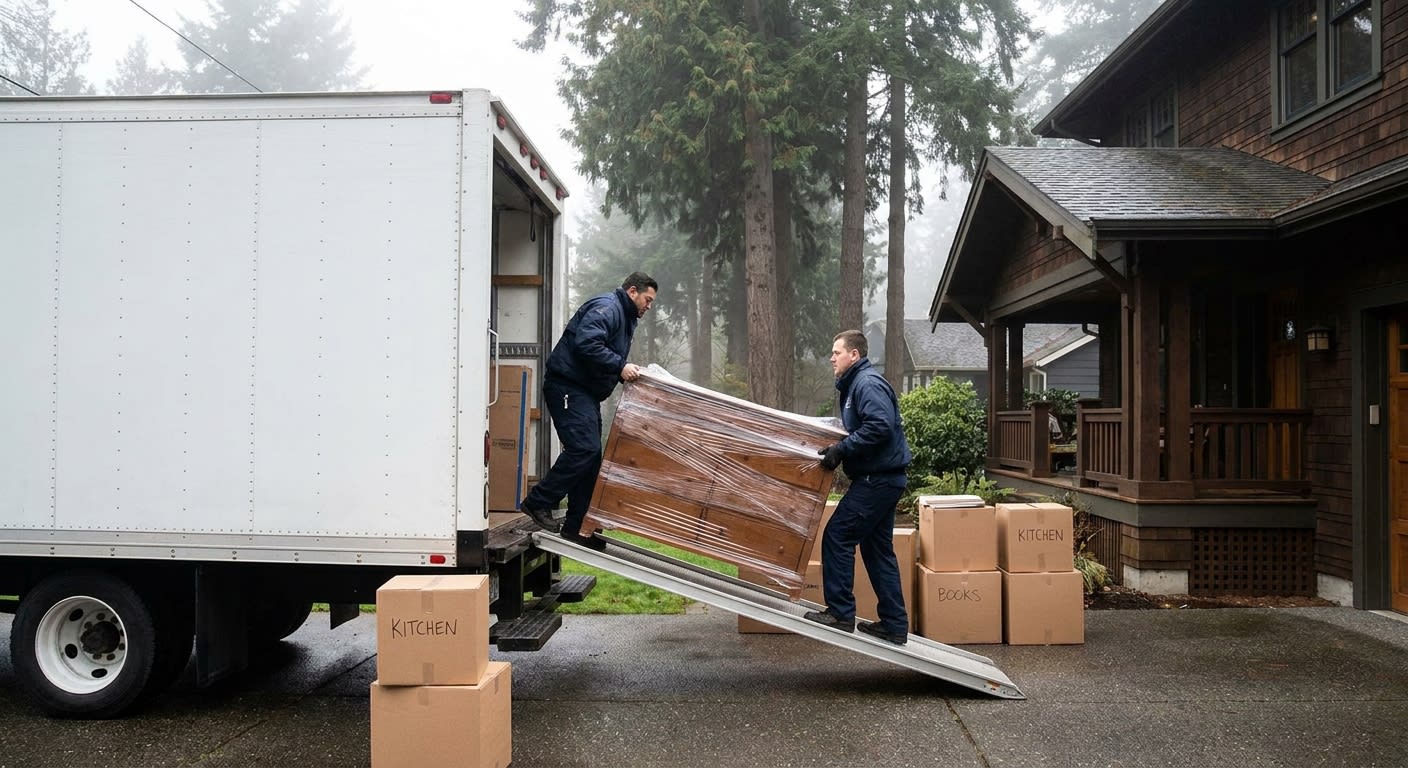
I block 6 to 9 hours for loading a 3-bedroom Seattle home. My crew arrives at 8 AM, walks the house with the client, identifies any high-value items needing custom crating, and starts with the garage and least-used rooms first. We weigh the truck empty at a CAT scale in Tukwila or Kent before loading, and we weigh loaded before crossing into Oregon. That weight ticket is what your final invoice is based on — and California PUC and federal regulations require it.
For packing, I always recommend professional packing services on long-distance moves. The difference between a self-packed box and a crew-packed box on a 1,135-mile interstate haul is significant — vibration over three days on I-5 is brutal on poorly packed dishes and electronics. If the client wants to save money, I'll do a hybrid: client packs clothes and books, my crew packs kitchen, art, and electronics.
Weather Windows: When to Move on the I-5 Corridor
The best Washington-to-California moving weather is May through early October. Cascade passes are clear, no chain controls, and Grapevine winds are manageable. November through April adds risk — not enough to stop a move, but enough that I build buffer days into the schedule.
Worst-case scenarios I've personally dealt with: a December snowstorm that closed Siskiyou Pass for 18 hours (I held the truck in Grants Pass, Oregon), and February ice that closed the Grapevine for an entire afternoon (truck waited in Bakersfield). Both moves delivered on time because I'd built 24-hour buffers in. If you're moving December through March, ask your coordinator what their weather contingency looks like — and check our team's notes on moving day weather contingency plans before you finalize a date.
Settling In: Your First Week in California
Once the truck unloads, the real work starts. Washington and California are different states in ways that catch new arrivals off guard — sales tax, vehicle registration, voter registration, and DMV deadlines all hit at once.
You have 20 days to register your vehicle with the California DMV after establishing residency. Make the appointment online before you move — walk-in waits in LA County run 4 to 6 hours. Smog certification is required for most vehicles 1976 or newer. Driver's license transfer is 10 days technically, though enforcement is loose. For the full move-in admin checklist, see how to update your address after moving in Los Angeles — it covers USPS, DMV, voter registration, and utilities in order.
Other things I tell my Washington clients: California has no state-level recycling pickup like Seattle's — it's municipal and varies by city. LA has bulky item pickup (free, 3 items per year). Earthquake insurance is separate from homeowner's policy. And expect your first electric bill to be roughly double Seattle rates — LADWP and SoCal Edison are not cheap. Find your nearest farmers market in the first week; the produce is genuinely better than what you're used to.
FAQ
How long does a Washington to California move actually take door to door?
For Seattle to Los Angeles, plan on 4 to 6 days total from loading day to unload day. That's 1 day loading, 2 to 3 driving days, and 1 day unloading. Bay Area destinations shave about a day off. Dedicated trucks deliver faster than consolidated shipments.
Do I need to be present for the move?
You or an authorized representative needs to sign at both ends — loading and delivery. For interstate moves, the bill of lading and inventory list are legal documents. If you're flying down ahead of your goods, give your coordinator an authorized contact name and phone number in writing.
Can my car ride inside the moving truck?
No. Federal regulations and our insurance prohibit vehicles inside household goods trucks. I arrange auto transport separately through licensed carriers — figure $900 to $1,400 for an open carrier Seattle to LA, $1,400 to $1,900 enclosed.
What's the cheapest time of year to move this route?
Mid-October through mid-April, excluding holidays. Summer is peak season and rates run 15 to 25 percent higher. If you can move in January or February and accept some weather risk, you'll get the best price and the best crew availability.
What if my new California home isn't ready when the truck arrives?
I build in storage-in-transit options on every long-distance quote. My team can hold goods in our warehouse and redeliver when you're ready — typically $0.50 to $0.75 per pound per month. Always cheaper than rushing a closing or signing a bad lease.
Ready to plan your Washington to California move with someone who's actually driven this route? SOS Moving serves Los Angeles, Orange County, and the San Francisco Bay Area. Call (909) 443-0004, email info@sosmovingla.net, or get a free quote. Licensed and insured — full-service moving and storage from $119/hour.