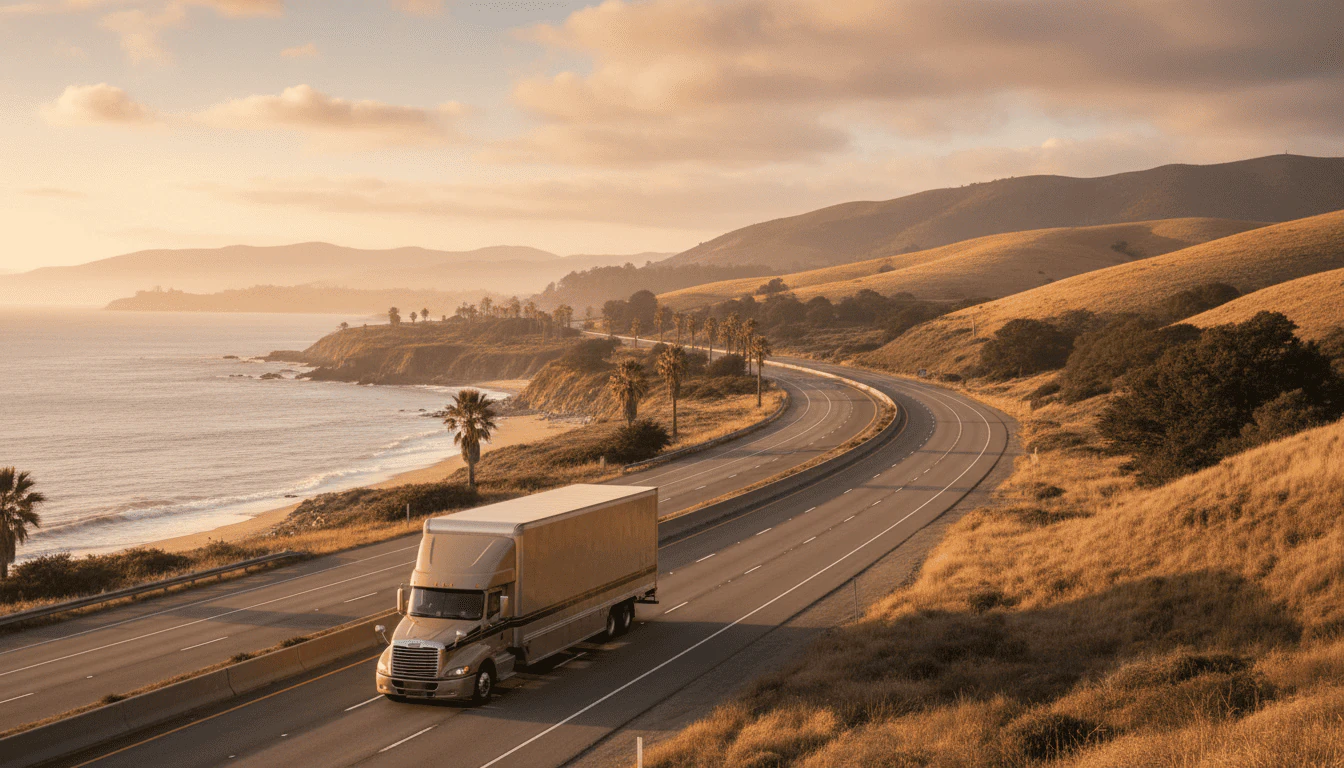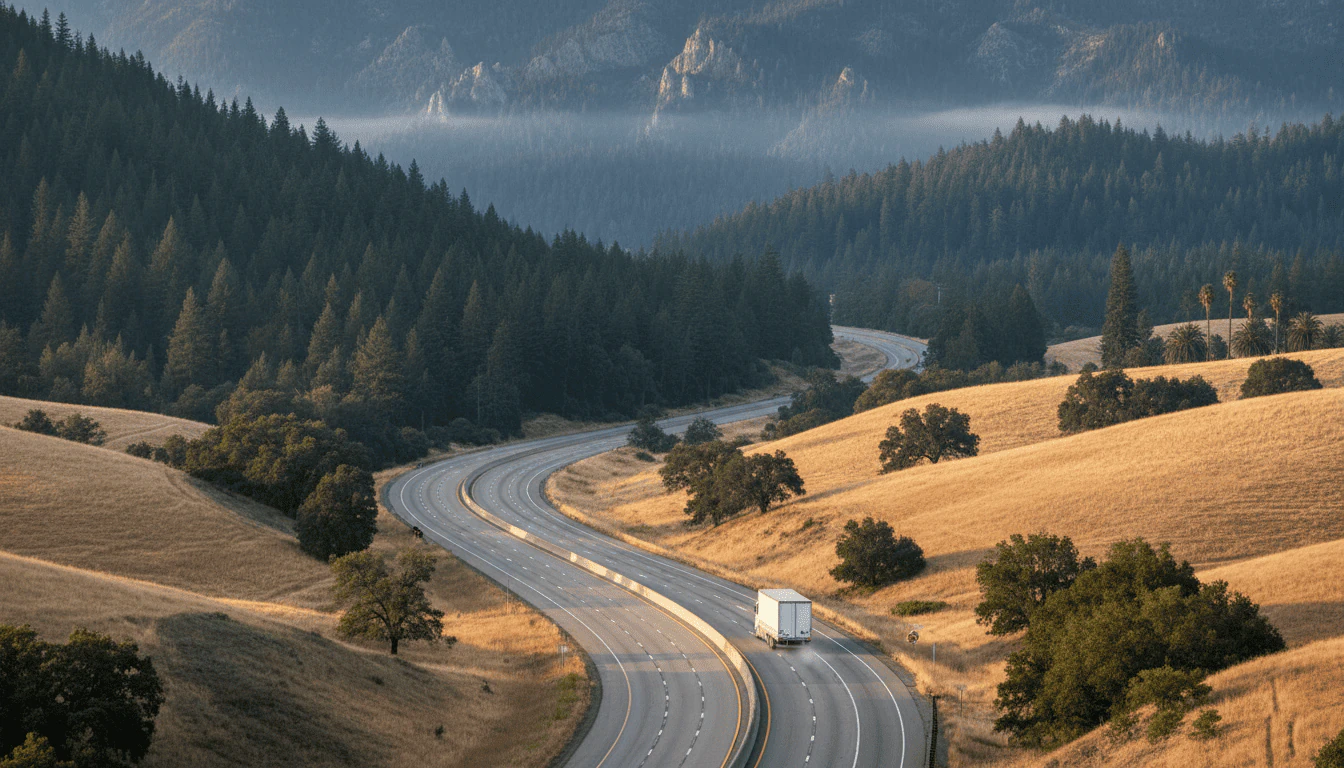


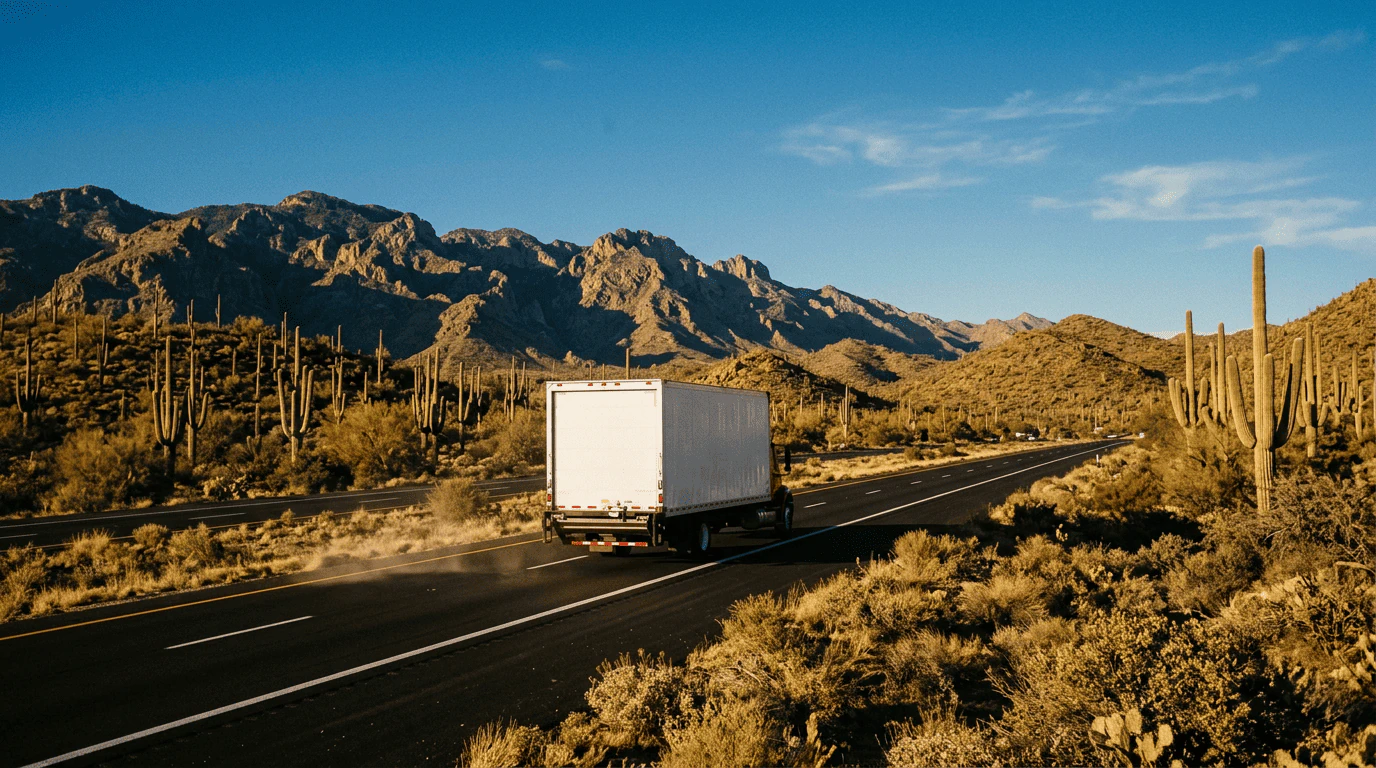
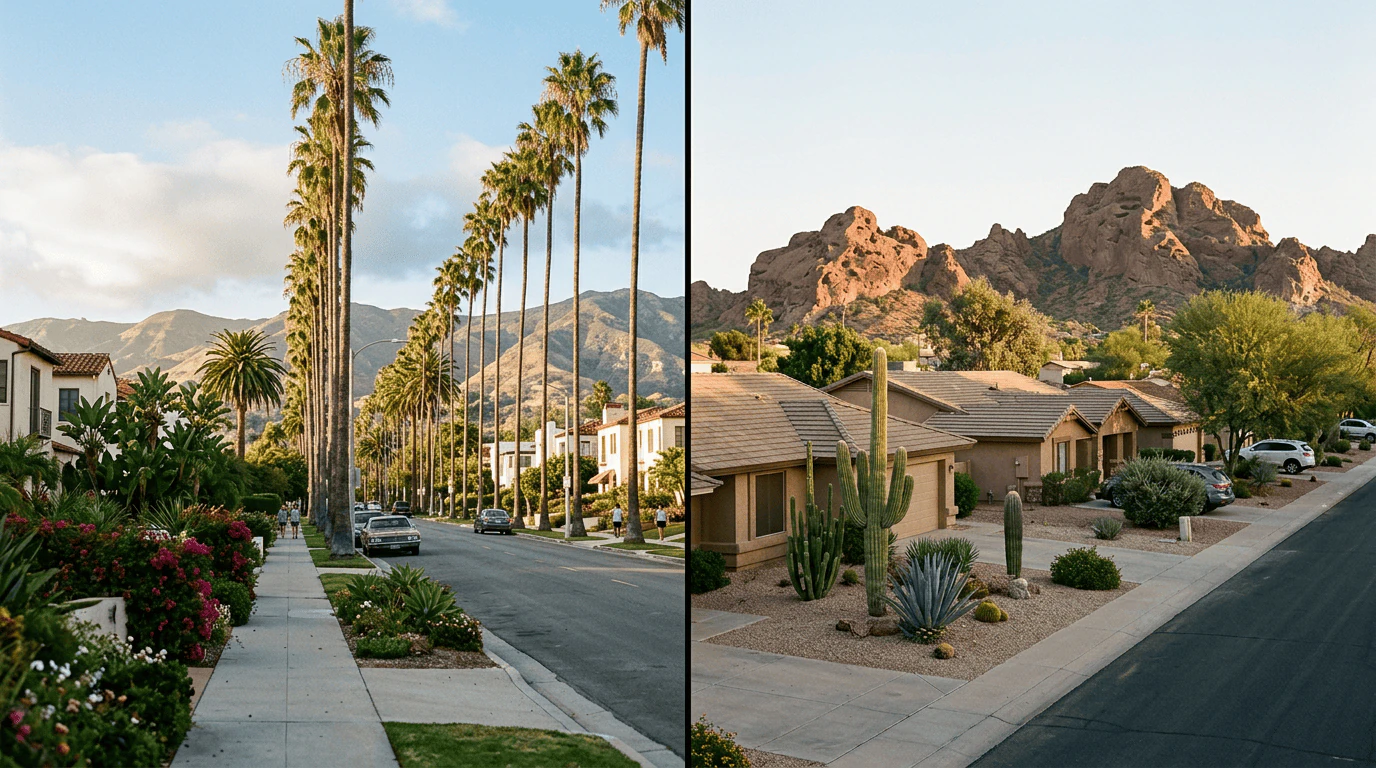
Phoenix has been pulling Californians east for years, and the reasons are hard to argue with — a three-bedroom house in Scottsdale costs what a one-bedroom apartment costs in Santa Monica, the job market in tech and healthcare is booming, and the commute that took you ninety minutes in LA takes twenty minutes across the Valley of the Sun. The 370-mile drive from Los Angeles to Phoenix on I-10 crosses some of the most beautiful and brutally hot terrain in the country, and that heat is the single biggest factor that separates this move from any other interstate relocation.
At SOS Moving, the LA-to-Phoenix route runs year-round, but the summer moves require a level of preparation that our coastal California clients don't always anticipate. When the interior of a moving truck parked in direct Phoenix sun hits 150 degrees, your belongings face conditions they were never designed for. This guide covers the cost, the route, the heat factor, and everything else that changes when you trade ocean air for desert sky.
What the LA to Phoenix Move Costs
The LA-to-Phoenix distance keeps pricing in the mid-range for interstate moves — shorter than a cross-country haul but long enough that flat-rate pricing makes more sense than hourly billing.
A one-bedroom apartment move runs $1,800 to $3,500 for full-service professional movers. A two-bedroom home costs $3,000 to $5,500. A three-bedroom house with a full garage typically falls between $4,500 and $8,000. These ranges include loading, transport, and unloading — but packing services, if you want professionals handling that step, add $300 to $800 depending on volume.
The DIY route is tempting at this distance. A one-way truck rental costs $150 to $400, and the drive takes five to six hours with a stop for fuel. Add gas at roughly $80 to $100, rental insurance, and a night in a motel if you're not comfortable driving a loaded truck through the desert after dark, and you're looking at $300 to $600 for truck and logistics alone. The savings are real if you have help loading and unloading — but the desert crossing in a non-air-conditioned cargo area changes the risk equation for your belongings.
At SOS Moving, we handle LA-to-Phoenix as a same-day or next-day interstate move depending on loading time. Morning loads in LA typically arrive in Phoenix by evening. Our flat-rate quotes include all protective materials — moving blankets, unlimited shrink wrap, heavy-duty tape, and wardrobe boxes — at no extra cost.
The I-10 Route and What to Expect
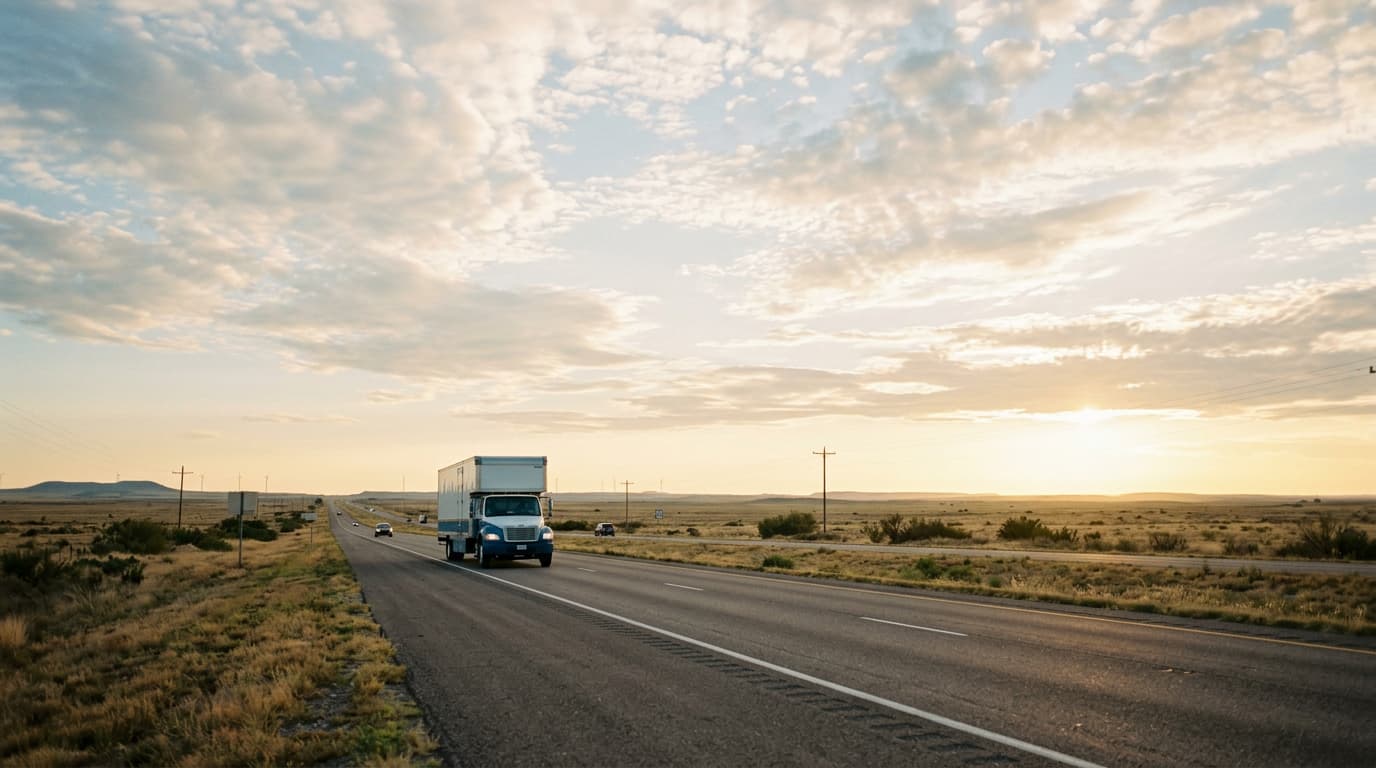
There's essentially one route from LA to Phoenix: Interstate 10 east. You'll pass through the Inland Empire, climb through the San Gorgonio Pass near Palm Springs, drop into the low desert through Blythe, cross the Colorado River into Arizona, and follow I-10 straight into the Phoenix metro area.
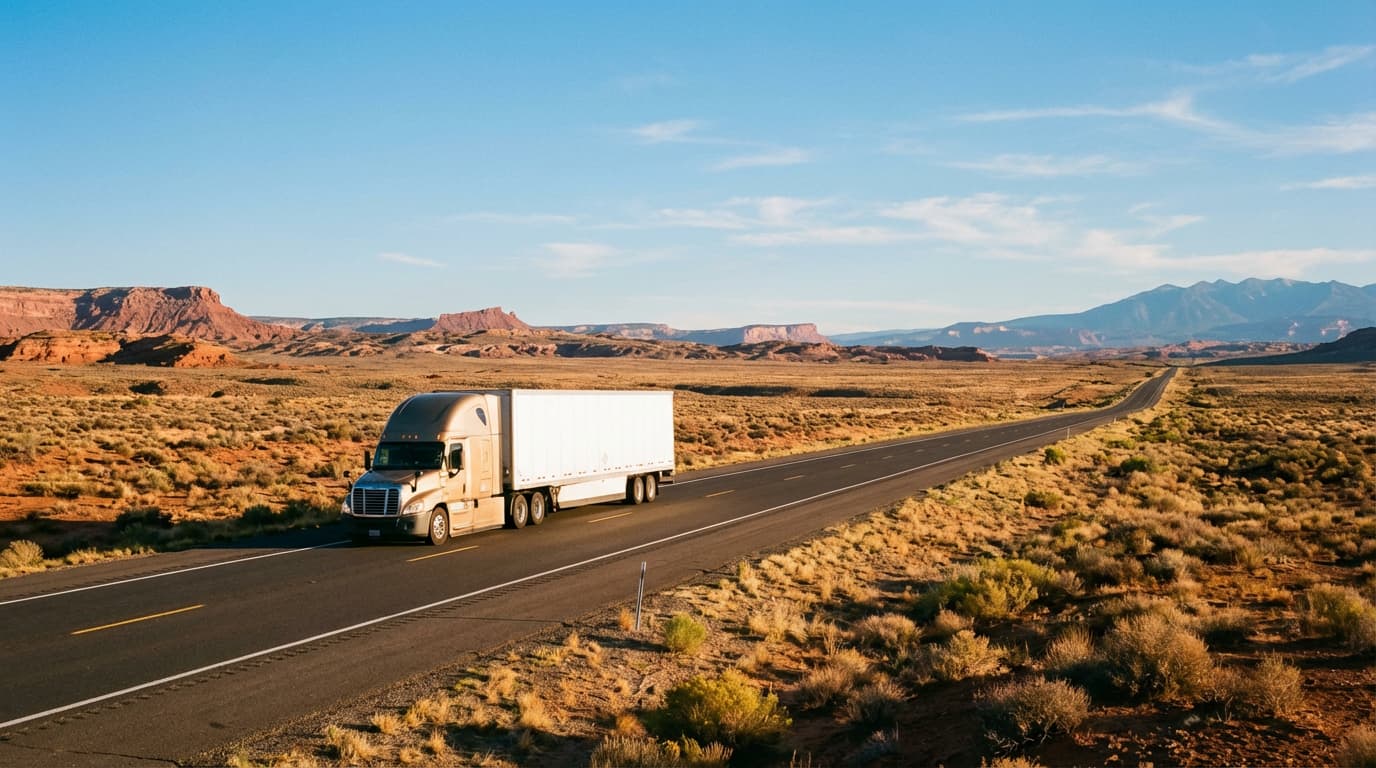
The drive is straightforward but monotonous — long stretches of open desert with limited services between Indio and Quartzsite. For a professional moving crew, this is routine. For someone driving a rental truck for the first time, the combination of desert heat, strong crosswinds, and limited fuel stops requires attention. Gas up before Blythe. The stretch between Blythe and Buckeye, Arizona is roughly 150 miles with few services.
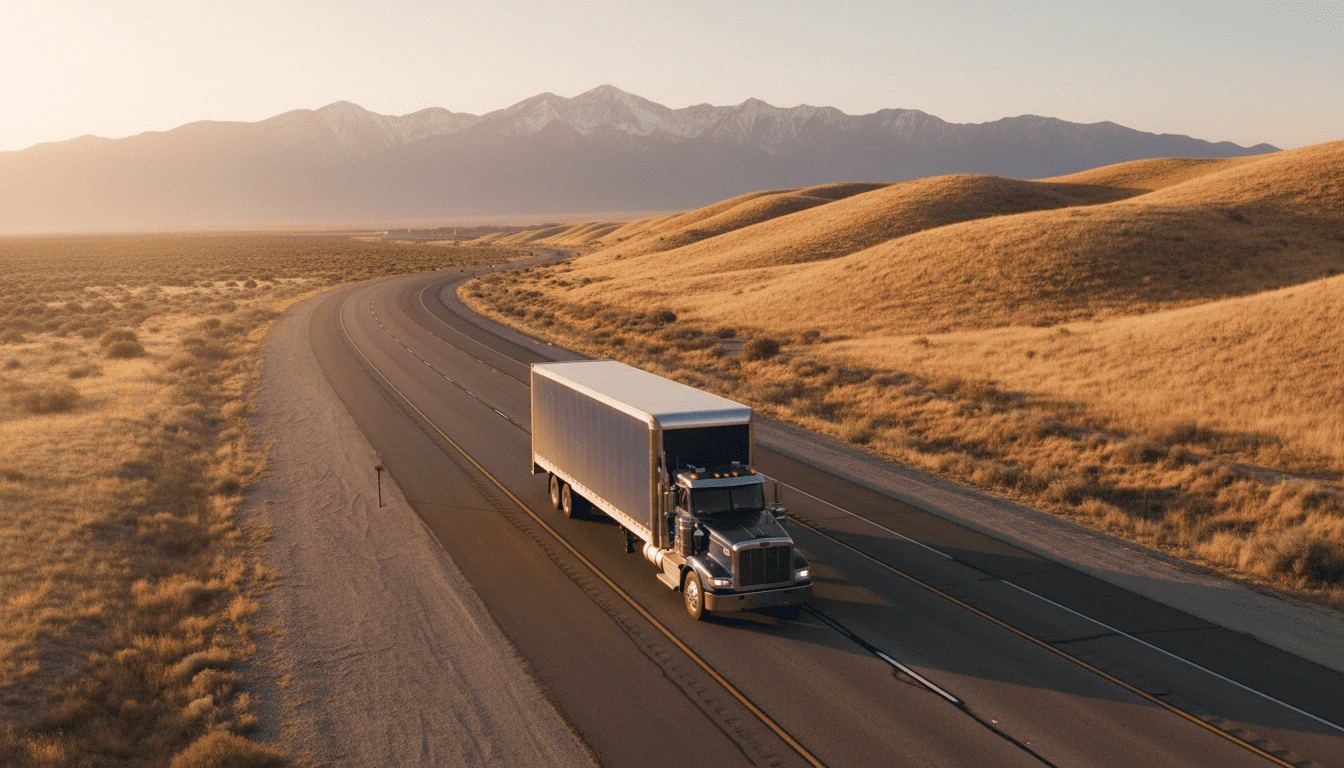
Summer temperatures along this route regularly exceed 115 degrees between June and September. The asphalt radiates heat that compounds the air temperature, and a breakdown on I-10 in July is a genuine safety emergency. Professional moving trucks are maintained for these conditions — our fleet at SOS Moving gets pre-trip inspections before every desert crossing, with emphasis on tires, cooling systems, and fluid levels. A rental truck with unknown maintenance history is a gamble in these temperatures.
Wind is the other I-10 variable. The San Gorgonio Pass near Palm Springs is one of the windiest corridors in California — the same wind that powers thousands of wind turbines also pushes loaded moving trucks sideways. High-profile vehicles like 26-foot trucks are particularly vulnerable to crosswinds, and a gust through the pass can feel like a shove from a giant hand. Professional drivers who run this route regularly know to slow down and grip the wheel. First-time truck drivers discover this the hard way.
Protecting Your Belongings From Desert Heat
Heat is not an abstract concern for an LA-to-Phoenix move — it's the primary risk to your belongings during transit. The cargo area of a moving truck has no air conditioning. A metal box on wheels sitting in direct Arizona sun becomes an oven, and everything inside cooks accordingly.
Items with the highest heat vulnerability include candles, which melt and ruin everything they touch. Vinyl records warp permanently above 140 degrees. Electronics with lithium batteries can overheat and in extreme cases present a fire risk. Cosmetics, medications, and anything with wax or adhesive components deform, separate, or become unusable. Wooden furniture expands, loosening joints and potentially cracking finishes. Upholstered furniture absorbs heat and releases volatile compounds from foam — the chemical smell in a couch that sat in 150-degree heat for six hours takes weeks to dissipate.
The mitigation strategy starts with timing. Schedule your move for early morning loading with midday departure so the truck spends the minimum possible time stationary in direct sun. The worst scenario is a truck loaded at noon, sitting in a Phoenix driveway until evening unloading — five hours of solar cooking with no airflow.
Pack heat-sensitive items in insulated containers or wrap them in moving blankets with reflective emergency blankets on the outside layer. Transport the most vulnerable items — medications, candles, wine, electronics — in your air-conditioned car rather than the truck. At SOS Moving, we advise every Phoenix-bound client to pull these items out of the general shipment and transport them personally.
Keep the truck cargo door closed as much as possible during loading and unloading. Every opening floods the interior with hot air. Load and unload in rapid bursts rather than leaving the door open continuously. If unloading at the Phoenix destination takes more than an hour, park the truck in shade — a building shadow, a covered loading area, even a large tree — to reduce interior temperatures.
Moving to Phoenix this summer? SOS Moving's crews prep every desert crossing with heat-protection protocols, pre-trip vehicle inspections, and the experience to keep your belongings safe through 115-degree temperatures. Call 909-443-0004 or get your free estimate.
What Changes When You Get to Arizona
The financial differences between California and Arizona are the headline, but the daily lifestyle changes are what actually shape your first few months.
Arizona has no state income tax equivalent to California's — the flat rate is 2.5 percent compared to California's progressive rate that climbs past thirteen percent for high earners. For a household earning $150,000, the annual tax savings can exceed $10,000. Property taxes are also lower — Arizona's effective rate is roughly 0.62 percent versus California's 0.74 percent, though the gap is smaller than most people expect because Arizona home values have climbed significantly.
Housing is where the real savings hit. The median home price in the Phoenix metro area runs approximately $420,000 compared to Los Angeles at over $900,000. Renting shows a similar gap — a two-bedroom apartment averages $1,500 to $1,800 in Phoenix suburbs versus $2,800 to $3,500 for equivalent LA neighborhoods. That monthly savings adds up to $15,000 to $20,000 per year in housing costs alone.
The heat requires genuine lifestyle adjustment. Phoenix summers mean planning outdoor activities before 8 AM or after 7 PM. Your car's steering wheel will burn your hands between May and September unless you use a windshield shade. Electric bills spike to $300 to $500 per month during peak summer because air conditioning runs around the clock. The "dry heat" everyone mentions is real — 110 degrees in Phoenix feels different from 95 degrees in humid Houston — but it's still 110 degrees, and your body needs time to adapt.
Driving distances in Phoenix surprise LA transplants in the opposite direction. Everything in the Phoenix metro area is spread out, but traffic moves. A twenty-mile commute takes twenty-five minutes instead of the ninety minutes the same distance would take on the 405 in Los Angeles. Highways are wider, better maintained, and — outside of a few rush-hour corridors — functional. Most people who move from LA to Phoenix cut their commute time in half despite driving similar distances.
Water is a topic that comes up frequently in conversations about Arizona's long-term viability. Phoenix draws water from the Colorado River, the Salt River system, and underground aquifers. Conservation measures are real — desert landscaping is standard, outdoor water use is restricted, and new developments face increasingly strict water allocation requirements. This doesn't affect daily life for most residents, but it's a factor worth understanding if you're purchasing property for the long term.
Vehicle and Administrative Transitions
Arizona gives you fifteen days after establishing residency to register your vehicle and get an Arizona driver's license. The timeline is tighter than California's twenty-day window, so prioritize this in your first week.
Arizona requires an emissions test for vehicles registered in the Phoenix and Tucson metro areas. If your California vehicle passes California's smog check — which has stricter standards — it will almost certainly pass Arizona's test. Budget $20 to $30 for the test and have it done before visiting the MVD for registration.
Vehicle insurance rates in Arizona are generally lower than Los Angeles, though the specific savings depend on your zip code, driving history, and coverage levels. Shop rates before your move so you can switch policies immediately upon arrival. A gap in coverage during the transition is both illegal and risky.
Arizona driver's licenses are valid until age 65, which means you won't need to renew for decades if you're young. California licenses expire every five years. One less errand to remember for the next several decades is a small but genuine quality-of-life upgrade.
Choosing Your Phoenix Neighborhood
The Phoenix metro area is massive — over 14,000 square miles — and choosing the right suburb matters as much as choosing between LA neighborhoods.
Scottsdale attracts the lifestyle-focused crowd with upscale dining, resort communities, and proximity to hiking in the McDowell Mountains. Housing costs are the highest in the metro but still half of equivalent LA neighborhoods.
Chandler and Gilbert offer the strongest family appeal — top-rated school districts, master-planned communities, and suburban infrastructure that makes daily life predictable and convenient. These suburbs have grown explosively over the past decade and feel newer than most of LA.
Tempe draws younger transplants with Arizona State University's campus energy, a walkable downtown core, and light rail access. Rents are lower than Scottsdale and the social scene is more active.
Mesa and Surprise provide the most affordable entry points in the metro, with newer construction homes available under $350,000. The trade-off is distance from central Phoenix — commutes from the outer suburbs to downtown can stretch to forty-five minutes despite the faster traffic.
Frequently Asked Questions
How long does the LA to Phoenix move take? Drive time is five to six hours on I-10. A full-service move with morning loading in LA and afternoon unloading in Phoenix is typically completed same-day. Larger homes may require next-day delivery depending on loading complexity.
What is the cheapest month to move from LA to Phoenix? November through February offers the lowest rates and the most comfortable temperatures for the desert crossing. Avoid June through August when heat adds risk and summer demand increases prices.
Should I drive the moving truck myself to save money? For small moves with limited belongings, a rental truck saves money if you're comfortable driving through desert heat and wind. For anything larger than a studio, the risk to your belongings and the physical toll of loading and unloading in extreme heat typically make professional movers the better value.
Do I need to change my car insurance when moving to Arizona? Yes. Arizona requires you to carry Arizona-registered insurance. Rates are generally lower than LA, but you must switch before registering your vehicle. A lapse in coverage creates legal and financial risk.
How hot does it get inside a moving truck in Phoenix? Interior temperatures in an unshaded truck can exceed 150 degrees in summer. This is hot enough to melt candles, warp vinyl, damage electronics, and degrade wooden furniture finishes. Schedule loading and unloading for early morning hours and park in shade whenever possible.
Get Started with Your LA to Phoenix Move
SOS Moving runs the I-10 corridor between Los Angeles and Phoenix year-round with same-day delivery, heat-protection protocols, and flat-rate pricing that includes all materials. Call 909-443-0004 or request your free estimate to get a transparent quote for your desert crossing — we'll handle the logistics while you start planning your new life in the Valley of the Sun.