

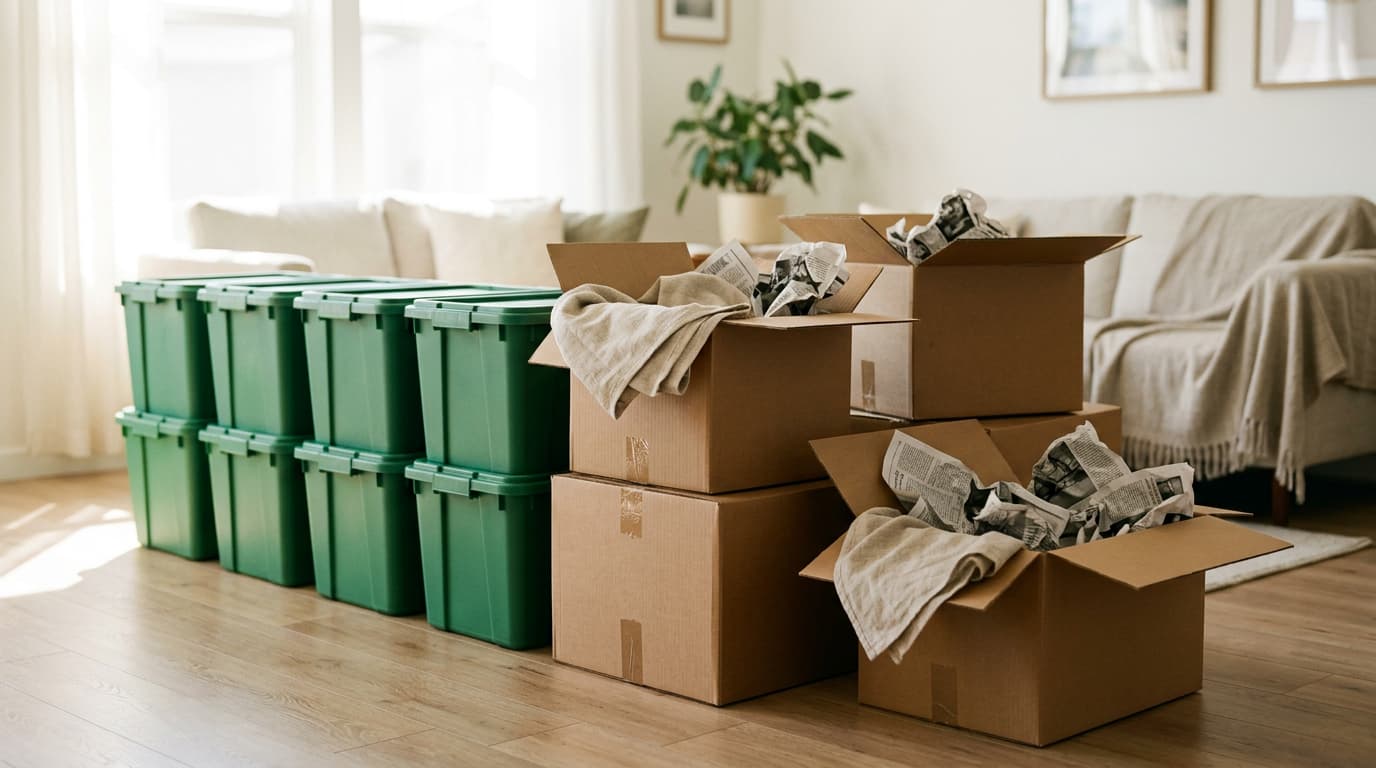
The average American move generates roughly 100 pounds of waste — mostly single-use cardboard, bubble wrap, packing peanuts, and tape that goes straight to a landfill the week after unpacking. In a city like Los Angeles, where environmental consciousness shapes purchasing decisions, restaurant menus, and building codes, the wastefulness of a traditional move feels increasingly out of step with how people actually want to live. The good news is that green moving alternatives have matured past the impractical-but-virtuous stage and into options that protect your belongings as well as conventional materials while producing a fraction of the waste.
At SOS Moving, we've watched the green packing conversation shift from niche interest to mainstream priority. Clients who five years ago never mentioned environmental concerns now ask about sustainable options during their booking calls. The demand is real, the options are practical, and the cost is comparable — sometimes cheaper — than the conventional approach.
Reusable Plastic Bins vs Single-Use Cardboard
The biggest single change you can make for a greener move is replacing single-use cardboard boxes with reusable plastic bins.
Rental services in Los Angeles deliver plastic moving bins to your door, pick them up after you unpack, and reuse each bin across hundreds of moves before eventually recycling the plastic. The environmental math is straightforward: one plastic bin replacing 400 to 500 single-use cardboard boxes over its lifetime reduces manufacturing waste, transportation emissions, and landfill volume dramatically.
The practical advantages align with the environmental ones. Plastic bins don't need tape — they have attached lids that snap shut. They're waterproof, which eliminates the need for plastic sheeting during rainy moves. They stack more securely than cardboard because the lids are flat and rigid. And after unpacking, you stack them by the door and the service picks them up — zero recycling trips, zero collapsed boxes cluttering your new apartment.
The cost comparison is roughly equal for short-term local moves. Renting twenty-five bins for two weeks costs $75 to $150, compared to $125 to $200 for the same number of new cardboard boxes plus tape and packing supplies. The environmental benefit comes at no additional cost — and in many cases at a savings.
The limitation remains the same: plastic bin rentals are local services. If you're moving to LA from Austin, Denver, or any city outside the rental company's service area, cardboard is your only box option for interstate moves. For these situations, sourcing recycled cardboard or used boxes minimizes the environmental footprint of a necessary single-use material.
Green Packing Materials That Actually Protect
The biggest concern people have about eco-friendly packing is whether alternatives protect belongings as well as conventional materials. The answer depends on which alternatives you choose.
Packing paper — plain newsprint without ink — is already one of the most sustainable packing materials available. It's made from recycled content, it's fully recyclable after use, and it biodegrades quickly in landfill. At SOS Moving, we sell packing paper at $55 for 600 sheets, and it remains the primary wrapping material our crews use for dishes, glasses, and fragile items. The protection level equals or exceeds bubble wrap for most items, with the added benefit of not leaving plastic residue on surfaces.
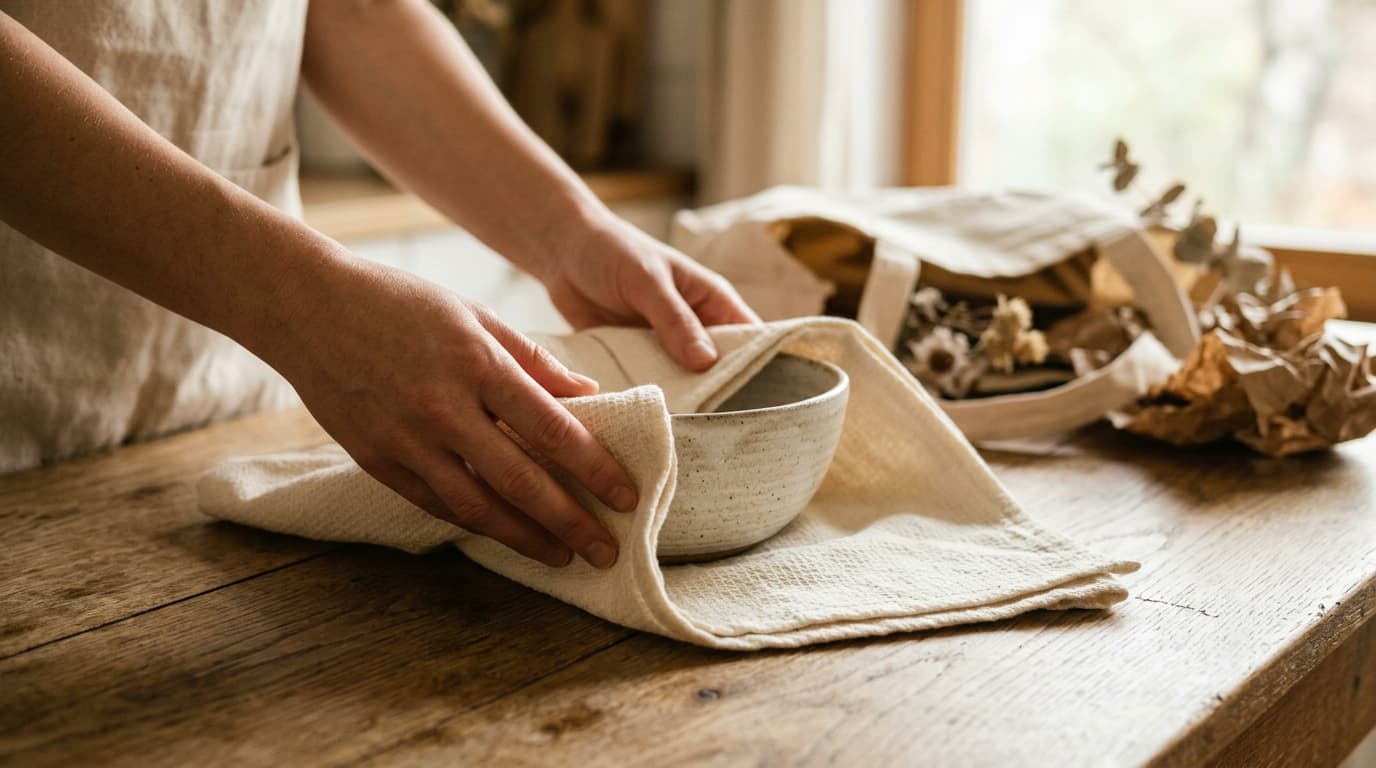
Household textiles replace purpose-made packing materials with items you already own and are moving anyway. Bath towels wrap fragile items. T-shirts cushion glasses. Bed sheets pad furniture surfaces. Socks fill gaps inside boxes. Every towel used as packing material is a towel that didn't need a separate box and a piece of bubble wrap that didn't need to exist. At SOS Moving, our crews use this technique daily — wrapping a vase in a bath towel provides cushioning comparable to two layers of bubble wrap, and both the vase and the towel arrive at the destination ready for use.
Corrugated cardboard dividers — the cell inserts used in dish pack boxes — are reusable, recyclable, and more protective than crumpled paper for glassware. A cardboard divider grid that separates each glass into its own cell prevents contact between items, which is the primary cause of breakage. These dividers are reused across multiple moves by rental services and can be recycled by individual users after a single move.
Biodegradable packing peanuts made from cornstarch dissolve in water and break down in compost. They provide the same void-fill function as polystyrene peanuts without the centuries-long decomposition timeline. The cost is slightly higher — roughly $10 to $15 more per bag — but for people who need peanut-style void fill for electronics or oddly shaped items, the biodegradable version performs identically without the environmental guilt.
Materials to avoid in a green move: polystyrene foam peanuts (non-biodegradable, non-recyclable in most municipal programs), plastic bubble wrap (recyclable only at specialty drop-off points, not curbside), and excessive tape (most packing tape is non-recyclable PVC or polypropylene). Paper tape — available at most hardware stores — provides comparable adhesion on cardboard and is fully recyclable as part of the cardboard recycling stream.
Reducing Volume Before the Move
The greenest packing material is the one you don't need because you're moving fewer things. Decluttering before a move is the single most impactful environmental action in the entire moving process — and it saves money on every other aspect of the move simultaneously.
Every item you don't move is a box you don't need, a pound the truck doesn't carry, fuel the engine doesn't burn, and an hour the crew doesn't spend loading and unloading. A decluttering pass through your home that removes 20 percent of your belongings by volume — the typical yield for most households — can eliminate five to ten boxes from the move, save thirty to sixty minutes of crew time, and reduce fuel consumption for the transport.
The how matters as much as the whether. Donating usable items to Goodwill, Salvation Army, or local shelters keeps them out of landfill and puts them to use. Selling furniture, electronics, and clothing through marketplace platforms generates cash that offsets moving costs. Recycling paper, electronics, and textiles through LA's curbside program or specialty drop-off sites handles items that aren't donation-worthy. Discarding should be the last resort for items that truly have no remaining use.
The timeline for decluttering is four to six weeks before the move. This gives you enough time to list items for sale, schedule donation pickups, and process the emotional component of letting go of possessions that have sentimental weight but no practical utility. Rushing the declutter in the final week before moving leads to everything going in the trash — which defeats the environmental purpose entirely.
What SOS Moving Does for Greener Moves
Professional moving companies contribute to — or detract from — the environmental footprint of your move based on their operational practices. Here's how SOS Moving approaches sustainability in daily operations.
Our moving blankets are reused across thousands of moves. Each blanket replaces roughly 200 sheets of single-use packing paper or the equivalent volume of bubble wrap per move. A fleet of 500 blankets used across 1,500 moves per year replaces approximately 300,000 sheets of single-use material annually. The blankets are eventually recycled as industrial rags when they reach end of life.
Unlimited shrink wrap is included on every SOS Moving job, and while shrink wrap is a plastic product, it replaces the need for tape on furniture surfaces. A single wrap of shrink wrap around a dresser protects all surfaces without tape adhesive residue. The stretch mechanism means less material is used per item compared to wrapping with tape and paper. We're monitoring biodegradable shrink wrap alternatives as they become available at commercial scale.
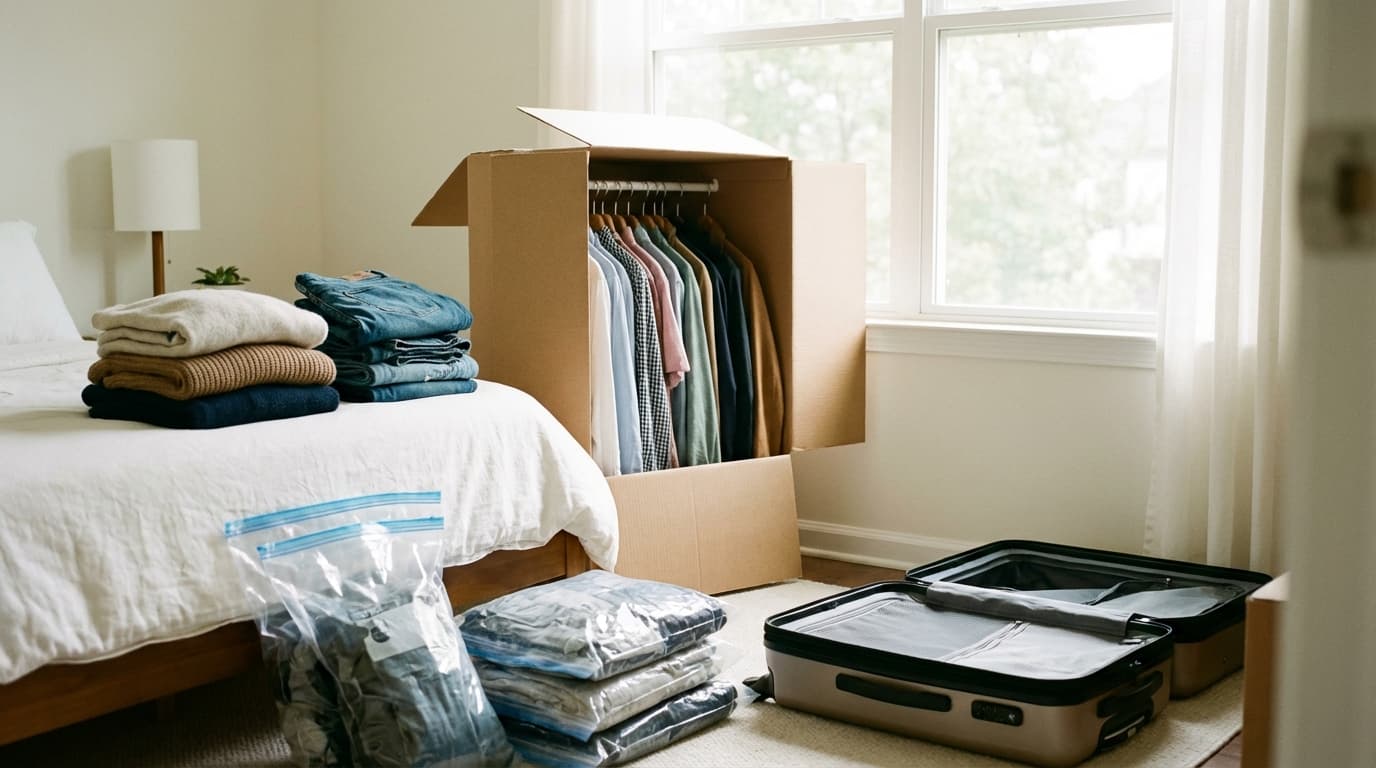
Wardrobe boxes included on every job are reused across multiple moves. Clothes transfer directly from closet to wardrobe box on hangers — no folding, no tissue paper, no plastic garment bags. The wardrobe box returns to our inventory after your move and serves dozens of additional customers before being recycled.
Route optimization reduces fuel consumption per move. Our dispatch system groups jobs geographically to minimize empty drive miles between clients. A truck that serves three clients along a logical route burns significantly less fuel than three separate truck deployments to scattered locations.
Want a greener move without sacrificing protection? SOS Moving includes reusable blankets, wardrobe boxes, and shrink wrap on every job — your belongings arrive safe while producing less waste than a conventional move. Call 909-443-0004 or get your free estimate.
The Full Green Moving Checklist
Pulling together all the sustainable options into a single actionable plan makes the process manageable rather than overwhelming.
Four to six weeks before the move: declutter aggressively. Donate, sell, and recycle everything you won't use in your new home. Every item eliminated reduces the environmental and financial cost of the move.
Two to three weeks before: reserve reusable plastic bins if available for your move type. For interstate moves or situations where bin rental doesn't work, source used cardboard boxes from free box sources — Craigslist, Facebook Marketplace, Buy Nothing groups, and liquor stores are all excellent for secondhand boxes in Los Angeles.
One to two weeks before: begin packing using household textiles as wrapping material wherever possible. Towels around fragile items, shirts as cushioning, sheets as furniture padding. Purchase packing paper for items that need dedicated wrapping — it's recyclable and biodegradable, making it the greenest purpose-made material available.
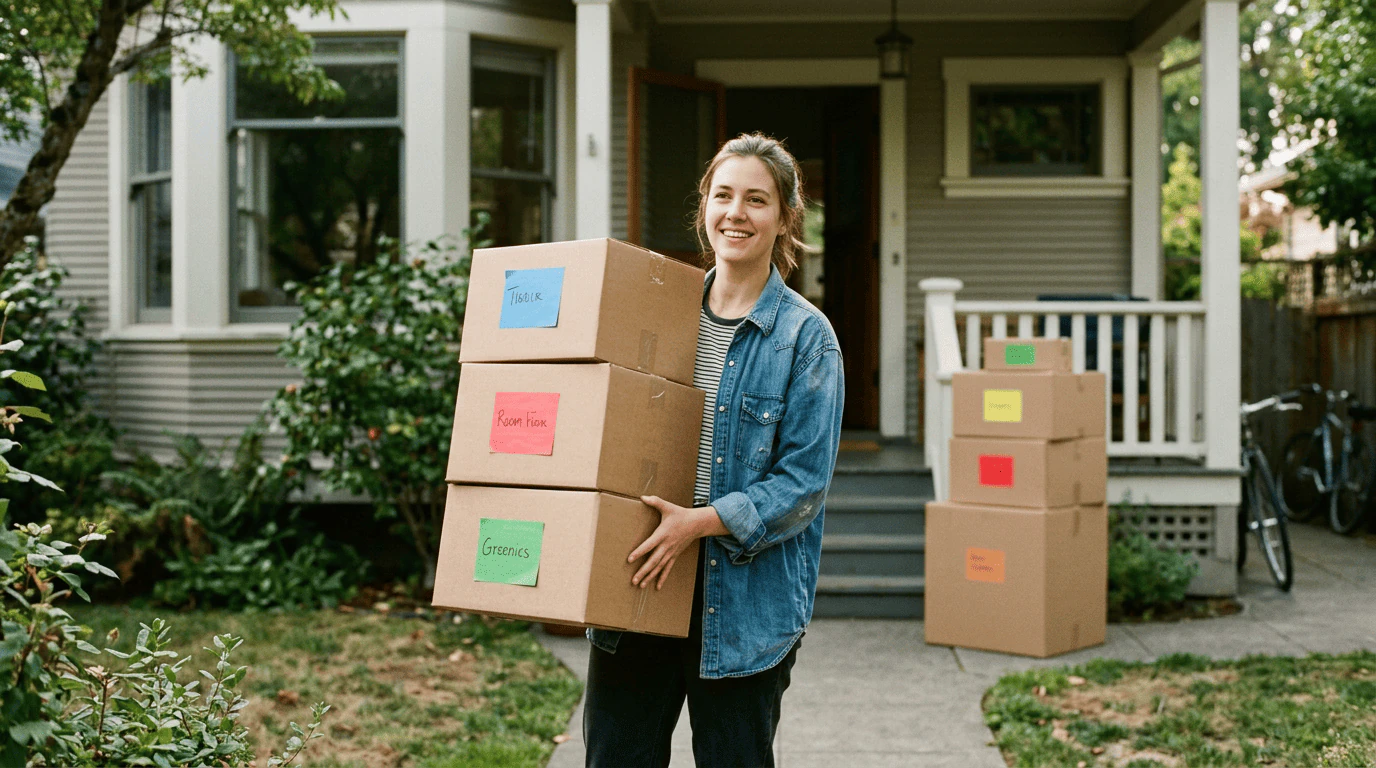
Packing week: use paper tape instead of plastic packing tape on cardboard boxes. Label boxes with markers rather than printed labels with adhesive backing. Pack a clearly labeled essentials box so you don't generate waste buying disposable replacements for items buried in unpacked boxes during your first days in the new apartment.
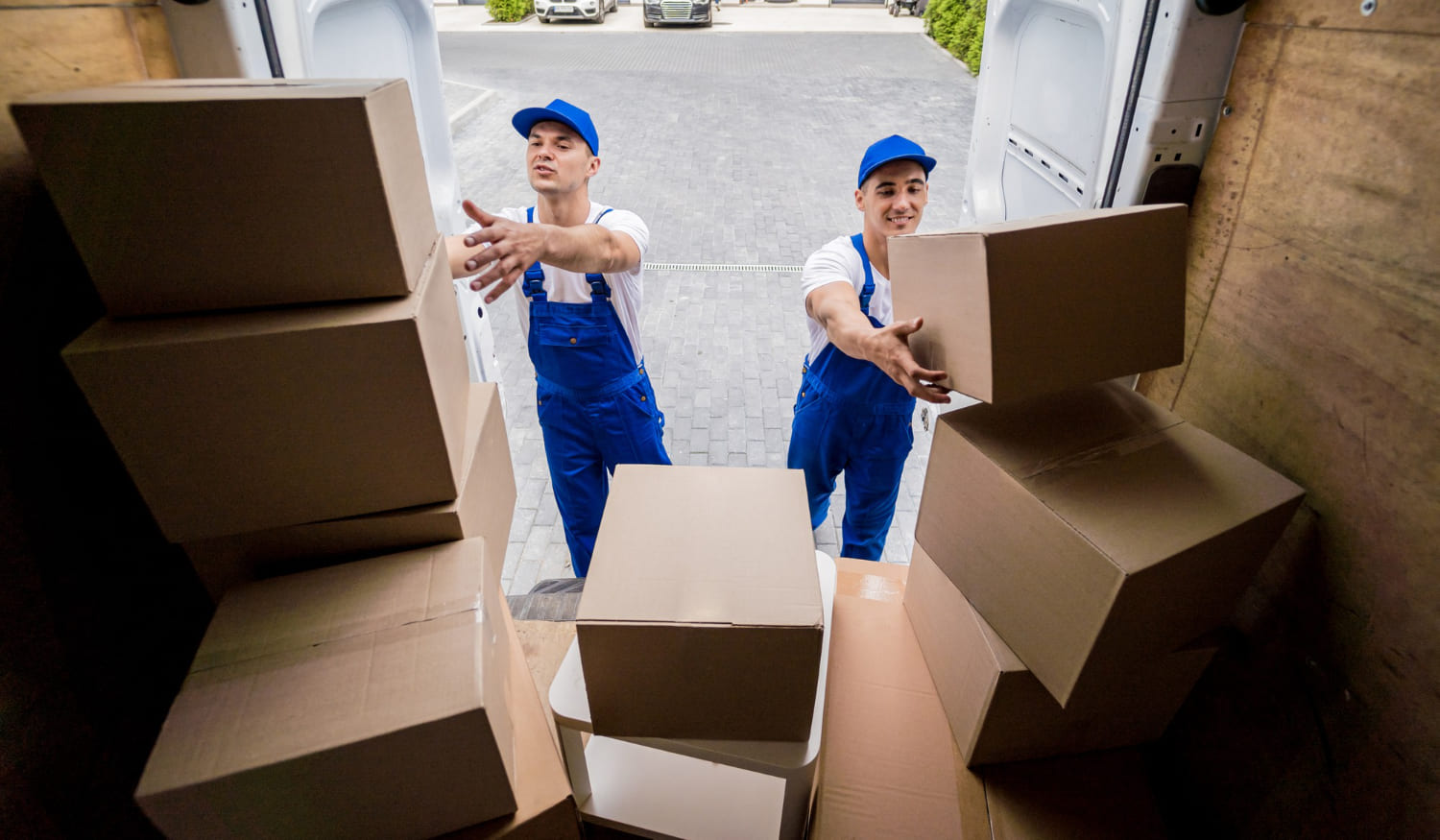
Moving day: your movers handle furniture protection with reusable blankets and shrink wrap. Plastic bins travel as-is with no additional wrapping. Cardboard boxes are loaded with the same care regardless of whether they're new, used, or recycled.
After the move: return rental bins on schedule. Flatten and recycle cardboard boxes through LA's curbside recycling program. Reuse packing paper for art projects, pet bedding, or fire starter if you have a fireplace. Fold and store reusable towels and textiles that served as packing material — they're ready for your next move or daily use.
Frequently Asked Questions
Is eco-friendly moving more expensive? Not necessarily. Reusable plastic bins cost roughly the same as new cardboard boxes for short-term local moves. Using household textiles as packing material saves money compared to buying bubble wrap and packing peanuts. Decluttering reduces total moving volume, which directly lowers crew time and truck requirements.
Do green packing materials protect as well as conventional ones? Packing paper and household textiles provide comparable protection to bubble wrap for most items. For extremely fragile or high-value items, biodegradable bubble wrap and cornstarch packing peanuts offer identical performance to their conventional counterparts with a smaller environmental footprint.
Can I recycle moving boxes curbside in LA? Yes. Clean, flattened cardboard boxes are accepted in LA's blue bin curbside recycling program. Remove any tape, labels, or non-paper materials before recycling. Wet or food-contaminated cardboard goes in the trash, not recycling.
What about bubble wrap — is there a green alternative? Biodegradable bubble wrap made from recycled polyethylene is available online and at some packing supply stores. Corrugated cardboard wrap provides similar cushioning for flat items. For most packing needs, crumpled packing paper provides adequate cushioning without any plastic.
Does SOS Moving offer green moving options? Every SOS Moving job includes reusable blankets, reusable wardrobe boxes, and shrink wrap that eliminates the need for excess tape and paper on furniture. We sell recyclable packing paper and can advise on minimizing waste throughout your move. Our operational practices — blanket reuse, route optimization, wardrobe box circulation — are built into every job by default.
Get Started with a Sustainable Move
SOS Moving's standard service is already greener than most — reusable blankets, circulating wardrobe boxes, and included shrink wrap reduce waste on every job. Pair that with plastic bin rentals, textile-based packing, and a pre-move declutter, and your LA relocation produces a fraction of the waste that a conventional move generates. Call 909-443-0004 or request your free estimate to plan a move that's kind to your belongings and the planet.