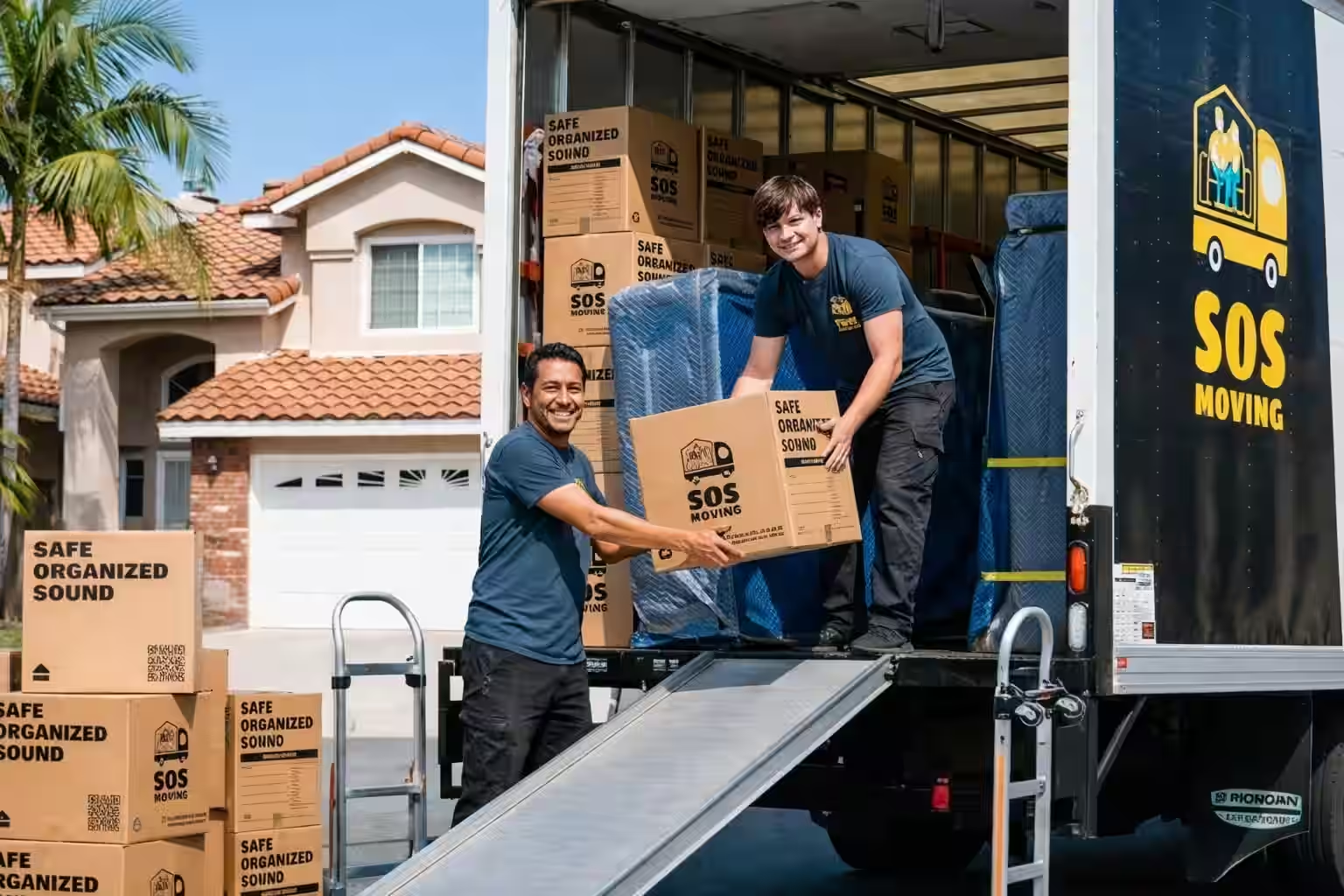




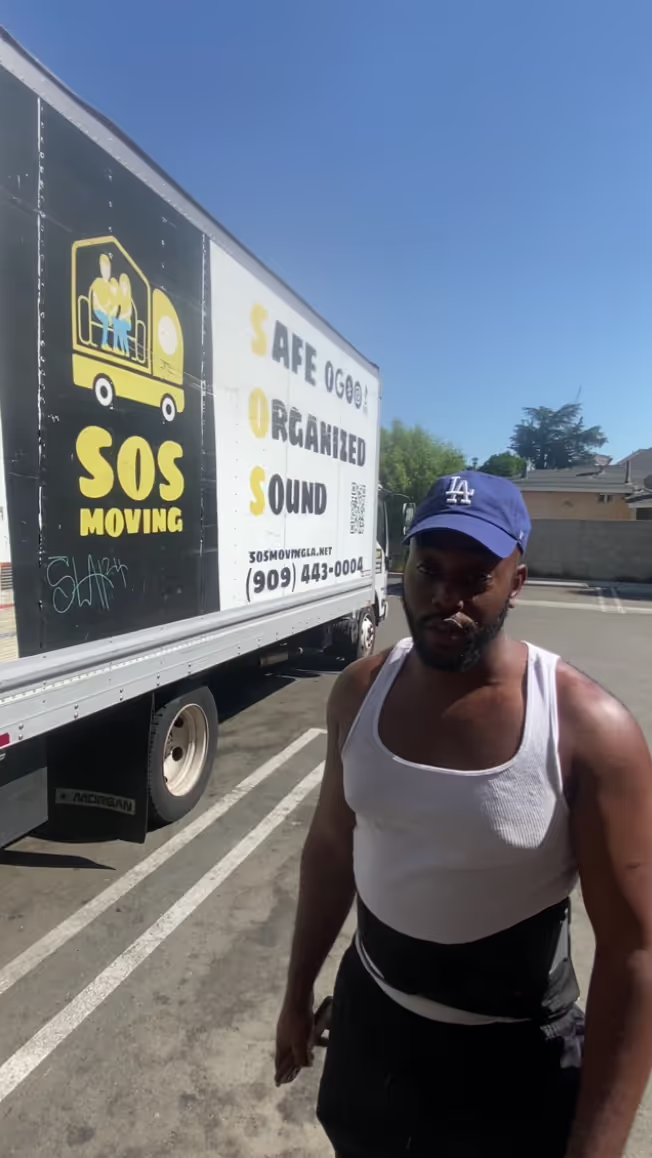
Moving and storage in Costa Mesa, CA, usually begins as a calendar problem: the day the keys go back and the day the new ones arrive are not the same day. SOS Moving takes the rooms, holds them and brings them back, so that gap costs a phone call instead of a second move. The same crew you would book from our Costa Mesa movers page does the lifting; the storage service only adds the wait in between.
This is a tenant city on paper as well as in practice. The Land Use Element counts 28,413 multi-family units against 14,210 single-family ones, and 2010 Census figures put renter-occupied homes at 58 percent of all occupied units. That mix is why we hear date problems here far more often than space problems.
One booking contains three separate pieces of work. A crew wraps and loads at your address, drives the load to a monitored facility where temperature and humidity are held steady through the year, and returns it when you say the word. Nothing is left in a box on your driveway and nothing waits outdoors.
Storage can also stand alone. Plenty of jobs here are a pickup now and a return to the very same address once a remodel, a repair or an inspection is finished, with no change of address involved at all.
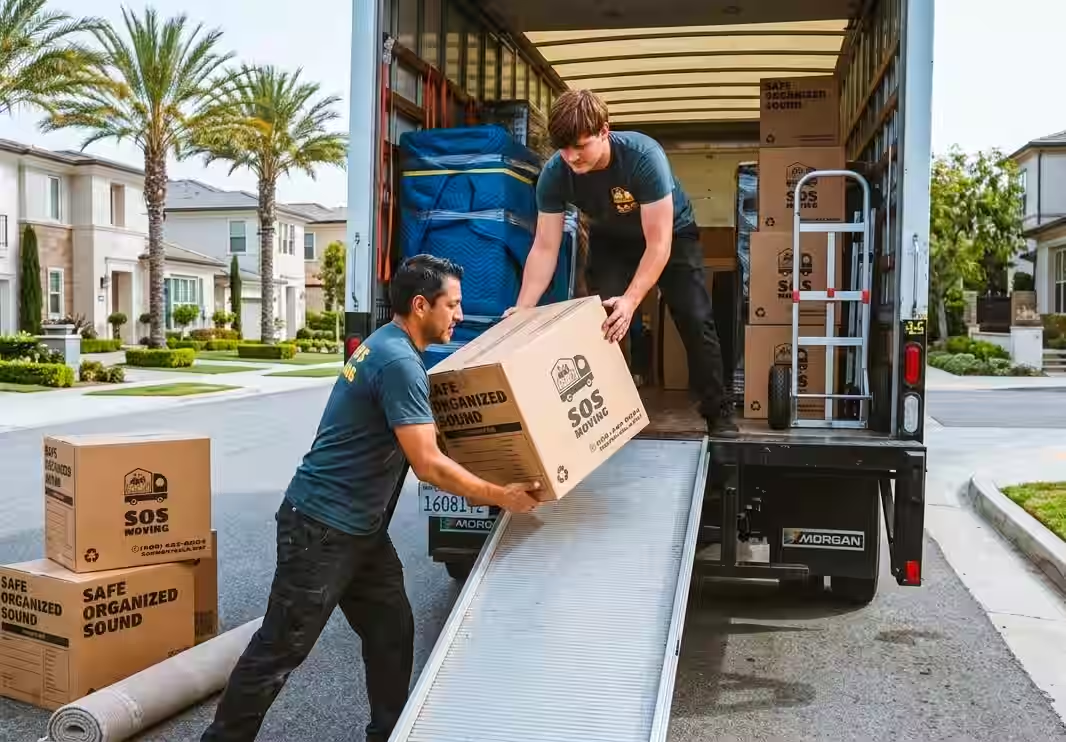
Days to a few weeks. A lease that ends on the 31st when the next one begins on the 5th, a kitchen torn out for three weeks, a space that has to be cleared while a park office schedules work. There is no minimum stay and no penalty if the dates slide again.
From a month upward. Furniture waits here while a real remodel runs its course, while an owner sits on a permit, or while a smaller home is sorted out room by room. Your inventory stays listed the whole time and the end date is the one you name.
Built for a long-distance move where the new place is not ready. We hold the load after pickup and deliver it to the destination on the date you set, which spares you hiring a second company in another state.
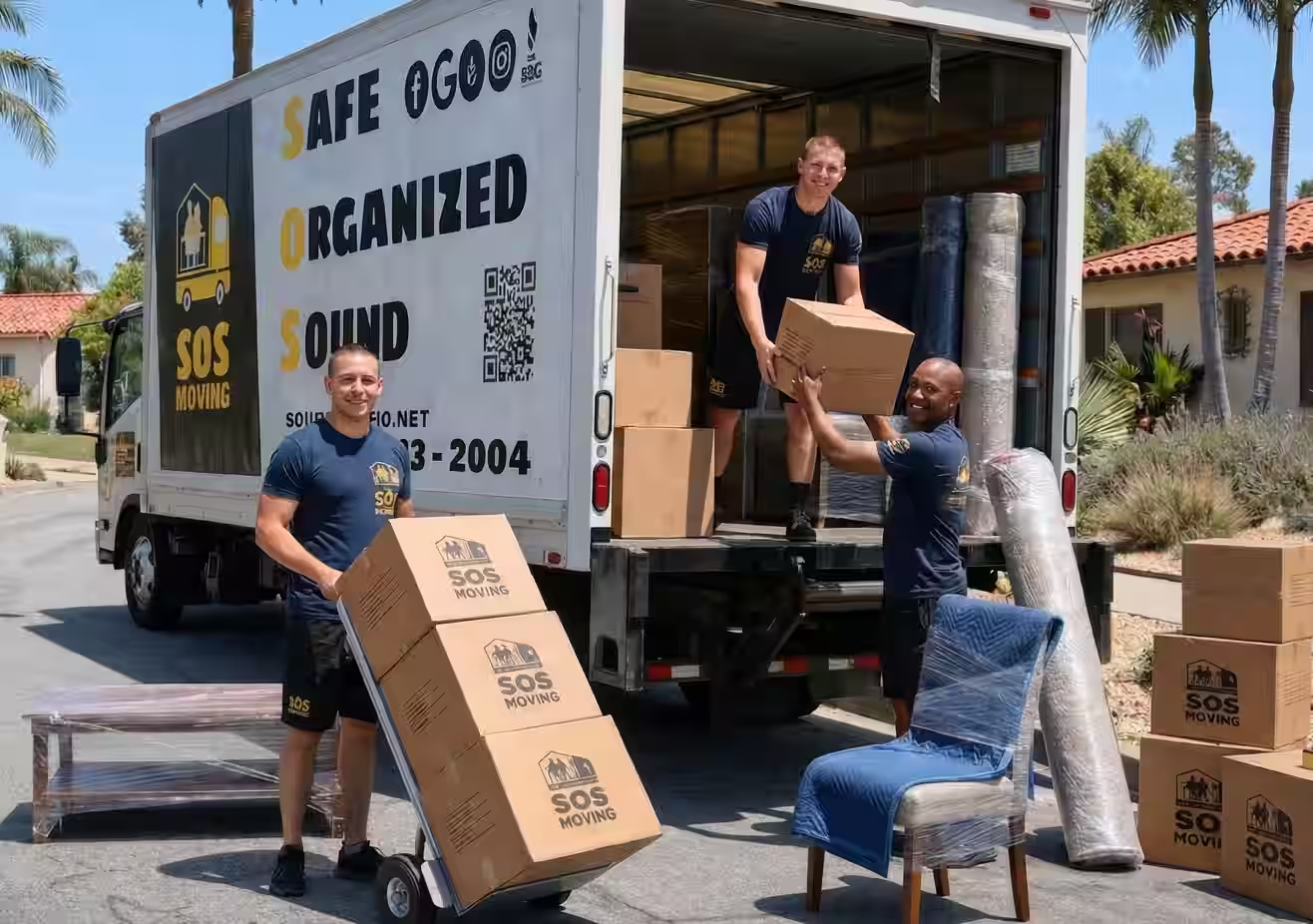
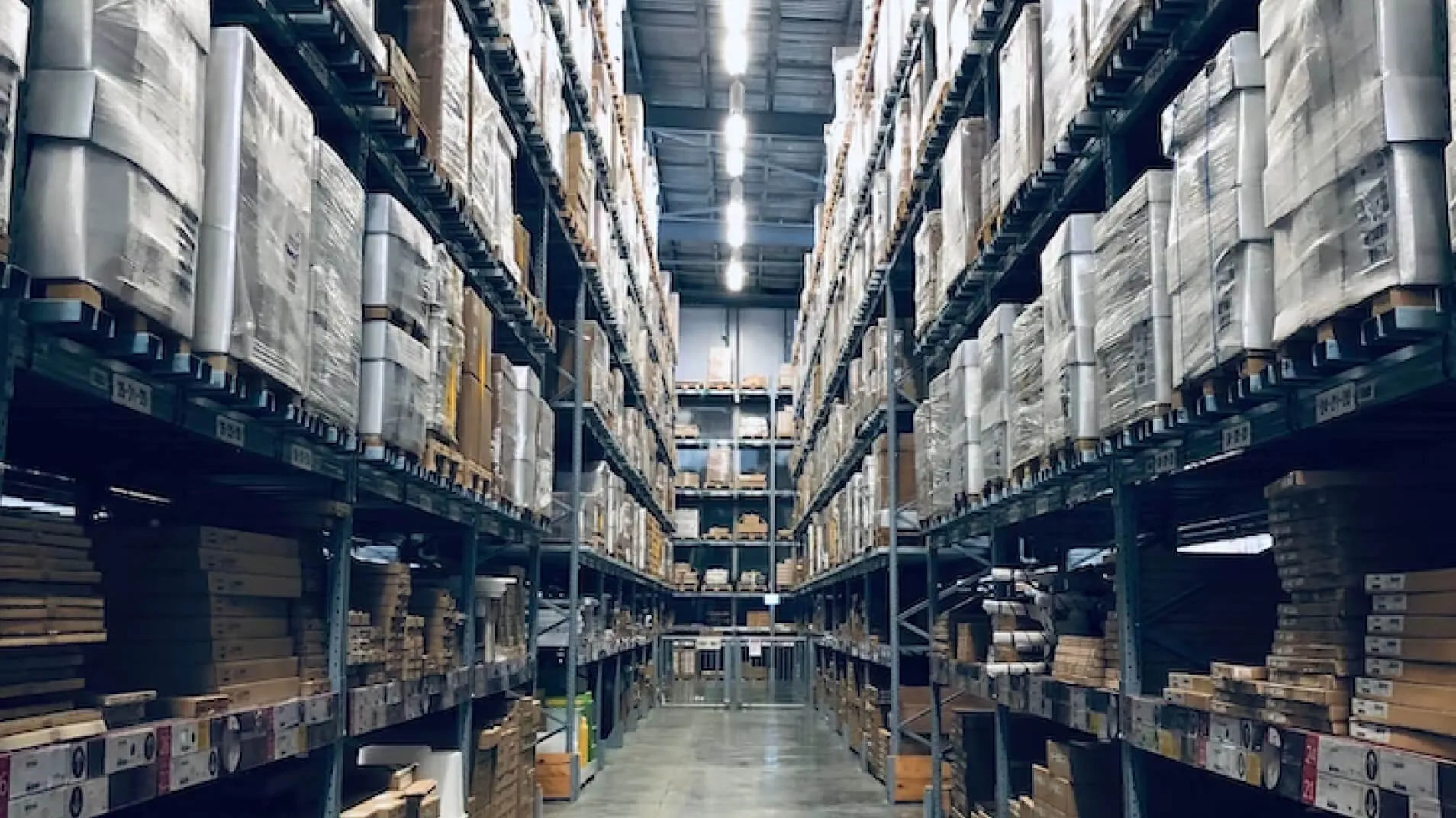
Climate control is the part that matters over a long wait. Temperature and humidity are held steady all year, which is what keeps solid wood from warping, boards and screens from pulling in damp, and upholstery from going musty. The facility is monitored and secured.
Ordinary household weight makes up most of what we hold: sofas and armchairs, bed frames and mattresses, dining sets, appliances, boxed kitchens, wardrobes, televisions and computers, files, artwork and seasonal decorations. An office job adds desks, chairs, server gear and stock.
A short list cannot travel with us, for safety and for the sake of everything stored beside it: flammables and corrosives, explosives, propane, loose batteries, perishable food, live plants, and anything that draws pests or holds moisture. Ask before pickup day if an item is borderline.
Space is worked out from your inventory rather than from a size chart you have to guess at. During the free estimate for a Costa Mesa pickup we name the crew, the hours and the space the load will take, so nobody pays for room they will never fill.

Before the day. Call 909-443-0004 or send the details through the form. What has to leave the rooms, roughly how long it must wait, and which dates are fixed: from that we name the crew size, the hours and the space.
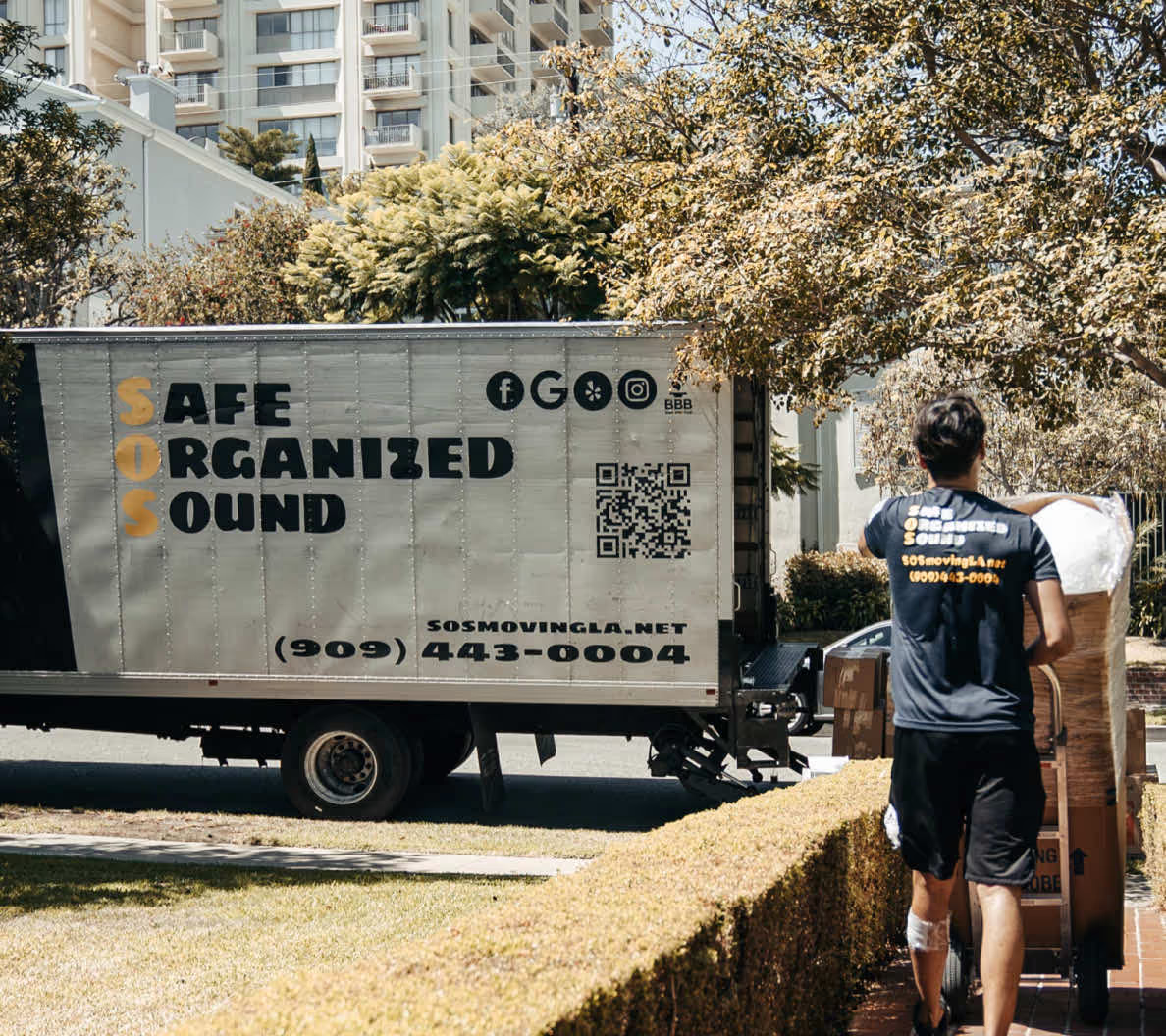
At pickup. A crew arrives with blankets, shrink wrap, wardrobe boxes and corner protection. Every piece is wrapped where it stands and written onto an inventory before it reaches the truck, so the paperwork matches the load.
While it waits. Your load goes straight to the climate-controlled facility and is stacked so nothing leans or shifts. Need longer than you booked? Tell us before the term ends and it extends without a penalty.
On the way back. Give us a date, and a crew pulls your inventory, drives it over and sets each piece where you want it. When the return doubles as a local move, both legs sit on one booking.
Monday through Thursday, two movers with a truck are $119 an hour in cash or $129 by card, three movers $159 or $169, four movers $199 or $209. Friday, Saturday and Sunday those figures step up: $135 or $145 for a pair, $175 or $185 for three, $215 or $225 for four.
On top of the hourly rate there is a $30 gas fee and a $50 deposit, and the deposit comes straight off the final bill. Crew time carries a three-hour minimum, and anything past eight hours in one day is billed as overtime.
Trucks leave our base at 5530 Jillson Street in Los Angeles, so on a Costa Mesa address two travel rules can come into play: travel time is doubled beyond 10 miles, and the minimum becomes four hours at 30 miles or more. We tell you which applies when we quote, and we do not guess mileage on a web page.
Flat extras are short and public: a certificate of insurance for a building is $50, a second truck $200, a piano $200 and only with a four-mover crew, a single item over 300 lbs $150 with three movers, and a load that has to sit overnight before it moves $200.
What the storage term costs depends on the space your inventory fills and how long it stays, so that number arrives with your estimate rather than as a headline here. We work Monday through Sunday, 8AM – 6PM, and a same-day pickup is possible when a crew is open.
Municipal Code 10-185 treats a commercial vehicle as one over 20 feet long, over 84 inches wide or rated at 10,000 pounds and up, and the city handout names box trucks and delivery trucks as examples. Such a vehicle may not stand on a street that is not a designated truck route, the exception being temporary parking while a delivery is made or a service performed.
Major arterials on the city list include Newport Blvd, Harbor Blvd, Victoria St, Baker St, Adams Ave, Fair Dr, West 19th St, 17th St, Placentia Ave, Bear St, Bristol St and Redhill Ave. Even on one of those, standing beyond three hours is barred, as is any parking between 2 a.m. and 6 a.m.
Because a pickup is exactly that temporary service stop, we ask at booking where a truck can stand, stage the wrapped pieces by the door and load in one pass.
Seventeen mobile home parks sit inside the city with 953 spaces between them, and they cluster: five along Newport Blvd, three on Whittier Ave, Trade Winds at 2191 Harbor Blvd, with Costa Mesa Mobile Estates on W Wilson St the largest at 113 spaces and Playport Mobile Village on W 17th St next at 103.
Parks answer to the state Department of Housing and Community Development under the Mobilehome Residency Law and the Mobile Home Parks Act, and that jurisdiction covers resident-owned, cooperative, condominium and homeowners-association forms as well as ordinary rentals. The city runs only a voluntary dispute-resolution procedure through its Mobile Home Park Advisory Committee, which does not mediate, advise or enforce.
What that means on the day: we work to whatever access window your park office or condo board hands us, and a certificate of insurance for the building costs $50.
The Land Use Element names seven residential neighbourhoods here, from Eastside and Westside through Mesa Verde and College Park to South Coast/Wimbledon Village. High-density blocks are clustered around Orange Coast College, along Mesa Verde Drive East and Adams Avenue, around Vanguard University, in the north-east of South Coast Metro and in Downtown.
Much of the Eastside and Westside was subdivided before incorporation into long, narrow, deep lots, and the usual result is a row of homes down one side of the parcel with the shared driveway on the other. On the Eastside especially, existing densities may exceed what today’s medium- and high-density designations allow per acre.
Then there are the two grids the Circulation Element describes: streets east of and including Newport Blvd sit at roughly 45 degrees to the north-south pattern used in northern Orange County. Doorways, turns and driveway width get measured before a truck is assigned.
The SR-55 never reaches the water. It transitions into Newport Blvd south of 19th Street, and the Circulation Element records close to 100,000 vehicles a day passing that terminus in 2015.
Policy C-3.7 puts undergrounding south of 19th Street forward as the city’s preferred fix, while OCTA has studied an elevated structure at 17th Street and a cut-and-cover tunnel running from 19th Street to Industrial Way.
Westward the Santa Ana River runs the whole city boundary, with crossings only at Adams Avenue, Victoria Street and MacArthur Boulevard besides I-405; a West 19th Street crossing was struck from the county Master Plan of Arterial Highways in 2014.
I-405 is called one of the most congested freeways in the county, carrying more than 300,000 trips a day on some stretches. Each leg of a storage job is booked on its own inside our 8AM – 6PM window.
Situation in Costa Mesa, and the storage term that fits it:
| Situation in Costa Mesa | Storage term that fits |
|---|---|
| A lease that ends before the next one starts, the everyday case in a city holding 28,413 multi-family units against 14,210 single-family | Short-term, with no minimum stay; the load comes back the moment you can get in |
| A kitchen, bathroom or floor project in a Mesa Verde or College Park house | Short-term to begin with, extended without penalty when the trades run long |
| Building an accessory dwelling unit, allowed in every residential district here from 150 square feet up, with parking optional | Long-term from a month, with the return date deliberately left open |
| Legalizing an unpermitted ADU or JADU built before 1 January 2020 through the Safe ADU program under AB 2533 | Long-term; the health-and-safety work sets the schedule and you call when it clears |
| Emptying a space in one of the 17 mobile home parks inside the city while the park office fixes a date | Short-term, with the pickup fitted to whatever access window you are given |
| Leaving a room at The Harbour, the Orange Coast College residence hall on Adams Avenue | Short-term; a few boxes and a mattress are as welcome as a full household |
| Heading out of state before the new home is ready to receive anything | In-transit: held after pickup, then delivered on the date you set |













Straight to our monitored, climate-controlled facility, where temperature and humidity are held steady all year. Nothing is dropped in a container on your street, and every piece stays on the inventory written at pickup until you set a return date.
City code keeps commercial vehicles off streets that are not designated truck routes, with an exception for temporary parking while a delivery or a service is being performed, which is what a pickup is. We still ask at booking where the truck can stand, because even on a truck route nothing may stand longer than three hours or park between 2 a.m. and 6 a.m.
Both legs are hourly. Monday through Thursday two movers with a truck are $119 in cash or $129 by card; Friday through Sunday the same pair is $135 or $145, and larger crews are listed above with the gas, deposit and certificate fees. The storage term is priced from your inventory and arrives with the estimate.
As long as the build takes. Long-term storage starts at a month and extends without a penalty, so a permit delay or a longer legalization under the Safe ADU program changes the length of the term and nothing else. You call when the rooms are ready.
Yes. A booking can be storage alone, and plenty of bookings across Costa Mesa are a pickup now and a return to the same address after a remodel, a repair or an inspection. No change of address is required anywhere in the process.
A few days is comfortable, since the crew pulls your inventory from the facility before the truck sets out. Pickups can sometimes happen the same day when a crew is open, so call 909-443-0004 in the morning and we will check the board.
Nobody plans to put a household into storage. The plan is a truck, one address, one day. Storage enters the picture when a second date refuses to line up with the first, and in a city where renters hold 58 percent of occupied homes, the second date usually belongs to somebody else.
The Land Use Element counts 28,413 multi-family units against 14,210 single-family ones. That ratio shapes what we get called about. A landlord wants the keys on the last of the month; the new building hands over on the fifth; four days of furniture have to live somewhere that is not a friend’s garage.
Renovation is the second reason we are called in Costa Mesa. A kitchen goes out, a floor comes up, a bathroom is opened to the studs, and the rooms have to be empty for the trades to work at any speed. Furniture pushed into the middle and sheeted over is furniture the contractor has to work around, which costs more hours than the storage does.
Third comes distance. When the destination is another state and the closing or the lease start sits weeks after the departure, the load needs a roof between the two. That is in-transit storage, and it removes a second search for a company in a city you have never lived in.
Building work is a fourth reason, and a local one. Accessory dwelling units are allowed in every residential district in this city, from 150 square feet up, with parking optional and objective design standards such as the second-floor setbacks.
There is also a Safe ADU Legalization Program, which lets an owner legalize a unit built without permits before 1 January 2020 under AB 2533, normally by bringing it up to the health and safety standards in the building code. Either path means work, and work means rooms that have to be cleared first.
Every Costa Mesa moving and storage booking lands on one of three terms, and the choice is made by the thing you are waiting on rather than by the furniture.
Short-term covers days to a few weeks and carries no minimum stay. It is the right answer for a lease gap, a three-week kitchen, or a space that has to be handed back before a park office schedules its own work. If the dates move again, the term moves with them and there is no penalty for that.
Long-term starts at a month and is the honest choice for anything driven by permits, inspections or trades. Owners often understate a remodel by a factor of two, and the cost of guessing short is another round of handling; the cost of guessing long is only time, because you name the end date yourself.
In-transit sits apart from both. It is attached to a long-distance move rather than to a place: we pick the load up, hold it, and deliver it to the destination on the date you set. The advantage is that one company and one inventory list cover the whole journey, including the pause in the middle.
A practical test helps more than a calendar. If the thing you are waiting on is a key, think short. If it is a contractor, an inspector or a plan check, think long. If it is a truck heading out of California, think in-transit and book both ends at once.
Climate control means temperature and humidity are held year-round rather than tracking whatever the weather does. Over a fortnight that hardly matters. Over four months it is the difference between a dining table that still closes properly and one whose leaves have swollen.
Solid wood moves with moisture, veneers lift, leather dries and cracks, and anything with a circuit board dislikes condensation. Upholstery and mattresses are the classic casualties of a damp store: they come back smelling of the room they sat in. Documents cockle, photographs stick, and instruments go out of tune and stay there.
So the list of what we hold is broad: seating and case goods, beds, dining sets, appliances, boxed kitchens and wardrobes, electronics, files, artwork, sports equipment, seasonal decorations, and for commercial clients desks, chairs, network gear and stock.
The exclusions are short and non-negotiable. Flammables and corrosives, explosives, propane cylinders, loose batteries, perishable food and live plants stay behind, along with anything that invites pests or arrives already damp. It is not fussiness; one leaking container can reach everything stacked near it.
Pianos and safes deserve a separate word. A piano moves only with a four-mover crew and carries a $200 charge on top of the hourly rate, and a single item over 300 lbs is $150 with a three-mover crew. Say so at booking, because it changes the crew, not just the invoice.
Work on a Costa Mesa pickup begins with protection, not with carrying. Blankets go over case goods and upholstery, shrink wrap holds them shut, corner guards protect frames, and wardrobe boxes take hanging clothes straight off the rail. Only then does anything move toward the door.
Each piece is written onto an inventory as it goes. That list is what you get back against, and it is also what lets the crew find your load among everyone else’s when you call months later with a date.
Inside the facility a load is stacked to stay still. Weight goes low, nothing leans on an unsupported panel, and mattresses stand rather than take the weight of a wardrobe. This is the quiet part of the job and the part that decides what the return trip looks like.
The return is the pickup run backwards, with one difference: the crew places pieces where you point rather than where they came from. If the destination is a different address, the return doubles as the move itself and both legs sit on one booking, which is usually cheaper than treating them as two jobs.
Access on the day depends on the street. In the older parts of town, where subdivision predates incorporation, a lot can be long, narrow and deep, with the homes in a row down one side and the shared driveway on the other. We measure that driveway and the doorways before deciding which truck and how many movers.
Two things set the shape of a day here: where a truck may legally stand, and how long it takes to reach you. Neither is guesswork, and both are worth five minutes on the phone before a date is fixed.
On the curb side, the municipal code restricts commercial vehicles to designated truck routes, with an exception for temporary parking while a delivery or service is performed. Beyond that, oversized and non-motorized vehicles may not stand on a public street, highway or alley at any time.
A resident may park a large vehicle or attached trailer beside their own registered address for up to 48 hours to load or prepare for travel, and no motor vehicle may sit for more than 72 consecutive hours. Vehicles found in violation can be towed at the owner’s expense.
Street sweeping adds a second clock. Residential streets are swept weekly between 7:00 a.m. and 2:30 p.m., Monday to Friday, industrial and arterial streets between midnight and 6:00 a.m. Since a council decision of 19 July 2022 the posted hours are enforced across the whole window rather than only while the sweeper passes, and six city holidays are exempt.
Where a residential permit zone applies, permits are virtual, plate-recognition cameras enforce them, paper guest passes are no longer accepted, and oversized vehicles cannot be permitted at all.
Travel is the other half. Crews leave the base at 5530 Jillson Street in Los Angeles, so travel time is doubled beyond 10 miles and the minimum becomes four hours at 30 miles or more; which rule applies comes out in the quote rather than from a map on this page. With the SR-55 ending at 19th Street and the freeway network around it carrying what it carries, an early start is worth more than a clever route.
Booking the two legs of a storage job in Costa Mesa separately keeps your options open. The pickup goes on a date tied to the keys or the contractor, and the return waits until the rooms are genuinely finished. Both fall inside 8AM to 6PM on any day of the week, with Friday through Sunday billed at the weekend rates.