


%201.svg)


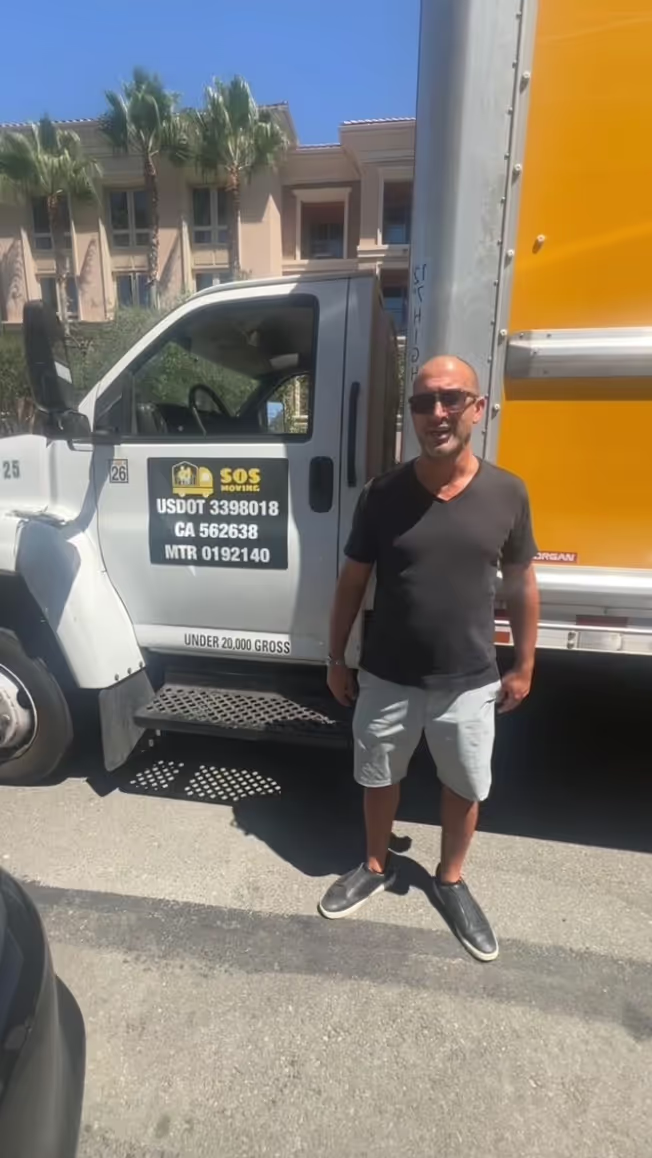

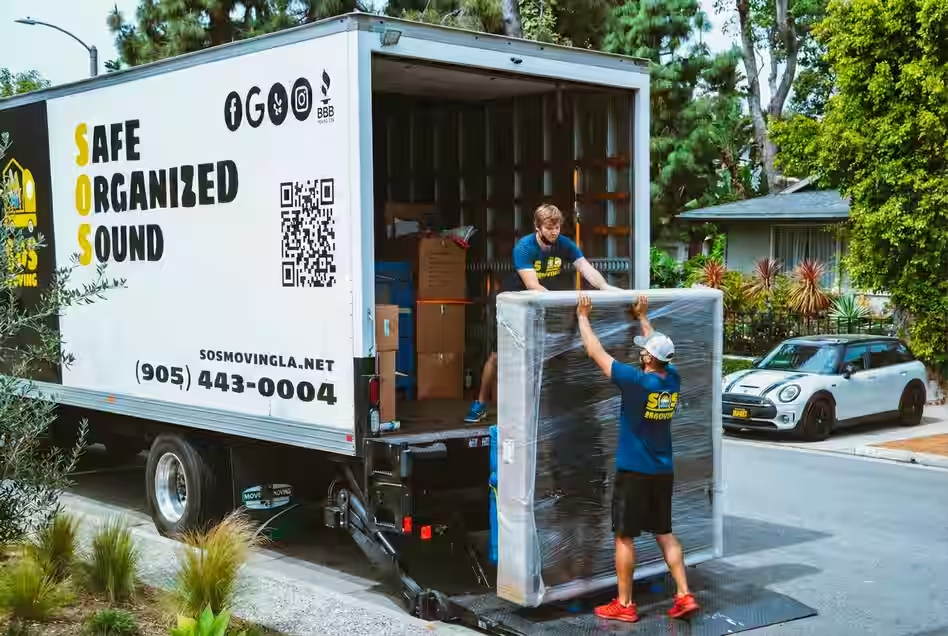
If you are looking for Inland Empire movers who bill by the hour and explain the booking rules before the truck rolls, SOS Moving is one call away. We have one headquarters, on Jillson Street in Los Angeles, and our crews drive east from there for every kind of job: apartments and houses, offices, packing, storage between dates and long-distance moves to other states. Rates begin at $119/hr for two movers with a truck, Monday to Thursday, paid in cash.
Chino Hills grew under a master plan: in 1979 San Bernardino County began the Chino Hills Specific Plan, which clustered homes into village cores to keep open space around them. The City notes that CC&Rs are enforced by homeowners associations rather than by City Hall, so on a gated or private street the association sets the rules for the truck. City Hall is right at 30 road miles from our base, which makes the booking minimum here depend on the exact address. More on our Chino Hills movers.
Corona sits where the 91 and 15 freeways meet, and our trucks reach it on I-5 and SR-91, about 40 road miles from the base. The historic downtown lies inside Grand Boulevard, which runs in a full circle around the old street grid. Some Eastvale homes carry Corona's 92880 ZIP code, so give us the street address rather than only the ZIP. See movers in Corona.
Eastvale was dairy country for decades and became a city only in 2010; today it describes itself as a suburban community. The City keeps a map of HOA tracts and says plainly that it does not enforce HOA rules, which leaves checking them to the homeowner, so ask your association about move-day rules early. Our route runs SR-60 and then I-15, about 42 road miles. Read about our Eastvale movers.
Fontana is where I-10, I-15 and SR-210 cross, and the City calls itself a supply-chain hub, citing the freeways and the Union Pacific Railroad. It began as a farm town in 1913, grew around Henry J. Kaiser's steel mill during World War II and incorporated in 1952. At about 48 road miles, its City Hall is the farthest of these seven from our base, so a morning start gives the job the most daylight. See our Fontana movers.
Ontario comes in two parts. North of Riverside Drive is the Model Colony that the Chaffey brothers laid out from 1882 around Euclid Avenue, a 200-foot-wide parkway; south of it is Ontario Ranch, about 8,000 acres of former farmland planned for more than 47,000 new homes. Ontario International Airport handles the region's largest share of air cargo after LAX. Our Ontario movers page has more.
Rancho Cucamonga formed in 1977 from three older towns, Alta Loma, Cucamonga and Etiwanda, and several of its neighborhoods were built under their own city-adopted plans, among them Terra Vista, Victoria and the Caryn Planned Community. I-15 runs along the east side of the city and SR-210 through its middle, while our trucks come in on I-10 and exit at 4th Street and Haven Avenue, about 40 road miles from the base. See movers in Rancho Cucamonga.
Upland sits at the base of the San Gabriel Mountains, and its street grid climbs north toward the foothills. Euclid Avenue, the same 200-foot parkway that runs through Ontario, is its main north–south street. The city grew up on citrus, took its name from the Upland Lemon Growers Association and incorporated in 1906. More on our Upland movers.
Moving to or from somewhere nearby that is not on this list? Call 909-443-0004 with the address; our crews cover nearby communities as well.

Hourly rates for movers in the Inland Empire, CA:
The two rules. The minimum booking is 3 hours, or 4 hours if the move is 30+ miles from our base. Moves over 10 miles are billed with double drive time, a CPUC rule under which the driving time between your addresses counts twice. Overtime rates start after 8 hours. All rates and fees are in our full rate table.
| City | Road miles from our base to City Hall | Minimum booking |
|---|---|---|
| Chino Hills | about 30 | 3 or 4 hours, depending on your street address |
| Corona | 39.7 | 4 hours |
| Eastvale | 42.2 | 4 hours |
| Fontana | 48.5 | 4 hours |
| Ontario | 34.8 | 4 hours |
| Rancho Cucamonga | 39.6 | 4 hours |
| Upland | 34.1 | 4 hours |
Road distances from 5530 Jillson Street to each City Hall, calculated on OpenStreetMap routing data in September 2026. Your own address may be closer or farther; the quote states your minimum.
What a long-distance move includes:
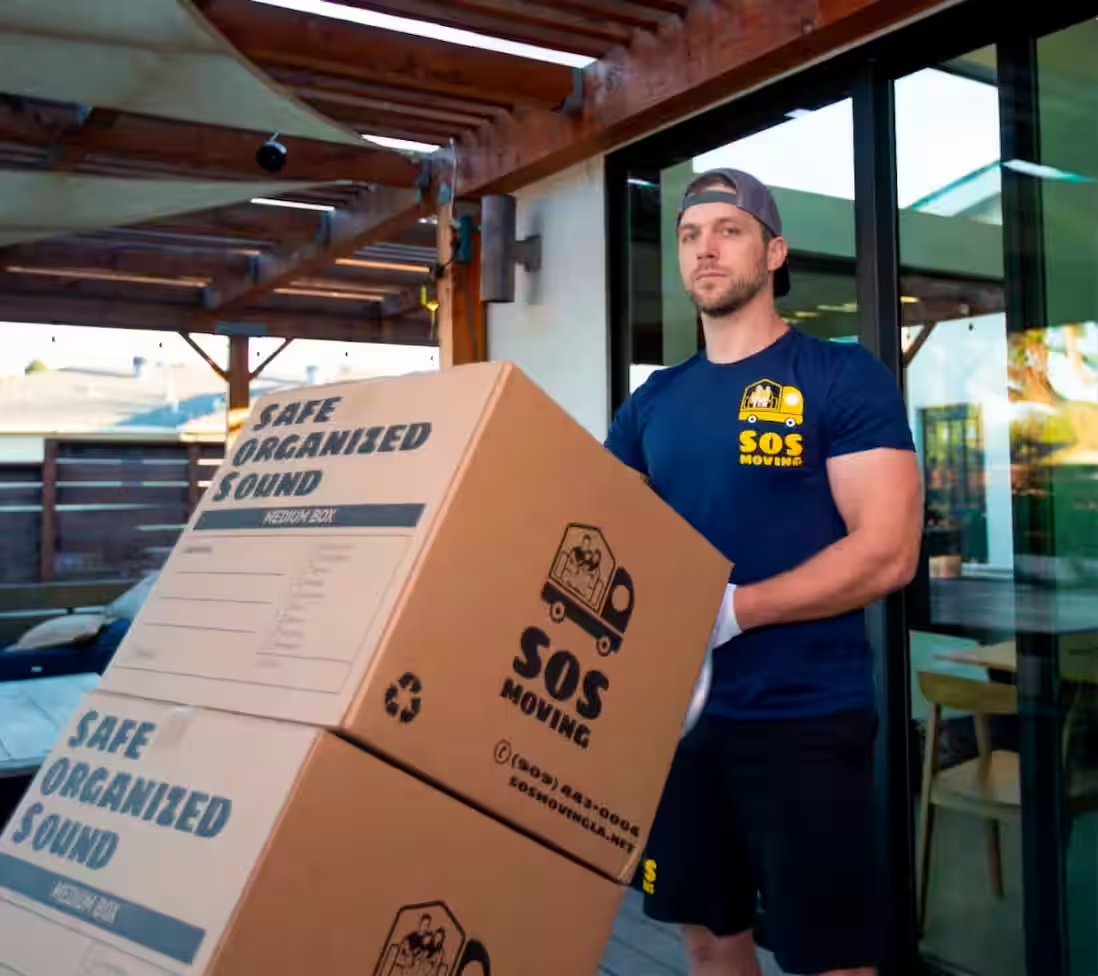
Every job in the region starts with a drive from our Los Angeles base. By the fastest routes, our trucks take SR-60 toward Chino Hills and on to I-15 for Eastvale; SR-60, a short stretch of I-605 and then I-10 toward Upland, Ontario, Rancho Cucamonga and Fontana; and I-5 to SR-91 for Corona. SR-71 links Corona with Chino Hills, and SR-210 runs through Rancho Cucamonga and Fontana. Crews work from 8AM to 6PM, and the drive between your old and new address is part of the hourly job. Traffic on that leg adds to the hours, so for a move from Los Angeles we plan it with you when we book.
Summer is where the Inland Empire differs most from the coast. NOAA's 1991–2020 climate normals put the average high at Ontario International Airport at 93.8°F in July and 94.9°F in August, with about 93 days a year at 90°F or above, against about 26 in downtown Los Angeles, and the heat often runs into September. For a summer move we suggest the first slot of the day, 8AM, so the heaviest lifting happens before the afternoon heat; our hours stay 8AM to 6PM in every season. Pack candles, vinyl records, medication and electronics to ride with you in the car rather than in a truck parked in the sun.
Several cities here grew through planned communities. Chino Hills was built out under a county specific plan; in Rancho Cucamonga, Terra Vista, Victoria and the Caryn Planned Community each follow their own city-adopted plan; Ontario Ranch develops tract by tract under specific plans, with homeowners associations or the master developer looking after common areas. The cities leave association rules to the associations: Eastvale says it does not enforce HOA rules, and Chino Hills says CC&Rs are enforced by the HOA. Before your date, ask your association about move hours, where a truck may stand and whether it wants a certificate of insurance. If it does, we issue one for $50.
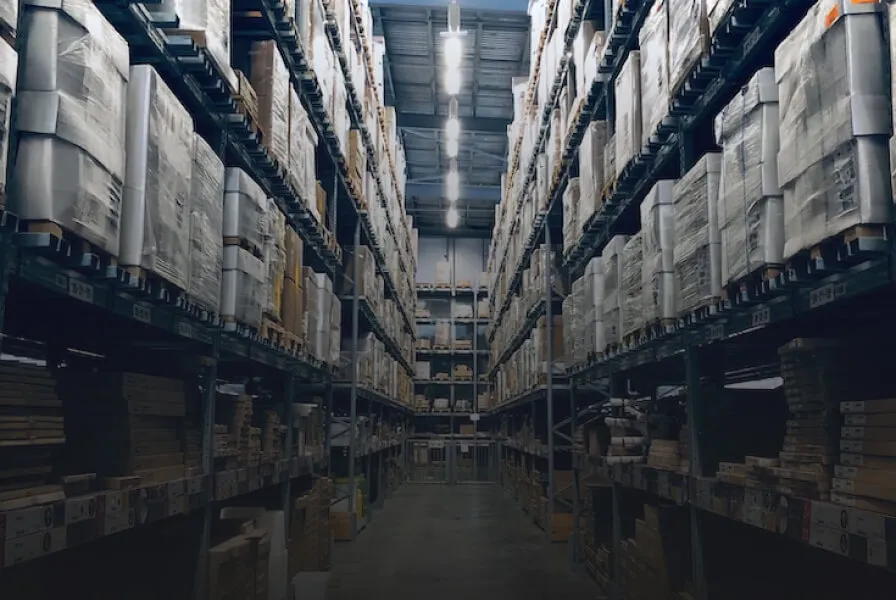
New construction is part of many moves here. Ontario Ranch, about 8,000 acres in south Ontario, is planned for more than 47,000 homes, and much of it is still being divided into new lots and streets, so a new address may not show up on every map yet. Send us the builder's directions or a map pin, and tell us if the street is still unfinished. The region also runs on warehouses: SCAG, the regional planning agency, describes a staggering increase in warehouse development here over the past few decades. For offices and warehouses, our commercial movers move warehouse racking, pallets and heavy equipment using lift gates and machine dollies, and a project manager visits the old and the new site with you before the move.

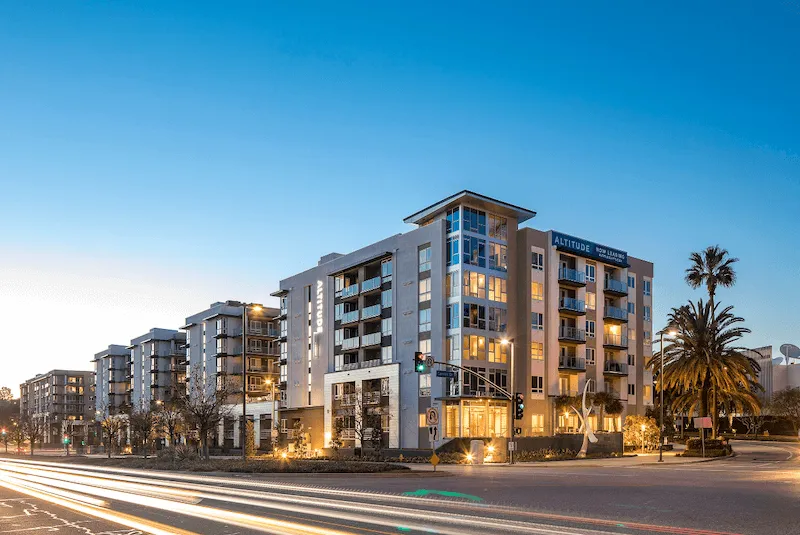



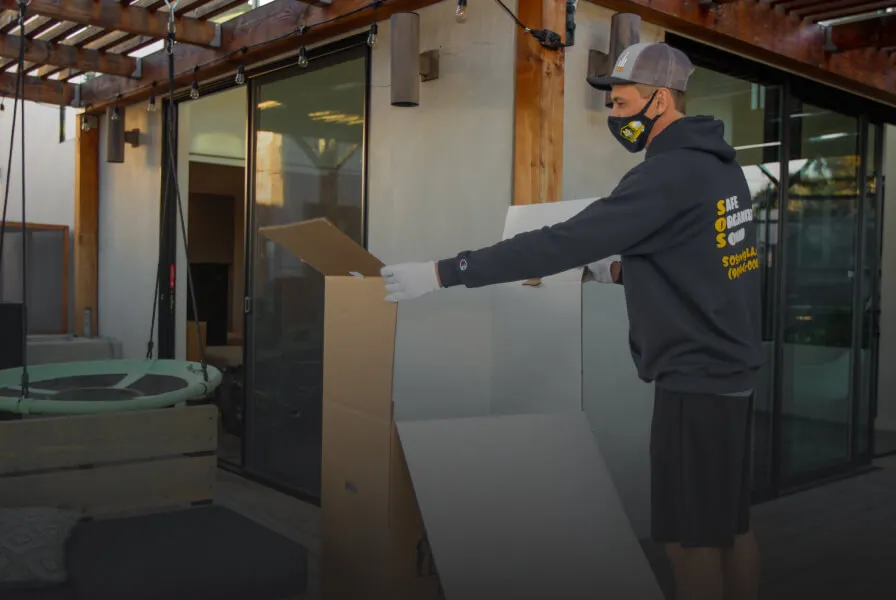




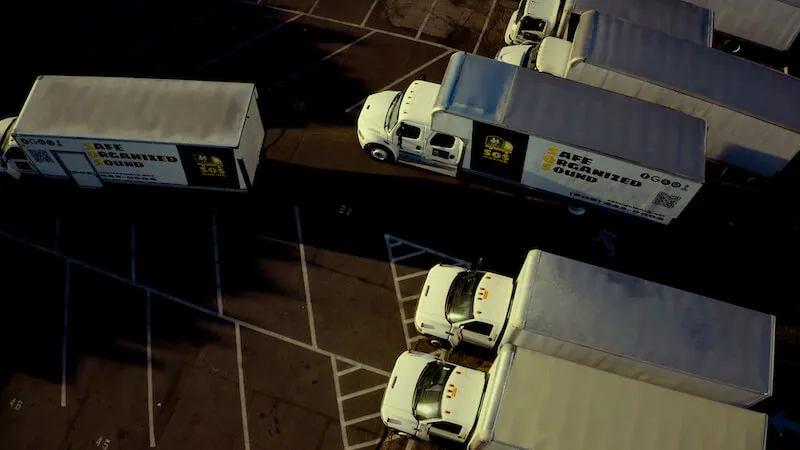
Pianos. For piano movers in the Inland Empire, the rule is simple: a piano adds $200 to the hourly job and goes only with a crew of 4. Our piano movers page explains how the crew handles it.
Safes and heavy items. Safes and other items over 300 lbs cost $150 extra with a crew of 3. If you are looking for safe movers in the Inland Empire, that is the service to ask for, and mention the heavy piece when you call so the right crew size shows up.
Packing and storage. The crew can pack the house before loading with our packing services, and if your dates do not line up, we can keep your things overnight for $200, or for longer in storage.













Our minimum is 3 hours, or 4 hours if the move is 30+ miles from our base in Los Angeles. By road, Corona, Eastvale, Fontana, Ontario, Rancho Cucamonga and Upland are all past that line; Chino Hills City Hall sits right at 30 miles, so there it depends on your address. Your quote states the minimum before you book.
Moves over 10 miles are billed with double drive time, a CPUC rule: the driving time between your addresses counts twice. A move from Los Angeles to any Inland Empire city is over 10 miles, so it applies; a short move within one city may not.
Yes, in both directions, and between Inland Empire cities too. These moves are billed by the hour with the rules above; for moves to another state we quote a flat rate instead.
Often, yes. We take same-day moves within our 8AM–6PM hours when a crew is free, so the earlier you call 909-443-0004, the better. The same rates and minimums apply.
We can store your things between the dates. Overnight storage is $200; for longer stays, see our storage service. Tell us both dates when you book.
No. Our only office is the Los Angeles headquarters on Jillson Street, and every crew drives out from there. That is why the distance from our base matters for the minimum.
Yes. Some associations ask for a certificate of insurance before movers arrive, and we issue one for $50. Send us the association's requirements a few days before the move.
Moving to the Inland Empire from Los Angeles is a short drive on paper, but it changes how the job is booked, so choosing a moving company for the Inland Empire starts with two rules. Our trucks leave from Los Angeles, and every one of the seven cities we serve here is 30 miles or more by road from our base, apart from parts of Chino Hills. That distance sets the booking minimum, and the drive between your old and new address is billed as double drive time. Neither rule is a surprise if you know it before you call, and both appear in your quote.
The move is also a move into a different climate. At Ontario's airport, NOAA's normals count about 93 days a year at 90°F or above; downtown Los Angeles sees about 26. People who have lived near the coast often pack for Los Angeles weather and are caught out by an August afternoon. Heat-sensitive belongings travel better in your car, and a morning start keeps the heaviest carrying out of the hottest hours.
If you can choose when to move, June is noticeably milder than July and August at Ontario's airport: an average high of 86.4°F against 93.8°F and 94.9°F, while September still averages 91.3°F. Our rates stay the same in every season, so an early-summer date costs nothing extra.
The housing is different too. Many homes here sit in planned communities or on new streets: Chino Hills grew under a specific plan, Rancho Cucamonga has neighborhoods built under their own city-adopted plans, and Ontario Ranch is still adding streets. That means homeowners associations with their own rules, gates, and sometimes streets that are newer than the maps. We ask about all of this when you book.
The region has drawn people from Los Angeles for a long time. As the city spread into outlying farmland in the 1950s, dairymen moved their operations east into the Eastvale, Chino Valley and Ontario area. Today, as Upland's General Plan puts it, Metrolink and the I-10 and SR-210 freeways let many residents commute to jobs in Los Angeles, San Bernardino, Riverside and Orange counties, and Fontana has a Metrolink station of its own.
Pick the date first, because the day of the week changes the rate. Monday to Thursday, two movers and a truck cost $119/hr in cash or $129/hr by card; on Friday, Saturday and Sunday that crew costs $135 or $145. If your lease or closing date allows a Monday-to-Thursday move, that is the simplest saving on the whole job.
Then decide who packs. Our crews pad and wrap furniture before it goes on the truck, and with our packing services they will also box up the kitchen, closets and garage before loading. You can also pack yourself and leave the heavy lifting to us. Either way, pack a separate box for the first night and keep documents, keys and medication with you.
If the old place must be empty before the new one is ready, plan storage into the booking rather than scrambling on the day. Overnight storage costs $200, and our storage page explains longer stays; for Inland Empire moving and storage in one booking, tell us both dates when you call.
A week before the move, check the parking at both ends. In a planned community, ask the association where a moving truck may stand and whether it needs a certificate of insurance, which we issue for $50. In an apartment building, ask about elevator reservations and move-in hours. Share gate codes and the building contact with us a day ahead.
When you call, have five things ready: both street addresses, since a ZIP code alone can point to the wrong city here; the date and a backup date; the size of the home; any piano, safe or item over 300 lbs; and what access looks like at each end, such as stairs, an elevator, a gate or a long walk from the curb. With that, we can tell you the crew size, the minimum and whether double drive time applies before you book.
If you are comparing cheap movers in the Inland Empire, compare the whole bill, not only the hourly rate. Ours has four parts: the hourly rate for the crew size you need, the time the job takes, a $30 gas fee, and any extras. The $50 deposit you pay when booking is not an extra; it counts toward the total.
The hourly rate grows with the crew: two movers cost $119 to $145 an hour, depending on the weekday and the payment method, three movers $159 to $185, and four movers $199 to $225. A bigger crew costs more per hour and finishes sooner; we suggest the size that fits your home when we quote.
Time is where the region's rules come in. The minimum booking is 3 hours, or 4 hours if the move is 30+ miles from our base, and for moves over 10 miles the driving time between your addresses counts twice under the CPUC rule on double drive time. After 8 hours, overtime rates apply.
Extras are specific: a piano costs $200 and needs a crew of 4, items over 300 lbs cost $150 with a crew of 3, an extra truck costs $200, a certificate of insurance $50 and overnight storage $200. When you ask Inland Empire moving companies for quotes, ask each one for the same list, so you are comparing like with like.
The hours are the part of the bill you control most. Have everything packed and sealed before the crew arrives, and group the boxes near the door. Reserve the elevator and a spot for the truck close to the entrance at both addresses. Take apart only what you are comfortable with and leave the rest to the crew, and keep children and pets away from the carrying route. Every minute the crew does not spend waiting is a minute you do not pay for.
Long-distance moves work differently from everything above. There is no hourly clock: the price is a flat-rate quote that depends on the volume of your belongings, the distance and any extra services, and it is agreed before the truck is loaded. Our long-distance movers page explains the options in detail.
The preparation is the same as for a move across town, only more careful. Make an honest list of large furniture and the number of boxes, because the quote rests on volume. Decide early whether you want our crew to pack; a packed house loads faster and travels better. If your new home will not be ready when you leave, add storage to the plan before you set the date.
Tell us about anything that needs special handling, such as a piano, a safe or artwork, when you ask for the quote, not on moving day. The crew size and equipment depend on it.
Before the truck leaves, walk through the empty home with the crew lead to check closets, the garage and the attic, and keep your paperwork and the phone number for the delivery day with you rather than in a box.
Businesses here range from small offices to large distribution buildings, and the moving work changes with them. An office move is mostly desks, files and equipment; in a warehouse or flex space the work shifts to racking, pallets and heavy shop equipment, which travel on lift gates and machine dollies, not on hand trucks. Our commercial movers page covers the details.
Before moving day, a project manager visits the old and the new site with you, lists what is moving and sets a schedule the office can work around. Our hours are 8AM to 6PM, Monday to Sunday, so a weekend move is possible when the office cannot close on a weekday. Buildings that ask for a certificate of insurance get one from us for $50.
Whichever moving companies in the Inland Empire, CA you ask for a business quote, ask how the job will be scheduled and who will be on site that day. The answers tell you more than the hourly rate.
Ask your staff to label every desk, box and cable bundle with the room or desk number at the new site, and to empty drawers that hold loose items. Tell us in advance about anything heavy or fragile, such as safes, server racks or large printers, so the crew and equipment match the job. On moving day, one person on your side who can answer questions keeps the work moving.
Euclid Avenue ties these two cities together. The Chaffey brothers laid it out as a 200-foot-wide parkway, and it runs from Upland toward the foothills and south through the old core of Ontario. A move from one end of Euclid to the other is short, but both cities are well past 30 road miles from our base, so the 4-hour minimum still applies.
The homes differ more than the distance. Upland grew as a citrus town and incorporated in 1906, and its grid climbs toward the mountains. South of Riverside Drive, Ontario Ranch is still adding new tracts and streets. Moving between an older house near the foothills and a new home in a planned community means two sets of access questions: driveways and slopes at one end, association rules and new streets at the other. We cover each city on its own pages about moving in Ontario and moving in Upland.
Chino Hills is in San Bernardino County and Eastvale in Riverside County, but for a move they have a lot in common: planned neighborhoods and homeowners associations. Chino Hills says its CC&Rs are enforced by the HOA, and Eastvale keeps an HOA tract map while leaving the rules to homeowners and contractors.
For a move between them, check the rules at both ends: move hours, where the truck may stand and whether a certificate of insurance is needed. Eastvale sits about 42 road miles from our base and Chino Hills right around 30, so the minimum for your move depends on the addresses; we confirm it when you book. More on moving in Chino Hills and moving in Eastvale.
Rancho Cucamonga and Fontana sit side by side along I-10 and SR-210, and both have I-15 on their doorstep. Rancho Cucamonga joined three older towns in 1977 and has neighborhoods built under their own plans; Fontana grew from a farm town and a wartime steel mill into what the City calls a supply-chain hub.
Fontana is the farthest of our seven cities from the base, about 48 road miles to City Hall, and Rancho Cucamonga about 40, so both carry the 4-hour minimum. For a move between the two, the drive is short and most of the time goes to loading and unloading; for a move from Los Angeles, the drive east adds to the job, which is why we suggest an 8AM start. See moving in Rancho Cucamonga and moving in Fontana.