






Why choose SOS Moving?

Our Standards:

Our Expertise:

Interstate Peace of Mind:

Business-Class Execution:




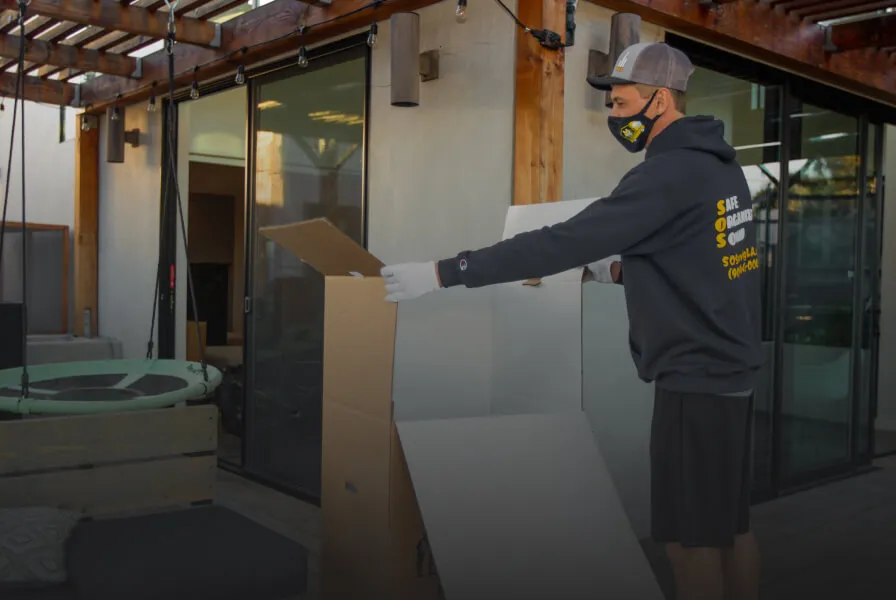




















Sure, our movers can bring packing materials and boxes if you need them. Make sure you mention that you need them to our operators in advance.
No, tips are not included, and it’s up to you how much to tip your movers. Tips are always appreciated but not required.
Your apartment moving cost depends on factors, such as the type and size of your property, the complexity of your move, the number of bedrooms, the volume of your items, zip code, etc. At SOS Moving, we offer flat and hourly rates. The hourly rate depends on the number of movers to be involved and the size of the moving truck. Flat rate is based on the volume of belongings you need to move, and it’s the best option for long-distance moves. To know your moving cost, please contact us or submit a form on our website to request your free quote.
You should schedule your move date as early as you can. If you’re moving locally, at least 1-2 weeks in advance, for long-distance moves, we recommend getting a quote at least 2-4 weeks before your move date.
You can choose any convenient day for your relocation, and yes, we can help you move on weekends and holidays.
A safe relocation is our goal, so we’ll provide you with a detailed list of items that are prohibited to transport. It includes perishables, hazardous materials, firearms, batteries, etc. We also don’t recommend packing your personal and irreplaceable items, including family heirlooms, family photos, jewelry, documents, etc. Carry them with you during the move.
We accept cash, all major debit and credit cards, and certified checks. We don’t accept personal checks. There will not apply any transaction fee on card transactions.
Yes, we’ll contact you prior to delivery. We’ll deliver your belongings within the given moving arrival window. In case the window is no longer possible, we’ll also contact you in advance and set another delivery time.
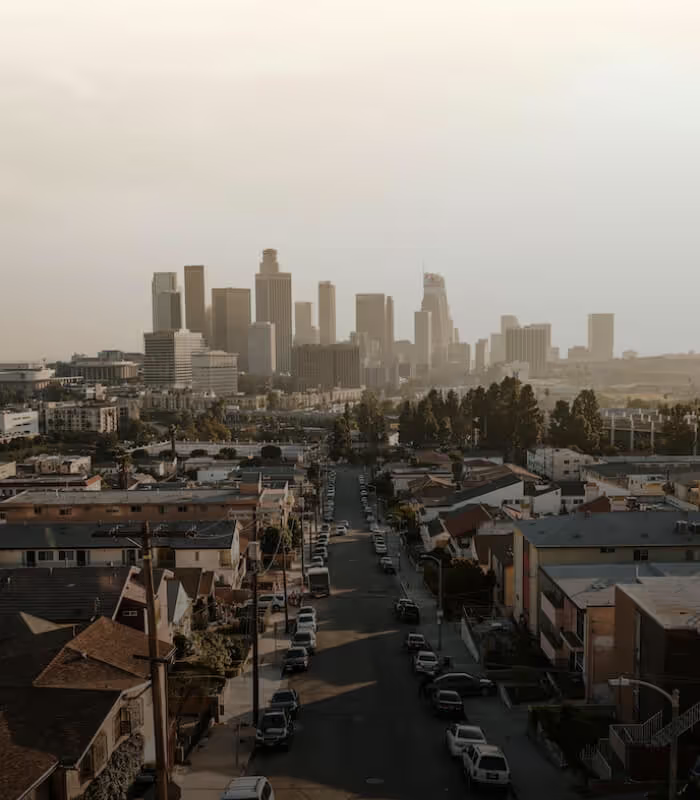
Northern Californians use the same name for the San Jose end of their bay, so to be exact: this is the South Bay of Los Angeles County, the cities along the lower curve of Santa Monica Bay and inland toward the Port of Los Angeles. The South Bay Cities Council of Governments counts 15 member cities, from El Segundo and Hawthorne down to the Palos Verdes Peninsula, and adds the Los Angeles neighborhoods of Harbor City, San Pedro and Wilmington.
For South Bay movers the region is compact but far from uniform. Each city writes its own parking code, and the housing swings from mobile home parks in Carson to detached houses on the Peninsula. Our crews all leave from one base, 5530 Jillson Street in Los Angeles, so the notes below are about what changes once the truck crosses a city line.
El Segundo is small at home and big at work. City figures put its daytime population at about 70,000 against roughly 17,000 residents, so a weekday office move there shares the streets with a commuter crowd several times the size of the town. Our trucks reach it on I-105 rather than SR-91, and office relocations there are timed around that daily wave.
Manhattan Beach is house country. About two thirds of its homes are detached, and Census counts put only about 220 units in buildings of 20 or more, so a Manhattan Beach move is more often about stairs, garages and street parking than about booking an elevator.
Hermosa Beach packs people into small buildings: about one home in five sits in a building of two to four units, the highest share of any city in this group. It is also one of the places where the city itself issues a moving van permit, and the conditions attached to it are covered in the parking section below.
Redondo Beach, which borders both Hermosa and Torrance, has the most townhouse-style housing of any city here: roughly 13% of its homes are attached single-family units, and that usually means interior stairs on moving day. Its parking rules differ from both neighbors, as the parking section explains.
Torrance is the middle of the region for us, on the same I-710 and SR-91 run described below. It also has more homes in buildings of 20 or more units than any other city in this group, about 13,600, so an elevator reservation is part of many Torrance moves.
Gardena writes its truck rule in inches. A vehicle wider than 84 inches may not stay parked on a city street for more than an hour unless it is loading or unloading, and the police department issues temporary permits for exceptions. Box trucks run wider than that, so in Gardena the truck holds the curb only while the crew is working it.
Hawthorne is the renters' city of the group: about 73% of households rent, and close to a third of homes are in buildings of 20 or more units. Expect apartment moving logistics there, from elevator slots to stairwells and shared parking lots, with the truck coming in on I-105.
Carson leans the other way, with about three households in four owning their homes. It also has 21 rent-controlled mobile home parks under a city ordinance, and the Census counts roughly 2,300 mobile homes there. Carson is the one city in the group our trucks reach straight down I-710.
San Pedro is part of the City of Los Angeles, not a city of its own, so LA rules apply at the curb. Its Vinegar Hill district is a Historic Preservation Overlay Zone of houses built from 1886 through 1927, the kind of old house where floor runners and door-frame pads go down before the first piece moves. The run there continues from SR-91 onto I-110.
Rancho Palos Verdes is the far edge of our map. About 80% of households own and three quarters of homes are detached houses, and the city sits right around the 30-mile mark from our base, which decides the minimum there.
Side by side, the Census numbers split the region three ways. Hawthorne and Torrance lean toward large apartment buildings; Carson, Manhattan Beach and Rancho Palos Verdes are mostly detached, owner-occupied houses; Hermosa Beach and Redondo Beach fill the middle with duplexes, fourplexes and townhomes. Each shape sets a different pace: elevator slots and long hallways, then driveways and garages, then narrow interior stairs.
Mobile homes are the housing type people forget. Beyond Carson's parks, Gardena has about 1,250 mobile homes and Torrance about 1,100. Parks have their own offices and internal lanes, so before the date we ask clients to check with management where the truck can stop and whether the park limits move hours.
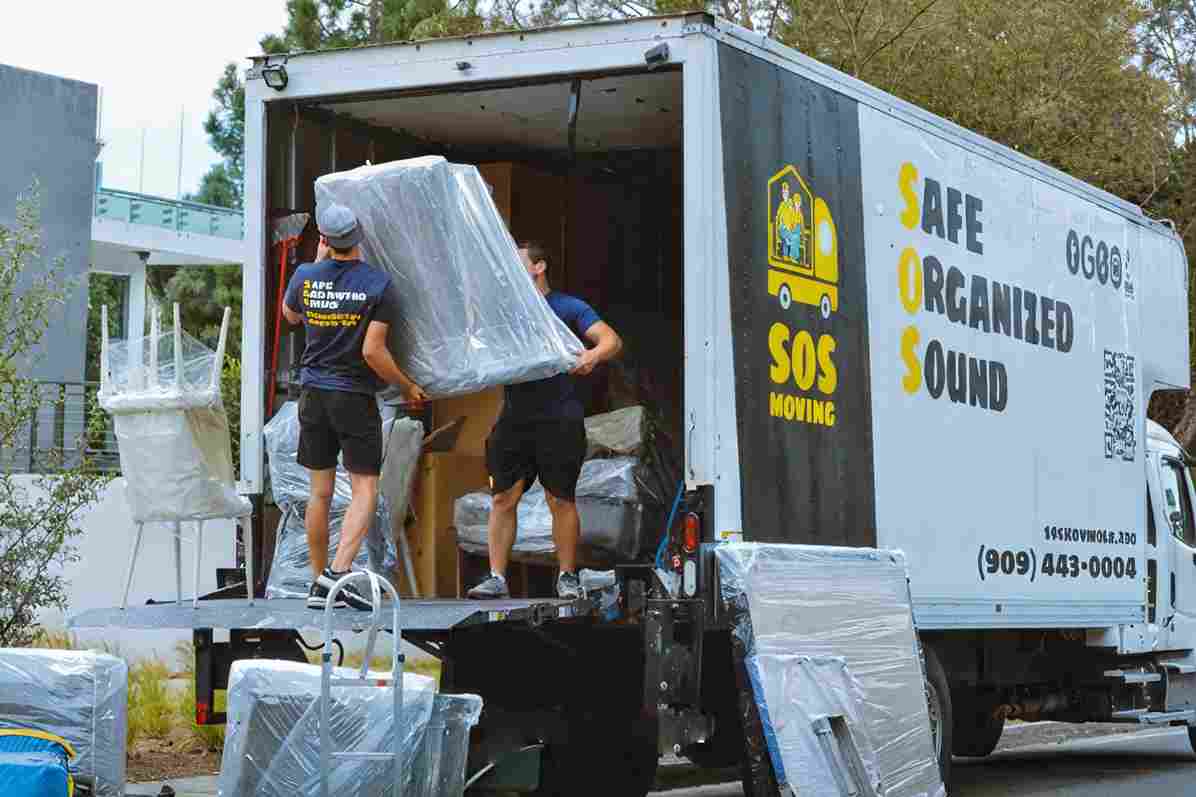
The protective work doesn't change by city: pads on every piece, runners on floors, guards on door frames and banisters, beds and tables taken apart before they meet a doorway. The carry is what changes, from an alley-side walk in Hermosa to a hallway and elevator in a large Torrance complex to a sloped driveway in Rancho Palos Verdes.
| Area or housing type in the South Bay | What to plan for on moving day |
|---|---|
| Hermosa Beach, any move that needs street space | A moving van permit from the city; its No Parking signs must be up 72 hours before they take effect |
| Redondo Beach townhomes | No city permit or signs for the truck, so a clear driveway or legal curb; pads on railings and stair corners inside |
| Hawthorne and Torrance apartment buildings | Elevator reservation, the building's move hours, and a certificate of insurance if the manager asks for one |
| Carson and Gardena mobile home parks | Where the truck may stand inside the park, confirmed with the park office ahead of time |
| Vinegar Hill, San Pedro (houses from 1886 to 1927) | Floor runners, door-frame guards, furniture taken apart where old doorways are tight |
| Rancho Palos Verdes houses | A minimum of 3 or 4 hours depending on the address; extra carry time on sloped driveways |
Hermosa Beach runs a moving van permit, and two conditions catch people out. The moving company has to carry a certificate of liability insurance naming the city as additional insured, and the No Parking/Tow Away signs issued with the permit are not enforceable until they have been posted for 72 hours. We issue the COI for $50; the sign clock is why a Hermosa permit gets sorted days ahead, and the A-frames that hold the signs go back to Public Works afterward.
Redondo Beach does the opposite. The city does not issue permits or temporary No Parking signs for moving trucks, to residents or to any South Bay moving company, so the plan there is a cleared driveway or legal curb space close to the door. When neither exists on the day, the crew parks where it is legal and accepts the longer carry.
Buildings add a second layer that city rules don't touch. In condo and apartment complexes, from Torrance to Hawthorne, the move rules come from the association or the manager: an elevator reservation, allowed move hours, sometimes a certificate of insurance with specific wording. What we ask you to line up before the date:
The base run is I-710 south, then west on SR-91: about 20.5 miles, around 30 minutes without traffic. That first leg shares the road with port freight, since Metro's corridor studies describe I-710 as the main link between the ports of Los Angeles and Long Beach and the rail yards in Commerce and Vernon.
From there the region fans out. El Segundo and Hawthorne come off I-105, Carson is straight down I-710, San Pedro drops south on I-110, and Rancho Palos Verdes adds Pacific Coast Highway before the climb onto the Peninsula. Weekday mornings and late afternoons slow I-110 and I-405, so a crew heading for the coast plans its start around them. The working day is 8AM to 6PM, Monday through Sunday, and a full house in Manhattan Beach or on the Peninsula should start in the morning so the unload finishes inside that window.
For most South Bay addresses the minimum is 3 hours. The 4-hour minimum applies to addresses more than 30 miles from our base, and of the ten cities above only Rancho Palos Verdes sits near that line, so there it is 3 or 4 hours, depending on the address. The rates page adds one travel rule for the whole service area: double drive time applies to moves over 10 miles.
Among moving services in the South Bay, these three run into local rules the most. Hermosa Beach walk streets turn a piano job into a carrying problem: front doors face a pedestrian path down to the Strand, and parking sits in tuck-under garages off the alleys, so the truck waits on the alley or the cross street and the piano covers the rest on a dolly or board. When comparing South Bay piano movers, ask how they handle that last stretch; we move pianos only with a four-mover crew and a $200 piano charge. The rest of the process is on our piano moving page.
Storage usually enters the plan when move-out and move-in dates don't line up, and the curbside version runs into city paperwork. Redondo Beach requires an Engineering Department permit for a moving POD on the street, and Hermosa Beach has a separate Moving POD permit of its own. For South Bay moving and storage without a container on the curb, the crew loads once and our storage service holds the load between dates; overnight storage is $200.
Same-day moves happen when a crew is free, so call 909-443-0004 and ask. One catch here: Hermosa Beach permit signs need 72 hours before they can be enforced, so a same-day move there has to work with whatever legal parking exists that morning.