








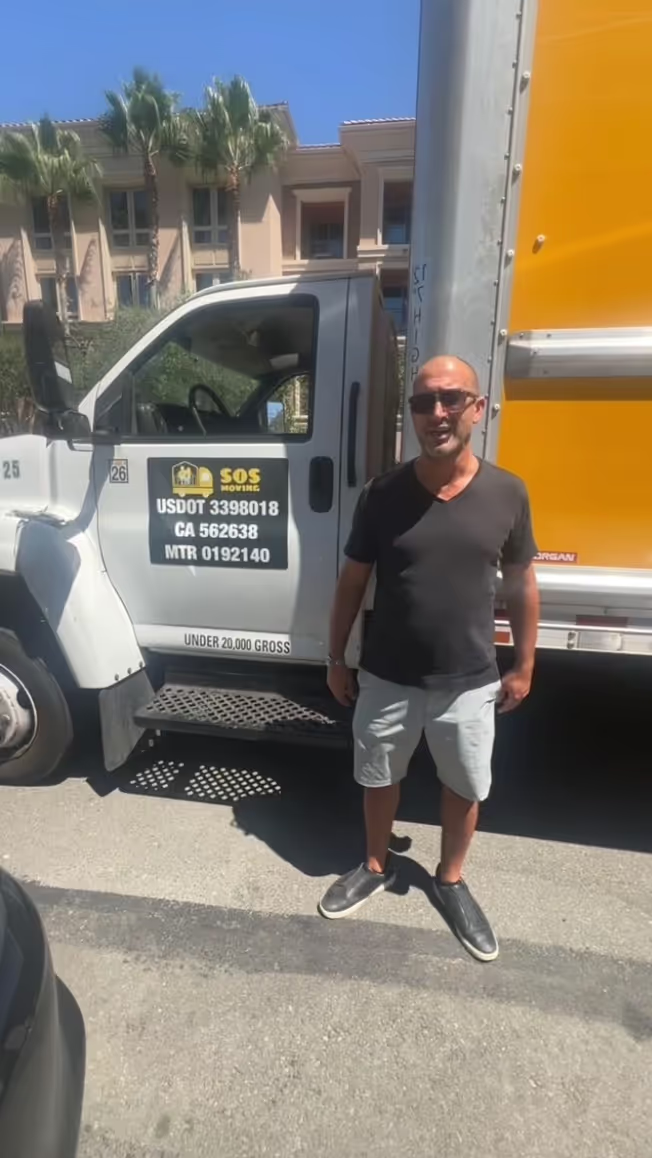
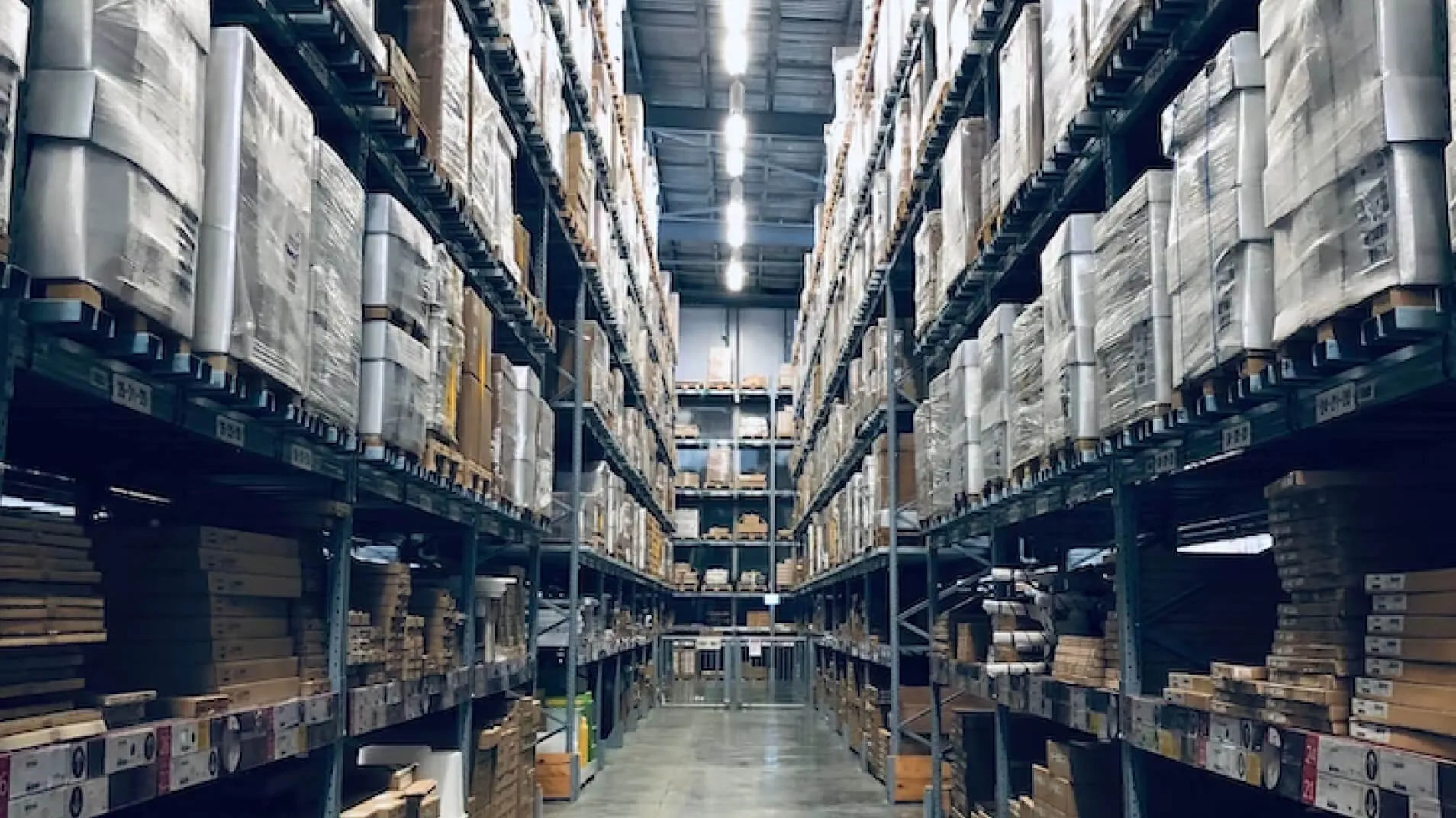
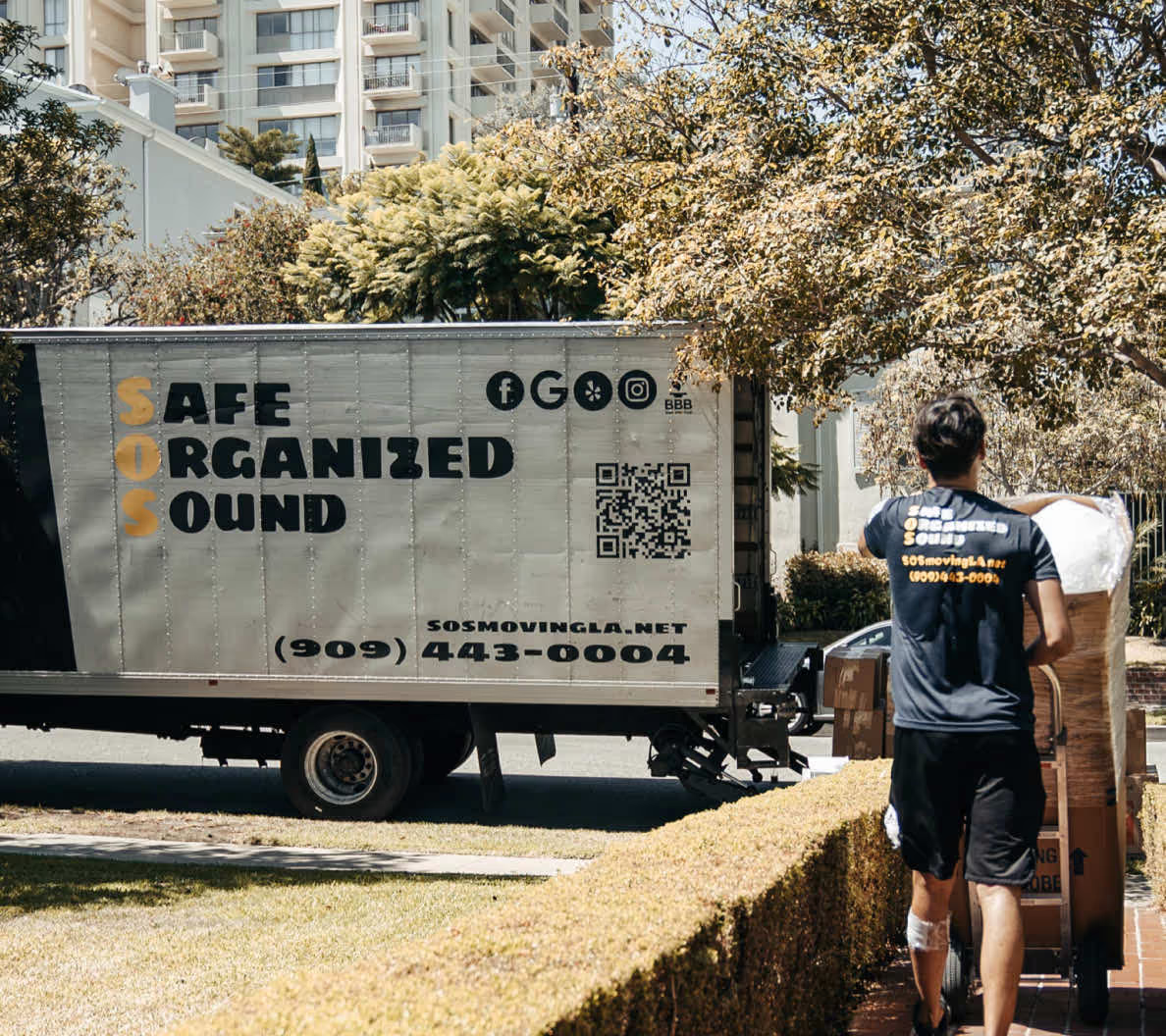
SOS Moving covers moving and storage in Santa Monica when the two halves of a move land on different dates. One crew wraps the load, drives it to a climate-controlled facility and brings it back when the next address is ready. The service itself is set out on our storage page, and the crews working this side of the county are described on the Santa Monica movers page.
You never drive a truck, never carry a box down a stairwell, never make a second trip with the car seats folded down. The movers who wrap a piece are the movers who load it, and the inventory written on pickup day is the list that comes back.
A hold can stand on its own or ride along with a move. Ask for it at the estimate and one booking covers pickup day, the hold and the return trip. Ask for it halfway through a job and we add it to the order instead of writing a new one.
Dates slip, and the term follows them. If a contractor runs late or a closing moves, the hold is extended with no penalty attached and the return is rebooked for the day you name.
Days up to a few weeks. It carries a household through the stretch between keys, through a staging window before photos, or through a bathroom job that makes a unit unliveable for ten days. Nothing has to be committed to in advance, and the load comes back as soon as you set a date.
A month and up. Structural work, a permit queue or an insurance claim can stretch well past any estimate, and the hold stretches with it at no penalty. Climate control counts for more here, because the load sits through a change of seasons rather than a long weekend.
Built for households leaving the county altogether. The load travels once, waits at our facility while the far end gets ready, then goes out on the delivery run instead of being handled twice. Our long-distance service books both legs as a single order.

Temperature and humidity are held at the facility all year. Over a hold measured in months that is the difference between a table that comes back and a table that comes back warped, and between a box of files and a box of mildew.
Ordinary household weight makes up most of what we take: sofas, bed frames and mattresses, dining sets, appliances, boxed kitchens, wardrobe boxes, framed art, bicycles and seasonal gear. Office loads go in on the same terms, from desks and chairs to filing cabinets and paper archives.
Four categories stay off the truck: fuel, propane and solvents; pool chemicals and loose batteries; food; and live plants. Raise anything sitting on the edge of that list at the estimate rather than on the morning the crew is loading.
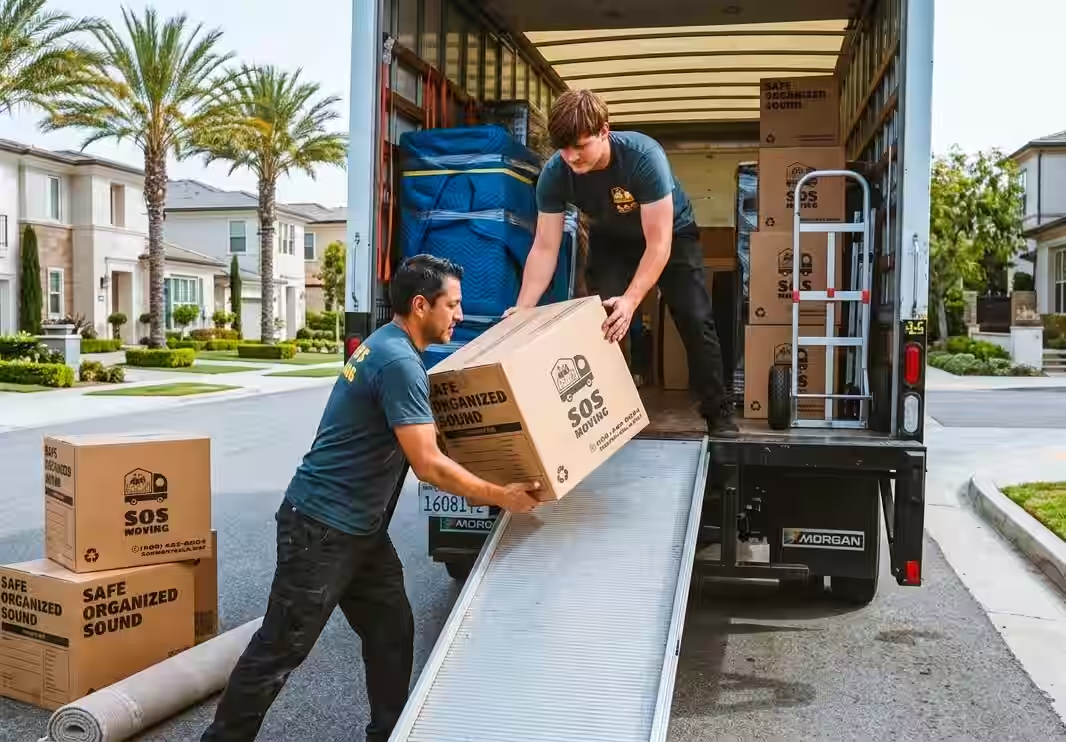
Pickup day is a move that happens to end at our facility. The crew arrives inside the booked window with blankets, shrink wrap, corner padding, boxes and tools, wraps and pads each piece, writes the inventory and loads. Return day runs the same list backwards, with pieces set down in the rooms you point at.
Weight changes the crew rather than the answer. A piano travels only with a four-mover crew and carries a $200 charge, and any single item over 300 lbs moves with a crew of three at $150. Both are settled at booking so the right number of movers is dispatched.

Monday through Thursday, two movers with a truck bill $119 an hour in cash and $129 by card; Friday through Sunday the same pair is $135 or $145. Three movers run $159 or $169 midweek and $175 or $185 at the weekend. Four movers run $199 or $209 midweek and $215 or $225 at the weekend.
Minimums are the same on both legs: three hours as standard, four hours once an address sits more than 30 miles from our base. Travel time counts double beyond 10 miles. Hours past eight on one day bill as overtime.
The extras list is short. Fuel is $30, the booking deposit is $50 and comes off the total, a certificate of insurance for a building is $50, a second truck is $200, a piano with a four-mover crew is $200, a single item over 300 lbs with a crew of three is $150, and a loaded truck held overnight is $200.
The hold itself is quoted at the estimate, because it depends on how much of the truck the load fills and how long it sits. Our line answers Monday through Sunday, 8AM to 6PM, and a same-day job is possible when a crew is open.
The city requires a Use of Public Property Permit before anyone temporarily occupies a street, parkway, sidewalk, alley, park or other public land. Its own explainer puts a moving container, pod or truck on that list next to fencing, a dumpster and equipment such as a crane.
When a lane has to be kept clear, the permit comes with Temporary No Parking signs. Requests go to Public Works, where staff process all emails in the order received, so we raise the curb question at the estimate rather than on pickup morning.
Residential blocks add a layer of their own. A preferential parking permit works only inside its own zone under the 2-Block Rule, holders stay subject to curb markings, meters, street sweeping and oversize vehicle rules, and a One-Day Temporary permit valid until 9:00am the next morning covers a visitor car rather than our truck.
A resident garage stall is a tight place for overflow. City parking standards set a standard stall at 8 feet 6 inches by 18 feet with 7 feet of vertical clearance.
What may hang on its wall is capped too: shelves, racks and cabinets cannot encroach more than 3 feet 6 inches into the stall length and must start at least 4 feet 6 inches off the ground. That is a tight envelope for a household overflow.
Rent-controlled buildings carry one more rule: parking that was included in the rent is a base amenity the landlord must keep providing at no extra cost.
We book the elevator and loading area with the manager first, and a $50 certificate of insurance goes over when a building asks.
The Rent Control Board counted 27,668 controlled rental units in the city as of December 31, 2024. Almost half of them are one-bedrooms, one- and two-bedroom units together make up 82 percent of the controlled stock at 22,668 apartments, and only 2,037 units have three bedrooms or more. Voters adopted the rent control law in April 1979, and it generally exempts units built after April 10, 1979.
That mix sets the shape of a booking. The load leaving a controlled unit is usually one or two rooms rather than a whole house, so the truck and the crew are sized for that and a second truck goes on the order only when the inventory genuinely calls for one. Stairs and shared entrances get walked before the wrapping starts.
Both legs of a storage job cross the county between here and our yard, which makes them I-10 trips. The pinch point at the western end is the McClure Tunnel, where I-10 meets State Route 1. Caltrans announces closures of the tunnel and its ramps ahead of time, so we check the current notices before a pickup.
That week showed how few ways in and out there are at that corner. Crews therefore take the early slot for a pickup or a return wherever the building allows it, confirm the ramp the truck will use the afternoon before, and keep the four-hour minimum in mind whenever the run stretches past 30 miles from base.
The commonest local reasons a load needs somewhere to be, and the term each one calls for:
| Situation in Santa Monica | Which storage type |
|---|---|
| Seismic retrofit on one of the 2,000-plus buildings identified under the March 2017 ordinance | Long-term storage |
| Temporary relocation expected to last six months or more | Long-term storage |
| Gap between leases in a one- or two-bedroom controlled unit, 82 percent of the city’s controlled stock | Short-term storage |
| Overflow that will not fit in the garage stall | Long-term storage |
| Use of Public Property Permit still sitting in the Public Works queue, which is worked in the order received | Short-term storage |
| Household leaving the state with the far end not ready | In-transit storage |
| Loaded truck that has to wait between two addresses | Overnight hold, $200 |














For public property — a street, parkway, sidewalk or alley — the city requires a Use of Public Property Permit, and its list of temporary uses names a moving container, pod or truck. The city adds Temporary No Parking signs to the permit where the curb has to be cleared. Requests go to Public Works and are processed in the order received, so we raise it while the estimate is still being written.
No. A preferential parking permit exempts a vehicle only inside its own zone and only under the 2-Block Rule, and the city states that permit holders remain subject to curb markings, meters, street sweeping and oversize vehicle regulations. A One-Day Temporary permit runs until 9:00am the next morning and is written for a visitor car, not for a loaded truck.
A standard garage stall leaves little room once the car is in, so plan on the overflow leaving the building rather than stacking into the stall.
A short-term hold starts at a few days with nothing to commit to up front. A long-term hold runs from a month and is extended with no penalty, which matters when a retrofit or a repair overruns. Let us know before the current period ends and we simply move the return date.
Crew time is the published part: two movers with a truck are $119 an hour in cash or $129 by card Monday through Thursday, with a three-hour minimum on each leg. The hold is quoted at the estimate, because it depends on how much of the truck the load fills and how long it sits. One fixed figure worth knowing is the $200 overnight hold on a loaded truck.
Yes. The inventory is written at pickup, so the crew can set down the pieces you need at the new address and take the remainder to the facility on the same run, billed as crew time at the hourly rates above. If you want a single box or one piece back before the main return, name it and we will schedule the trip. Full details sit on our storage service page.
Very few moves are a clean swap of one address for another on a single morning. A lease ends on the last day of the month and the next unit is not handed over until the tenth. A sale closes early. A contractor pulls a permit and the rooms have to be empty before the first inspection.
The seismic retrofit program is the clearest local example. The City Council adopted the Seismic Retrofit Ordinance in March 2017, and over 2,000 commercial and multi-family residential buildings were identified as potentially seismically vulnerable and required to comply with the program. A searchable map and a downloadable property list are published by the city, so an address can be checked before any dates are set.
Displacement has its own paperwork: city rules on temporary relocation set a six-month mark after which a relocation fee can come into play, which is worth knowing before choosing between a short hold and a long one.
Whatever the cause, the shape of the problem is identical: a load with nowhere to be for a while. Before we quote anything we ask when the old address has to be empty, when the new one is available and whether either date can move, because that answer decides the term far more than the volume does.
Three terms cover nearly everything. Short-term runs from days to a few weeks, long-term starts at a month, and in-transit is the version built into a long-haul move, where the load waits at our facility until the far end is ready.
Lease gaps belong to the short term. It is the option for the stretch between keys, for a staging window before listing photos, and for a kitchen or bathroom job that pushes a household out for a week or ten days. Nothing has to be signed up for in advance, and the crew brings everything back once you fix the date.
Retrofits and repairs belong to the long term. Structural work, an inspection queue or an insurance claim can run past every estimate attached to it, and the hold is extended without a penalty when that happens. This is also where the climate-controlled part earns its keep, because the load sits through a change of seasons rather than a long weekend.
Households leaving California use the in-transit version. Rather than paying one crew to load here and a second crew to unload into a facility at the destination, the load travels once and comes off the truck on the delivery run. Both legs go on one order.
One short term is easy to overlook. When a loaded truck has to wait between two addresses, because the new building will not release the elevator until the next morning, that is a $200 overnight hold and nothing is unloaded in between.
Temperature and humidity are held at the facility through the year. Across a hold measured in months, that is the difference between furniture that comes back and furniture that comes back warped, and between an archive box and a mildew problem.
Wood benefits first: solid tables, veneered case goods, instrument bodies and anything held together with glue. Upholstery and mattresses come next, then framed art, photographs and records. Electronics sit in the same conditions, which matters for anything carrying a screen or a drive.
Exclusions are short and fixed. Fuel, propane, solvents and paint thinner stay behind, as do pool chemicals, loose batteries, food and live plants. Anything sitting on the edge of that list is better raised at the estimate than discovered at the curb.
Commercial loads follow the same rules as household ones. Desks, chairs, filing cabinets, monitors and paper archives hold up perfectly well in a climate-controlled hold, and a business between leases can put a whole floor away and take it back in one run.
Pickup day is a move that happens to finish at our facility. The crew arrives inside the booked window with blankets, shrink wrap, corner padding, boxes and tools, wraps each piece, writes the inventory and loads the truck.
Nothing is left for you to carry. There is no truck to rent, no dolly to return and no second trip with the car seats folded down, and the movers who wrap a piece are the movers who drive it away.
Return day runs the list backwards. You name the date, the crew pulls the inventory, drives it back and sets pieces down in the rooms you point at, unwrapping as it goes. Beds are reassembled where they were taken apart.
Access during the hold is arranged rather than assumed. If you need one box or a single piece back before the main return, say which one and we will schedule a trip for it; the inventory written on pickup day is what makes that straightforward.
Both legs bill as crew time at the published hourly rates, with the standard three-hour minimum and four hours once an address sits more than 30 miles from base. Travel time counts double beyond 10 miles, and hours past eight on one day bill as overtime. A certificate of insurance for a building is $50 and is arranged before the date, not at the loading dock; a second truck, where the inventory needs one, is $200.
The curb decides more than the calendar does: a truck or container standing on a street, sidewalk, parkway or alley needs the city’s Use of Public Property Permit first.
Signage is the part that actually clears the space, and the city posts Temporary No Parking signs under that permit when the curb is needed. Requests go to Public Works, and the city says staff process all emails in the order received, which is not a queue anyone wants to join the night before a pickup.
Residential permits are not a substitute: a preferential or a one-day visitor permit covers a car, not a truck.
Buildings keep their own clock. Elevator reservations, loading-area windows and a certificate of insurance are all things a manager wants days ahead, and the garage will not absorb the difference.
Then there is the drive itself. Every pickup and return crosses the county on I-10, and the western end of that freeway is the McClure Tunnel, where it meets State Route 1. One overnight closure of the tunnel or its ramps can reroute the whole trip, so the route is checked before the truck leaves.
For all of those reasons we favour an early slot and confirm the route the afternoon before. Call 909-443-0004 or request a free estimate, and we will build the dates around your building rather than around ours.