








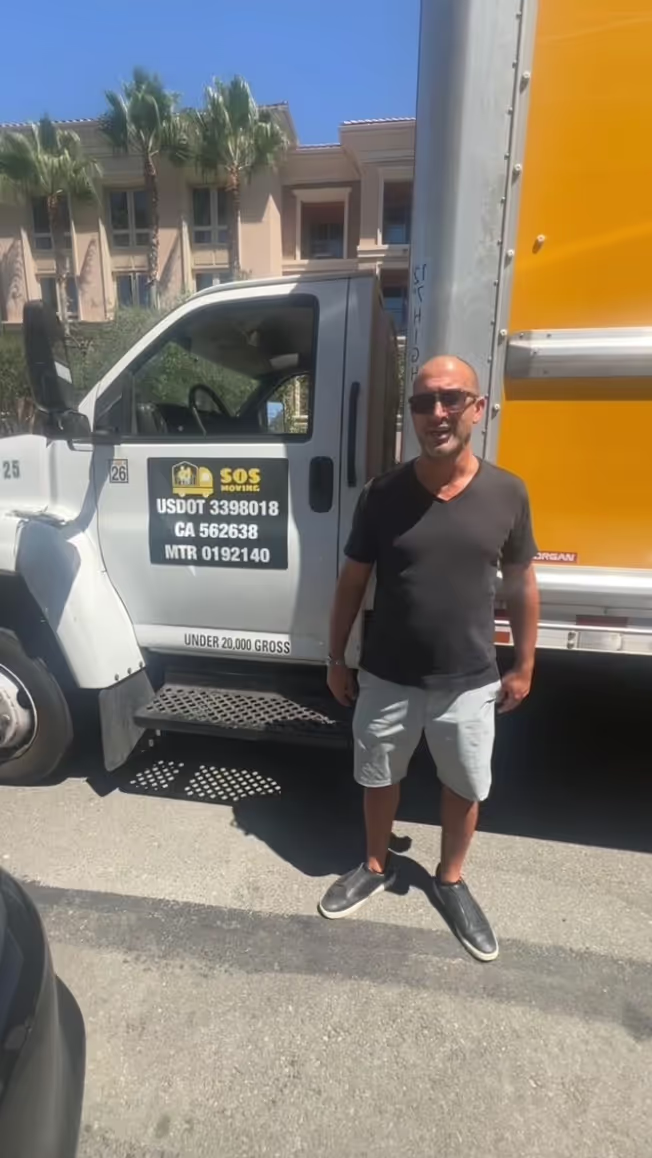
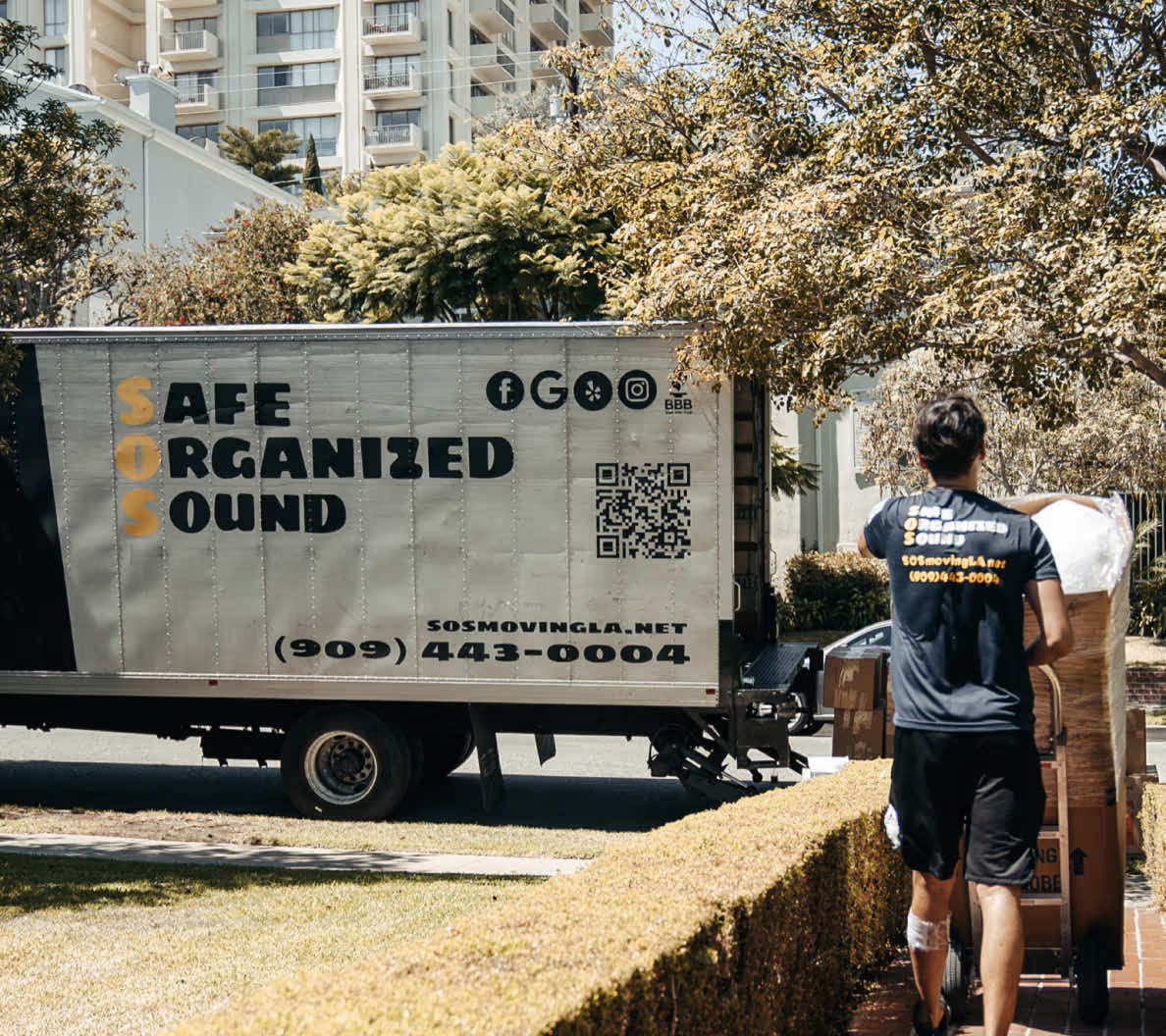
Most calls about moving storage in Torrance, CA begin with a calendar rather than a shortage of space: the keys to the next place arrive after the day the current one has to be empty. One booking covers both halves of that problem, because the crew you would hire as Torrance movers is the crew that loads your storage job.
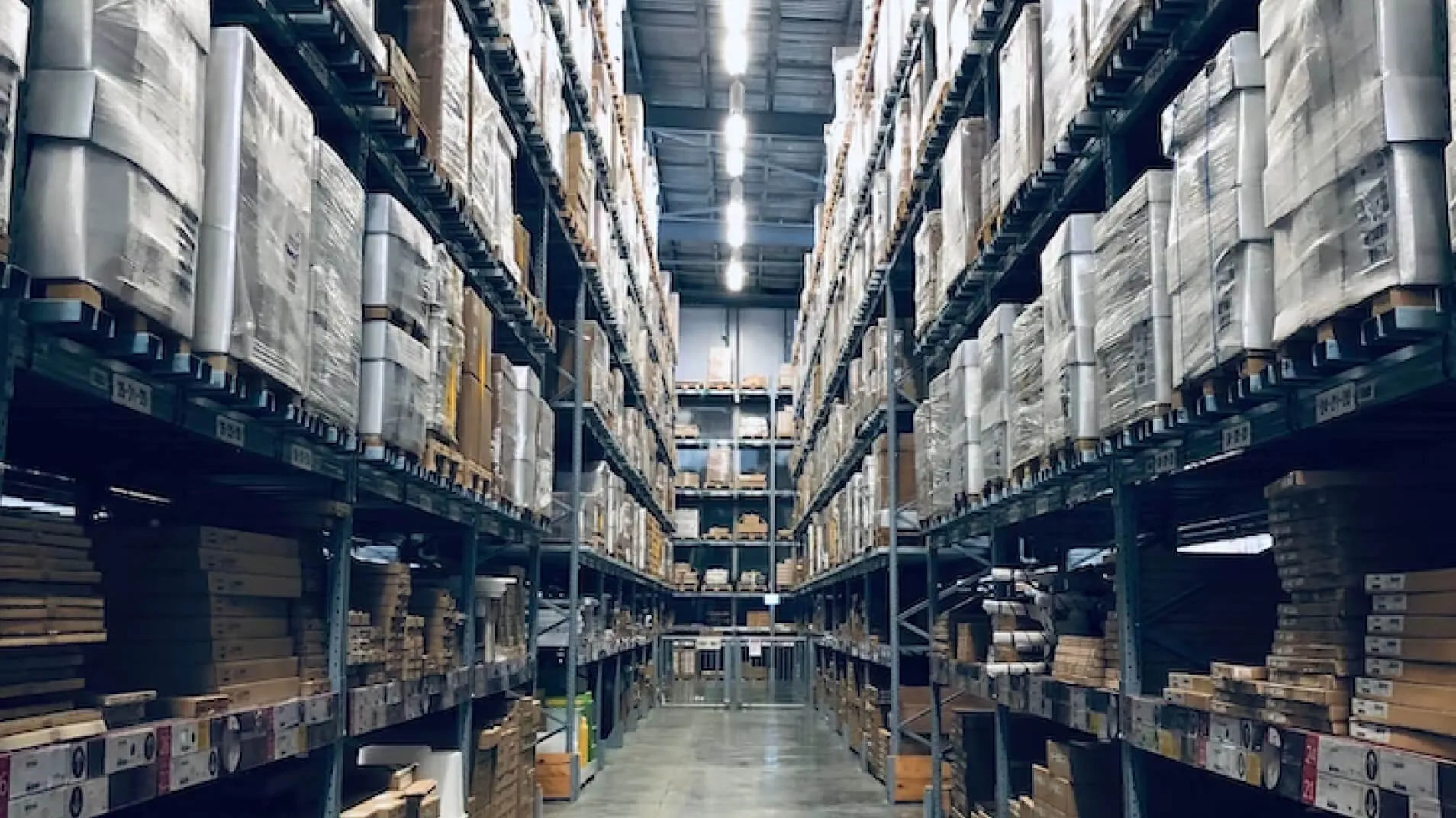
Nothing is left standing at the curb while you wait for the second date. Wrapped pieces go onto the truck, the truck goes to our climate-controlled facility, and every item sits on your inventory until you call with a delivery date.
Our only office is in Los Angeles, at 5530 Jillson Street, so a run into the South Bay is ordinary work for the crew rather than a special trip. Pickups and returns are booked Monday through Sunday, 8AM – 6PM, and a same-day slot is possible whenever a crew is open.
Storage here is a service, not a rented room: you never drive a truck, carry a box down a ramp or meet a gate code on a Sunday. The same team wraps, loads, holds and brings everything back.
Days to a few weeks, for the gap most households run into: a lease ending on the last of the month, a closing that slips, a contractor who needs the rooms empty before you have anywhere to put them. The crew loads on your date, the load waits with us, and you name the return day. Extending costs no penalty, so one week can become three on a phone call.
From a month upward, when the reason is work rather than paperwork: a kitchen down to the studs, a room converted, a house on the market while the family lives elsewhere. Climate control runs the whole time. Ask and the crew can bring out a single piece instead of the whole load.
Booked when the move leaves California and the new home is not finished. Your things stay with us under CAL-T0192140, USDOT 3398018 and MC 1153871, then go out on the delivery date you confirm. That saves arranging a second storage contract in a city you have not moved to yet.

The facility runs on steady temperature and humidity through every season. That is what protects solid wood from splitting, veneer from lifting, upholstery and mattresses from damp, and speakers, screens and instruments from the slow damage a garage does to them.
Households usually send furniture, appliances, bed frames, boxed kitchens and books, artwork, rugs, seasonal gear and holiday boxes. Offices send desks, chairs, network and server equipment, files and stock. Everything is listed before it is loaded, and that list is what you quote back to us when you want something returned.
A short list never travels: propane and other flammables, corrosives, explosives, loose batteries, perishable food, live plants, and anything likely to draw pests or grow mold. If one item is in doubt, name it at the estimate and you will have an answer before the truck is booked.
Weight and awkward shapes change the crew, not the storage. A piano is moved by a crew of four, and any single piece over 300 lbs needs at least three movers, so those items are settled at booking rather than discovered in your hallway.

1. Estimate. Call 909-443-0004 or send the room count and your dates through the free estimate form. We fix the crew size, the window and any building paperwork, and a $50 deposit holds the date against the total rather than on top of it.
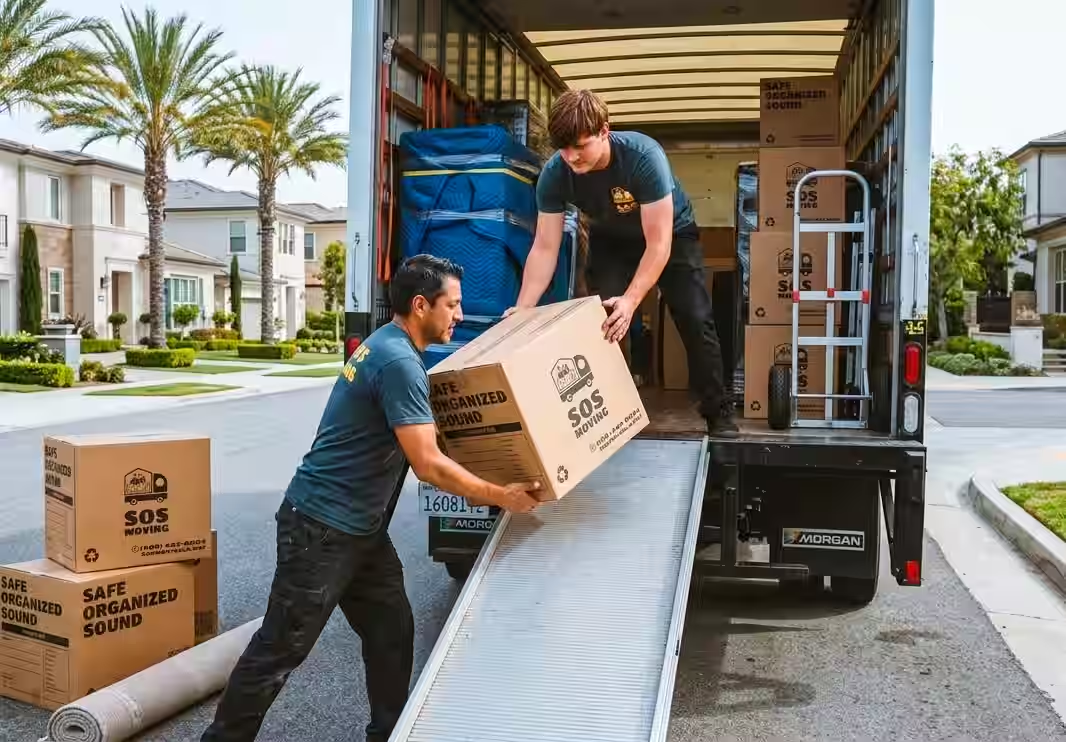
2. Pickup. The crew arrives inside your window with blankets, shrink wrap, padding and wardrobe boxes. Each piece is wrapped in the room it stands in, carried out in one pass and checked onto the inventory as it is loaded.
3. In storage. The truck goes straight to the climate-controlled facility the same day. Your load stays there against the inventory, and the term extends without a penalty when a date slides.
4. Return. Give us the delivery date. The crew pulls your pieces before the trip, drives to the new address and sets everything in the rooms you point to, which is the difference between a delivery and a move.
Crew time is hourly and identical to any other job, with cash and card rates listed for each crew size:
Add-ons are fixed amounts: $30 fuel, $50 for a certificate of insurance when a building asks for one, $200 for a piano with a four-mover crew, $150 for a single item over 300 lbs with three movers, $200 for a second truck and $200 for overnight storage.
Hours are counted the same way on both legs: a three-hour minimum, four hours when the address is 30+ miles from our base, double drive time past ten miles and overtime after eight hours. The storage term itself is quoted once we have seen the inventory, since a studio and a four-bedroom do not take the same space.
Residential blocks here are posted with street-sweeping signs carrying a three-hour parking restriction, and enforcement is contracted out to ACE Parking. Its employee starts each morning at the same location as the sweeper and follows the route, and the advice the city itself gives is to avoid parking after the sweeper has passed and to keep to the posted three-hour restriction.
Two kinds of day are different: sweeping and enforcement do not take place on the thirteen listed holidays, and on rainy days sweeping may be cancelled, in which case no citations are issued.
Give us your sweeping day when you book. The crew either arrives outside the posted hours or loads from the side of the street that is not posted that morning, and wrapped pieces are staged by the door so the truck stands for as little time as the job allows.
Associations and building managers want their documents before the move, not during it. A certificate of insurance naming the association is $50 and goes over ahead of the date; the elevator slot and the loading zone are reserved in the same conversation, because a lift held for two hours decides how the crew is split between the truck and the door.
Buildings that allow moves on weekdays only push the job into the Monday–Thursday rates, which are the cheaper ones in any case. From you we need the gate or lobby code, somewhere the truck can legally stand and the rooms cleared of whatever is staying with you. The day is planned inside 8AM – 6PM, with the three-hour minimum and travel time already in the estimate.
This is not a purely residential city. Torrance Municipal Airport, also known as Zamperini Field, handles about 175,000 take-offs and landings a year, and PBF Energy operates a refinery within the city limits.
Storage requests from a mixed place like this arrive in the ordinary shapes: a lease that ends first, a rebuild that empties half the house, a relocation that crosses a state line.
Each one is answered the same way — wrap and load at your address, hold the load in climate-controlled storage, return it on a date you set. The two legs are booked separately, often weeks apart, so nobody is asked to guess the second date at the first visit.
The city is reached by I-110, I-405, SR-91, SR-107 and SR-1, and its original 1921 boundaries ran along Western Avenue on the east, Del Amo Boulevard on the north and Crenshaw Boulevard on the west. Whichever of those routes a truck takes out of Los Angeles, the final stretch of a storage run is on city streets.
So an arrival window is given rather than a minute, and the crew is confirmed the day before. Both legs run inside 8AM – 6PM on any day of the week; we do not move at night, so a large load starts early instead of finishing late. Returns go faster when we hear a few days ahead, since your pieces are picked out of the facility before loading begins.
Situations we see in Torrance, and the kind of storage each one calls for:
| Situation in Torrance | Kind of storage |
|---|---|
| A lease that ends before the keys to the next place are handed over, with no trailer able to wait it out at the curb: 61.12.020(b) bars parking or leaving standing any trailer, regardless of length or width, on a public street in the city | Short-term — loaded on your last day, held, delivered when the new place opens |
| A pickup morning that falls inside the posted three-hour street-sweeping restriction | Short-term, with the slot set outside the posted window or worked from the side of the street that is not posted |
| Sweeping cancelled by rain, when no citations are issued and the curb is free at short notice | Short-term, with a same-day pickup whenever a crew is open |
| A kitchen, bathroom or floor rebuild that needs the rooms empty for a season | Long-term, from a month, extended without a penalty if the work runs past the date |
| A move out of state while the new home is still being finished | In-transit — the load stays with us and goes out on the delivery date you confirm |
| City-owned parking lots considered as a place to stage a trailer, which 61.12.020(d) covers with the same ban | Facility storage instead of anything parked near the house, in every term |














Straight from your door onto the truck, and from the truck into our climate-controlled facility in one run. Each item is checked onto an inventory as it is loaded and stays on that list until you set a return date. Nothing is parked at your curb in the meantime.
Tell us the sweeping day when you book. The posted restriction runs three hours, so the crew either arrives outside that window or loads from the side of the street that is not posted that day. Sweeping and enforcement are off on the thirteen listed holidays, and on rainy days sweeping may be cancelled with no citations issued.
No, and it is not a preference of ours. The municipal code bars parking or leaving standing any trailer on a public street in Torrance, regardless of length or width, and extends the same rule to City-owned parking lots. Your load goes to the facility and comes back on a truck on the delivery date.
Crew time is hourly: two movers with a truck are $119 cash or $129 card Monday to Thursday and $135 or $145 Friday to Sunday, with three- and four-mover crews priced above that. A three-hour minimum applies to each visit, and it becomes four hours when the address is 30+ miles from our base. The storage term is quoted after we have seen the inventory.
Yes. Name the item from your inventory and we will arrange either a visit to the facility or a delivery of that piece alone. A couple of days of notice helps, because the crew locates it before anyone drives out.
That is exactly what in-transit storage is for. We hold the load while the new home is finished and send it out on the date you confirm, under USDOT 3398018 and MC 1153871, so you are not arranging storage twice.
Almost nobody sets out to store a household. The booking appears when two dates refuse to meet: the day the current place has to be empty, and the day the next one is genuinely available. Everything else about the move stays ordinary, which is why the storage leg works best inside the same job instead of a rented van and a unit you load by yourself.
In this city the gap usually takes one of a few familiar shapes:
Each of those is answered with the same shape of job: one crew, one truck, one inventory and two dates rather than one. The only thing that really changes is how long the load stays with us, and that is precisely the part you are allowed to change later.
It also explains why this reads as a moving service rather than a room you rent. Your involvement ends when the door closes behind the crew and starts again when you name a delivery date.
Short-term is the default answer to a date gap. A load collected on a Friday and returned ten days later never turns into a separate project: the same estimate, the same crew size and the same inventory carry over, and the only new decision is when you want the truck back.
Long-term storage starts at a month and differs in one respect — you stop counting days. Renovations are the usual reason, and renovations slide. Because the term extends without a penalty, a February return that becomes an April return costs a phone call rather than a new booking.
In-transit storage belongs to long-distance work. Your things are wrapped and loaded in Torrance, held while the destination is finished, then sent out on a confirmed date, which spares you renting a unit in a city you have not moved to yet.
People often ask which term they need before they have said what their calendar looks like. Describe the dates and let the term follow: the difference between the three is a line on the paperwork, not a different crew, a different truck or a different building.
Volume matters more than most people expect, and it is the one thing that cannot be settled over the phone in a sentence. A room count, an honest word about the garage and a note on anything unusually heavy are enough to size the job before anyone is dispatched.
A garage or a friend’s spare room is not a neutral place to park furniture. Swings in temperature and humidity are what warp solid wood, lift veneer, mark upholstery and shorten the life of electronics, and none of that shows on the day you load — it shows on the day you unpack.
Temperature and humidity in our facility stay level through summer and winter alike. The pieces that benefit are the ones nobody wants to replace: dining tables, bed frames, sofas and mattresses, rugs, artwork, instruments, screens and speakers, and anything held together with glue.
Some items never travel, whatever the term. Flammables and corrosives, propane, explosives, loose batteries, perishable food and live plants stay with you, along with anything that attracts pests or is already damp enough to grow mold.
Awkward weight is a crew question rather than a storage question. A piano goes with a crew of four, and a single item over 300 lbs needs at least three movers, so those pieces are named at the estimate and priced then: $200 for the piano, $150 for the over-300 lbs item.
Wrapping is the other half of the protection. Blankets, shrink wrap, padding and wardrobe boxes go on in your rooms, and the same materials come back out on the return trip, because the second journey is as capable of scratching a table as the first.
Both visits happen inside the same window, 8AM – 6PM, any day of the week. Nights are not an option here, so a heavy load is planned as an early start rather than a late finish, and the crew size is chosen to fit the day rather than stretch it.
Pickup day begins with wrapping, not carrying. Each piece is protected where it stands, taken out in one pass and checked onto an inventory as it goes onto the truck, and the truck leaves for the facility the same day.
Between the two visits the inventory is the whole relationship. It is how we find your things, how you ask for a single item rather than the lot, and how both sides know what came in and what went out.
Return day runs the script backwards. Your pieces are pulled before the trip, driven to the new address and set down in the rooms you point to, with beds and tables reassembled where the crew took them apart.
Partial returns are normal, and they are easier with notice. Name the items from the list, allow a couple of days, and the crew brings out what you asked for while the rest stays where it is.
Two local details decide the start time more often than traffic does: your street and your building. Residential blocks carry street-sweeping signs with a three-hour parking restriction, and enforcement is handled by a contractor whose employee begins each morning where the sweeper begins and then follows its route.
That is why the sweeping day goes into the booking. The crew either arrives outside the posted three hours or works from the side of the street that is not posted that morning, and two exceptions help: no sweeping or enforcement on the thirteen listed holidays, and no citations on a rainy day when sweeping is cancelled.
Buildings bring their own calendar. Condo boards and associations generally want a certificate of insurance naming the association, which costs $50 and is sent to the manager before the date, and they expect the elevator and loading zone to be reserved rather than claimed on arrival.
Waiting out the gap at the curb is not an option worth planning around. The municipal code bars parking or leaving standing any trailer on a public street in Torrance whatever its length or width, and applies the same ban to City-owned parking lots, which is one more reason the load goes to a facility and comes back on a truck.
The drive is the last variable. I-110, I-405, SR-91, SR-107 and SR-1 all serve the city, yet the last stretch of any run is on city streets, so we quote an arrival window and confirm the crew the day before rather than promising a minute.
Three things come out of the estimate: crew size, hours and paperwork. Two movers with a truck are $119 cash or $129 card Monday to Thursday and $135 or $145 Friday to Sunday; three movers are $159 or $169 and $175 or $185; four movers are $199 or $209 and $215 or $225.
Fixed amounts sit beside the hourly rate rather than hiding inside it: $30 for fuel, $50 for a certificate of insurance, $200 for a second truck, $200 for overnight storage, and a $50 deposit that holds your date and comes off the final bill.
Hours are counted the same way on both legs. Three hours is the minimum, four when the address is 30+ miles from our base, drive time counts double past ten miles, and overtime applies after eight hours on site.
What the estimate deliberately leaves open is the length of the term. It is quoted once we know what is being stored, and it is the number you are free to revise later, since extending carries no penalty.
A pickup can happen on the day you call when a crew is open, and a return is set for whatever date you choose. To start either one, call 909-443-0004 or send your dates through the free estimate form.