






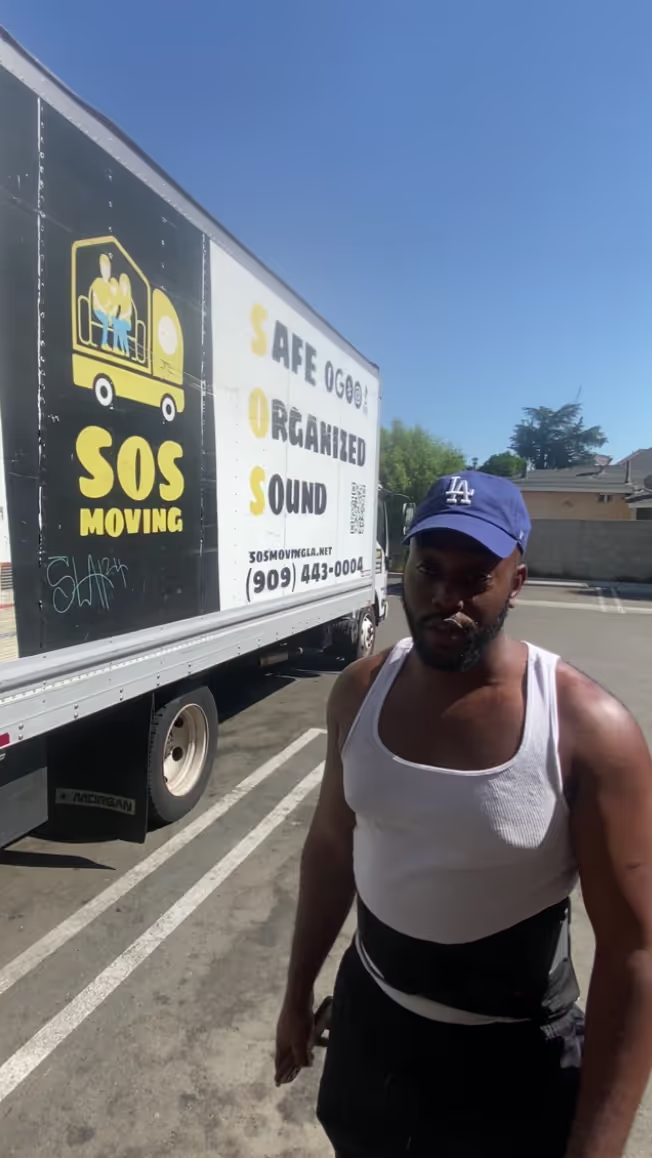

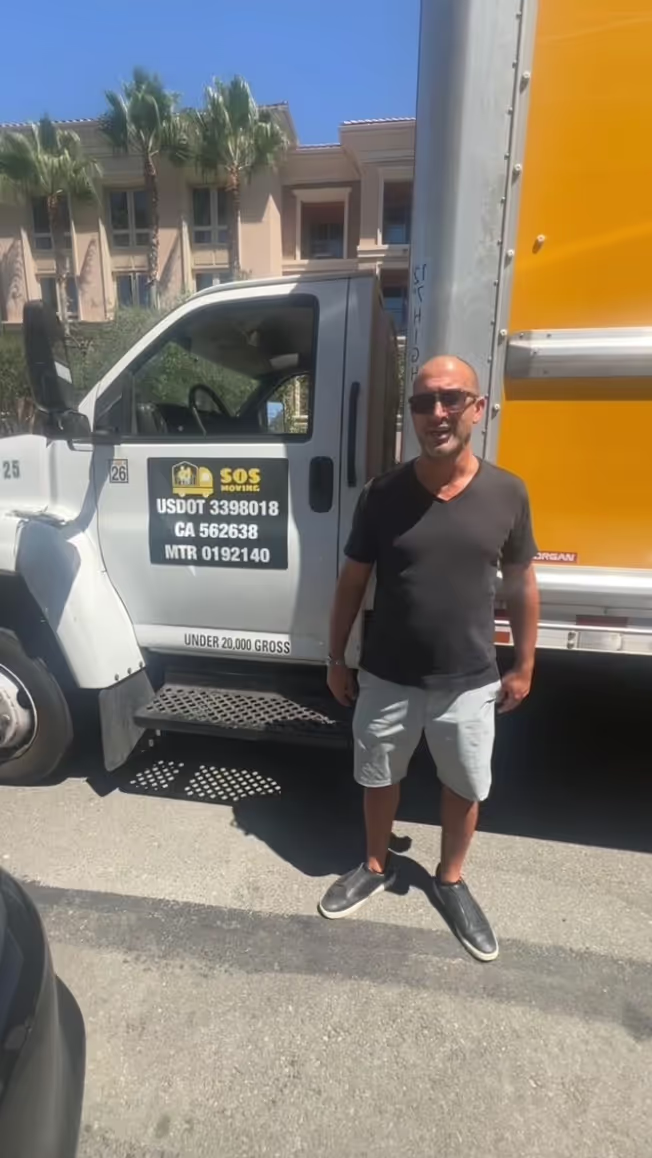
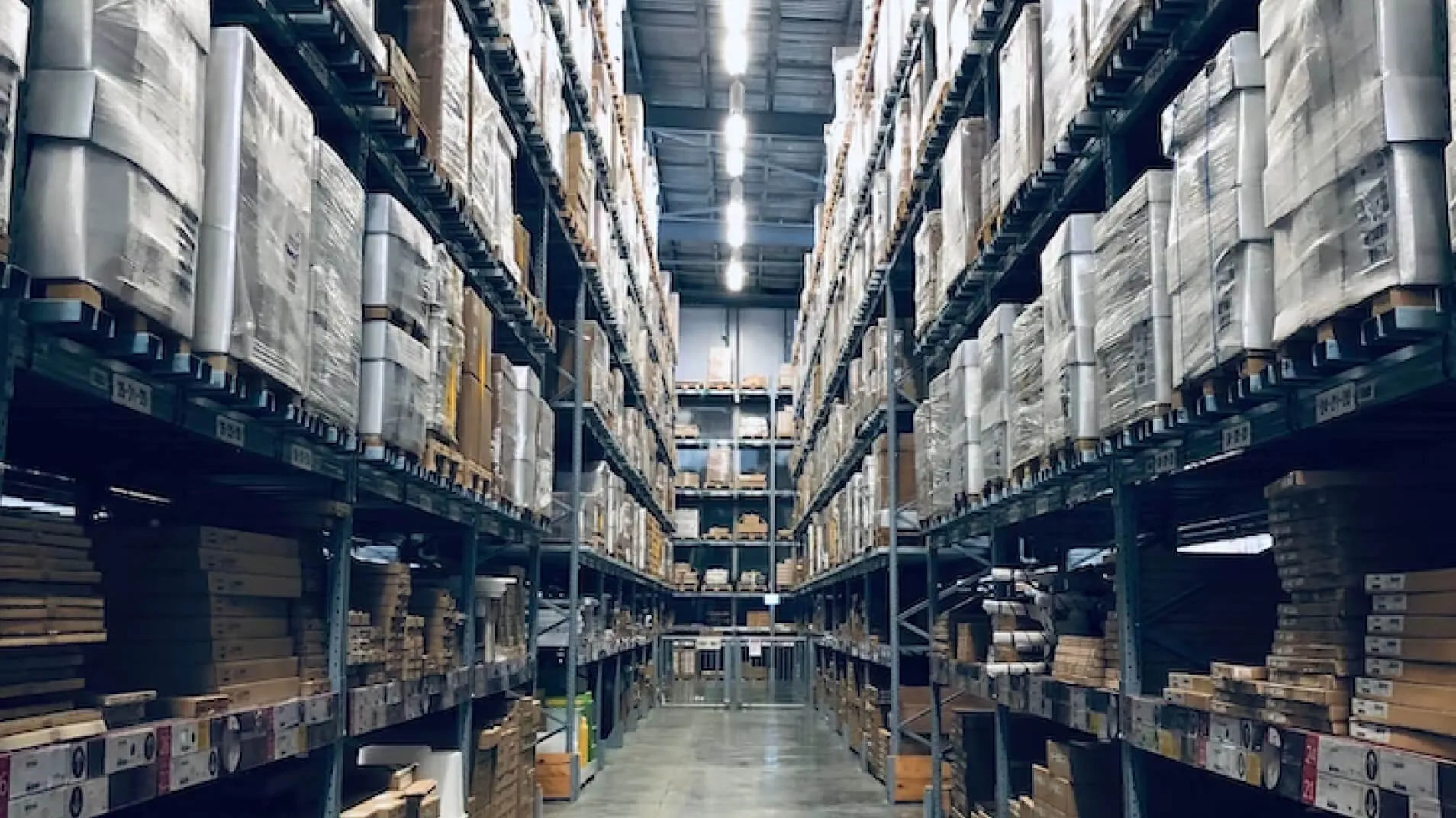
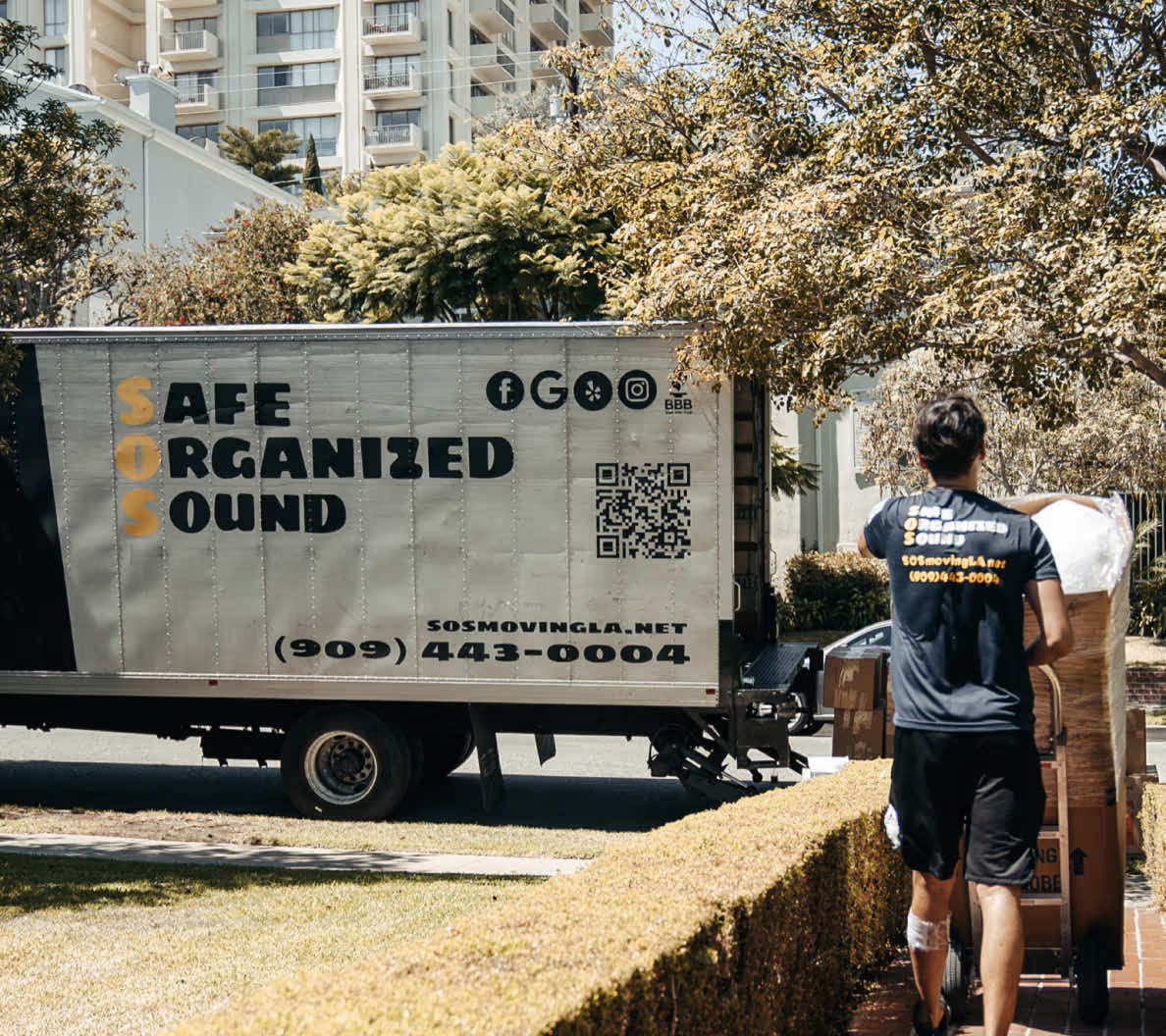
Moving and storage in Glendale, CA is rarely a choice anyone makes for fun — it is what happens when the lease closes on the 30th and the keys arrive on the 8th. SOS Moving packs the rooms, carries the load to a climate-controlled warehouse and brings it back on your date. It is the same storage service we run county-wide, booked through the crews behind our Glendale movers page.
Booked on its own, the service is a pickup and a hold: we come to the address, wrap what is going, load it and keep it. Booked with a move, the crew that empties the apartment is the crew that fills the truck coming back, so no second company ever handles your boxes.
Temperature and humidity stay steady in the warehouse through the year, which is what saves veneer from swelling, electronics from condensation and upholstery from mildew. Nothing is left for you to haul or drive: wrapping, loading, the trip out and the trip home are all crew work.
Terms come in three lengths — short-term, long-term and in-transit — and they stretch without a penalty. A contractor who needs two more weeks, or an escrow that slips, changes the return date and nothing else.
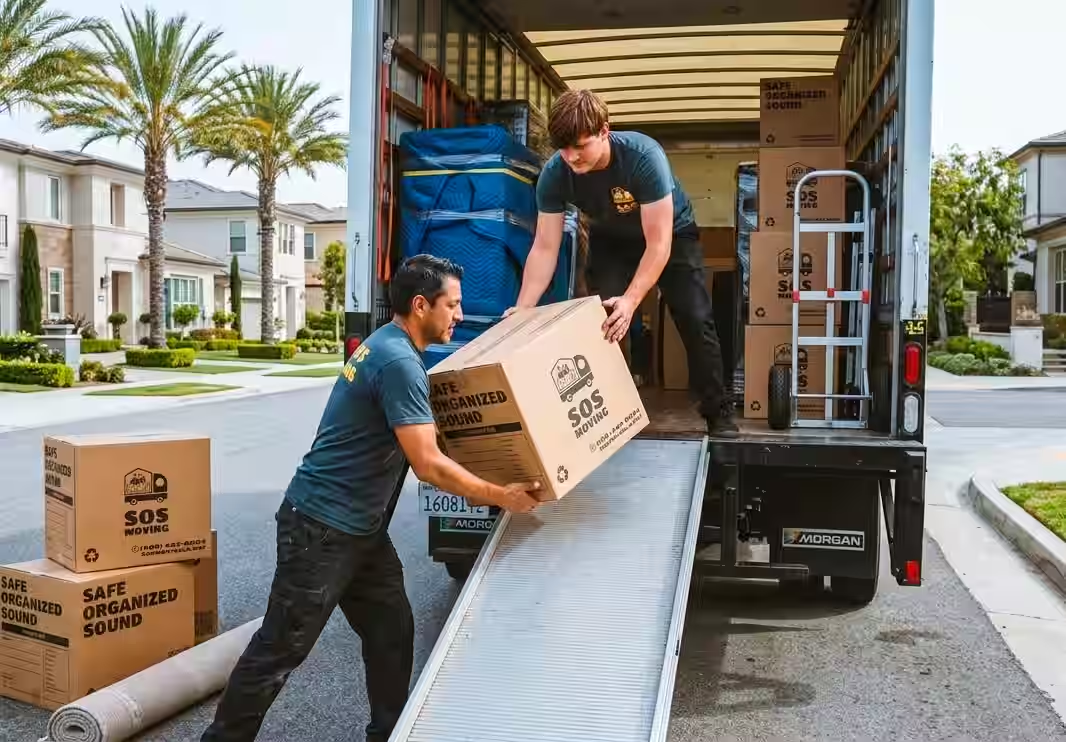
Days, or a couple of weeks, with no minimum stay set on our side. It covers keys that land after the lease ends, a kitchen torn out for a remodel, and rooms cleared so a listing photographs well. Pickup and return are two separate visits, and the second date can stay open until you know it.
A month or longer, for whatever will not fit or is not wanted yet: a guest room's worth of furniture, seasonal pieces, files, the contents of an office that shrank. The load sits in the same conditions the whole time, and the term rolls forward whenever you ask, with no charge for the extra weeks.
Built for a household leaving Glendale for another state with a home that is not ready. The load waits with us after the pickup and goes out with the long-distance crew on your destination date. When a job only has to finish the next morning, an overnight hold is a flat $200.

The crew arrives with blankets, shrink wrap, tape, wardrobe boxes and floor protection, so nothing has to be bought the night before. Furniture is padded in the room where it stands, mirrors and glass go into boxes, and every piece is listed before it goes down the stairs.
Beds, sofas, dining sets, dressers, appliances, mattresses, artwork, boxed kitchens, files, office chairs and shop fixtures all travel well and come back the way they left. A piano rides only with a four-person crew, and any single item over 300 lbs needs at least three movers on it.
A short list stays behind for safety and for the law: anything flammable or corrosive, propane, fireworks, batteries, paint thinner, open food and live plants. If one box has you guessing, ask on the phone before packing day rather than at the curb.
Return day runs the same way in reverse. You give us a date, the crew pulls your inventory, drives it back and sets the furniture where you point, so the second trip ends with the beds standing instead of a stack in the hall.

| Crew with a truck | Mon–Thu, cash / card | Fri–Sun, cash / card |
|---|---|---|
| 2 movers | $119 / $129 | $135 / $145 |
| 3 movers | $159 / $169 | $175 / $185 |
| 4 movers | $199 / $209 | $215 / $225 |
Fixed lines are short. Fuel is $30, a certificate of insurance for a building that asks for one is $50, a second truck is $200, an overnight hold is $200, a piano is $200 and only with four movers, and a single item over 300 lbs is $150 with a crew of three.
The date is held with a $50 deposit, and that money comes straight off the final bill. Every job carries a three-hour minimum, which becomes four hours when the address sits more than 30 miles from our base; travel time counts double past the first ten miles, and hours after the eighth are billed as overtime.
Both halves of a storage job are charged the same way, so a pickup and a return are two jobs on the calendar and two on the invoice. Preparation is the only real lever: closed boxes and a clear path to the truck take hours off each visit.
Parts of Glendale sit inside established Preferential Parking Permit Districts. A resident permit there lifts the posted time limits for the household car, but it does not exempt anyone from a posted “No Parking” zone or from the hours written on that sign. The permit also holds none of the curb a loaded truck needs.
Whether an address falls inside a district is not published on a map — the city answers that question on request. We read the block before pickup day, check the signs on both sides of the driveway and decide where the truck stands. If the curb will not work, the crew loads from the alley or the garage entrance and carries on dollies.
Glendale runs its own Rental Rights Program, built from Just Cause Eviction, Right to Lease, Renter Relocation, Rent Reduction for Service Reduction and Intentional Disrepair/Neglect. When a rent increase tops 7% and the landlord has no previously banked increase, a tenant can decline it and request relocation assistance instead.
Dates in those letters are somebody else's, which is why a pickup here is planned around the date on the notice rather than one the household picked. Where a management office wants a certificate of insurance before it releases an elevator, we issue one for $50.
The city's economic development office counts over 4,000 newly built luxury apartments spread across the Downtown Glendale district, next to high-rise developments that house corporate headquarters. A pickup at one of those addresses is measured in elevator cycles, not in feet of driveway.
So the crew is sized to the carry rather than to the furniture: more hands mean fewer trips through the lobby and a shorter hold on the loading area. Sending the load straight to the warehouse also saves a second handling, since nothing has to sit in a lobby or a relative's garage while the new place gets sorted out.
Glendale repaves and rebuilds its streets in phases, with travel lanes closed intermittently while a city contractor is on the street; the Maintenance District 6 pavement work on Glenoaks Blvd between Central Ave and Brand Blvd is one example. A truck coming up from our Los Angeles base either routes around the current work zone or reaches the address before the work window opens.
Curb-ramp and sidewalk repair works the same way in the west of the city, where the concrete work has covered Cumberland Rd between Hillcrest Ave and Ridgeway Rd, Elm Ave and Irving Ave between Glenoaks Blvd and San Fernando Rd, and Linden Ave from San Fernando Rd south to the city limit. We check the city’s current notices the week of the pickup, because a closed lane outside the door changes where the truck can stand.
On those blocks we book the pickup and the return on separate days, and the load stays with us overnight in between. A crew that cannot reach the curb ends up carrying half a block, which costs more hours than the extra night does.
Situation in Glendale, and the storage term that fits it:
| Situation in Glendale | Storage term |
|---|---|
| A rent increase over 7% declined under the Rental Rights Program, with the move-out date set by the notice | Short-term, from the date on the letter until the next lease starts |
| A no-fault move-out where the next address has not been found yet | Short-term first, rolled into long-term with no penalty if the search runs on |
| An apartment in the Downtown Glendale district emptied for a remodel of one or two rooms | Short-term; furniture comes back room by room once the work is signed off |
| A house on Cumberland Rd, Elm Ave, Irving Ave or Linden Ave while the ADA curb ramp crews hold the block until 4pm | Any term, with pickup and return on separate days and an overnight hold at $200 |
| A job whose route crosses Glenoaks Blvd between Central Ave and Brand Blvd during the paving work | Any term; the trip is scheduled around the 7am–5pm contractor window |
| A household leaving Glendale for another state before the destination home is ready | In-transit, released to the long-distance crew on your destination date |














Yes. We book the pickup, the load goes into climate-controlled storage, and the return date is set later by a call. Terms extend with no penalty, so an open-ended wait is ordinary here rather than a problem.
We issue a COI for $50 and send it to the management office ahead of the date. Tell us the building’s requirements when you book, so the paperwork is filed before the elevator window is held.
From a few days to as long as you need. Short-term covers days and weeks, long-term starts at a month, and either one rolls forward whenever you call. Nothing has to be decided on day one.
Sometimes. On blocks where the city’s ADA curb ramp crews hold the street until 4pm, we usually split the two visits instead: the load stays overnight for a flat $200 and the return runs the next morning.
Crew time is billed by the hour for the team you book — two movers with a truck are $119 an hour in cash Monday through Thursday — plus $30 fuel and a $50 deposit that comes off the bill. Call 909-443-0004 with a room count for a figure on your own inventory.
That is in-transit storage. Your things stay with us after the pickup and go out with the long-distance crew on your destination date, so nothing needs a second arrangement at the other end.
Almost nobody plans to put a household into storage. The plan is a truck on Saturday, keys on Saturday and dinner on the floor of the new place that evening. What splits that into a two-part job is usually a date somebody else controls.
Leases rarely hand off cleanly. A tenant gives notice for the end of the month, the next building offers a start on the eighth, and there are eight days with a household and nowhere to put it. Hotels take people; they do not take a dining set.
Renovation is the second reason. Floors, a kitchen or a bathroom need rooms with nothing in them, and a contractor’s three weeks are seldom three weeks. Furniture pushed into a garage under a tarp comes back dusty at best.
Distance is the third. A household heading for Texas, Washington or the East Coast often lands a closing date well after the move-out date, and that gap can run a month. Paying a crew to load twice, once here and once again near the destination, is the expensive way to bridge it.
Glendale adds a fourth reason that has nothing to do with choice. The city runs its own Rental Rights Program — Just Cause Eviction, Right to Lease, Renter Relocation, Rent Reduction for Service Reduction and Intentional Disrepair/Neglect — and the letters that come out of it carry dates the household did not pick.
Where a rent increase tops 7% and the landlord has no previously banked increase, a tenant can decline it and request relocation assistance instead, and the move-out date then comes from that process.
None of those clocks line up with a kitchen calendar. The practical answer is the same in each case: empty the rooms once, on the date you were given, and let the load wait somewhere it is not getting rained on.
Glendale moving and storage jobs arrive with three terms attached, and they are not really separate products. They are three lengths of one service, and the only question worth answering is how long the gap runs.
Short-term runs from a few days to a few weeks with no minimum stay. It is the term for keys that arrive late, for a remodel of one or two rooms, and for a listing that has to photograph empty. Most short-term holds start with a firm pickup date and an open return date.
Long-term begins at a month and has no ceiling. Furniture from a room the new place does not have, seasonal pieces, files, stock from an office that shrank — all of it keeps in the same conditions for as long as it needs, and the term extends on a phone call.
In-transit belongs to a move out of state. Everything leaves the apartment once, waits with us, and goes out with the long-distance crew when the destination is ready, which means one loading and one unloading rather than three.
Choosing between short and long matters less than people expect, because extending costs nothing in penalties. Someone who books two weeks and needs nine calls us and the date moves. Booking the term you actually expect beats guessing long and sitting on the load.
Pickup and return are two separate crew visits, each with its own hours and its own minimum. Treating them as two jobs from the start is what keeps the second one from turning into a scramble.
It also helps to decide early what comes back first. Beds, a table, a desk and two chairs make a place liveable on the first evening; the rest can wait for the weekend without anyone noticing.
Climate control gets used as a slogan, so it is worth saying plainly what it does. Temperature and humidity are held steady in the warehouse all year instead of swinging with the season the way an uninsulated garage does.
Wood benefits first. Solid timber and veneer both move with moisture: a dining table that dries unevenly opens at the joints, and veneer lifts along the edges. Steady air keeps both flat.
Electronics come second. Condensation forms when warm air meets a cold board, and it does not take a flood to finish a receiver, a monitor or a console. Consistency is the entire defence.
Fabric is third. Upholstery, mattresses, rugs and boxed clothing all hold humidity, and mildew begins in exactly that mix of damp and still air. Artwork, photographs and paper records behave the same way.
The list of what we cannot take is short and mostly obvious: flammable or corrosive liquids, propane, fireworks, batteries, paint thinner, open food and live plants. Anything that draws pests stays behind as well, since one box of it is everyone’s problem.
Grey areas are worth a question. A case of wine, a small safe, a pressure washer with a full tank — ask when you book, and the answer takes a minute instead of an argument at the curb on pickup day.
Whatever does go in is wrapped once, at the address, and stays wrapped until it comes back. Blankets, shrink wrap, corner padding and wardrobe boxes all ride on the truck, so no one loses an hour to a supply run.
A storage job is two moves with a pause in the middle, and both halves look like ordinary moving days. The first crew shows up with materials; the second shows up with your inventory list.
Pickup starts with a walk-through. The crew agrees what is going, what is staying and where the truck will stand, then pads and wraps each piece in the room it occupies rather than in the hallway.
Loading order is decided on the spot with the return in mind. Pieces you will want first go on last and long-hold items go deep, and everything is listed before it leaves the door — which is what makes a partial return possible months later.
Then the load travels. The truck runs from the address to the warehouse the same day: not to a lobby, not to a relative’s garage, and not through a second vehicle on the way.
The pause is the easy part. Your things sit in climate-controlled conditions, and the only event in that stretch is the return date moving when you ask it to.
Return day mirrors the first one. You name the date, the crew pulls the inventory, drives it back, unwraps and places furniture where you point, and carries the packing debris out again.
Where the two visits cannot share a day, the load simply stays another night, and an overnight hold is a flat $200. That is the usual answer on blocks where street work limits how long a truck can stand at the curb.
Buildings add steps of their own, and they are worth naming at booking. A management office that requires a certificate of insurance gets one for $50, and an elevator window is far easier to hold when the crew size matches the carry.
Two things set the schedule here: the paperwork that fixes your date, and the streets between the front door and the truck.
Parts of the city are organised as Preferential Parking Permit Districts. A resident permit releases the household car from posted time limits, yet it does not exempt anyone from a posted No Parking zone or its hours, and it reserves no curb for a 26-foot truck.
No public map shows those districts. The city answers the question on request, which is why we check a block days ahead rather than on the morning of the job.
Street projects are the other half of the calendar. Pavement rehabilitation moves through the city by district and by phase, with lanes closed intermittently while the contractor is on site, so a pickup date is checked against the current work notices before it is fixed.
Curb-ramp and sidewalk repair follows the same pattern, one set of streets at a time, and a lane that is open this month may be coned off the next.
Those crews hold the street from 7am to 4pm with lanes closing intermittently, so a truck that needs the curb in front of the door does better arriving early or coming back the next day. Splitting a pickup from a return costs one night of storage and saves an afternoon of carrying.
Downtown poses a different problem with the same answer. The city’s economic development office counts over 4,000 newly built luxury apartments across the Downtown Glendale district, beside high-rise developments that house corporate headquarters, and a pickup there is counted in elevator cycles.
For those addresses we size the crew to the carry instead of to the furniture. More hands mean fewer trips through the lobby and a shorter hold on the loading area, which is the part the building management genuinely cares about.
Storage work is billed the way everything else is: by the crew hour, at the rate for the team you book. Two movers with a truck are $119 an hour in cash or $129 by card Monday through Thursday, and $135 or $145 Friday through Sunday.
Three movers are $159 in cash or $169 by card early in the week, $175 or $185 at the weekend. Four movers are $199 or $209, rising to $215 or $225 Friday through Sunday.
The fixed lines stay short. Fuel is $30, a certificate of insurance is $50, a second truck is $200, an overnight hold is $200, a piano is $200 and travels only with four movers, and one item over 300 lbs is $150 with a crew of three.
A $50 deposit holds the date and comes off the total. Each job carries a three-hour minimum that becomes four hours when the address sits more than 30 miles from our base, travel time counts double past the first ten miles, and anything after the eighth hour is overtime.
What really moves the invoice is the carry rather than the mileage. Stairs, a long walk to the truck, an elevator shared with the rest of the building and a household still packing when the crew arrives all add hours to both visits.
Preparation is the lever you hold. Boxes closed and labelled, a decision already made about what stays, and a clear path from the door to the curb take the same weight off the clock on pickup day and on return day.
Dispatch runs Monday – Sunday, 8AM – 6PM from one office at 5530 Jillson Street in Los Angeles, and a same-day pickup is possible when a crew is free. Call 909-443-0004 with a room count and a rough date, and you will get a figure rather than a range.