


%201.svg)





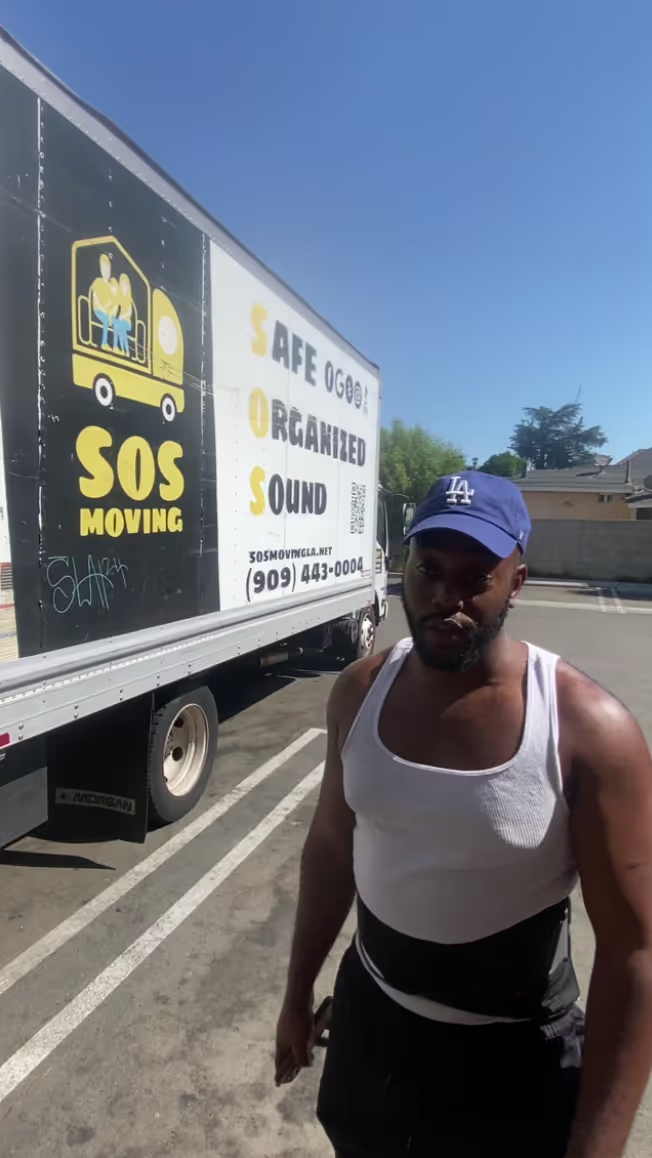
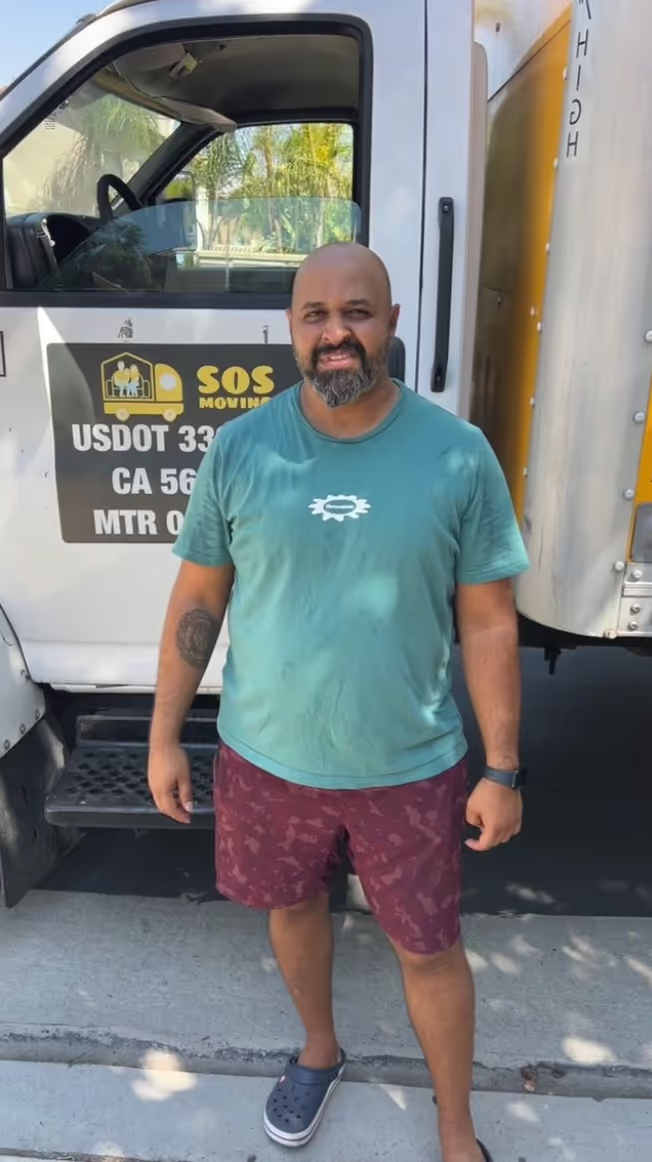
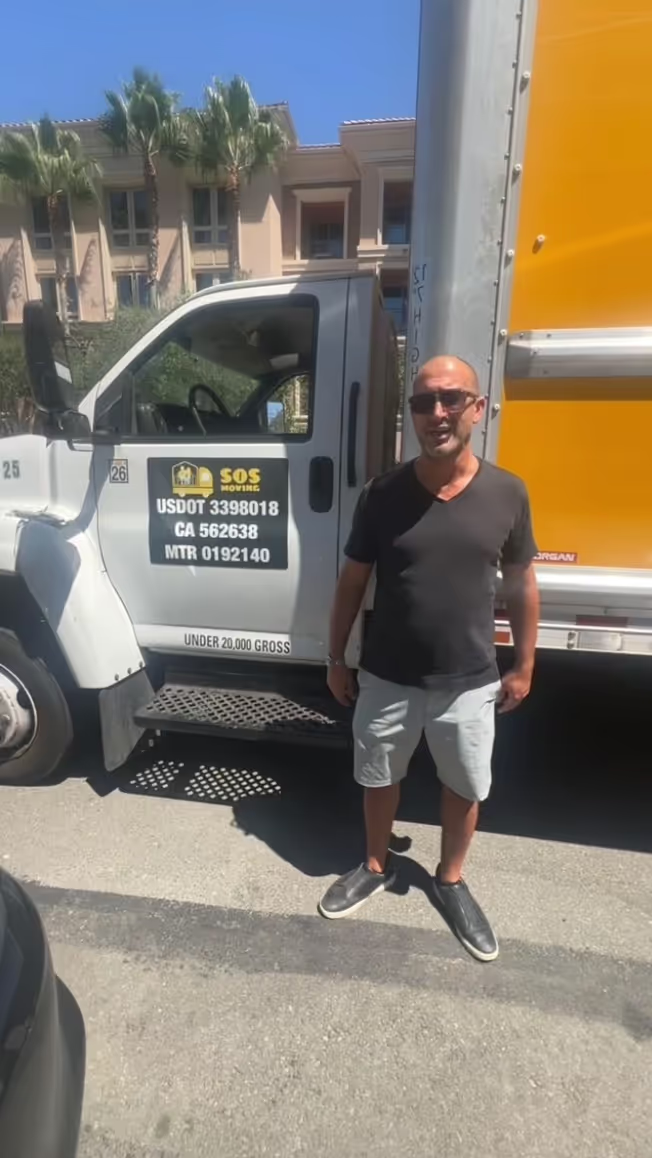


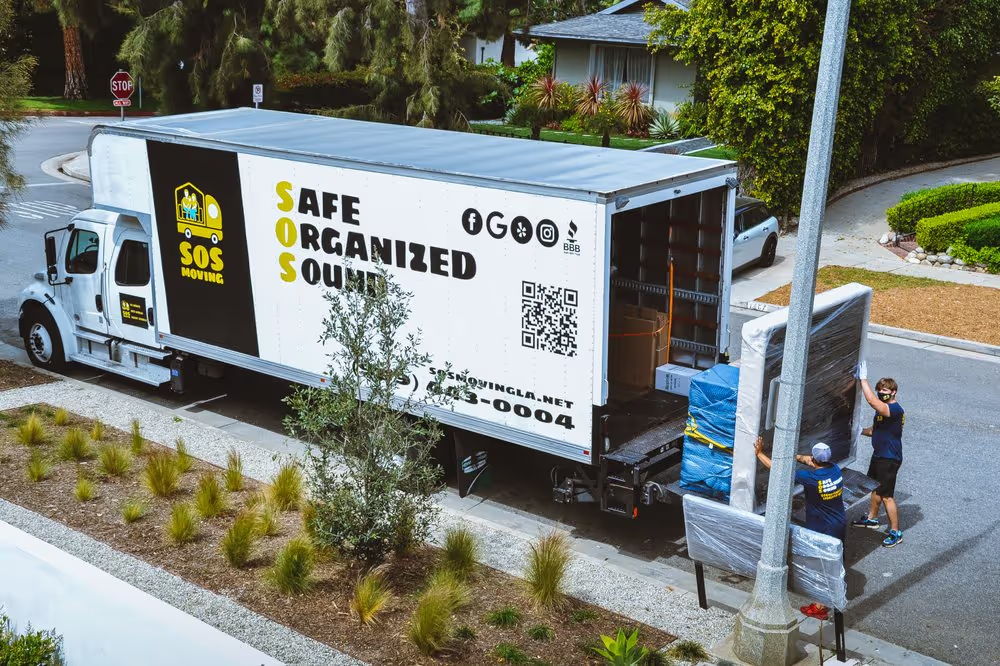
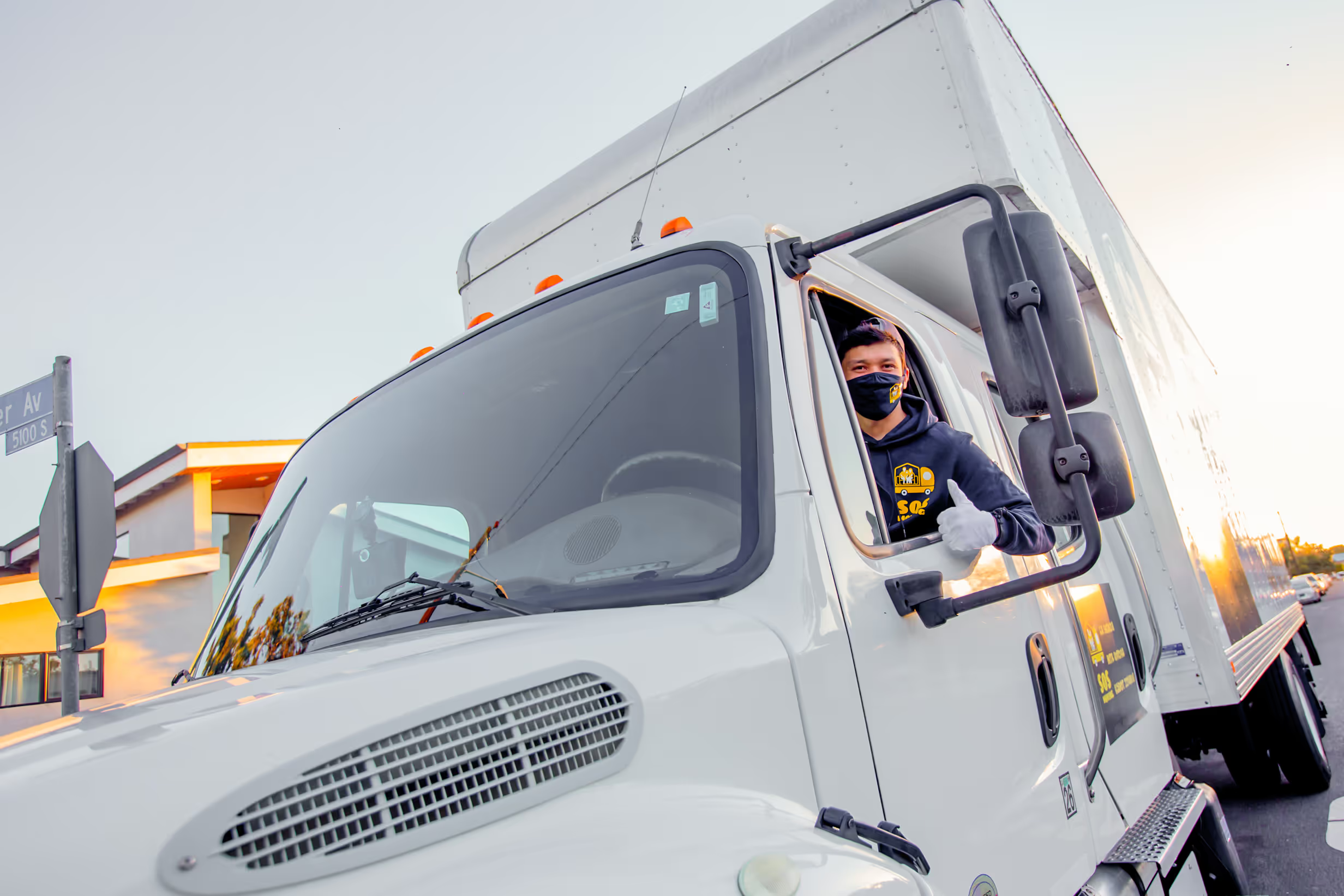

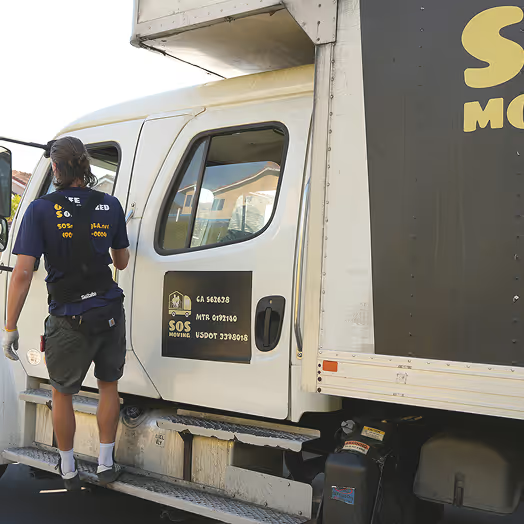
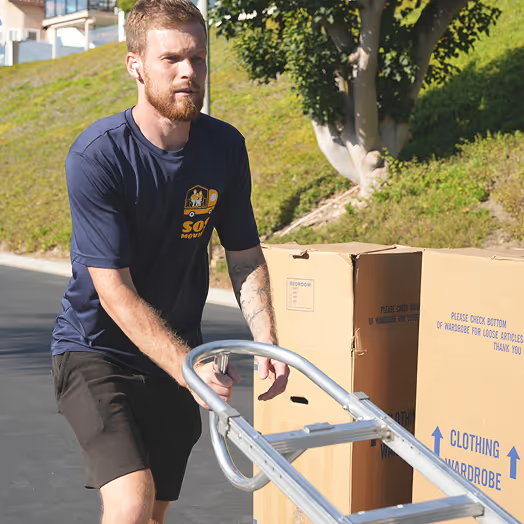
Picking among the best long distance moving companies in Glendale comes down to who shows up on loading day and who still has your furniture two states later. SOS Moving quotes the job as a long-distance move with one crew and one truck, and the same dispatch handles local jobs in Glendale when the address is closer to home.
Your price is flat. It is built from the volume of the home, the route, the packing you want done and how the truck reaches your door, rather than from a clock that keeps running while a crew walks a long driveway.
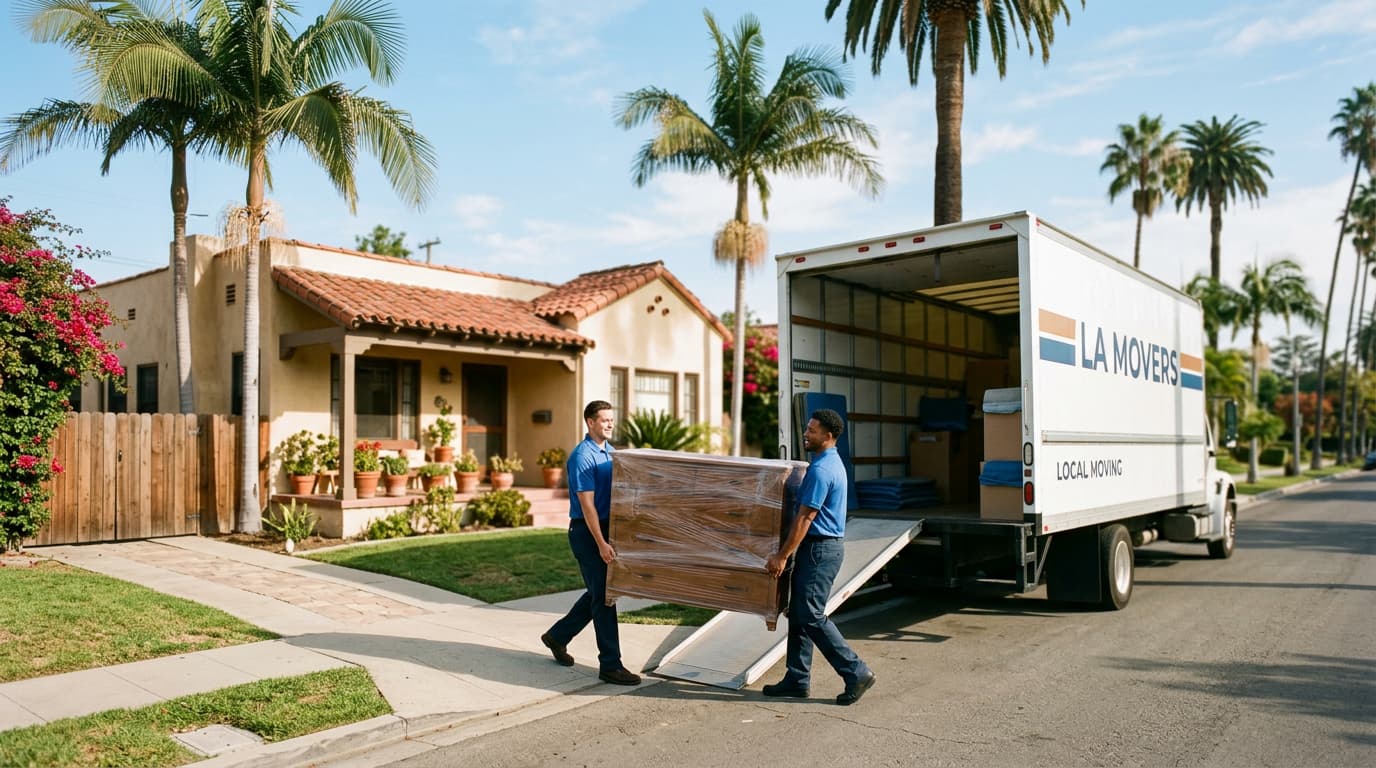
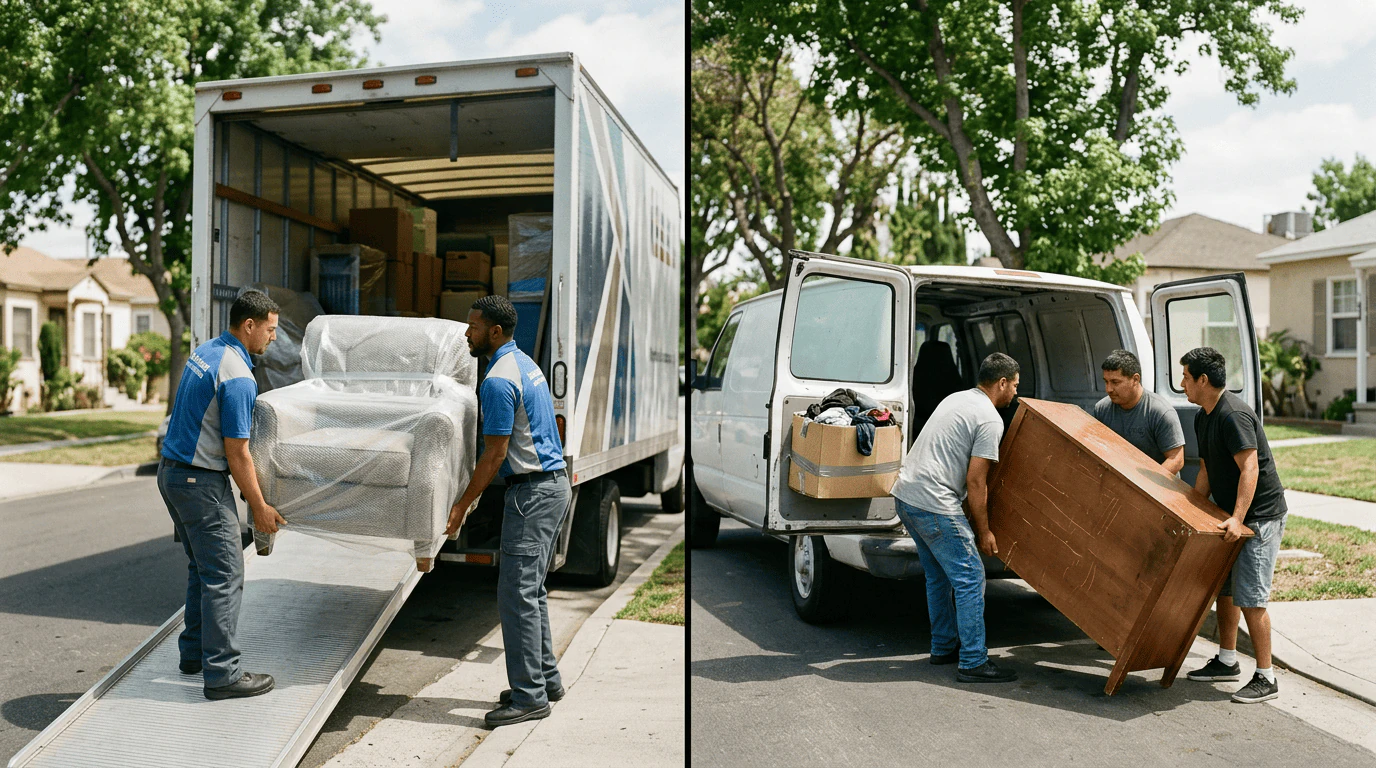
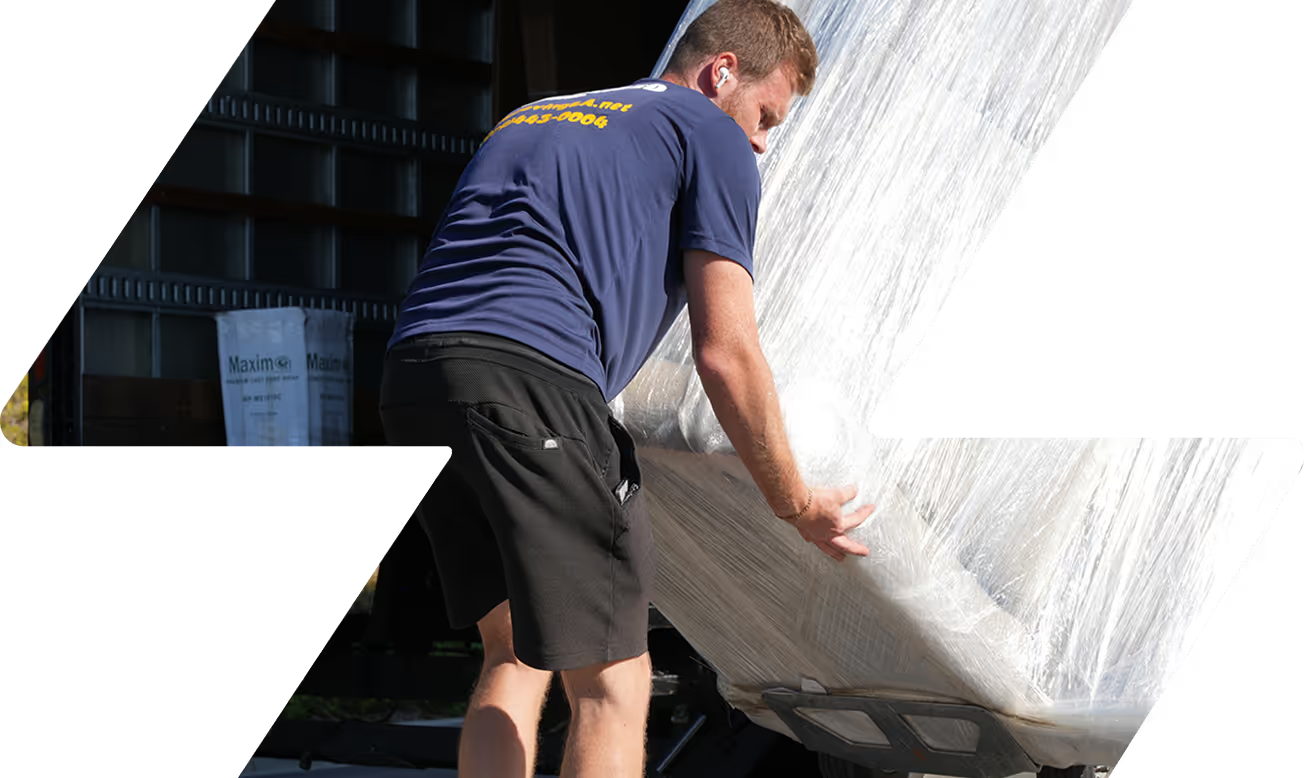
Nothing is transferred into a shared trailer along the way. The people who wrap your dresser on a Rossmoyne street are the people who carry it into the new place, which is the part customers tell us they worried about most.
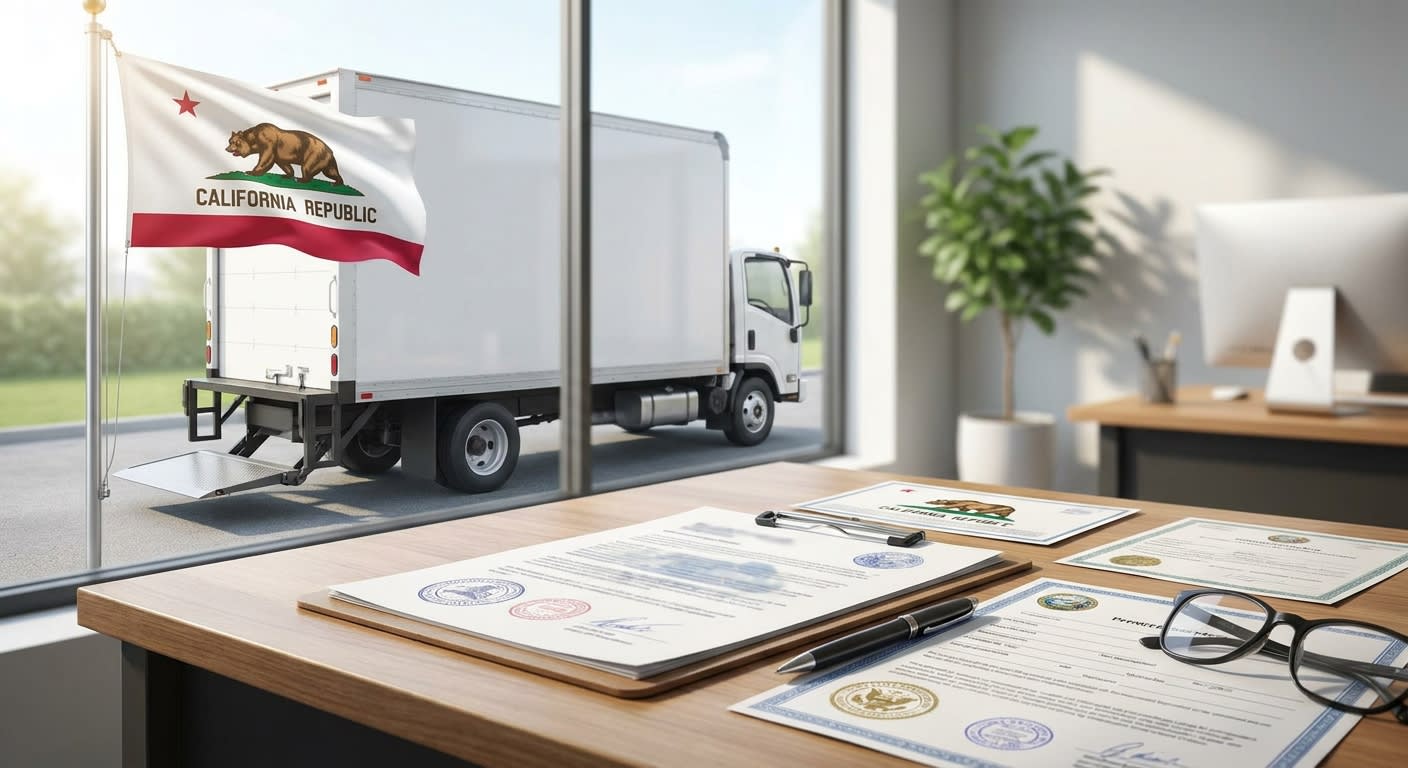
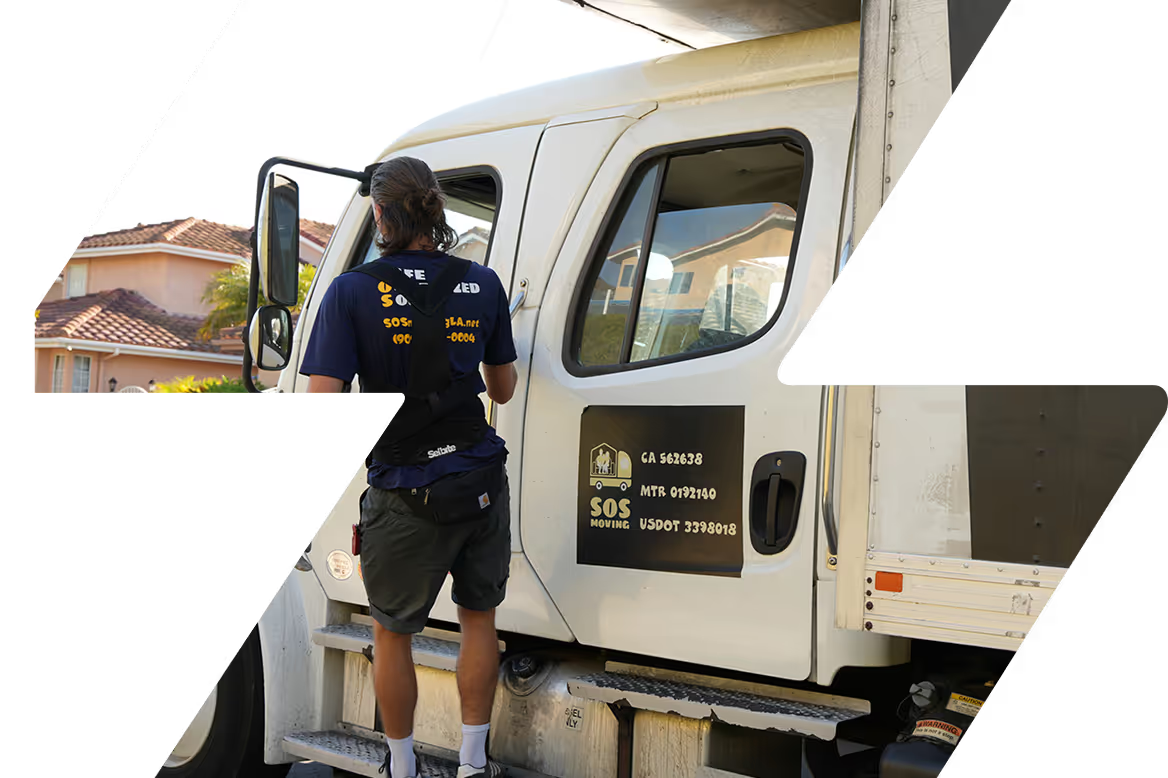
Two numbers make that legal across a state line: USDOT 3398018 and MC 1153871. CAL-T0192140 covers the household moves that stay inside California.






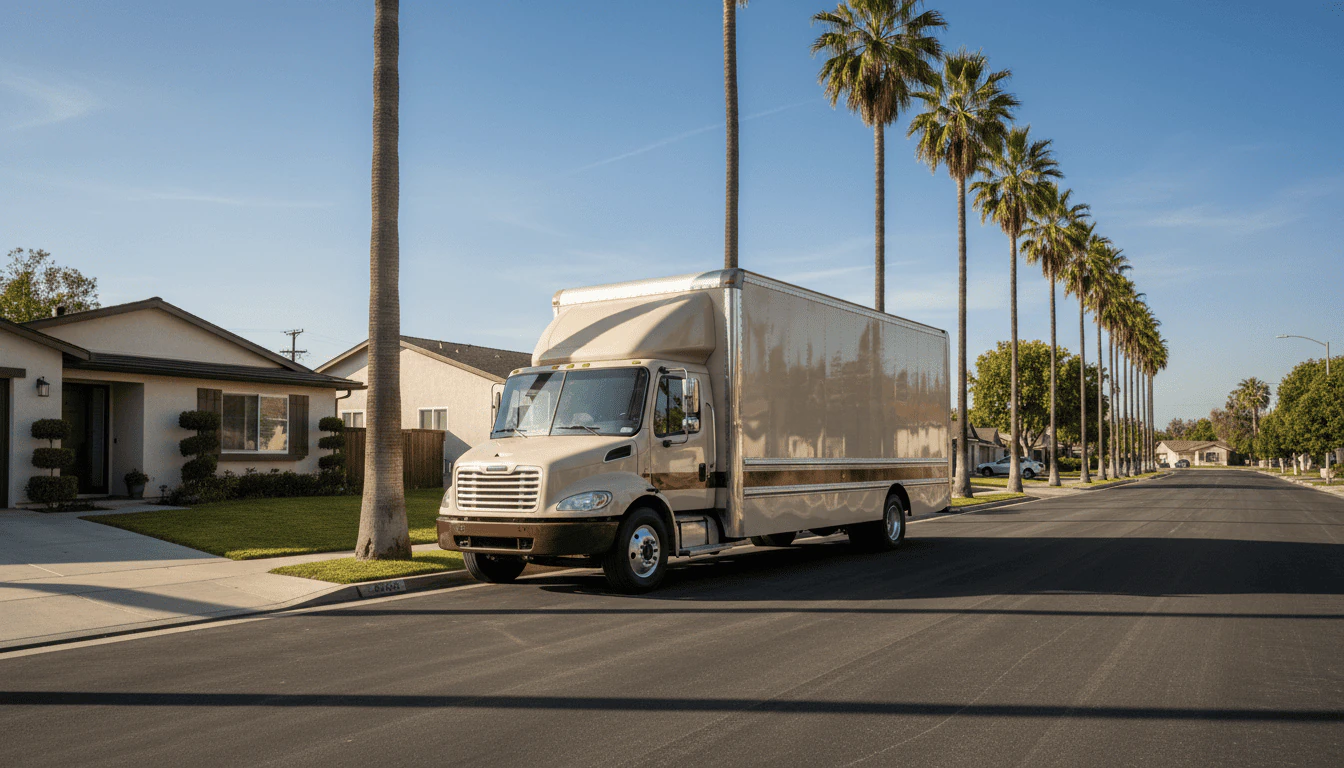
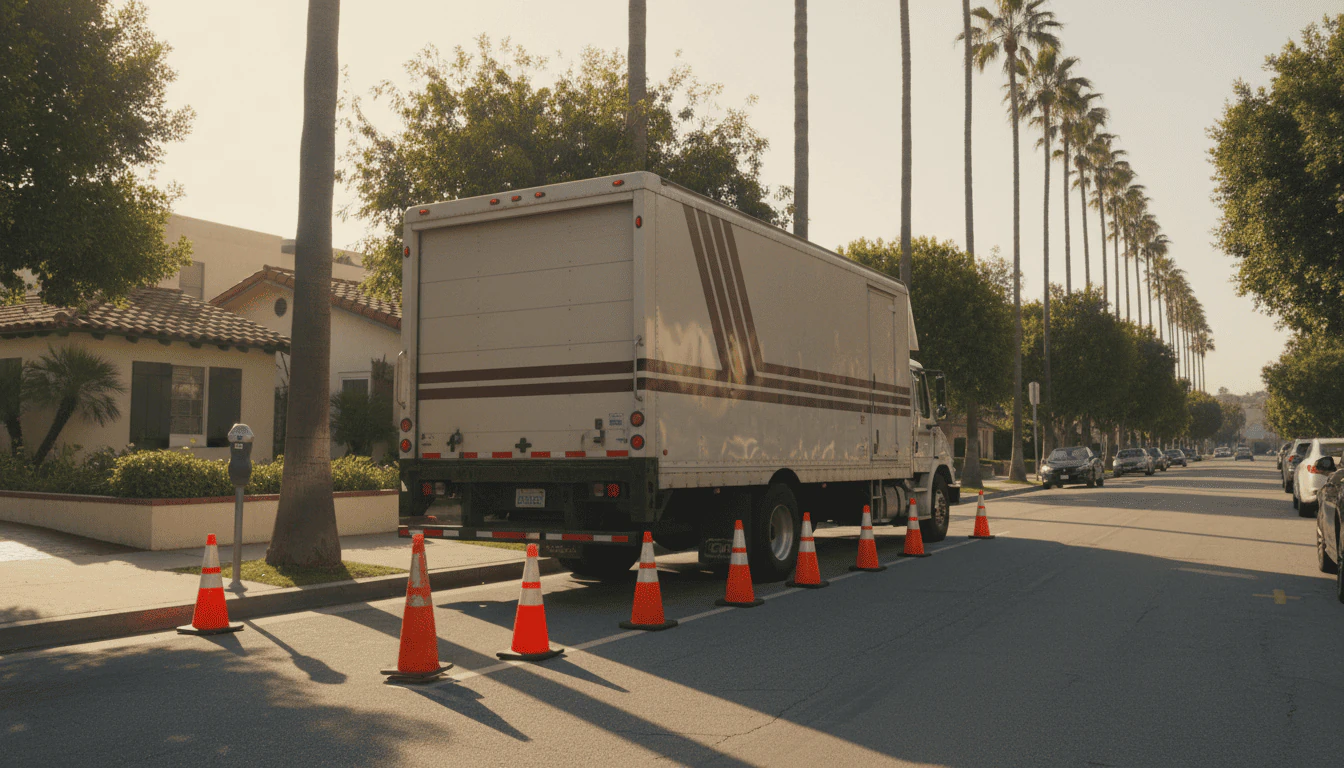
Every long-distance load starts with a truck that needs a legal place to stand. We ask for the loading spot two days ahead so the crew can judge whether a 26-ft box truck fits the street, or whether a shuttle from a wider corner is the safer call. When a posted no-parking zone is needed, that paperwork belongs to whoever controls the curb, and the arrival window is planned around the date it takes effect.
A certificate of insurance for a building costs $50 and is issued before the day, never on the morning of the move. Crews work Monday - Sunday, 8AM - 6PM, so the loading window is set inside those hours, and the dispatcher will tell you on the phone which slot is realistic.
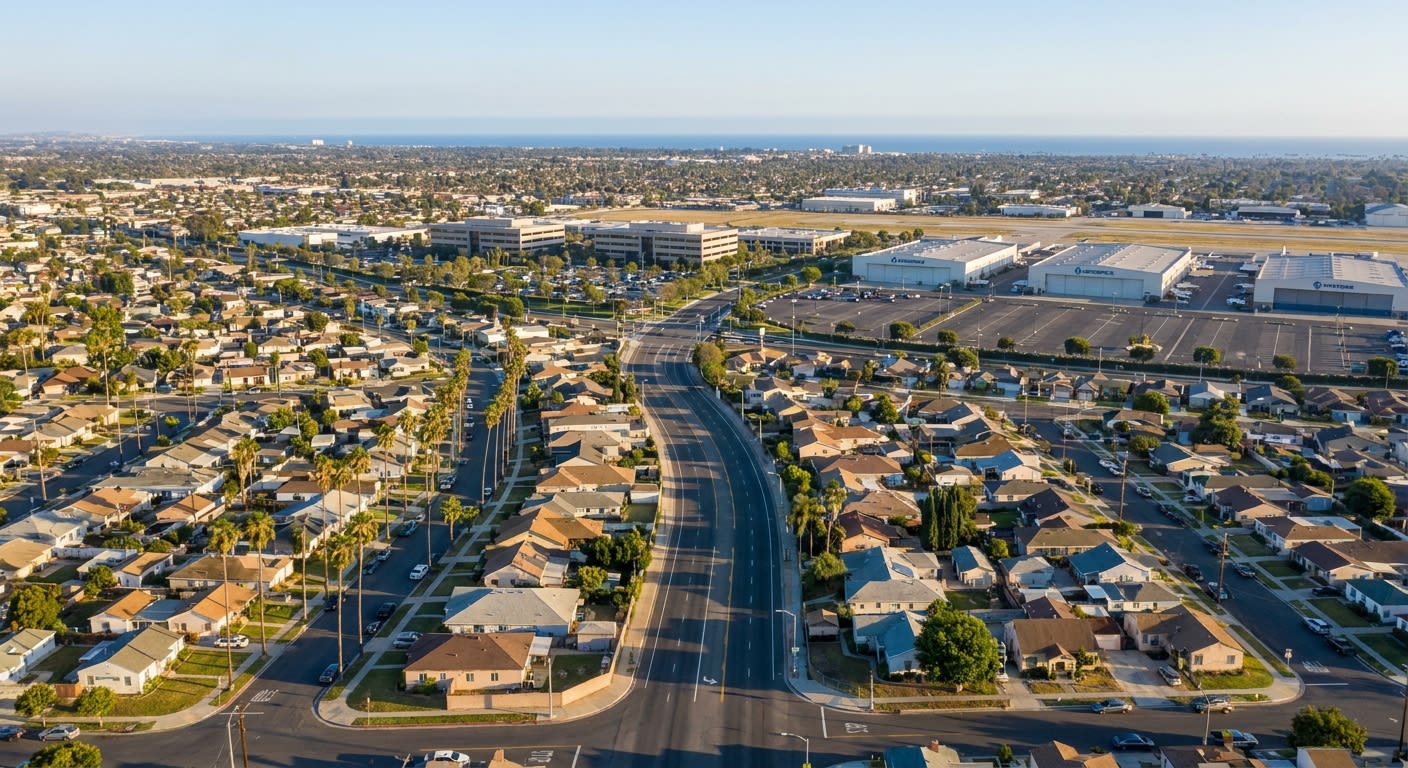
Verdugo Woodlands West, in northeast Glendale, is a neighborhood association covering more than 1,100 single-family homes, close to 50 multi-family buildings and roughly 15 commercial ones. Nearly all of it was developed before the 1970s, so the housing stock is one- and two-story homes on sizable lots, in an area known for its coast live oak, jacaranda and sycamore.
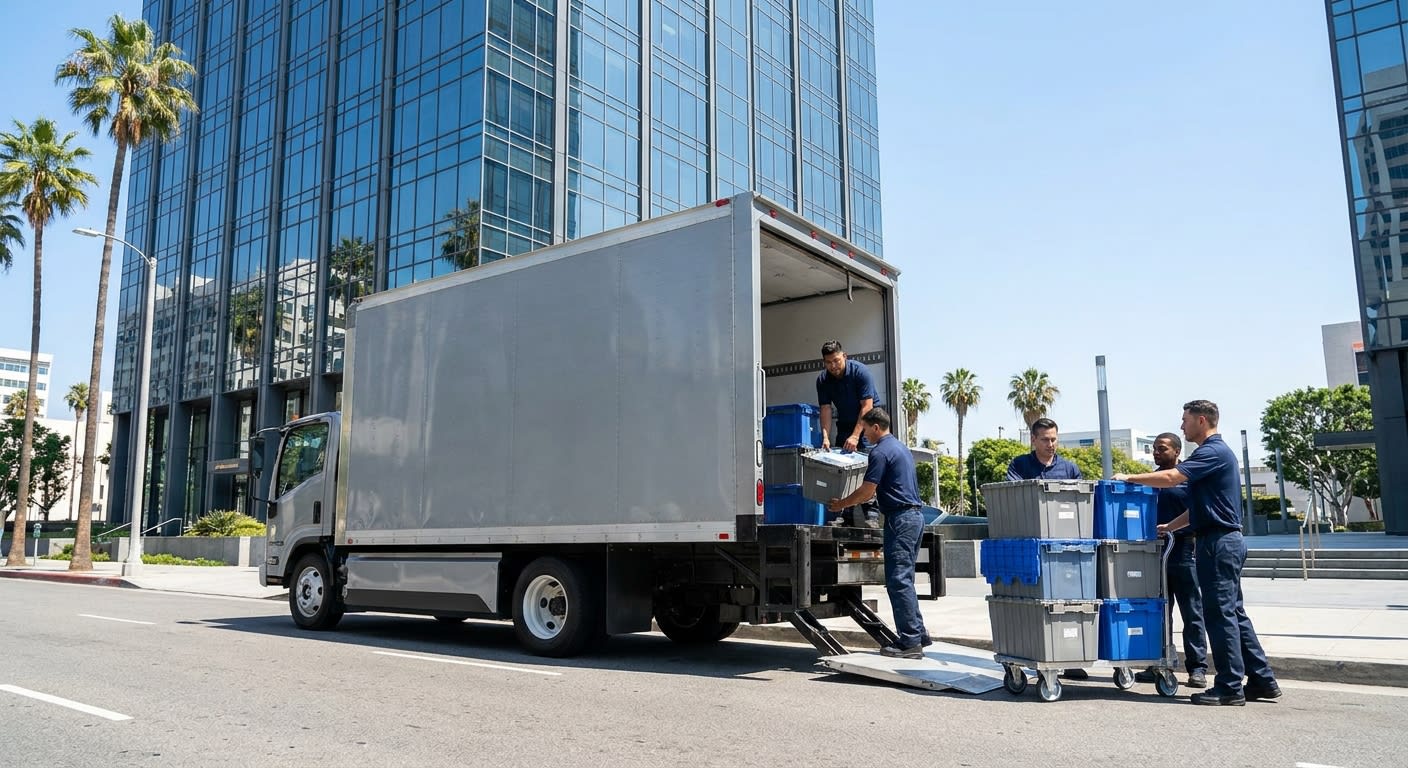
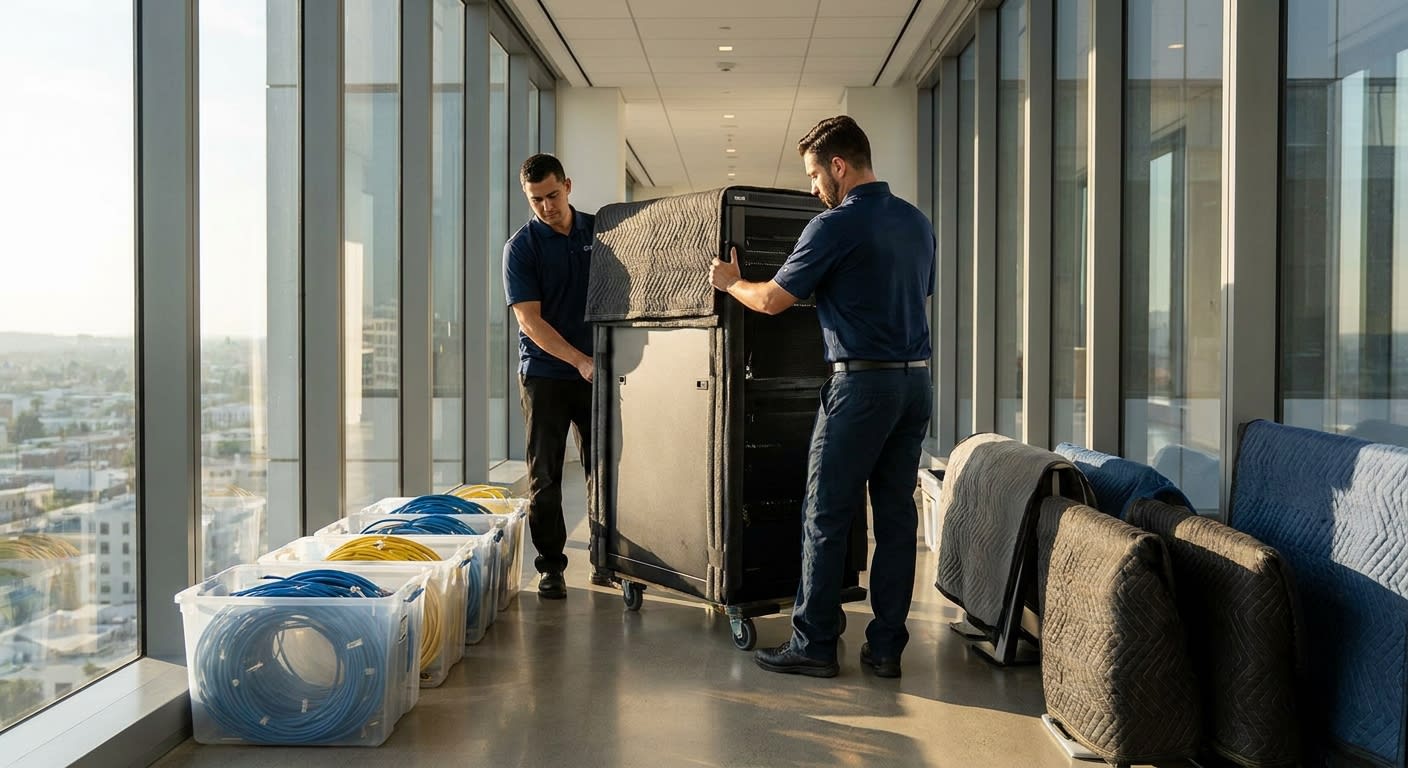
Housing like that means long door-to-truck carries and driveways the crew measures before backing in. Inside a managed building the routine flips: we reserve the elevator and the loading zone in advance, send the COI to management, and lay protection over the lobby and corridors before a single box moves.
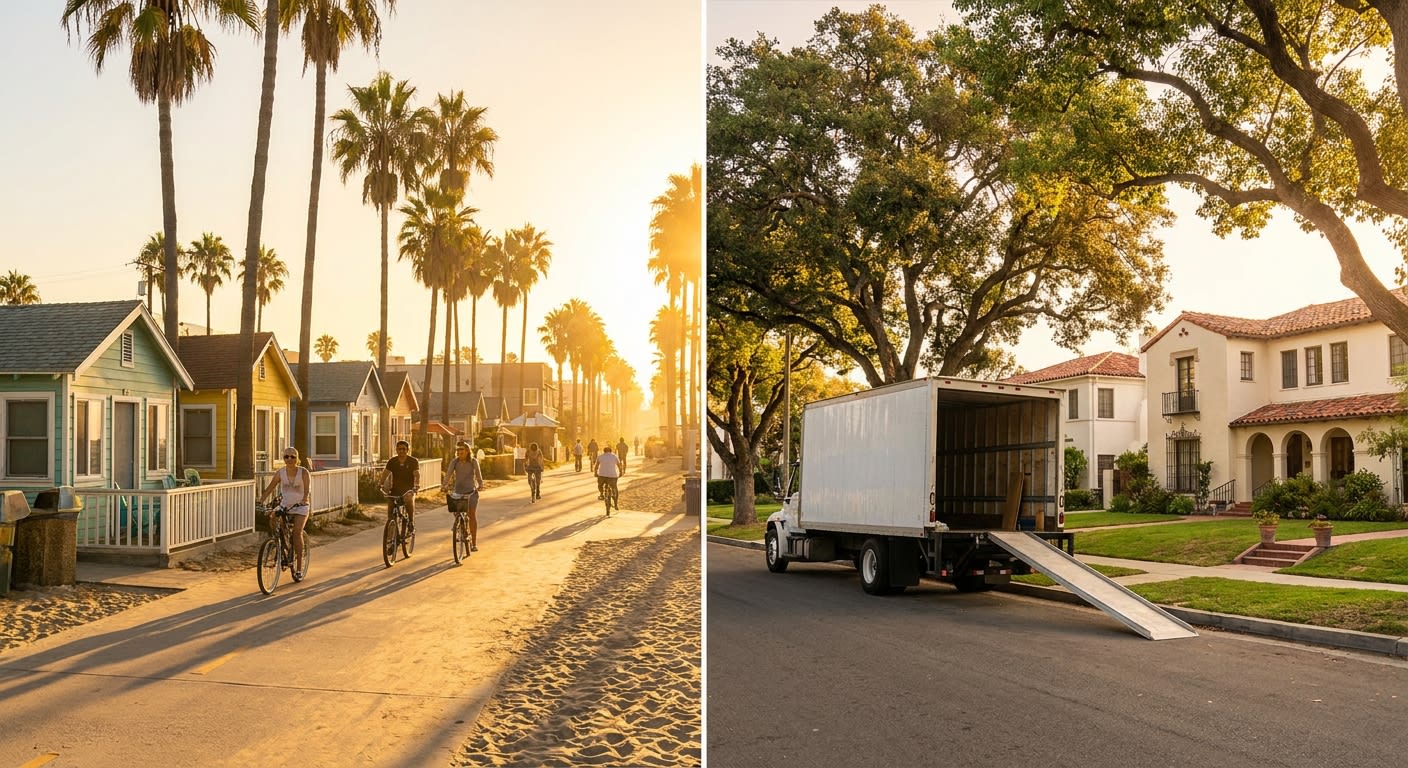
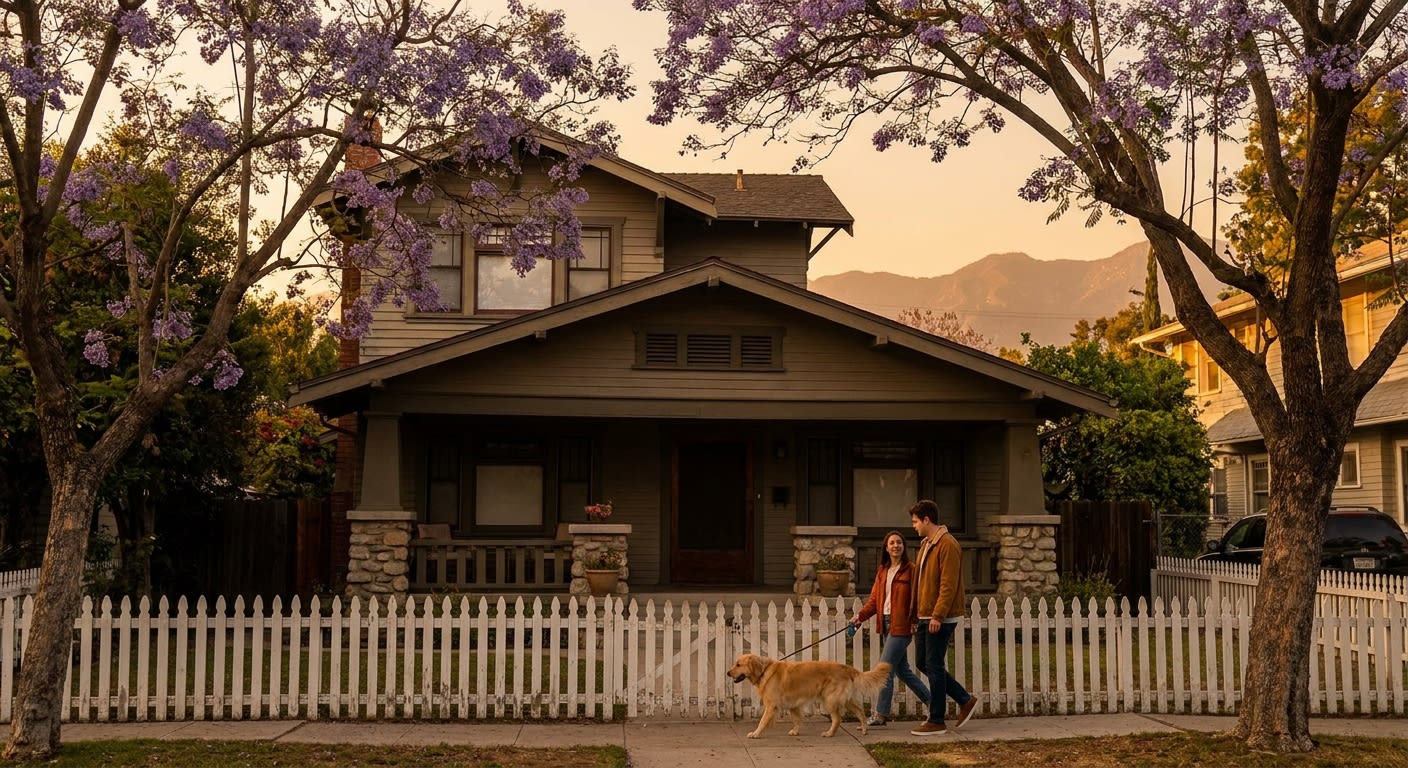
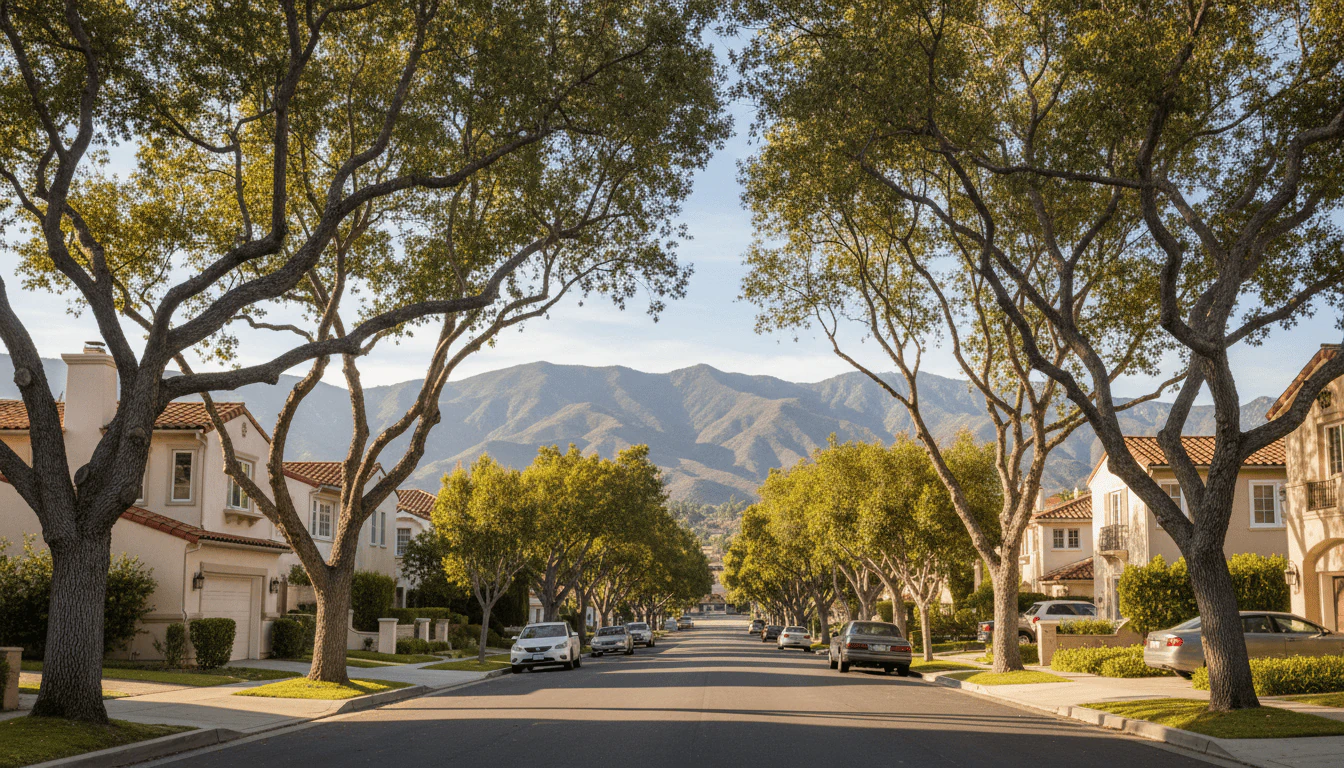
Rossmoyne is the largest historic district in the city - 503 homes set along gently curving streets, developed from 1923 and largely built out by 1950. A curving, palm tree-lined stretch of Royal Boulevard adds thirty more houses, built primarily between 1927 and 1948.
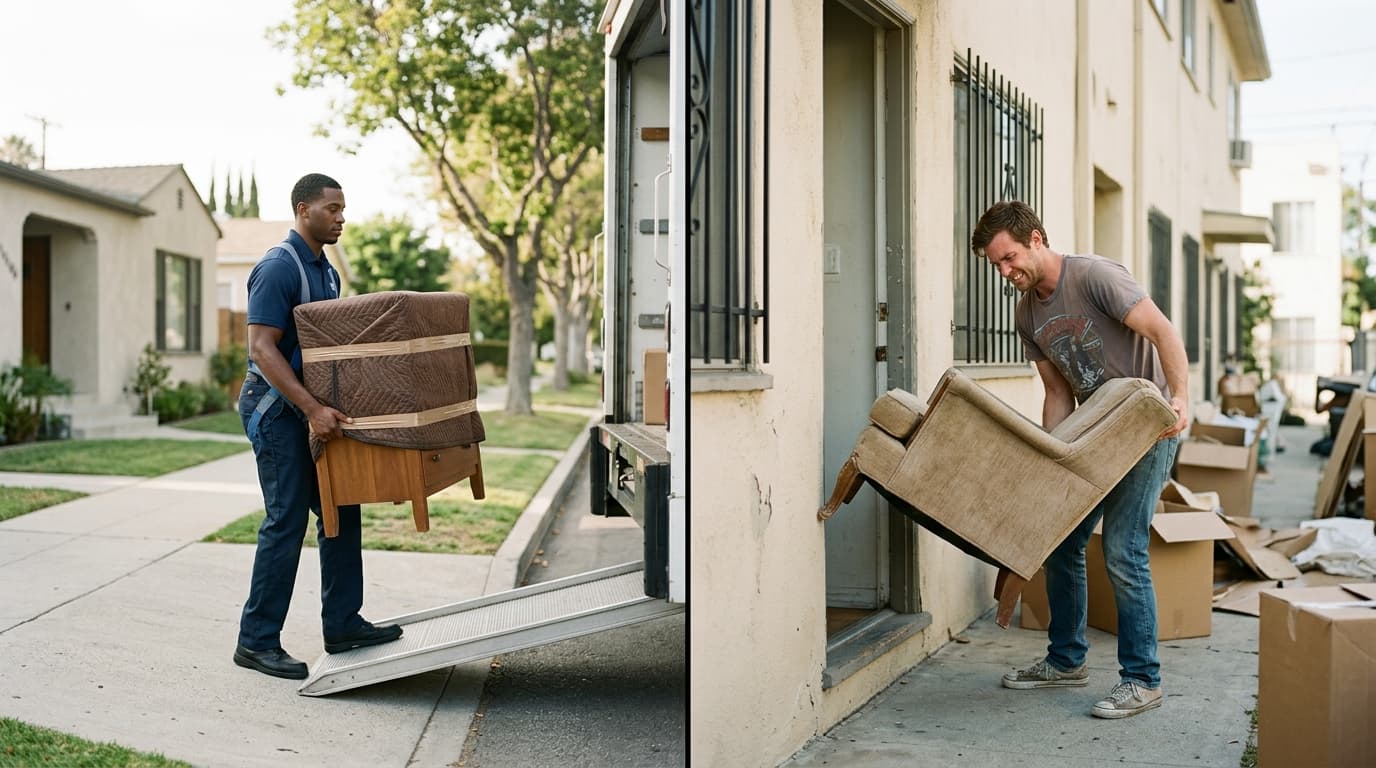
Streets shaped like that rarely give a long straight curb, so the truck position and the turnaround point are chosen before the day rather than in front of the house. Homes from that era also bring narrow stair turns and original doorways, which decides what comes apart in the room instead of being wrestled down whole.
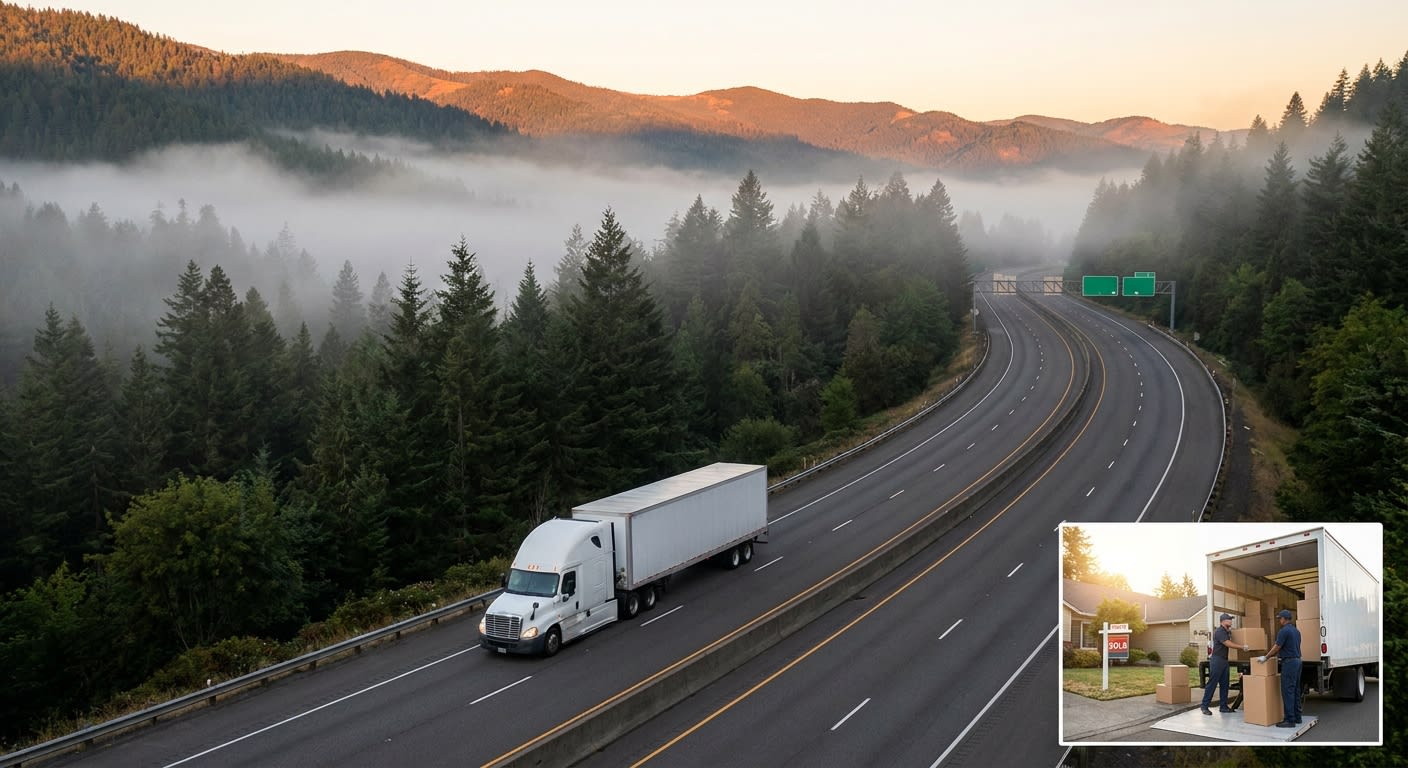
The city flags the North Outfall Sewer rehabilitation, a City of Los Angeles project, as work that may affect access to the SR-134 and I-5 North interchange. An interstate load heading north is therefore scheduled with slack in the departure window and a second exit picked in advance.
We also avoid starting a load while the last of the packing is still open, because a truck cannot idle on the street while boxes get taped. Same-day moves are possible when the schedule has room, and the coordinator will say so when you call.
How the plan changes with the address you are leaving from:
| Where the load starts in Glendale | What the crew plans for on loading day |
|---|---|
| Verdugo Woodlands West (northeast Glendale) | More than 1,100 single-family homes on sizable lots, almost all built before the 1970s: extra hands for the door-to-truck carry, driveway width checked before the truck backs in. |
| Rossmoyne Historic District | 503 homes along gently curving streets, developed from 1923: one truck position for the whole load, turnaround point agreed before arrival. |
| Royal Boulevard | Thirty houses on a curving, palm tree-lined stretch built primarily between 1927 and 1948: tight frontage, so furniture is disassembled indoors and carried out in stages. |
| Condo or managed building | Elevator and loading zone reserved ahead, $50 certificate of insurance sent to management, corridors and lobby protected before the first box. |
| Any address leaving north out of town | Sewer work on the North Outfall line may affect access to the SR-134 and I-5 North interchange: earlier departure window and a backup exit in the route notes. |



Long-distance work is priced flat. The number is built from the volume of the home, the route and the access at both ends, and it is fixed before the truck is booked. Hourly crew rates belong to local jobs and are not applied to this service.
A $50 deposit holds the date and counts toward the total. Everything else that can move the price is named before you sign:
Licenses: USDOT 3398018, MC 1153871 and CAL-T0192140. The office sits at 5530 Jillson Street, Los Angeles, CA 90040, the phone is 909-443-0004, and crews run Monday - Sunday, 8AM - 6PM.
Customers rate the company 4.9 from 1,007 reviews on Google and 4.8 from 1,585 reviews on Yelp. Same-day work is possible when a slot is open.





No. Interstate jobs are quoted flat, against the volume of the home, the route and the access at both ends.
Hourly crew rates apply to local work only. A $50 deposit holds your date and comes off the final total.
From several days, depending on the route, the season and road conditions. Because the truck carries your household alone, there are no other stops to wait on.
The coordinator gives a delivery window once the route is set, and the driver keeps you posted while the load is moving. Nothing in that window depends on another customer’s schedule.
A USDOT number and an MC number, which together authorize a carrier to haul household goods across state lines. Ours are USDOT 3398018 and MC 1153871, plus CAL-T0192140 for moves that stay inside California.
Both are public records you can look up before you call anyone. A company that will not hand them over on request is not the one to book.
Yes. A COI costs $50 and goes to the management company ahead of time, not on the morning of the move.
Tell us early if the building also requires a reserved elevator or loading zone, since those bookings carry their own lead time. Management usually answers that question in a single email.
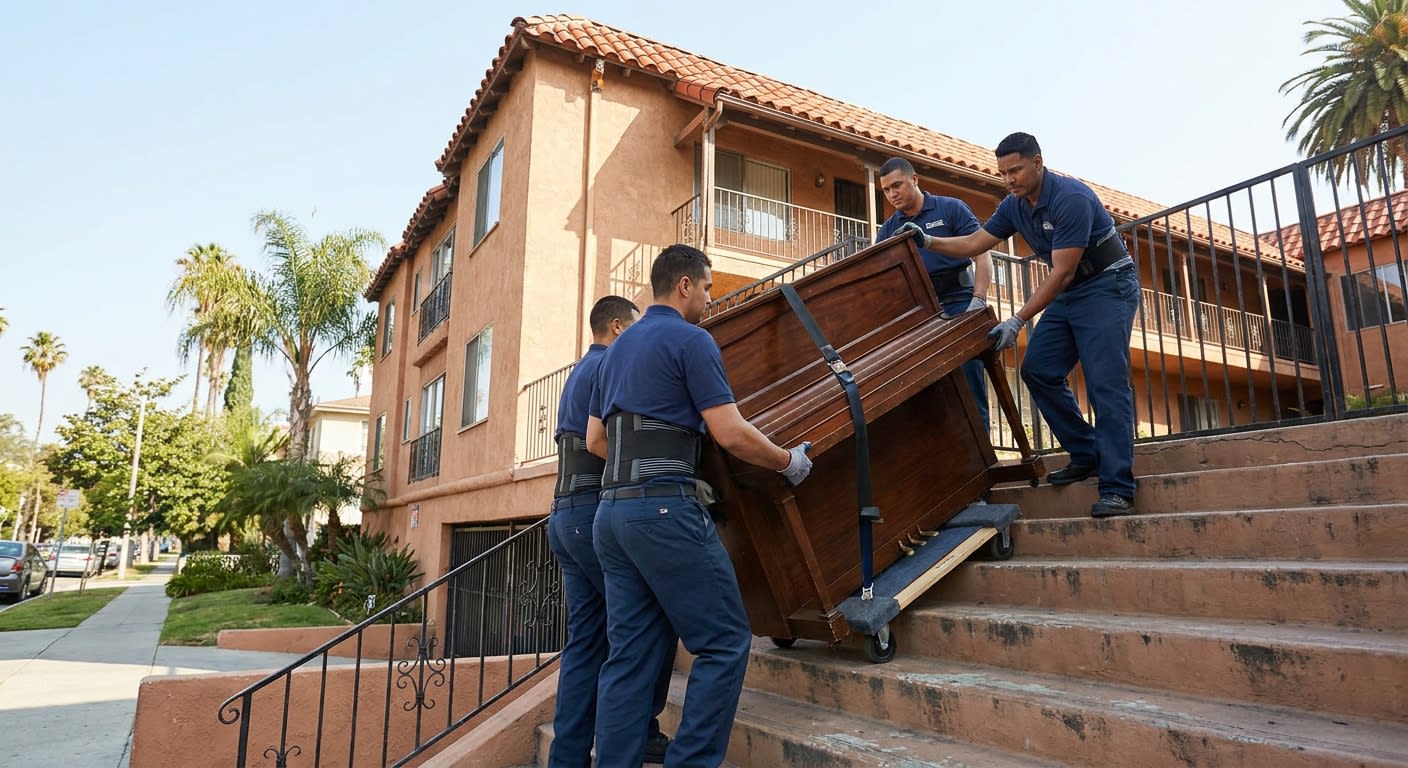
Yes. A piano is $200 and is only scheduled with a crew of four. Single items above 300 lbs are $150 with a crew of three.
Both need to be on the inventory before the quote is finalized, because they change the crew size and not just the price. Name them when you first describe the home.
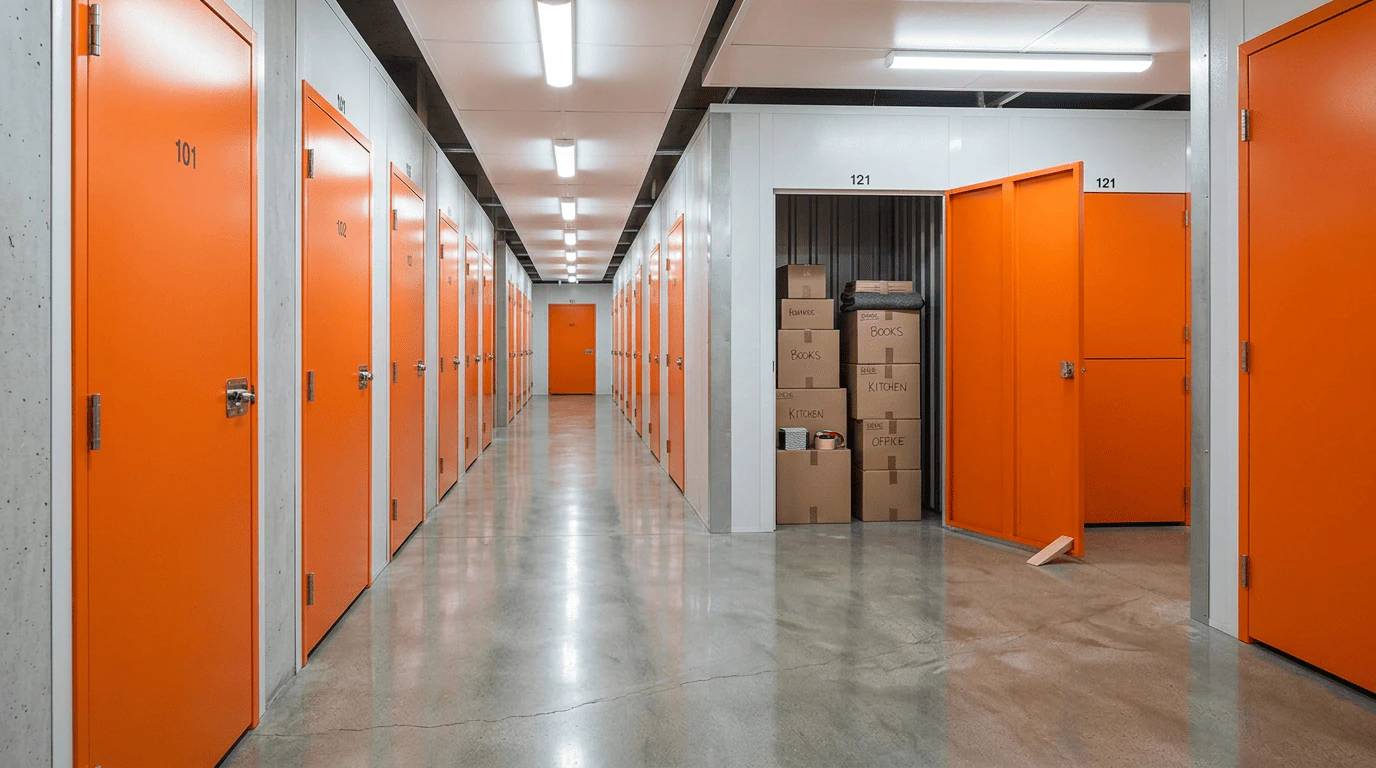
For a short gap the load stays on the truck overnight for $200 and is delivered the next day. For a longer wait the household goes into storage and is redelivered once you have access.
Flag it as early as you can, because a load that will be stored is packed to be unloaded twice. That is a decision made before loading, not on the day.
An interstate move is four jobs stitched together: the estimate, the packing, the load and the delivery at the far end. Each one can sink the schedule of the next, which is why the sequence matters more than any single day of work.
The estimate comes first and carries most of the weight. We go through the home room by room - what travels, what is sold, what goes to family - because the volume of the load decides both the price and the truck. Photos or a video walk-through usually settle a two-bedroom; a larger house is worth a longer conversation.
Packing follows, either yours or ours. Anything that will spend days on the road has to be packed as though it will be handled several times, because it will be: into the box, into the truck, off the truck and into a room that is not yet furnished.
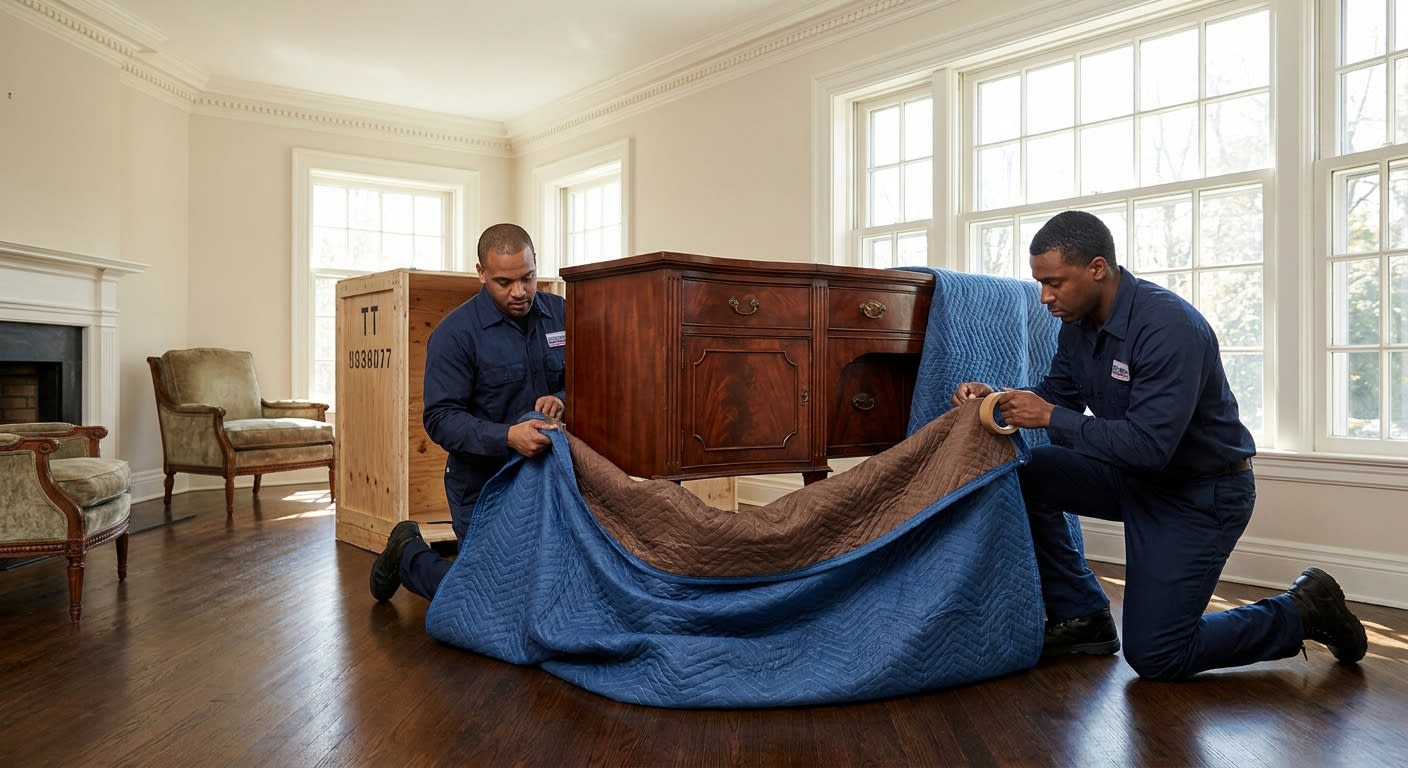
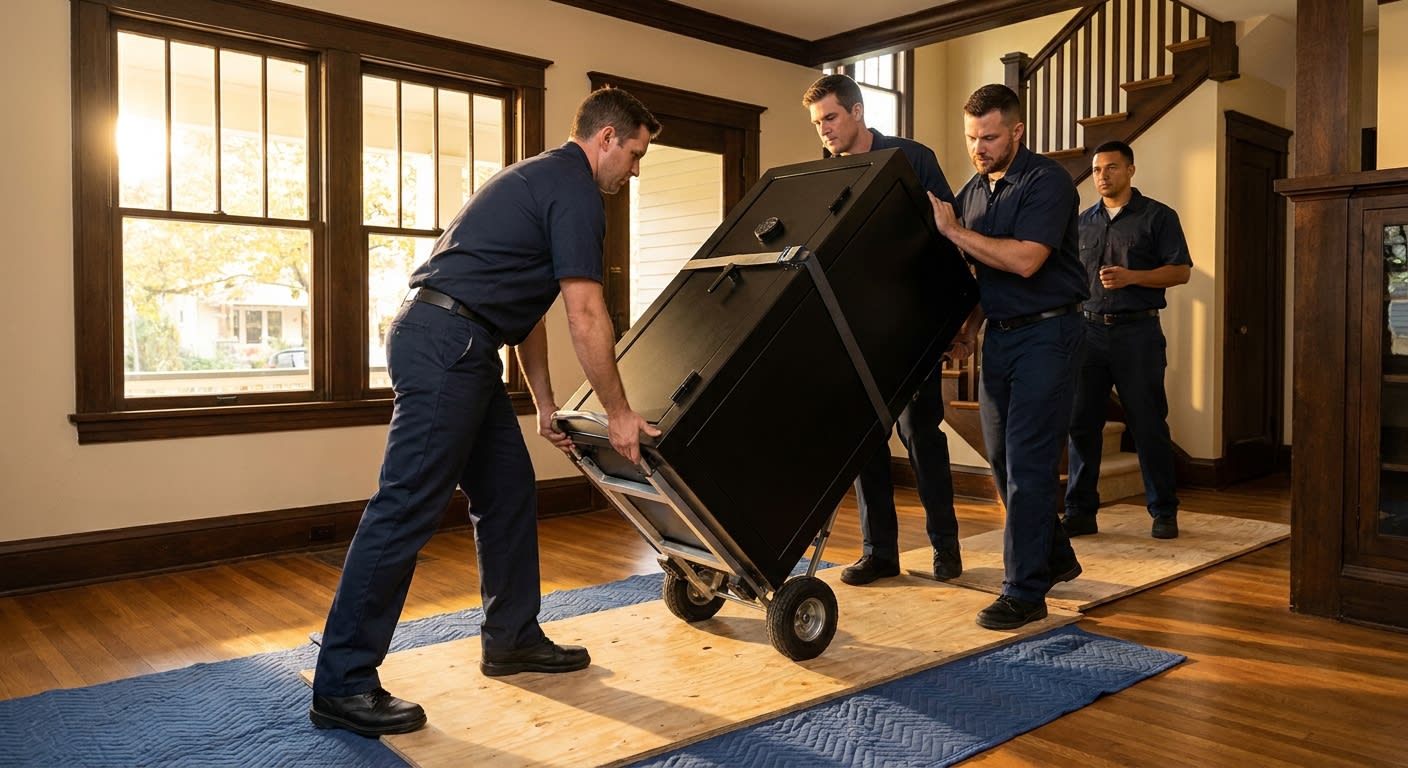
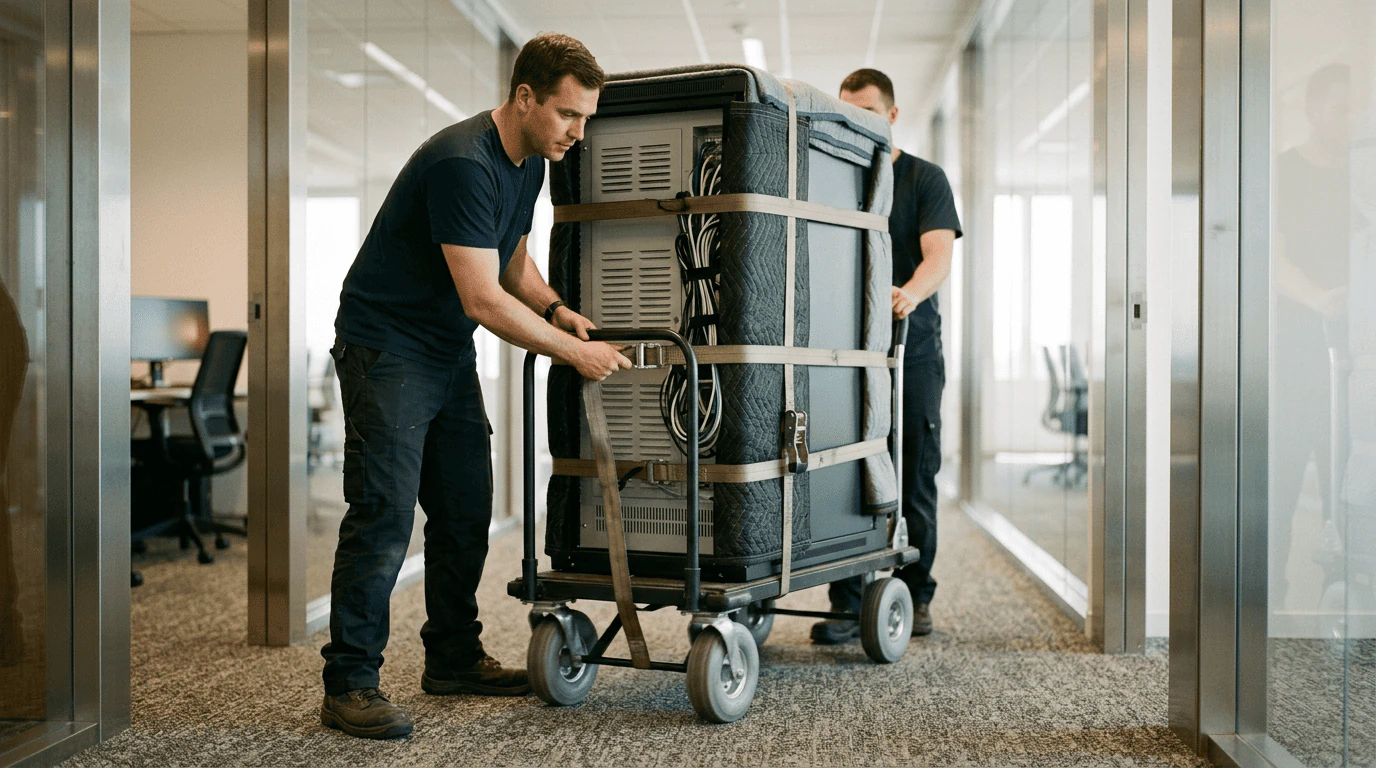
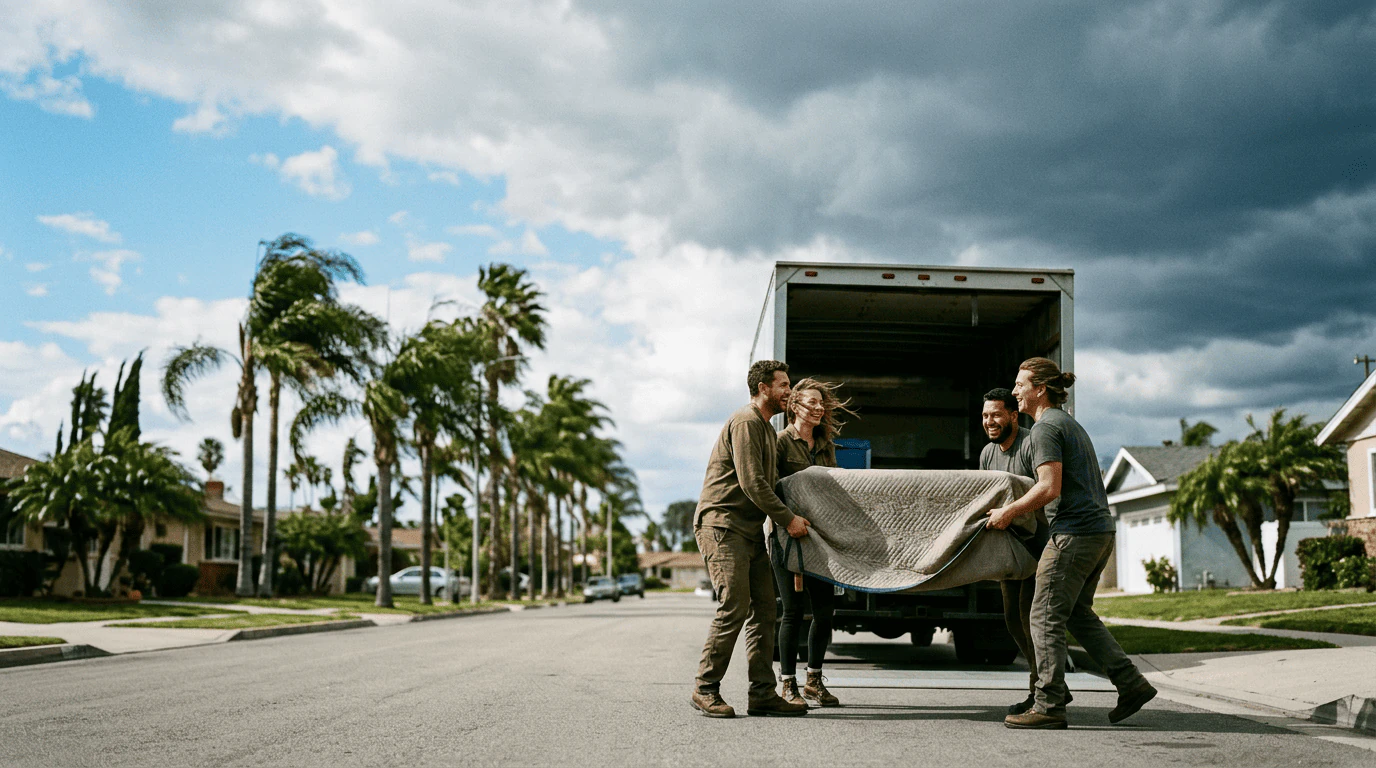
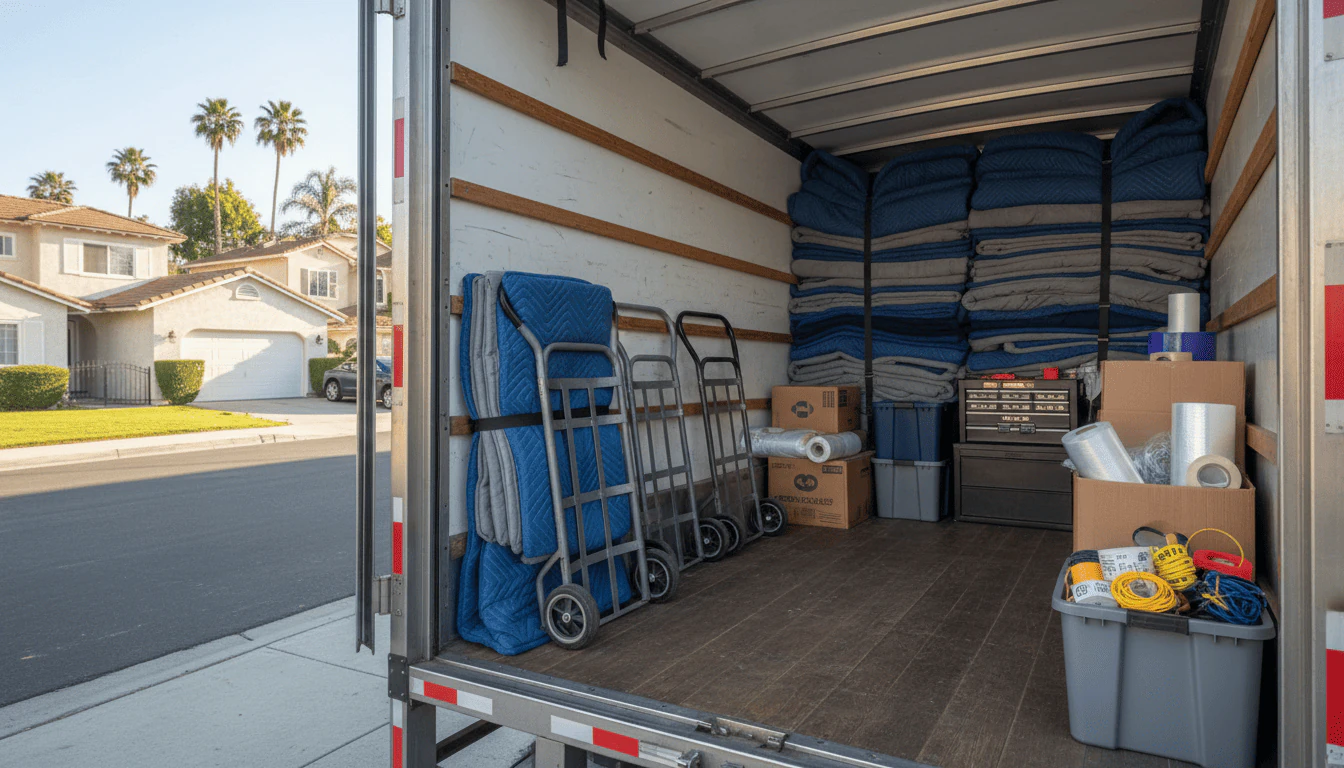
Loading day is the one with a clock on it. The crew wraps and disassembles in the room, carries to the truck in a planned order, and builds the load so weight rides low and fragile pieces ride braced. A load built properly does not shift on the first mountain pass.
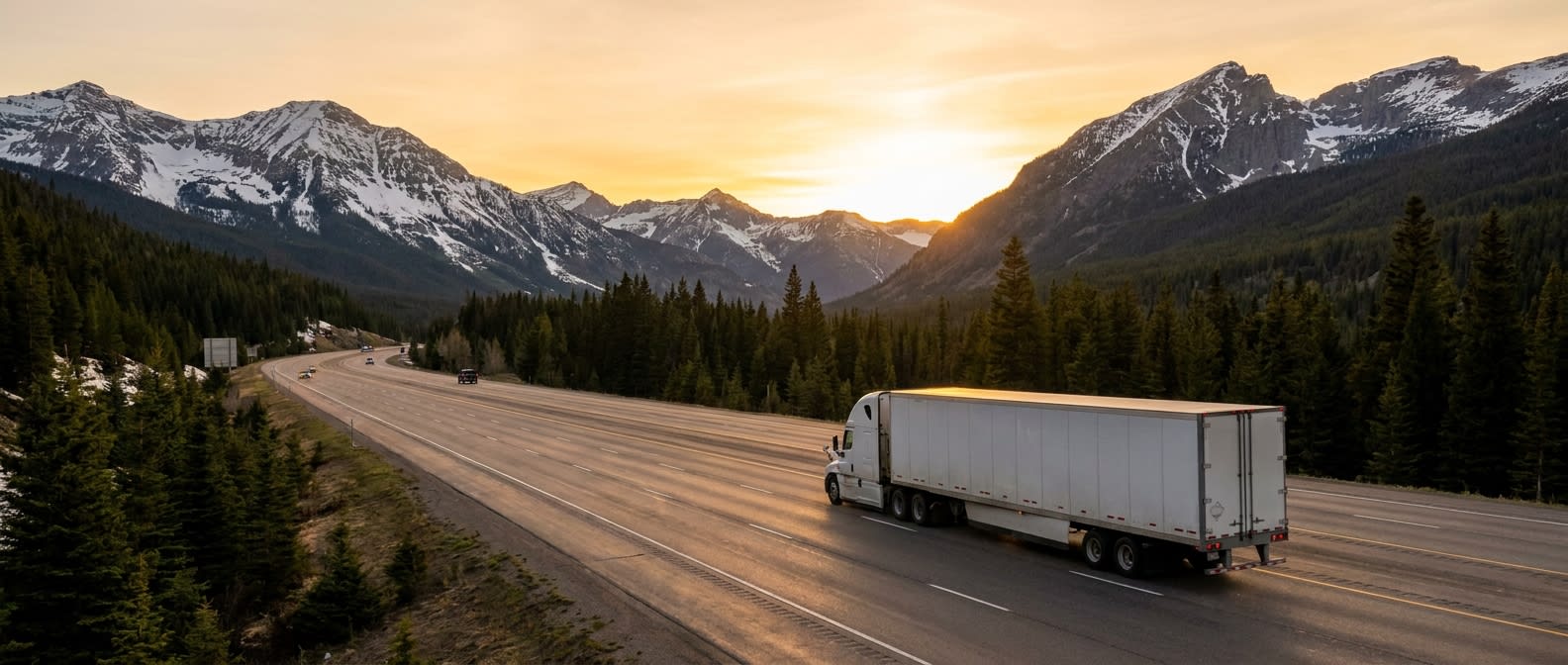
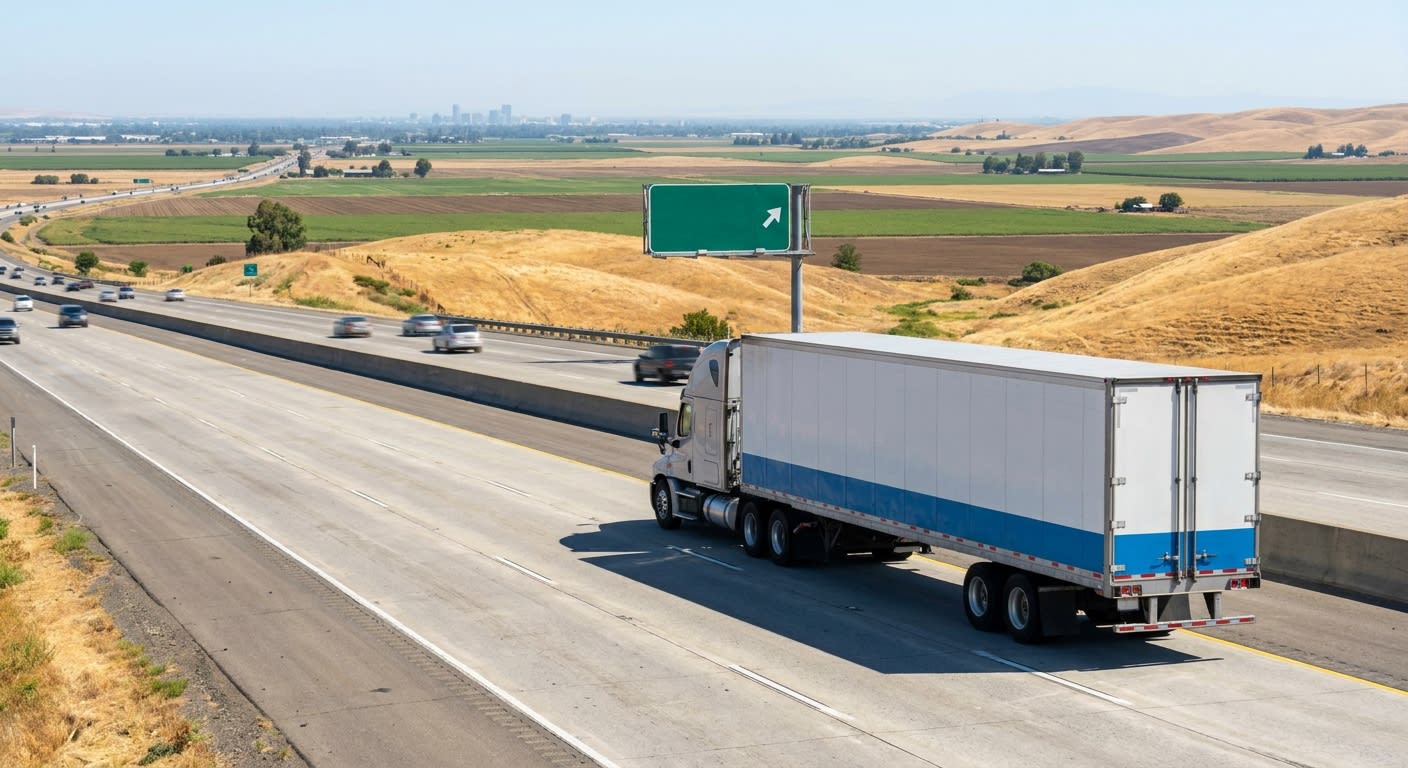
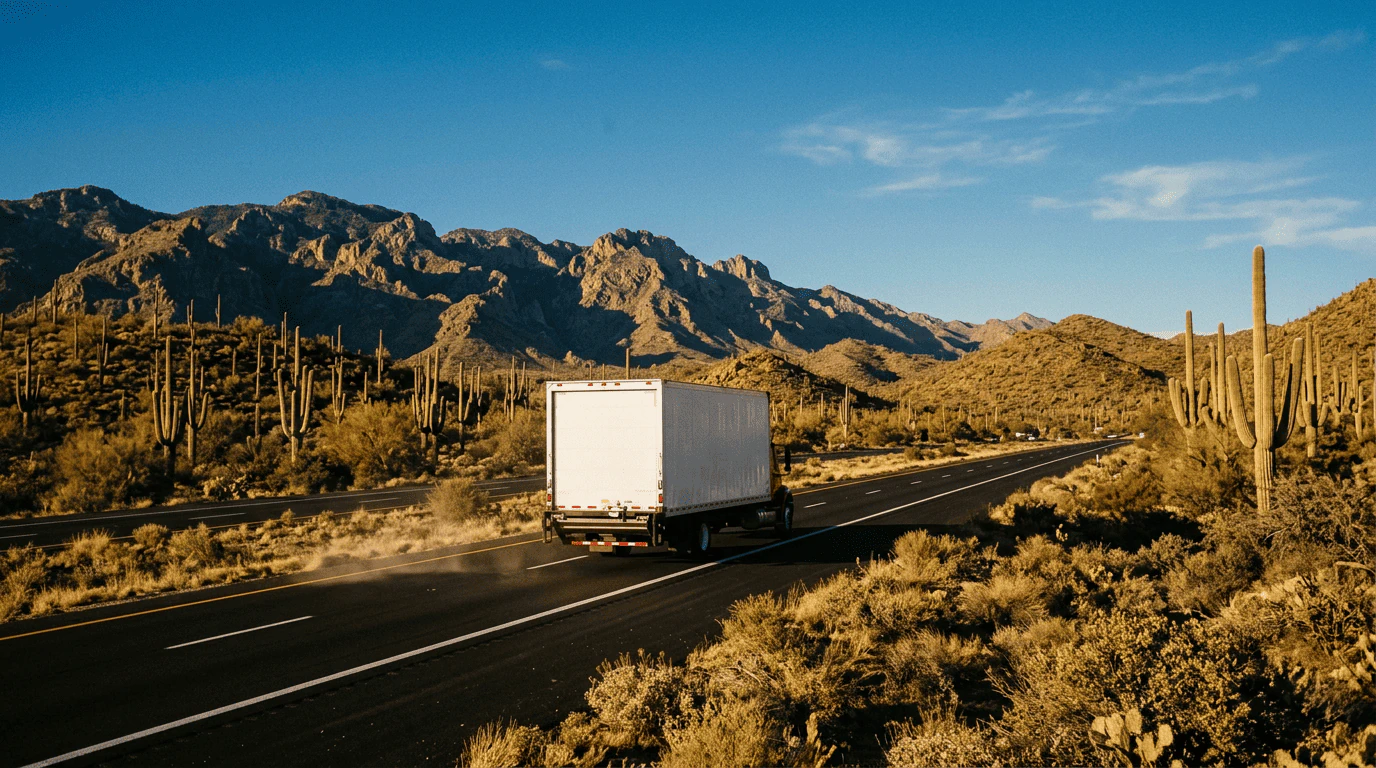
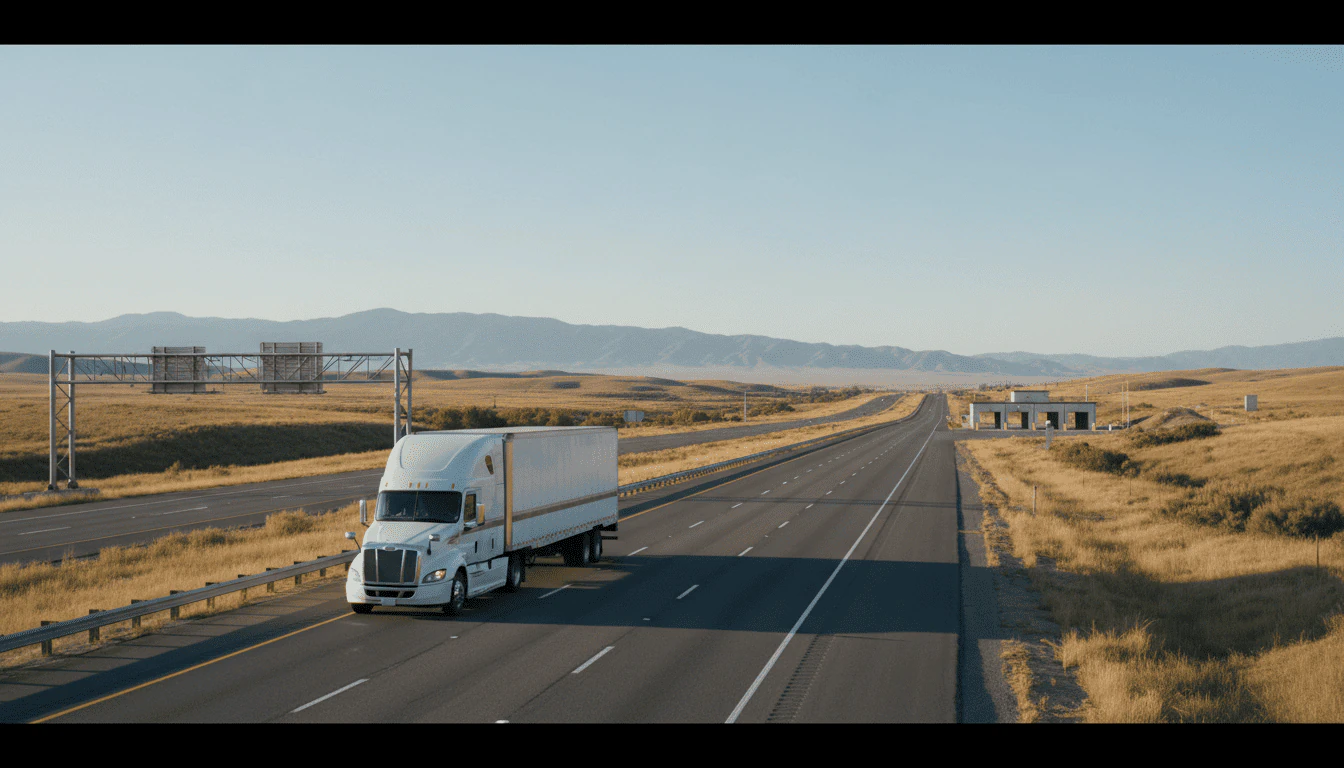
Then the route takes over. Delivery runs from several days out depending on distance, weather and the hours a driver is allowed behind the wheel. At the far end the same crew unloads, reassembles the furniture and puts it where you point.
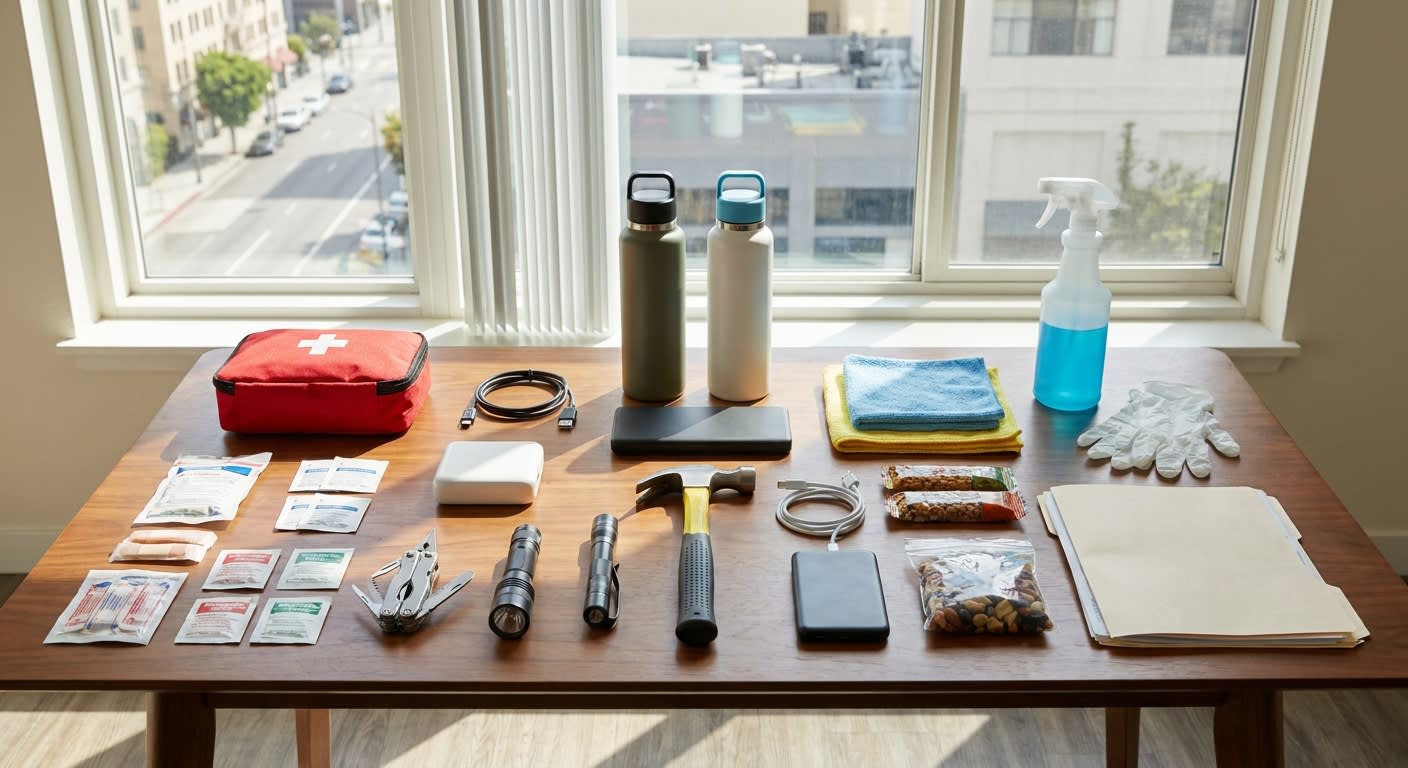
One more thing belongs at the start: the list of what cannot travel. Fuel, propane, aerosols, opened paint and anything else flammable stays behind, and irreplaceable documents ride in your car rather than in the truck.
Dates are the other half of the plan. We fix the loading window, the earliest realistic delivery day and the name of whoever will meet the truck at the far end, all before a deposit is taken.
A company that moves household goods across state lines answers to federal regulation, not only to a city license. The USDOT number identifies the carrier in the federal system; the MC number is the operating authority that permits interstate transport for hire.
SOS Moving holds USDOT 3398018 and MC 1153871, with CAL-T0192140 covering household moves that stay inside California. Those numbers are not decoration - they are how you check a carrier before any money changes hands.
What they buy you is recourse. A licensed carrier has to issue proper paperwork, carry the insurance the authority requires, and answer complaints through a process that exists whether the company likes it or not.
Valuation deserves a minute of your time as well. Basic coverage comes with every interstate shipment as standard, and a household with genuinely valuable pieces should say so at the estimate rather than after the truck has gone.
The bill of lading is the document that matters on the day. It is the contract for the shipment and the receipt for what was loaded, so read the inventory on it before you sign, and keep your copy until everything is delivered and reassembled.
One practical test settles most of it. Ask for the numbers, then ask who will actually drive the truck. If the job is going to be handed to an unnamed partner carrier, you are talking to a broker, and the crew that arrives is not the crew you interviewed.
Four things decide the number, and none of them is the calendar hour: volume, route, packing and access. Volume is the biggest lever, because it fixes both the truck and the size of the crew.
Route matters more than people expect. A long haul is not simply more miles; it is more driver hours, more fuel, more nights on the road and a delivery window that has to be held open at the other end.
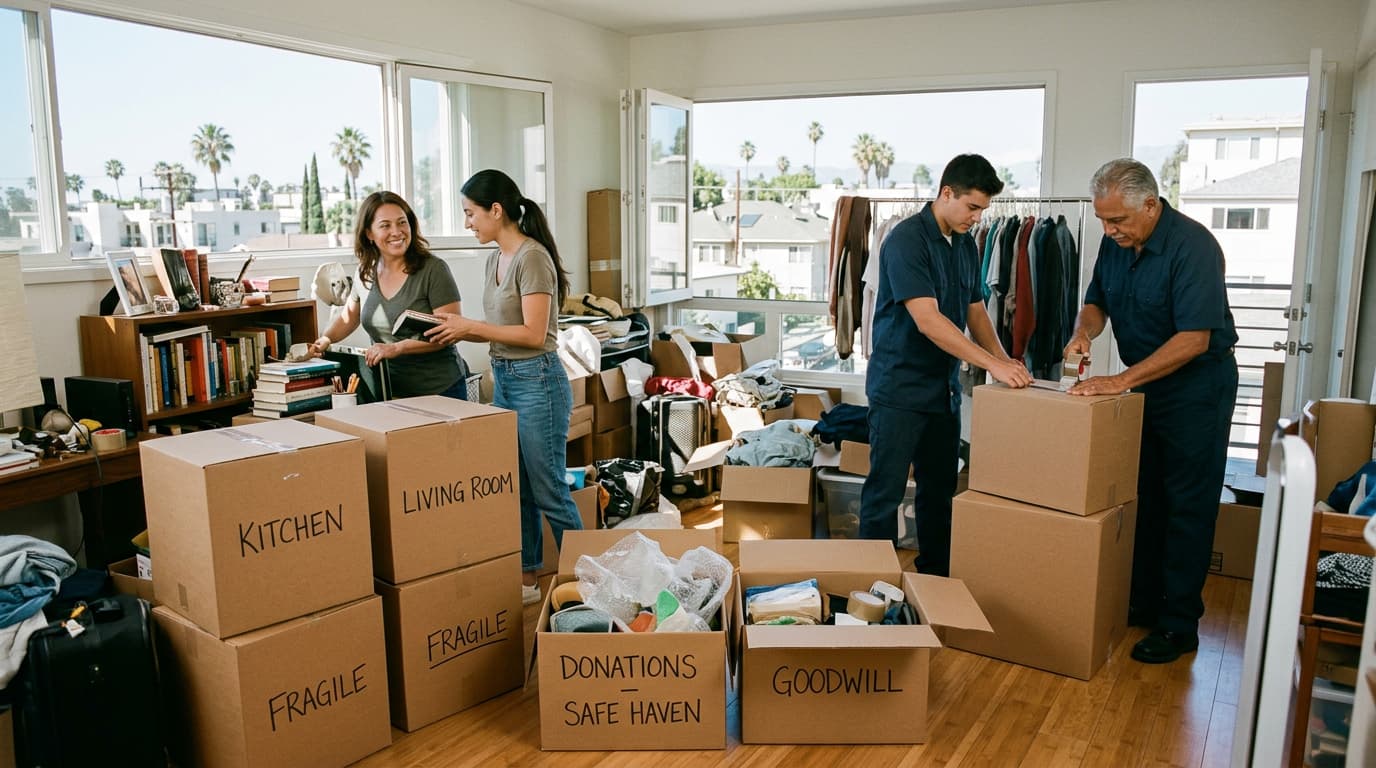
Packing is the part you control. A household fully boxed by loading morning loads faster and costs less than one where the crew is still taping the kitchen while the truck waits at the curb.
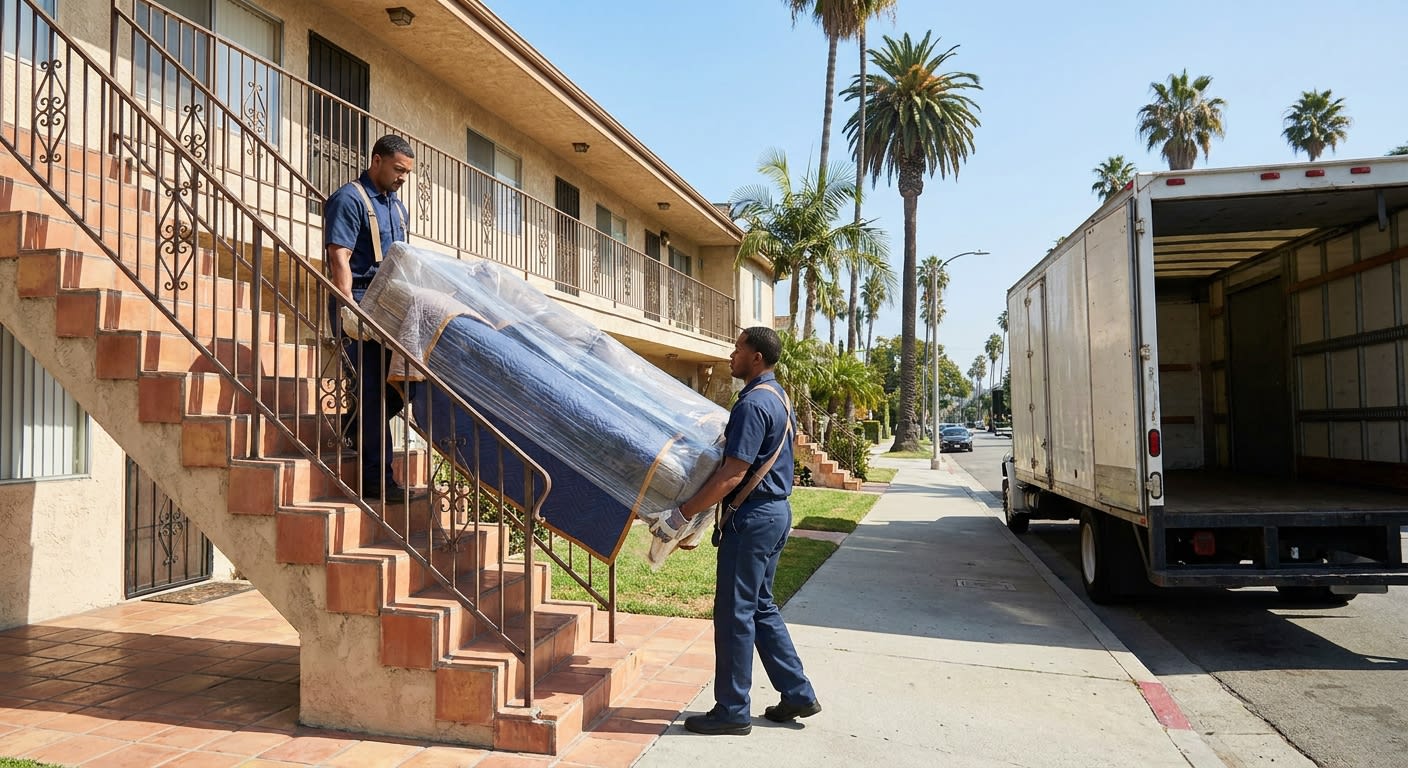
Access is the quiet one. A long walk from door to truck, a stair run instead of an elevator, a street where the truck cannot stand directly in front - each of those adds crew time. In a flat quote they are priced up front instead of surfacing later as a surcharge.
Timing plays its part too. Late spring through early fall is when most households move, so dates fill earlier and flexibility is worth more than negotiation. Booking with lead time is the cheapest thing on this list.
Two quotes for the same house can differ widely and both be honest. Compare what each one covers - wrapping, disassembly, stairs, a long carry, a second stop - before you compare the totals at the bottom.
The add-ons are named before you sign: $50 for a certificate of insurance where a building requires one, $200 for a piano with a four-mover crew, $150 for a single item over 300 lbs with a crew of three, $200 for a second truck, $200 for a night of storage on the truck. The $50 deposit that holds your date comes off the total.
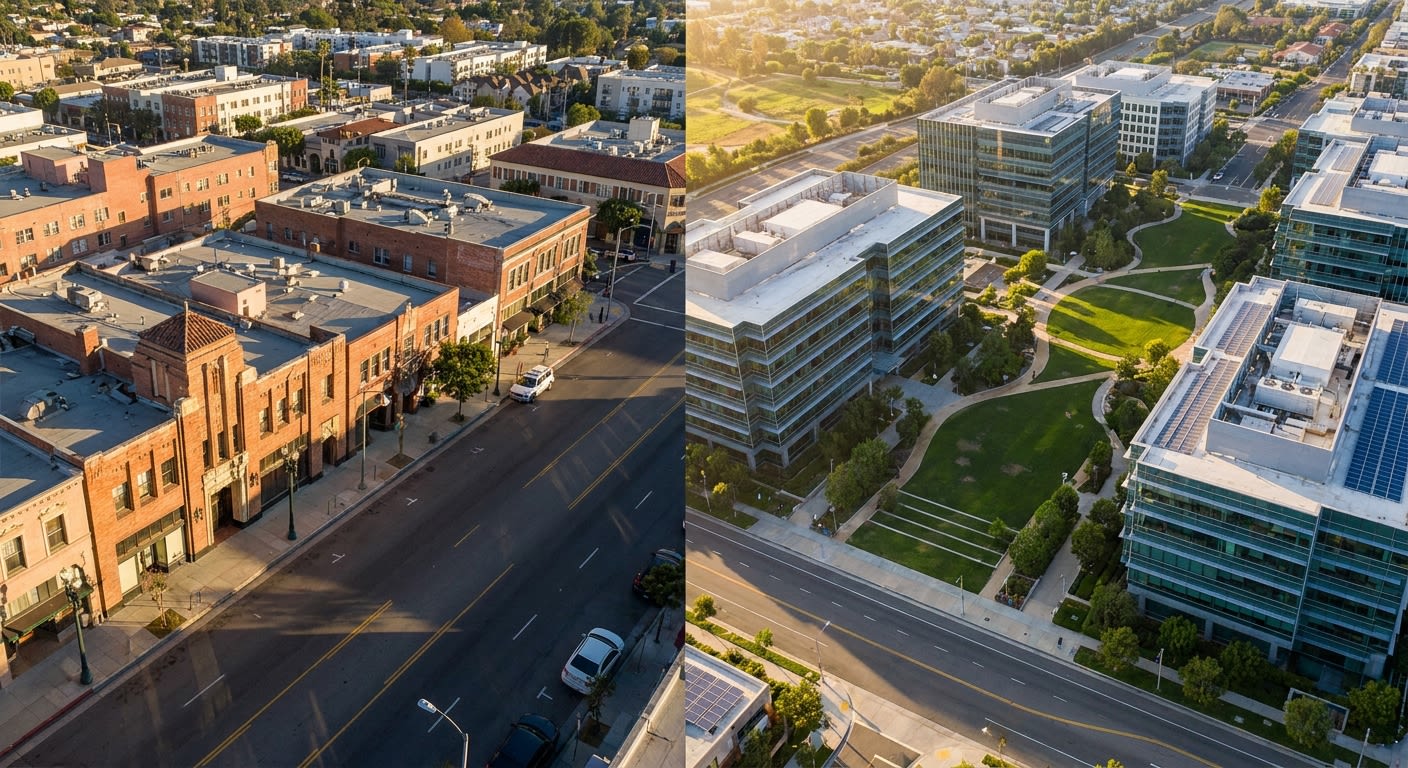
Two very different loading days hide behind the same city name. One is a managed building with an elevator, a loading zone and a certificate of insurance on file; the other is a house on a large lot where the shape of the street is the only real limit.
In a building the rules are written down and the calendar is the constraint. Management usually wants the COI in advance, an elevator reserved for a block of hours, and protection laid over the lobby floor and corridor walls before anything is carried out.
Verdugo Woodlands West, in the northeast of the city, is the other kind of address. The neighborhood association counts more than 1,100 single-family homes, close to 50 multi-family buildings and around 15 commercial ones, nearly all developed before the 1970s: one- and two-story houses on sizable lots, in an area known for its coast live oak, jacaranda and sycamore.
Housing like that changes the arithmetic of the crew rather than the paperwork. Long driveways and long carries mean more hands and a truck parked where it can pull away without a three-point turn, and both are decided when the quote is written rather than discovered at eight in the morning.
Whichever kind of home you are leaving, the access notes travel with the job. The crew that arrives has already been told where the truck stands, how many flights there are and what management expects to see.
Ask your building or association one question early: what do they need from the mover in writing. The answer is usually a certificate of insurance naming them, and that takes minutes to produce when there are days to do it in.
Rossmoyne is the largest historic district in the city: 503 homes along gently curving streets, developed from 1923 and largely built out by 1950. Nearby, a curving, palm tree-lined stretch of Royal Boulevard holds thirty more houses, built primarily between 1927 and 1948.
Streets shaped like that are pleasant to live on and unforgiving to a big box truck. The crew picks one truck position and stays with it, because repositioning on a curve costs more time than a slightly longer carry ever will.
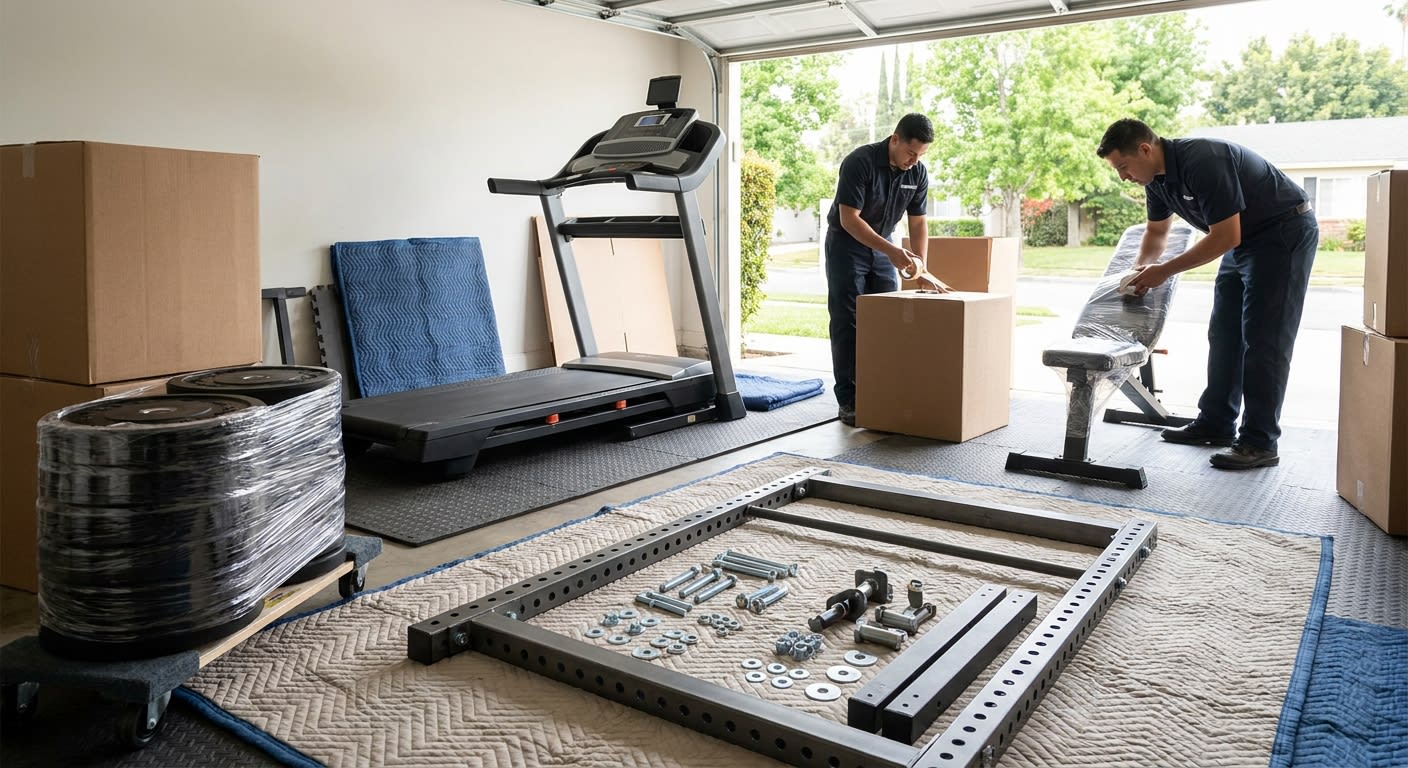
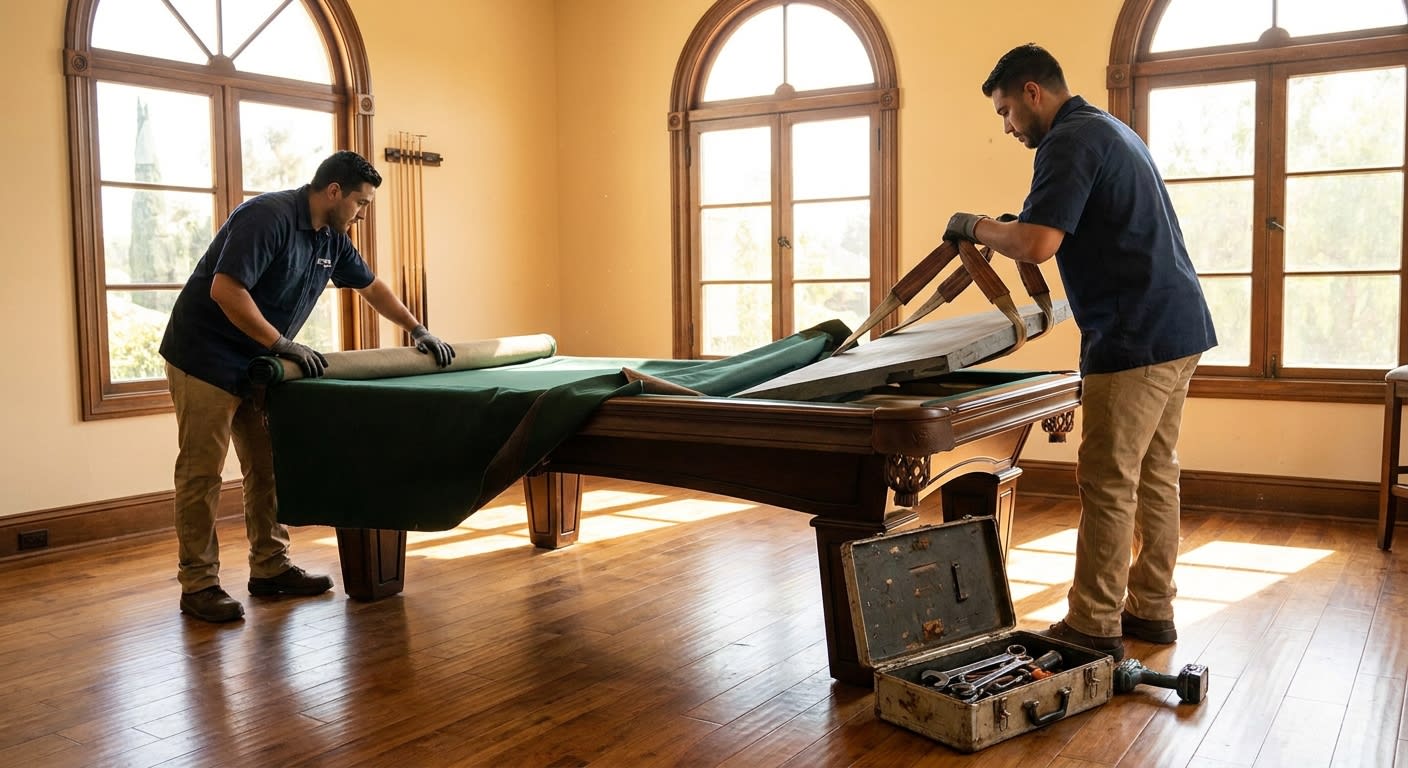
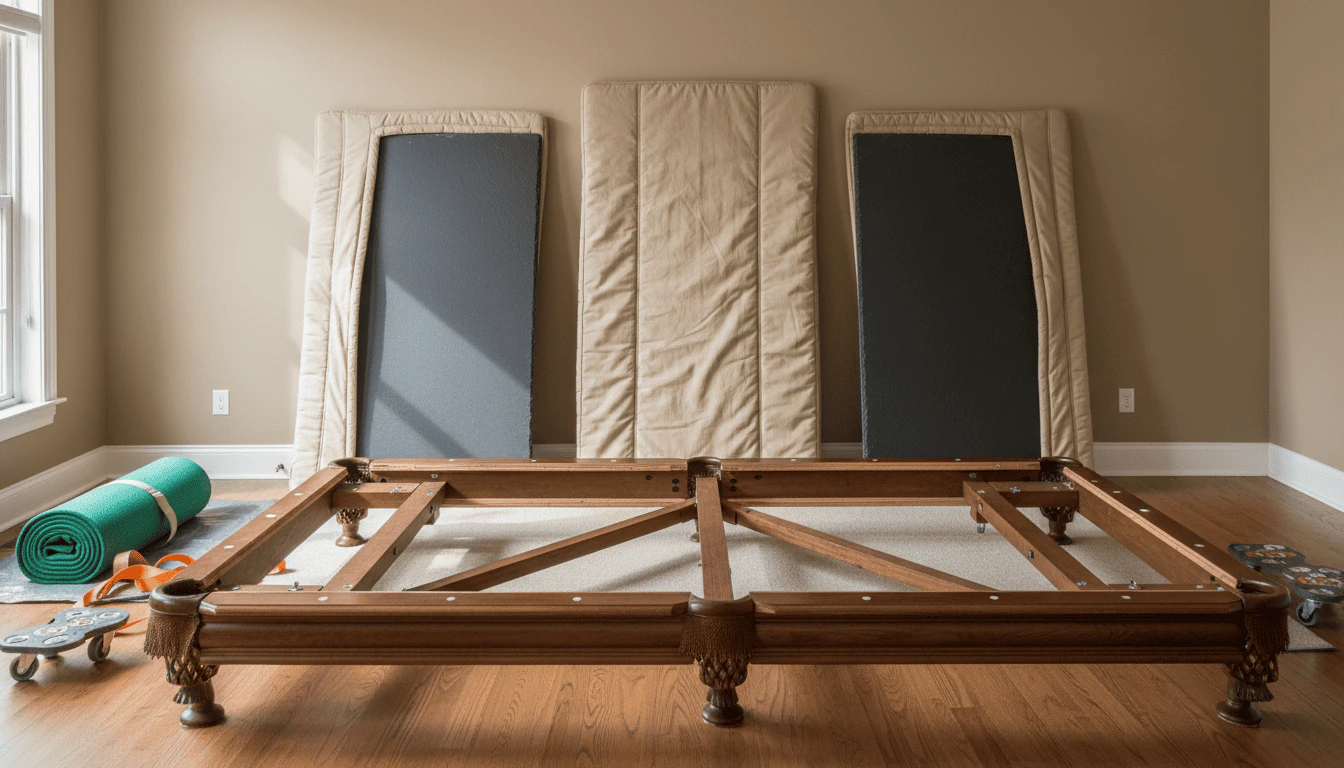
Homes from that era come with their own load-out. Narrow stair turns, original doorways and furniture bought when rooms were laid out differently all point to the same answer: take it apart upstairs instead of fighting it on the landing.
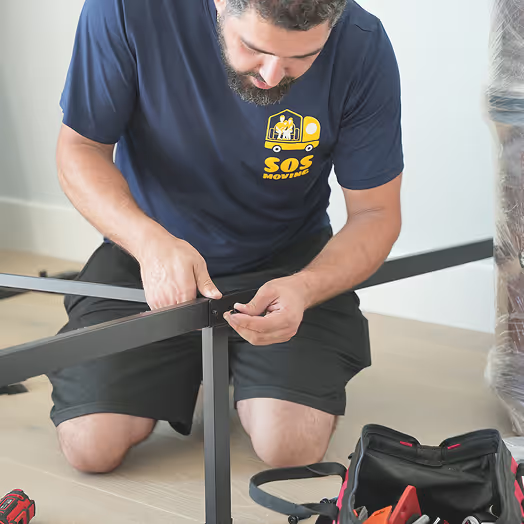
None of that is improvised on the day. Disassembly is part of the quoted job, hardware is bagged and labeled to the piece it came from, and the same crew puts it back together at the delivery address.
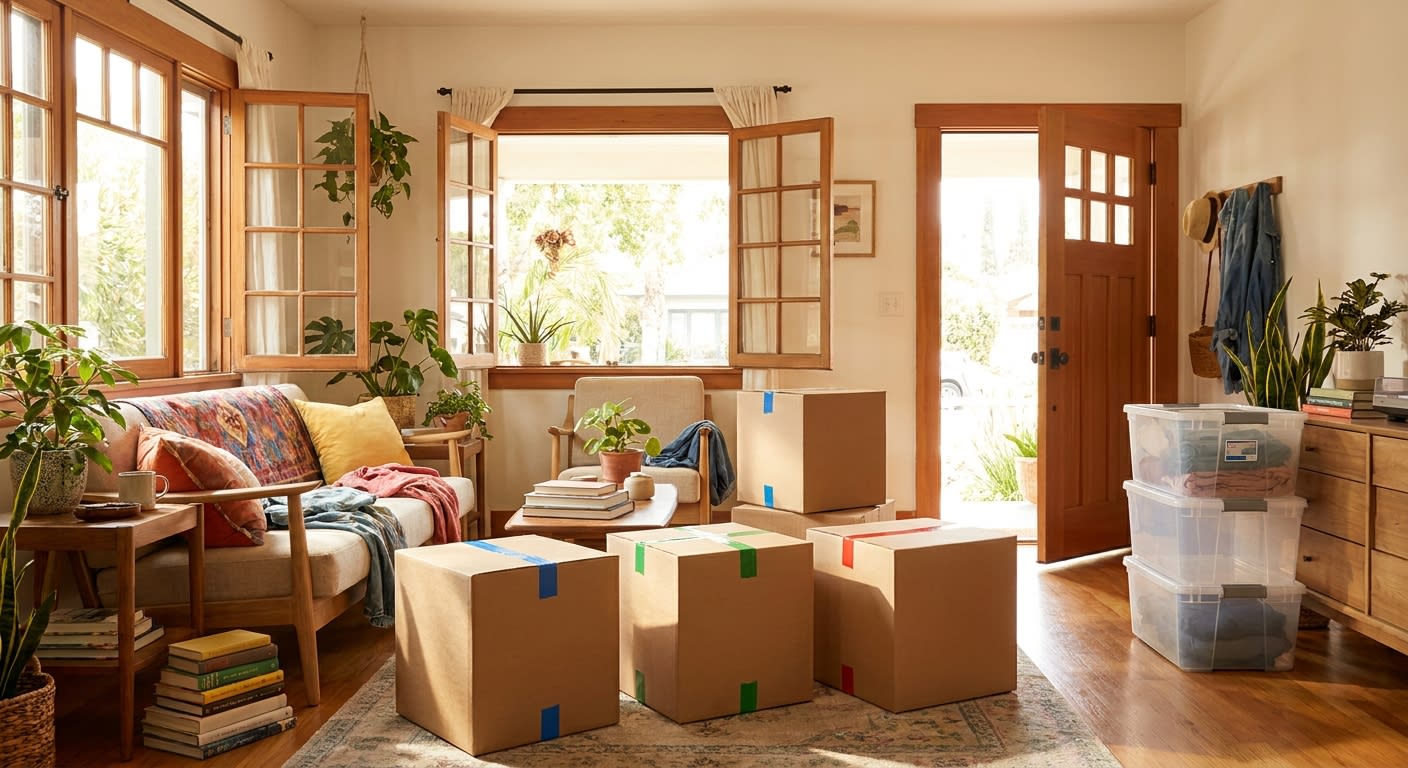
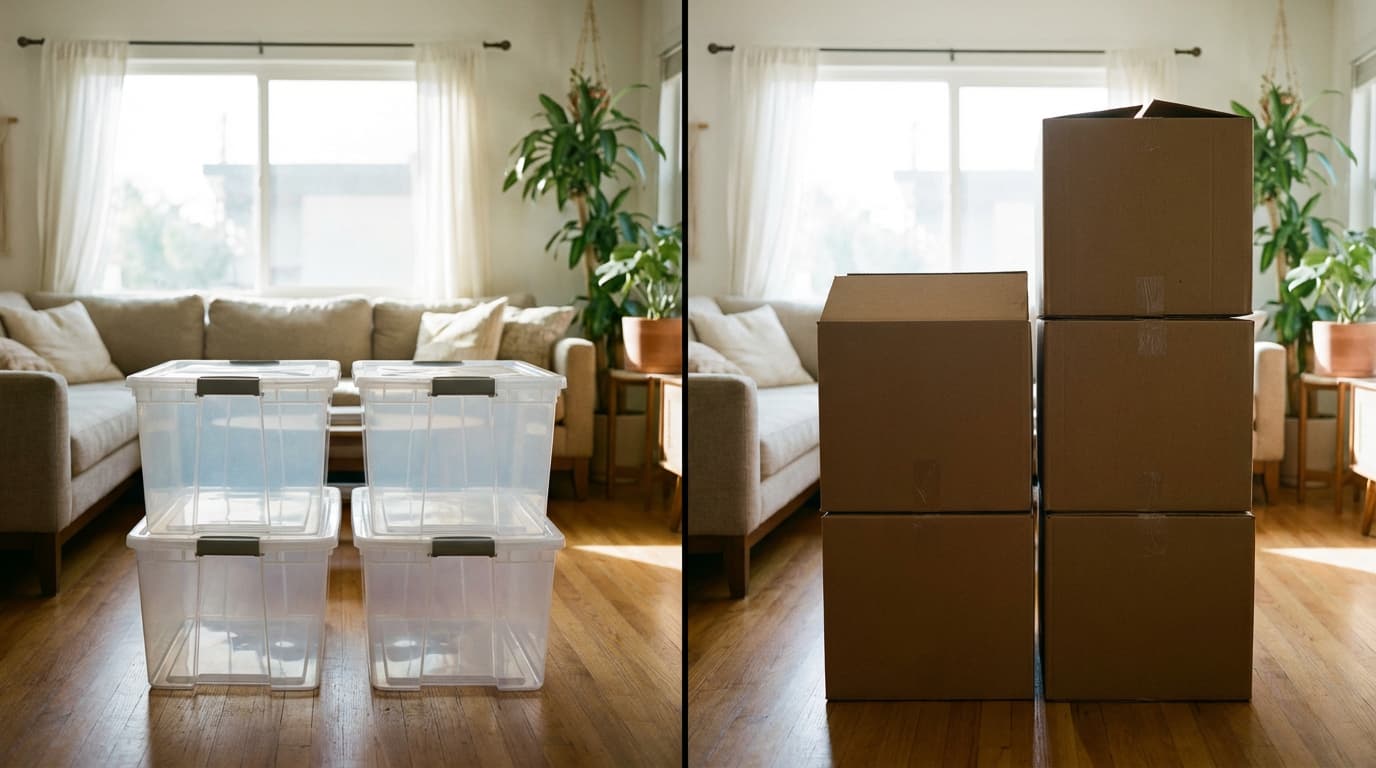
A cross-country load is packed to a different standard than a move across town. Boxes are filled to the top and taped on both seams, dishes go on edge in cell dividers, and anything with a screen or a stone top gets crated or corner-braced.
Owner-packed cartons are welcome, and they are also the usual source of trouble. Half-full boxes collapse under the one stacked above them, and overloaded boxes split at the bottom on the second carry.
If you would rather hand that part over, our packing services cover the whole house or only the rooms you dread - kitchens, wardrobes, art. Packing the day before means loading morning starts with a sealed house and no open cupboards.
Labeling earns its keep at the other end. Room name on two sides of every box, a short note on what is inside, and a mark on anything that has to be opened on the first night saves an hour of hunting after the truck leaves.
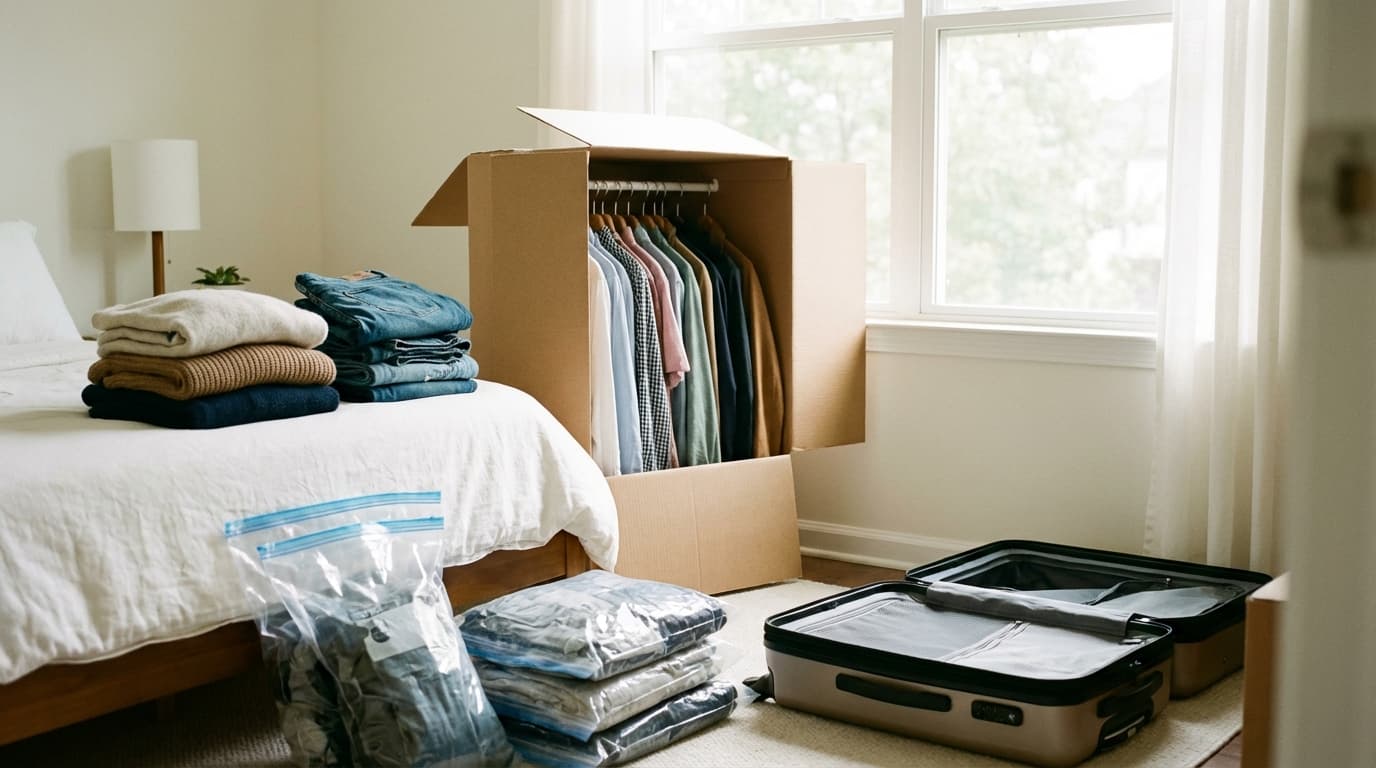
Wardrobe boxes save more time than anything else in the truck. Hanging clothes go from the rail straight into the box and back onto a rail at the other end, with nothing folded, bagged or ironed twice.
Keep one box with you. Documents, medication, chargers, a change of clothes and anything irreplaceable should ride in your car, where nobody has to look for them.
Closing dates slip, keys arrive late, and leases start on the first of a month that has not come yet. None of that has to strand a loaded truck on the street.
For a short gap the load stays on the truck overnight for $200 and is delivered the following day. For a longer wait the household goes into storage and is redelivered when you have access to the place.
Decide before loading day if you possibly can, because it changes how the truck is built. A shipment that will be stored is loaded to be taken off and put back on, which is not how a straight-through load is packed.
Storage also changes what you should keep out. Season-appropriate clothes, kitchen basics and anything the children will ask for in week one belong in the car, or in a marked box that comes off the truck first.
Most of the comparison happens before anyone talks about price. Ask who holds the operating authority, who drives the truck, whether the quote is flat or an estimate that can move, and what happens if the delivery address changes after loading.
Interstate moving companies in Glendale that answer those questions the same way twice are usually the ones still answering the phone in week two. Ours is 909-443-0004, Monday through Sunday, 8AM to 6PM.
Same-day work is possible when a slot is open, though an out-of-state load is better booked with lead time. There is no discount for leaving it late, and there is a real cost to it.
When you are ready, send the inventory and the two addresses, and we will put a flat number against them. The quote comes back with every add-on named, so nothing turns up as a surprise on loading day.