


%201.svg)









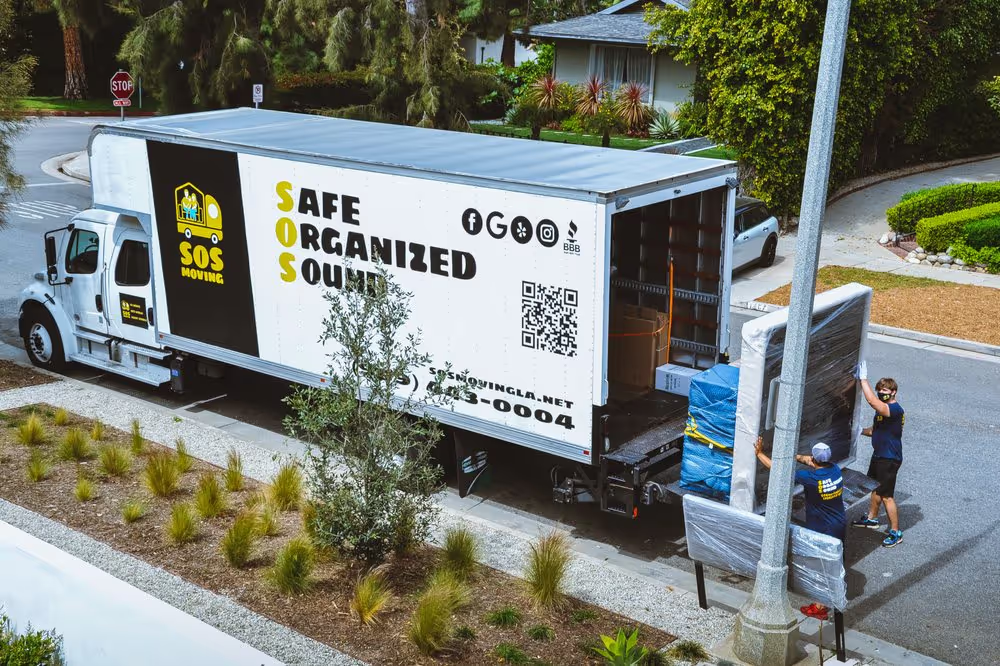
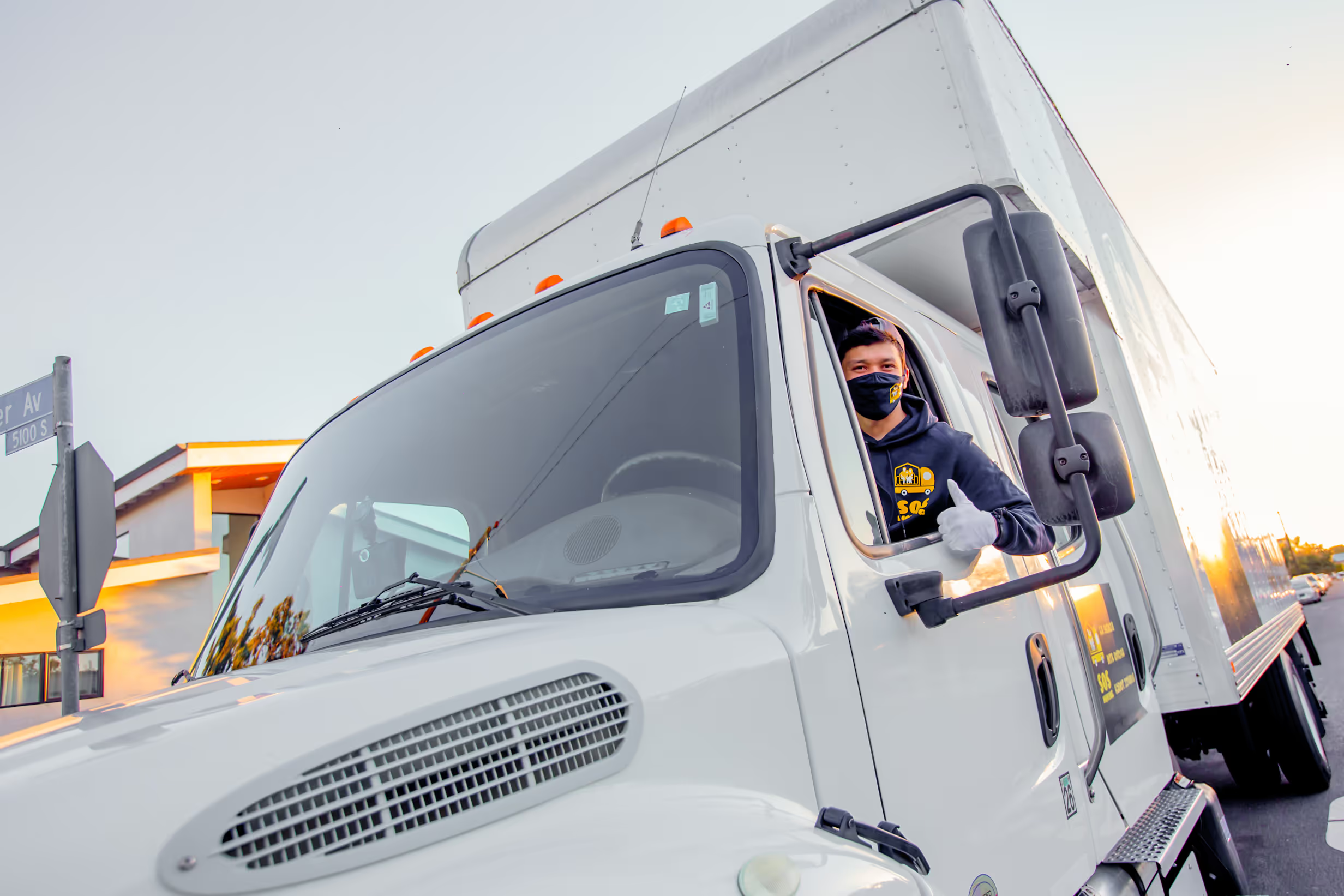
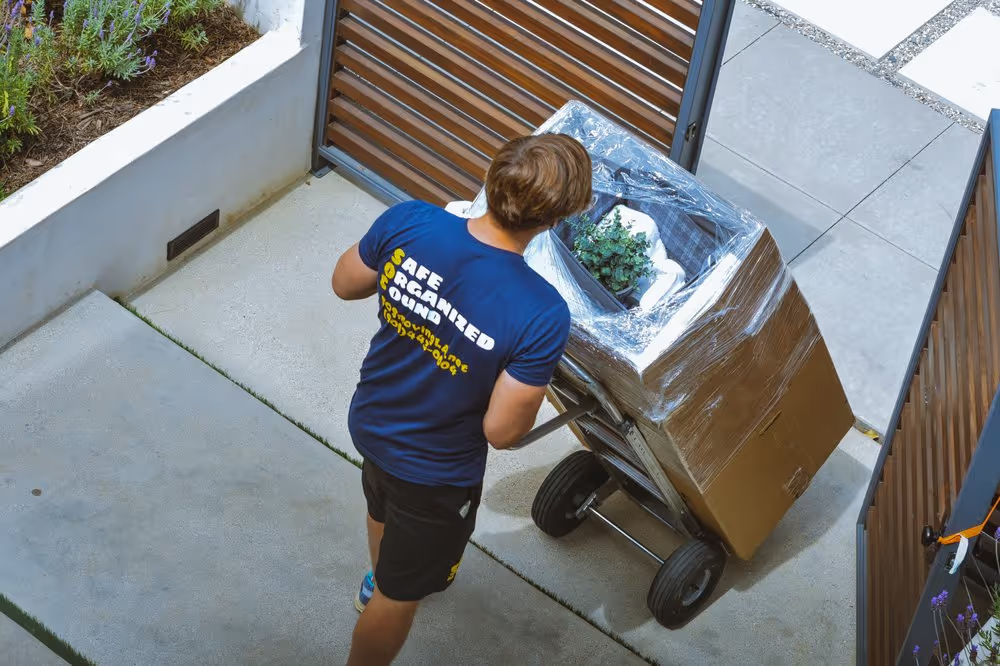
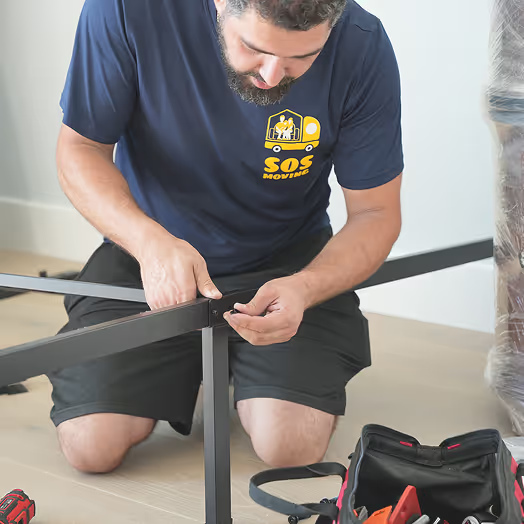
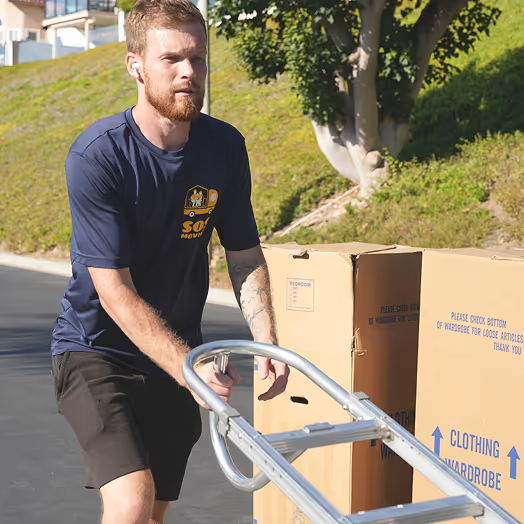
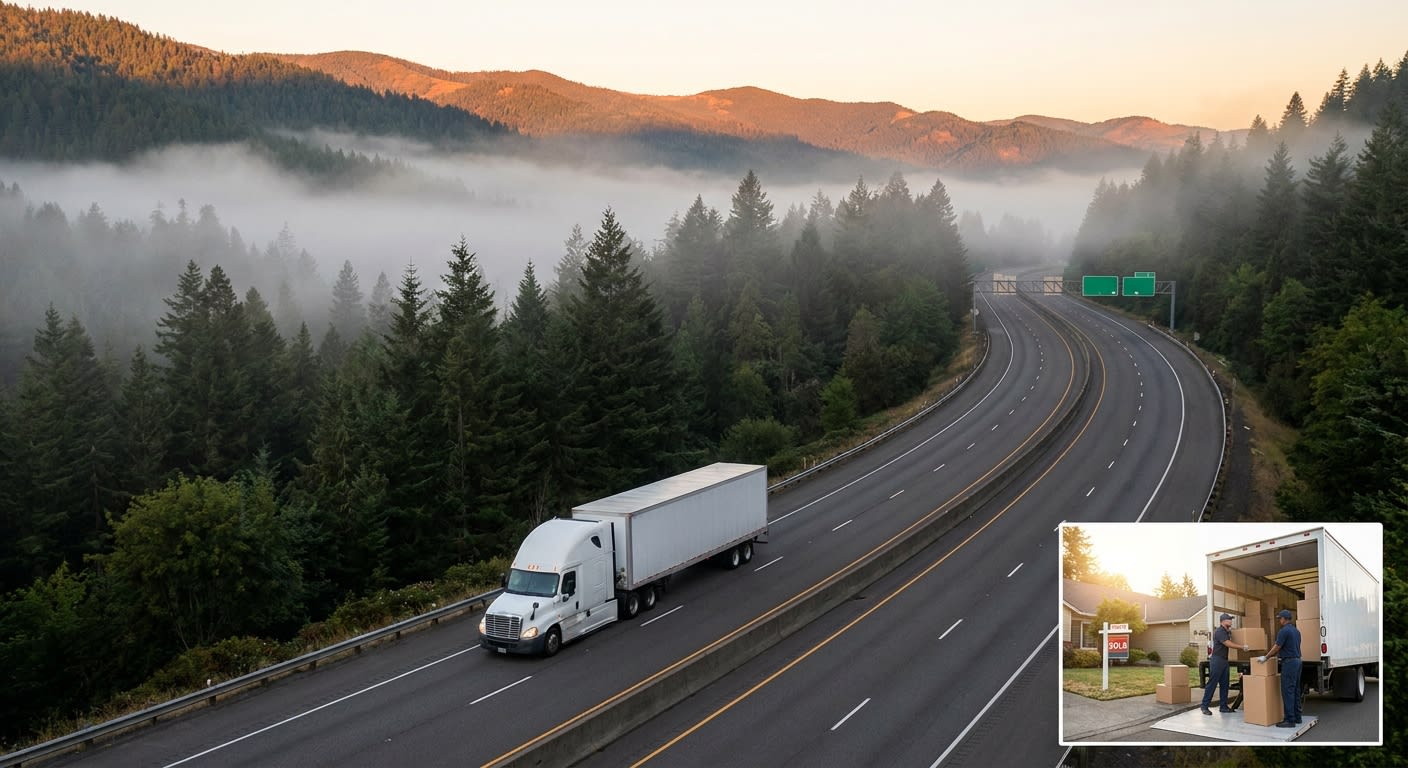
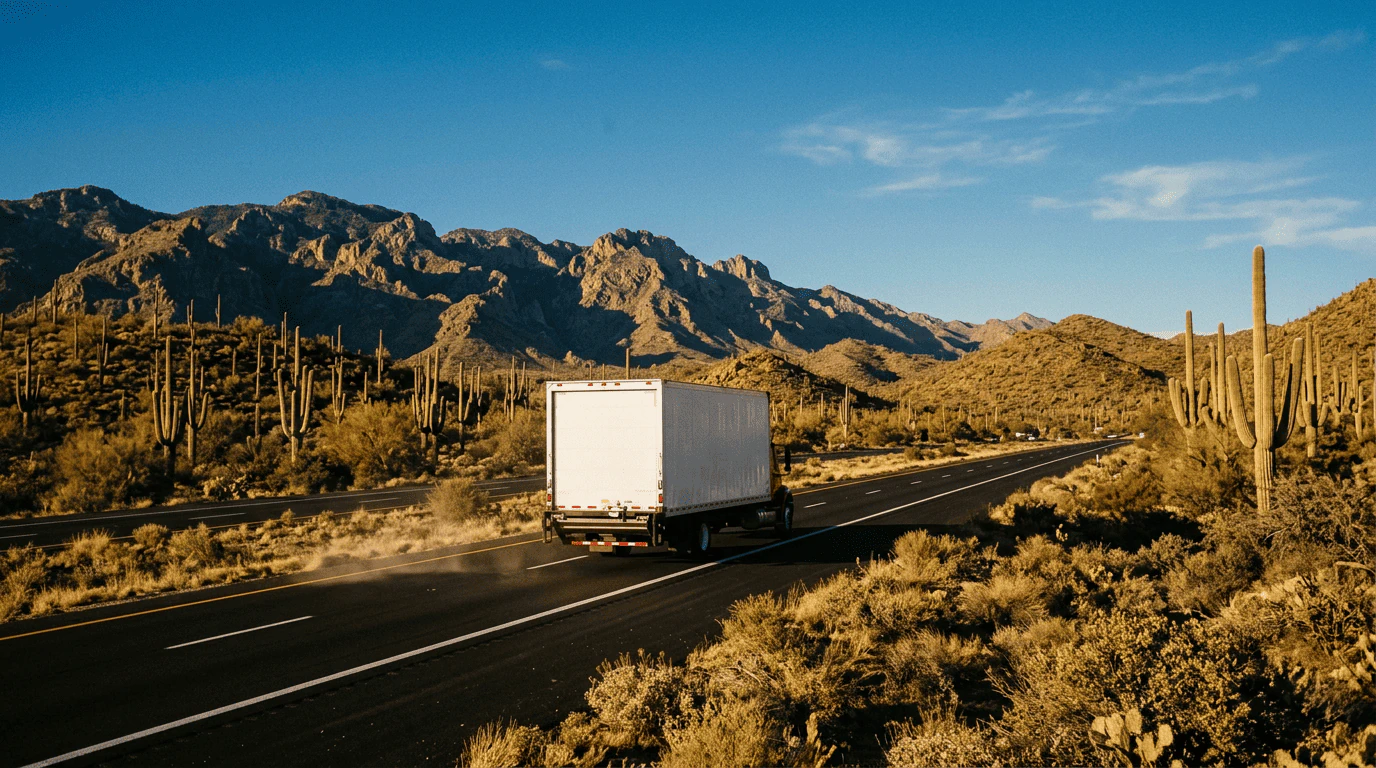
SOS Moving works as cross-country movers in Burbank, CA for households bound for another state: one flat price, one truck that carries nothing but your things, and one crew that loads it and unloads it. Rates and inclusions follow our long-distance moving service; for a move that stays local, our movers in Burbank take the job instead.
This page is about the dedicated truck, and we aim for the early end of the delivery range quoted for your route. If a lower bill matters more than speed, shared-load shipping charges only for the space your belongings take and arrives later.
To get a number, send the inventory and the new address. We price the whole truck, point out pieces that need extra wrapping, and ask how the truck can reach your door, because here that answer depends on the street, the alley and the building.



Long-distance work is never billed by the hour. You get a flat price built from four inputs: how much you are shipping, the route to the new address, whether our crew packs, and how easy each home is to load. The hourly rates published for local jobs do not apply to an interstate haul.
Payment follows the move rather than running ahead of it: a deposit holds the date, part of the balance is charged when the truck is loaded, and the rest is due only after you confirm that everything arrived.
What moves the number is the inventory. If a forgotten garage shelf or a storage unit joins the list after the quote, tell us before moving day so the figure can be updated on paper, not debated at the curb. For a quote, call 909-443-0004 with your list and destination.
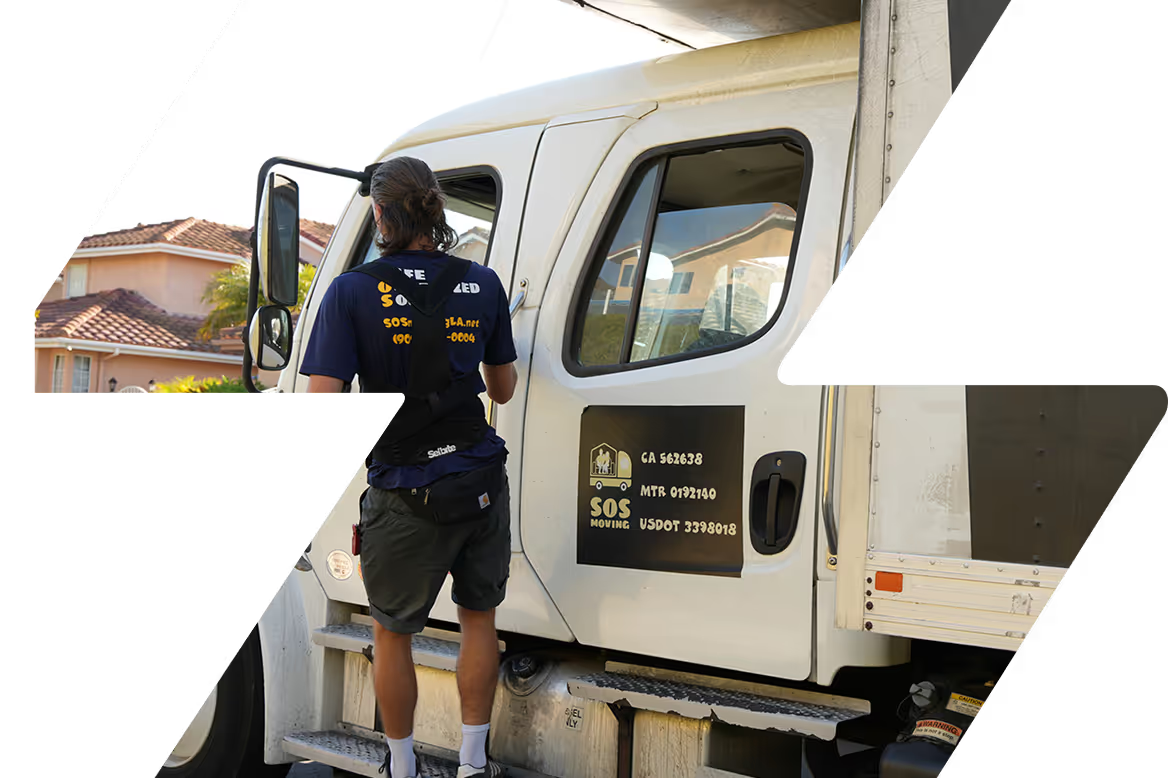





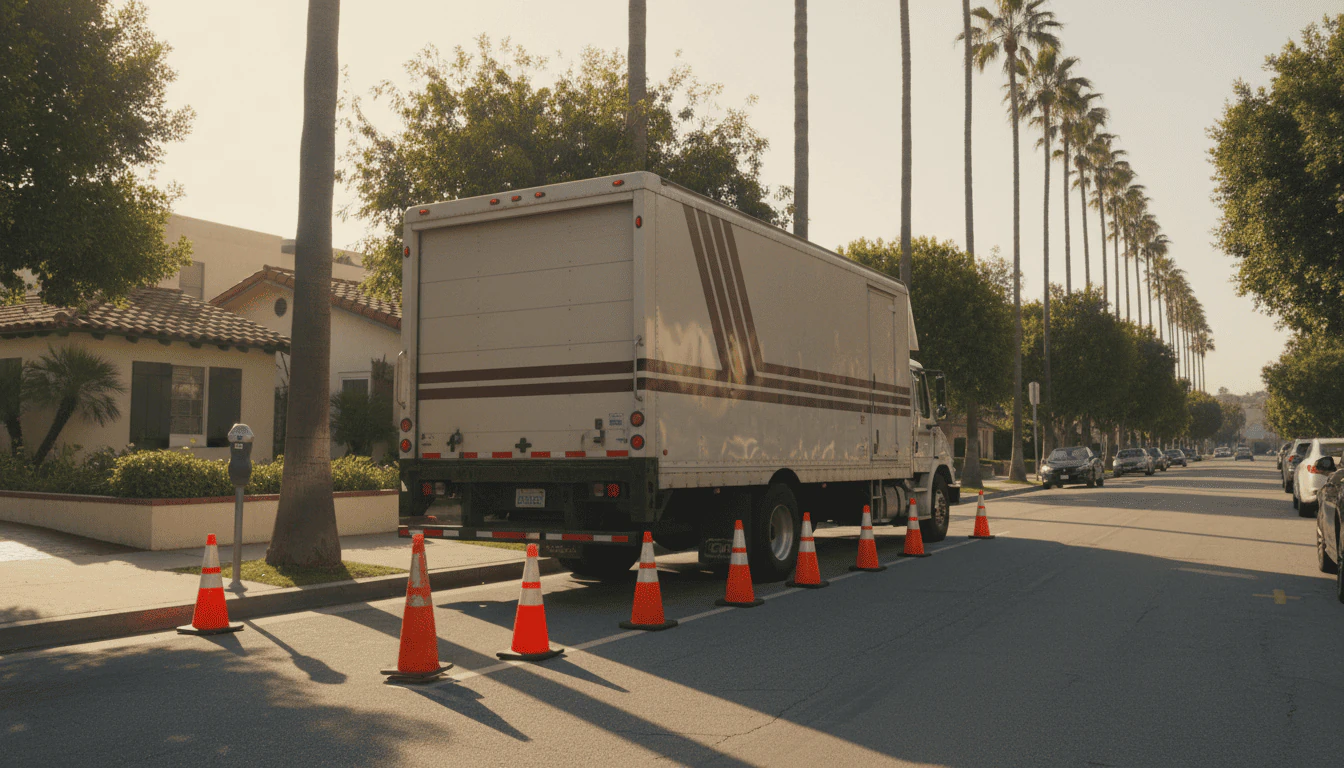
Burbank’s Street Use Permit is the city document for placing a moving vehicle in the public right-of-way, and it cannot be issued for an alley. If your garage opens onto a back lane, loading from it is outside the standard permit; an exception needs sign-off from the city’s Traffic Engineer, so unless you already have that approval, we plan to load from the street in front.
Public Works also refuses the permit unless the permittee’s insurance certificate, naming the City of Burbank as additional insured, is on file. Miss either document and there is no permit. If you are filing yourself and want our certificate for it, ask on the first call; it costs $50, and you can check it against the city’s requirements before you submit.
Several large housing projects are in the city’s pipeline: LaTerra Select with 573 rental units, First Street Village with 275 rental units, and 862 units on the former Fry’s site at 2311 N. Hollywood Way. We have not seen written move-out rules for any of them, so we do not guess.
When you give notice, ask the office three things: which hours move-outs are allowed, whether a freight elevator or loading area has to be reserved, and whether a certificate of insurance is required and whose names must appear on it. Forward the answers to us. The certificate is issued for $50 to match, and loading is booked inside the slot the building gives you and our 8AM – 6PM day. The same three questions work for a condo board or an HOA anywhere in town.
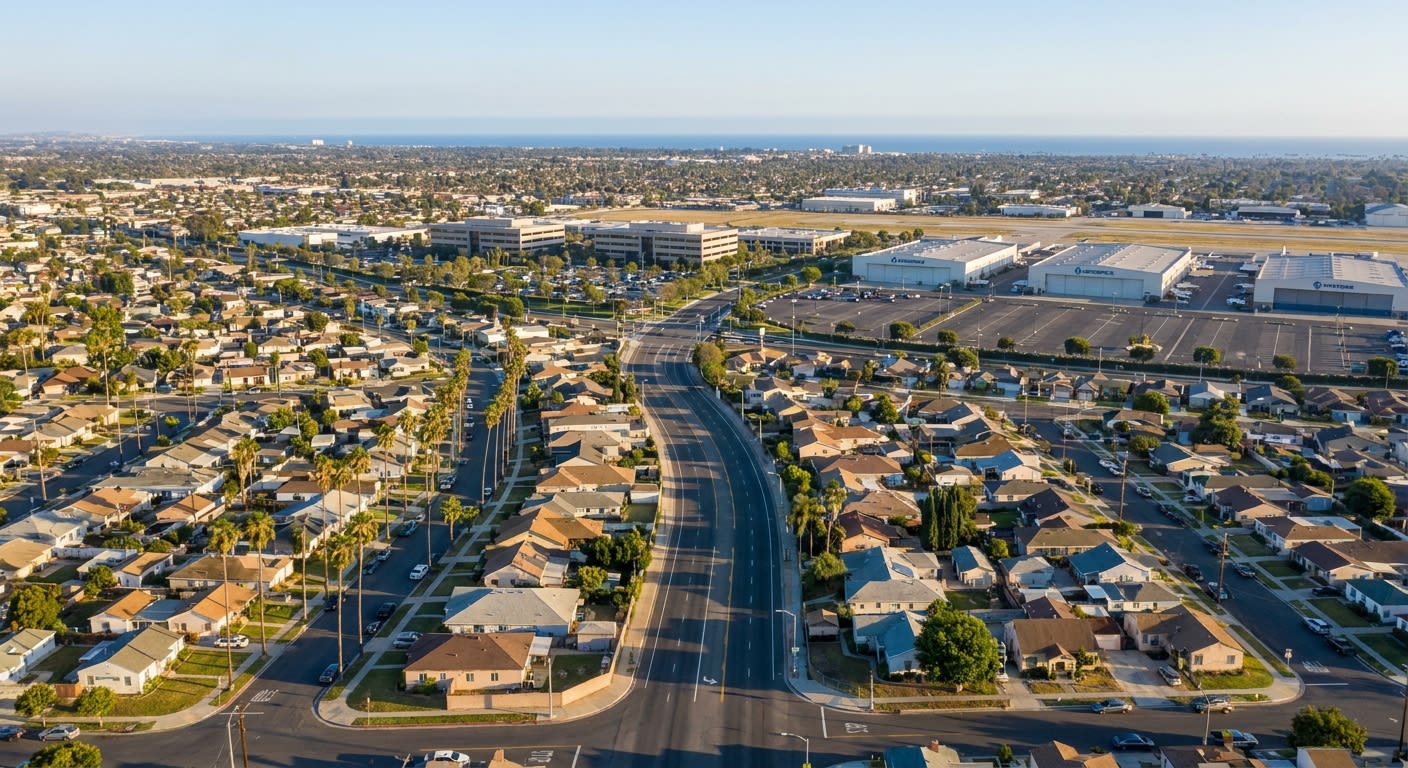
The Golden State neighborhood is framed by Hollywood Burbank Airport on the west, Cohasset Street and I-5 on the north, Buena Vista Street on the east, and Vanowen Street and Pacific Avenue on the south. With the freeway on its edge, a loaded truck from there heads out of state without a crosstown drive, which keeps the first hour of the trip predictable.
For the Burbank Rancho, the city is preparing a neighborhood specific plan aimed at preserving the area’s equestrian lifestyle. If you are leaving an equestrian property there, put the stable gear on the inventory as well. Saddles, tack trunks and tools get wrapped like furniture, and they take up truck space that the flat price has to account for.
Since September 2019 the I-5 interchange at Empire Avenue has given the airport area and Empire Center their own freeway access, and it ties San Fernando Boulevard to Empire Avenue, linking Downtown and eastern Burbank with the airport side. That same stretch, from Empire Avenue to the Cohasset Street undercrossings, is under a Caltrans pavement rehabilitation scheduled from winter 2025/26 through summer 2027. Its weekend closures can narrow I-5 to two or three lanes, and full overnight closures fall outside our working day. Before a Saturday departure we read the current Caltrans notice, because the schedule can change, and route the truck around any narrowed lanes.
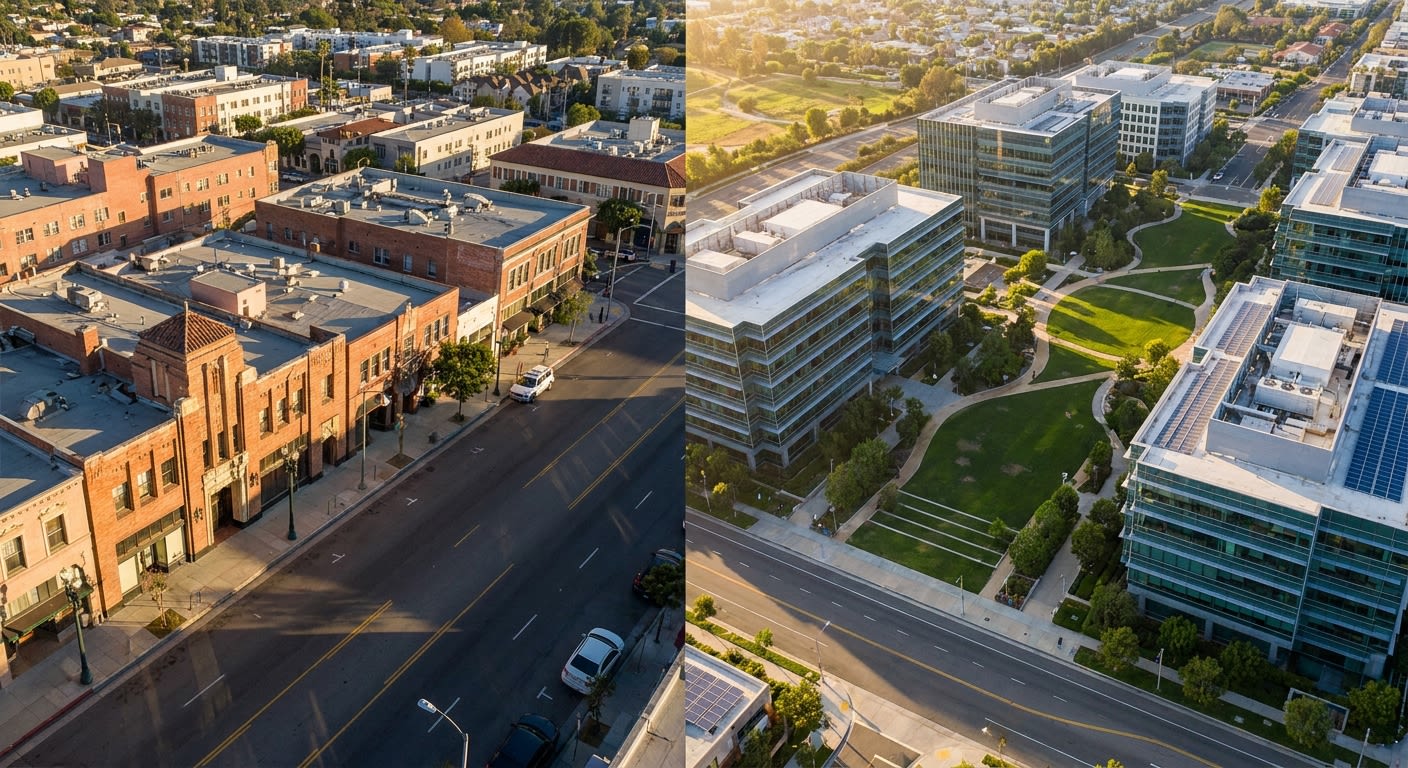
Where you leave from in Burbank → what to plan for loading day:
| Leaving from | What to plan for loading day |
|---|---|
| A house whose garage opens onto an alley | A standard Street Use Permit cannot cover the alley; plan the truck at the front curb or get the Traffic Engineer’s approval first. |
| Curb space you want held with a Street Use Permit | Public Works issues it only with insurance on file: a certificate naming the City of Burbank plus a CG 20 12 endorsement. Order our certificate early. |
| A unit in LaTerra Select, First Street Village or 2311 N. Hollywood Way | Get move-out hours, elevator or loading-area booking and the names for the insurance certificate from management before you fix the date. |
| The Golden State neighborhood | I-5 runs along part of its northern edge, so the loaded truck reaches the freeway without crossing town. |
| An equestrian property in the Burbank Rancho | List saddles, tack trunks and stable tools with the furniture; they take truck space inside the flat price. |
| Downtown or eastern Burbank | The Empire Avenue interchange ties San Fernando Boulevard to the airport side and to I-5. |
| Any Saturday departure before summer 2027 | Check the current Caltrans notice for lane closures on I-5 between Empire Avenue and Cohasset Street. |






If you want curb space held, the document is a Street Use Permit from Burbank Public Works. It is issued only after insurance papers are on file, and never for an alley. If you decide to apply, ask us for our certificate of insurance early; it costs $50.
With one flat rate for a dedicated truck, not by the hour. The figure depends on your inventory, the route, whether we pack, and access at both homes. Fuel, mileage and taxes are already inside it.
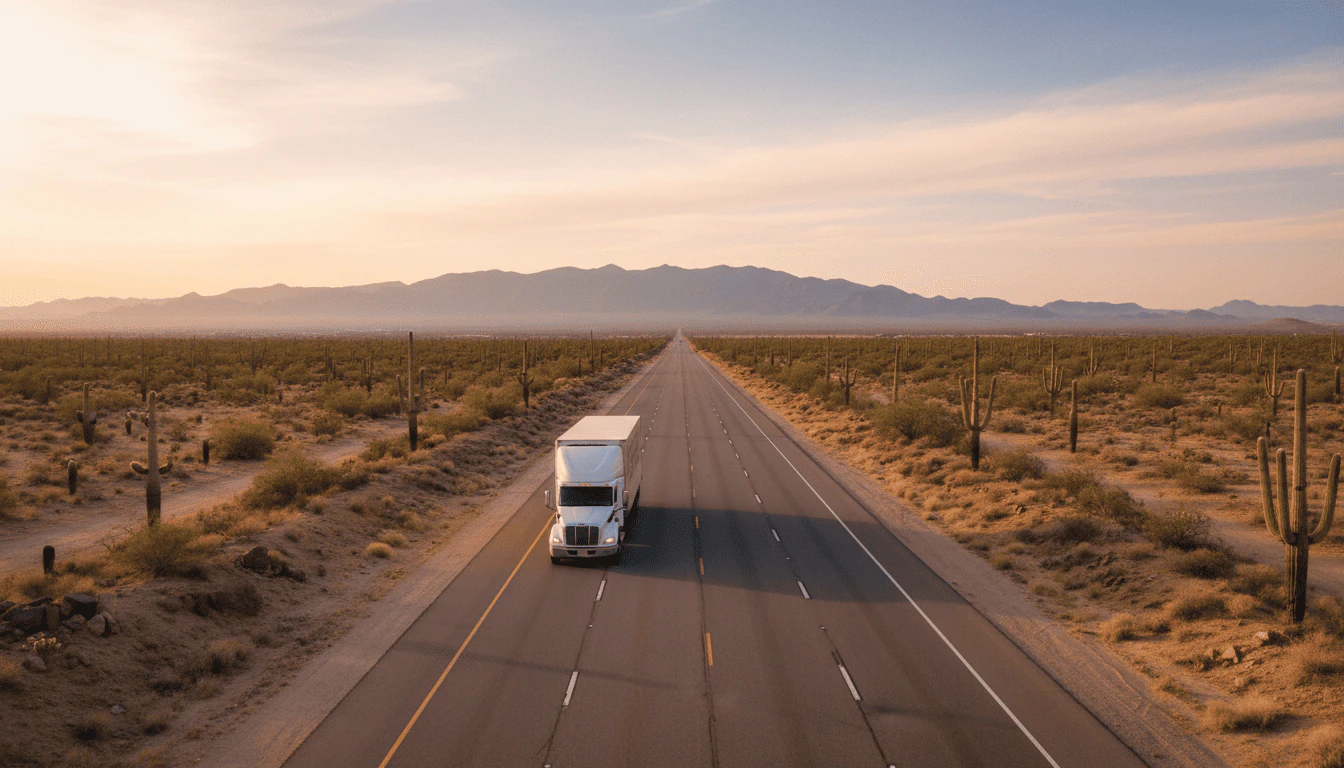
It depends on the route. Delivery takes from a few days upward, and we quote a range for your destination before you book. Then we aim for the early end of that range.
Same-day moves are possible when a crew and truck are free, within our Monday – Sunday 8AM – 6PM hours. For an interstate haul, booking earlier gives you more dates to choose from.
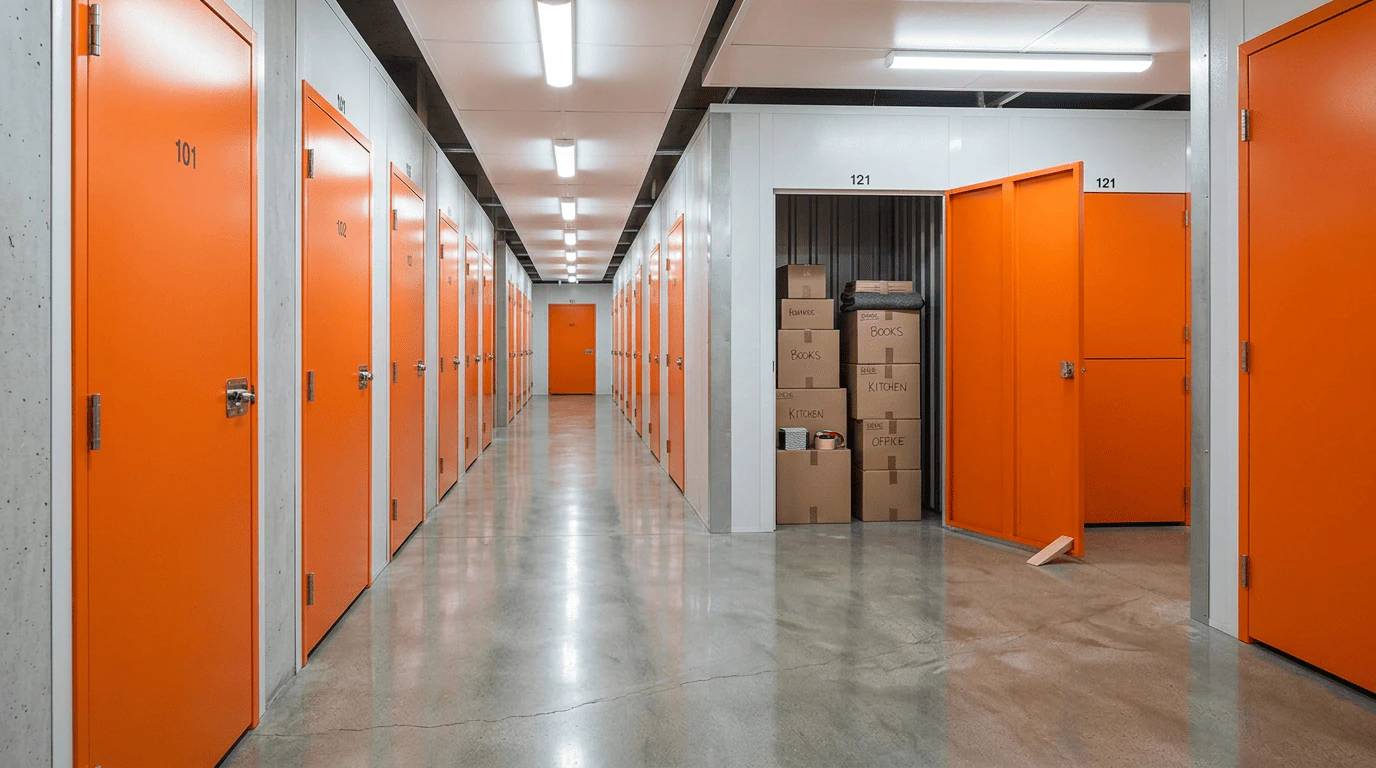
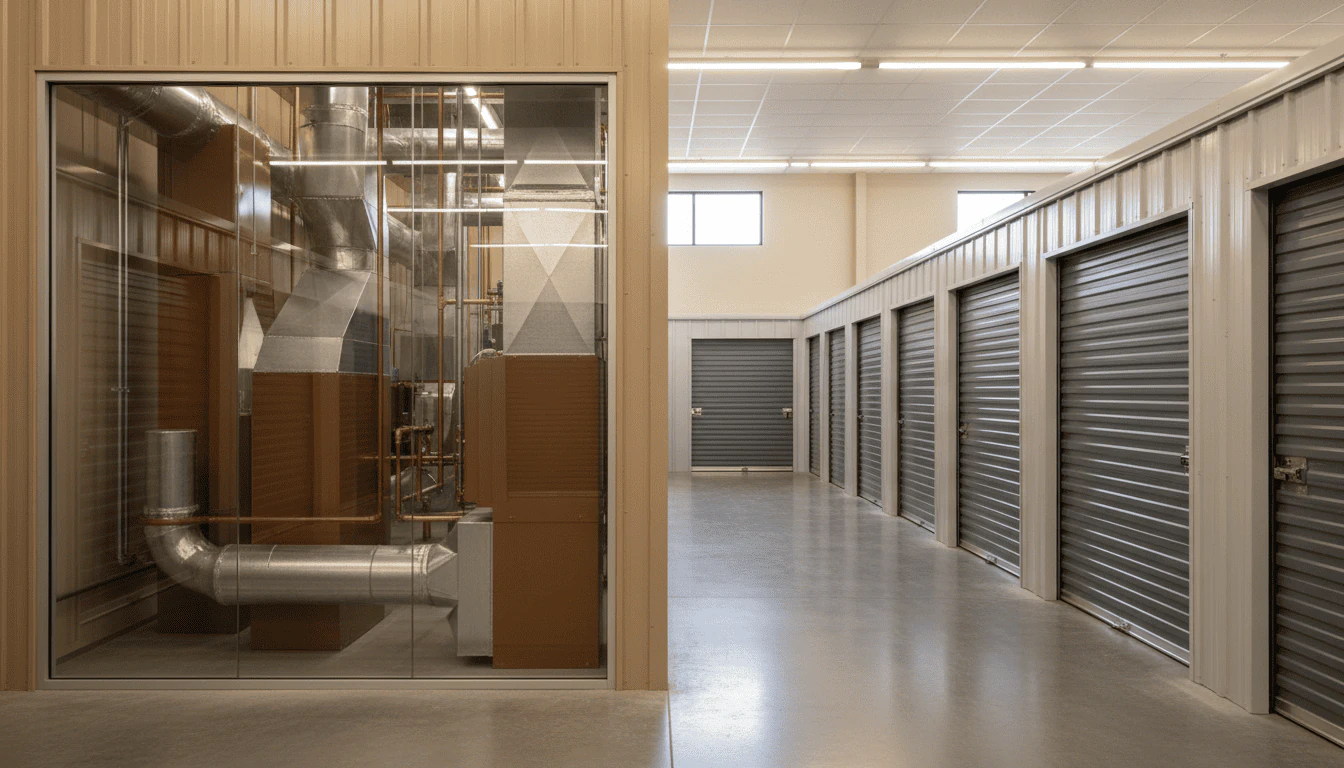
Yes. In-transit storage keeps your household in climate-controlled storage until the new home is ready, and the term can be extended without penalties. The crew brings everything out again on the date you give us.
An interstate move is five jobs in a row: estimate, packing, loading, the drive and unloading. Each stage has its own risks, and a flat price only holds if the first one is done carefully, because every later number rests on it.
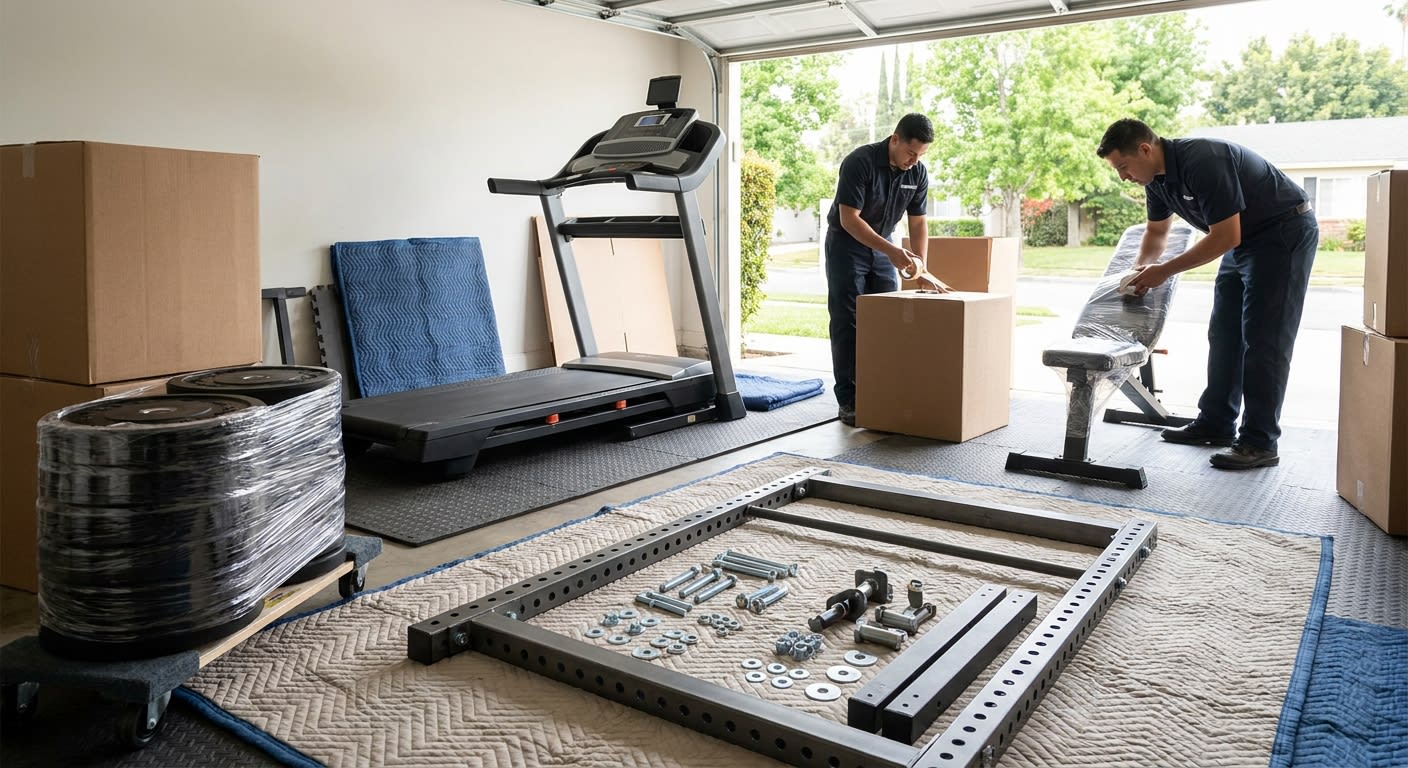
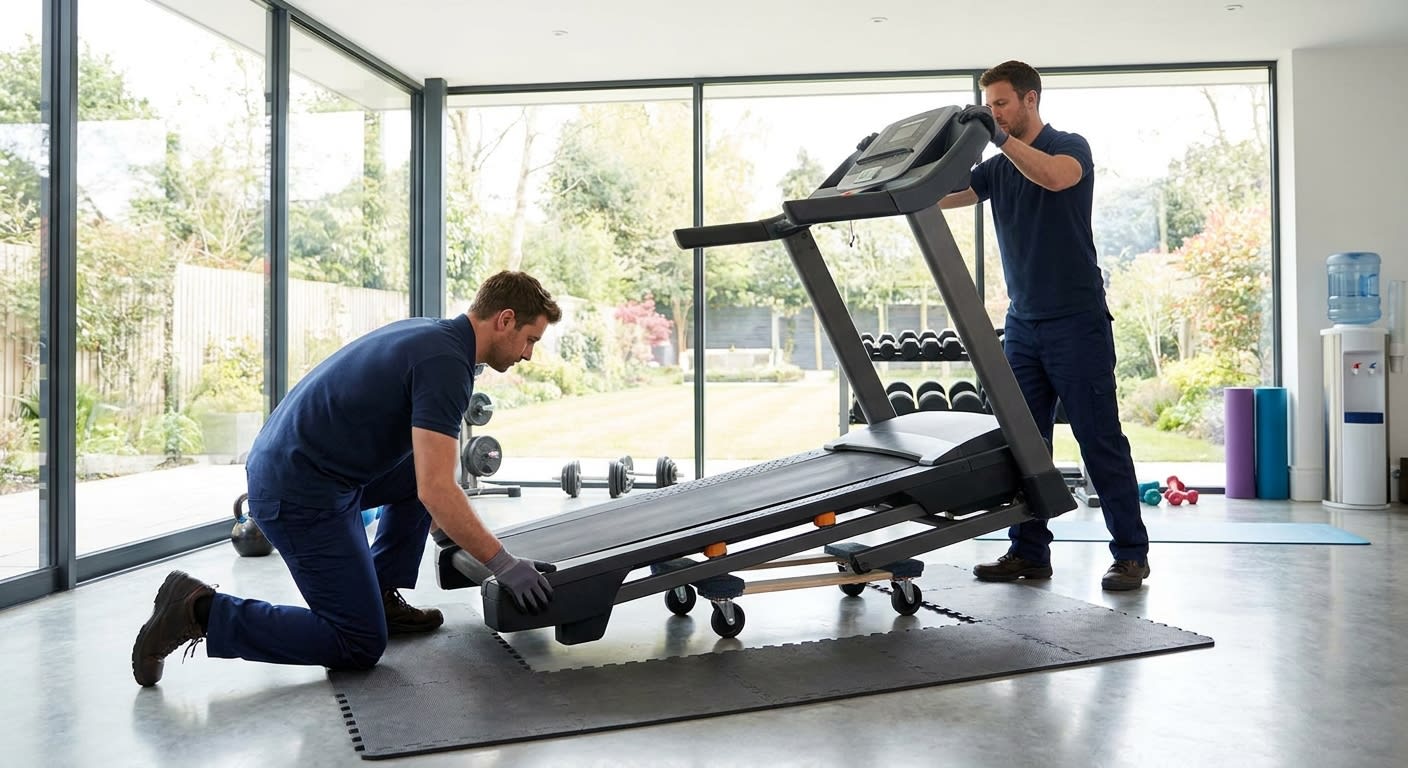
The estimate starts with your inventory. Walk every room and write down the furniture, a rough count of boxes and anything unusual, such as a treadmill, a glass tabletop or a tall mirror. Include the garage, the patio and any rented storage unit. Those are the places people forget, and they are where most quote surprises come from.
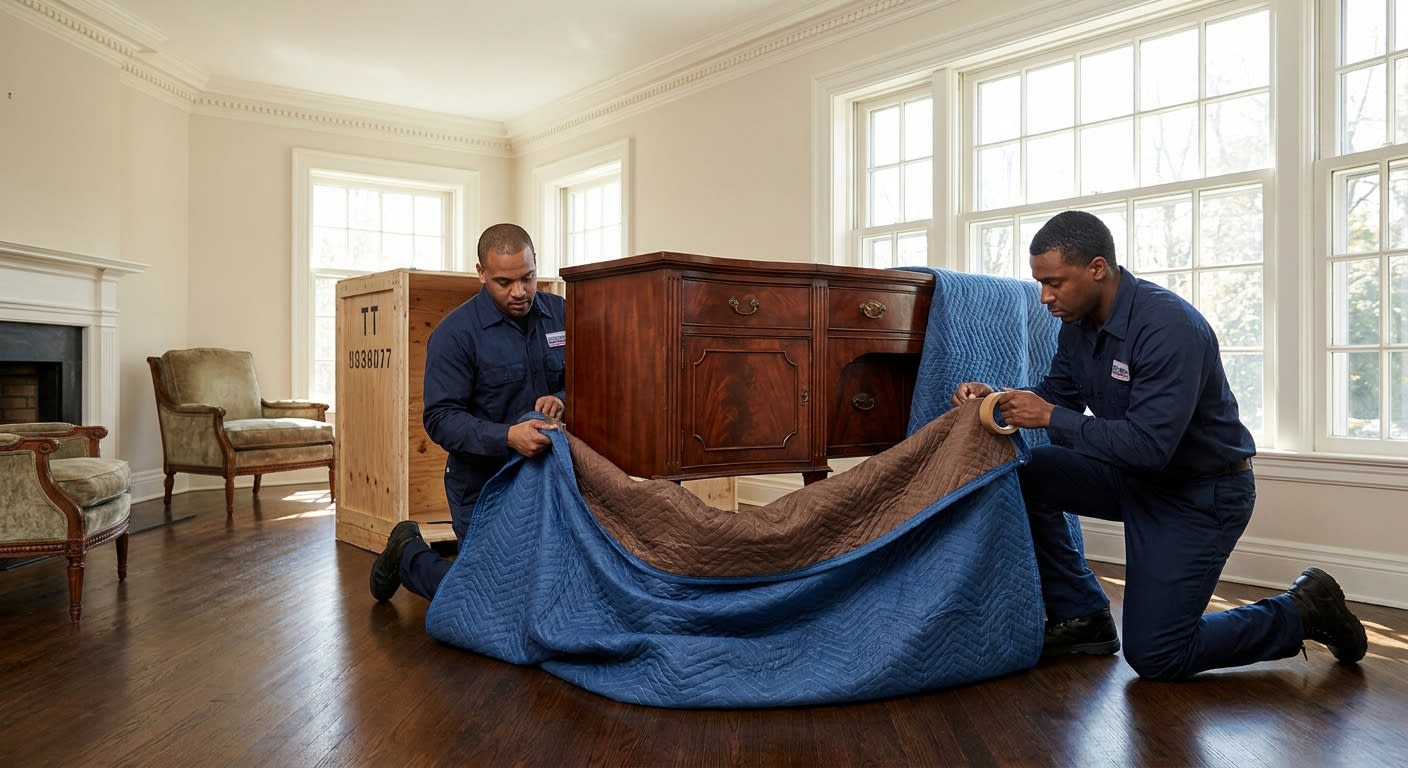
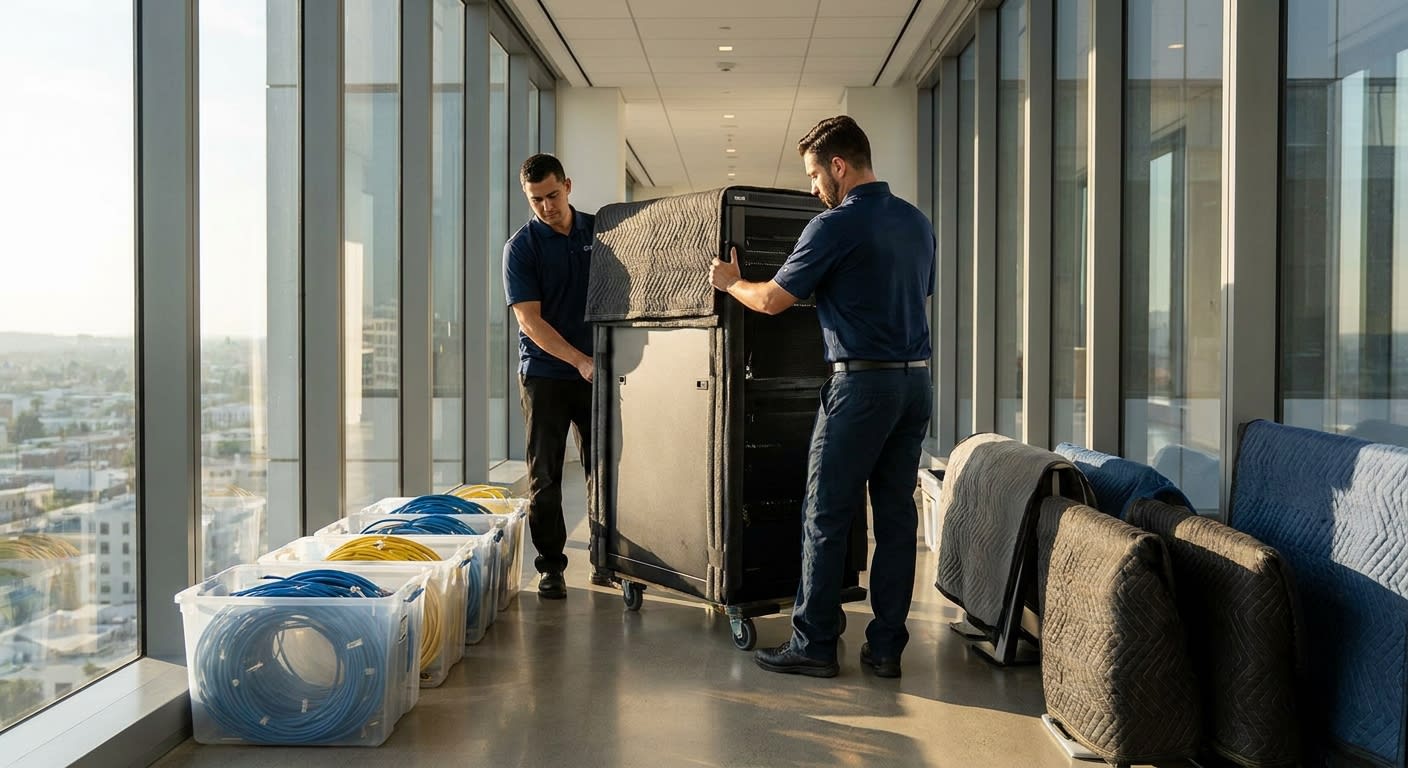
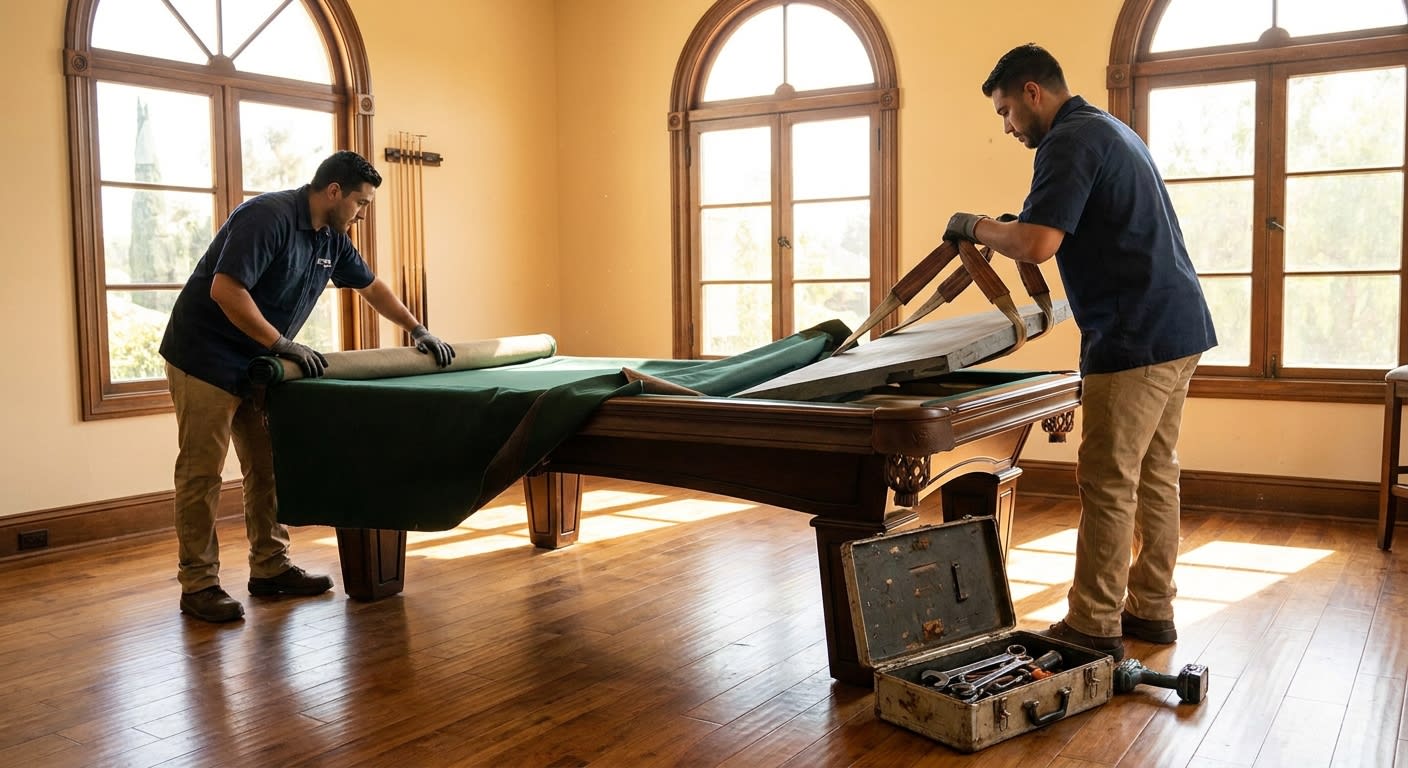
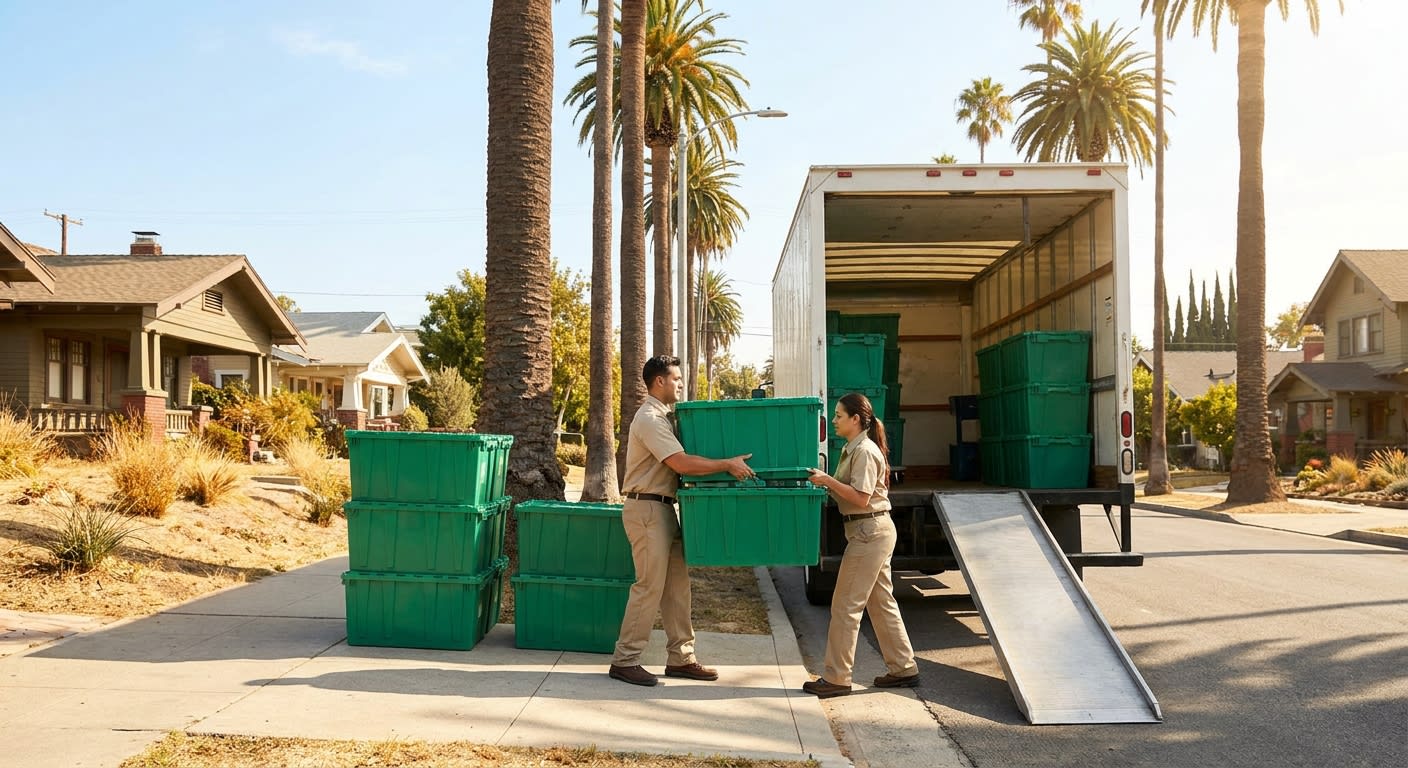
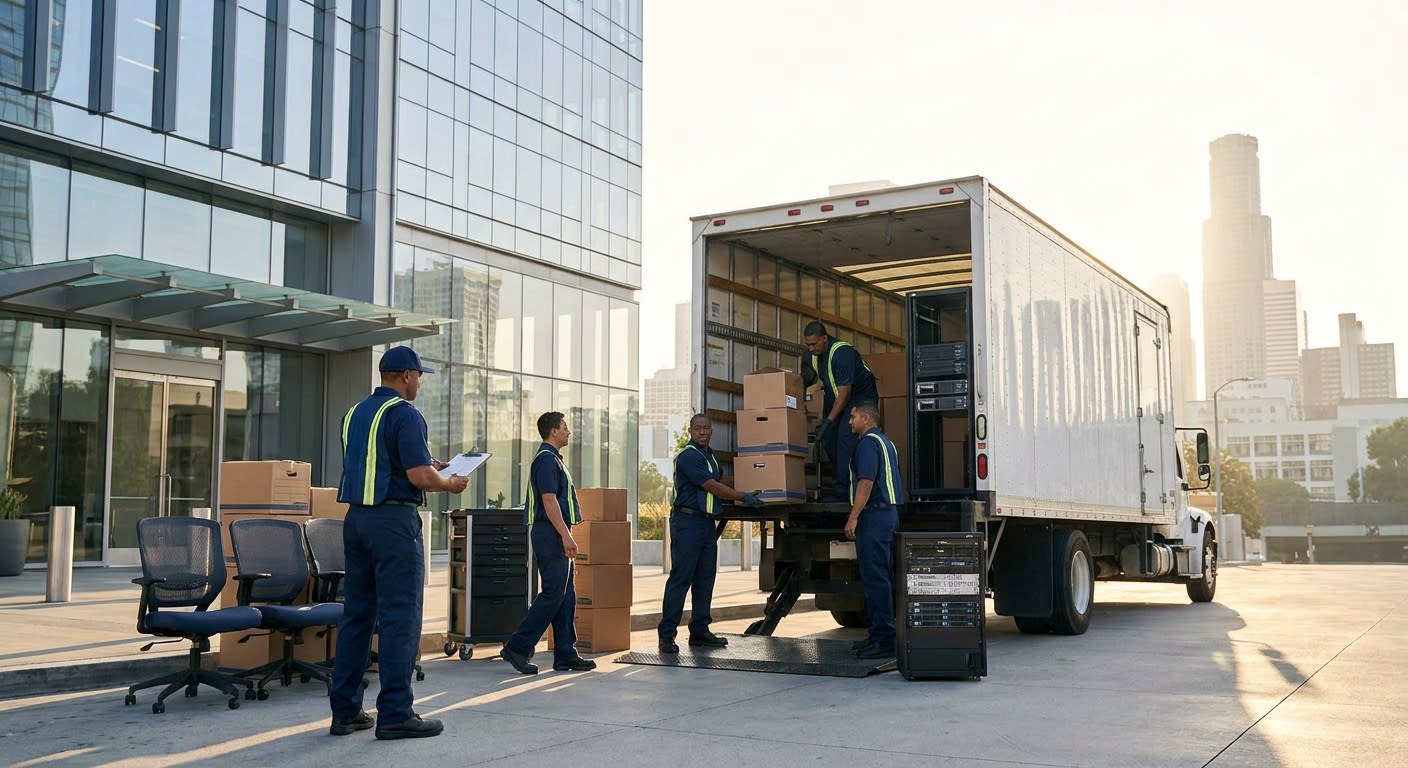
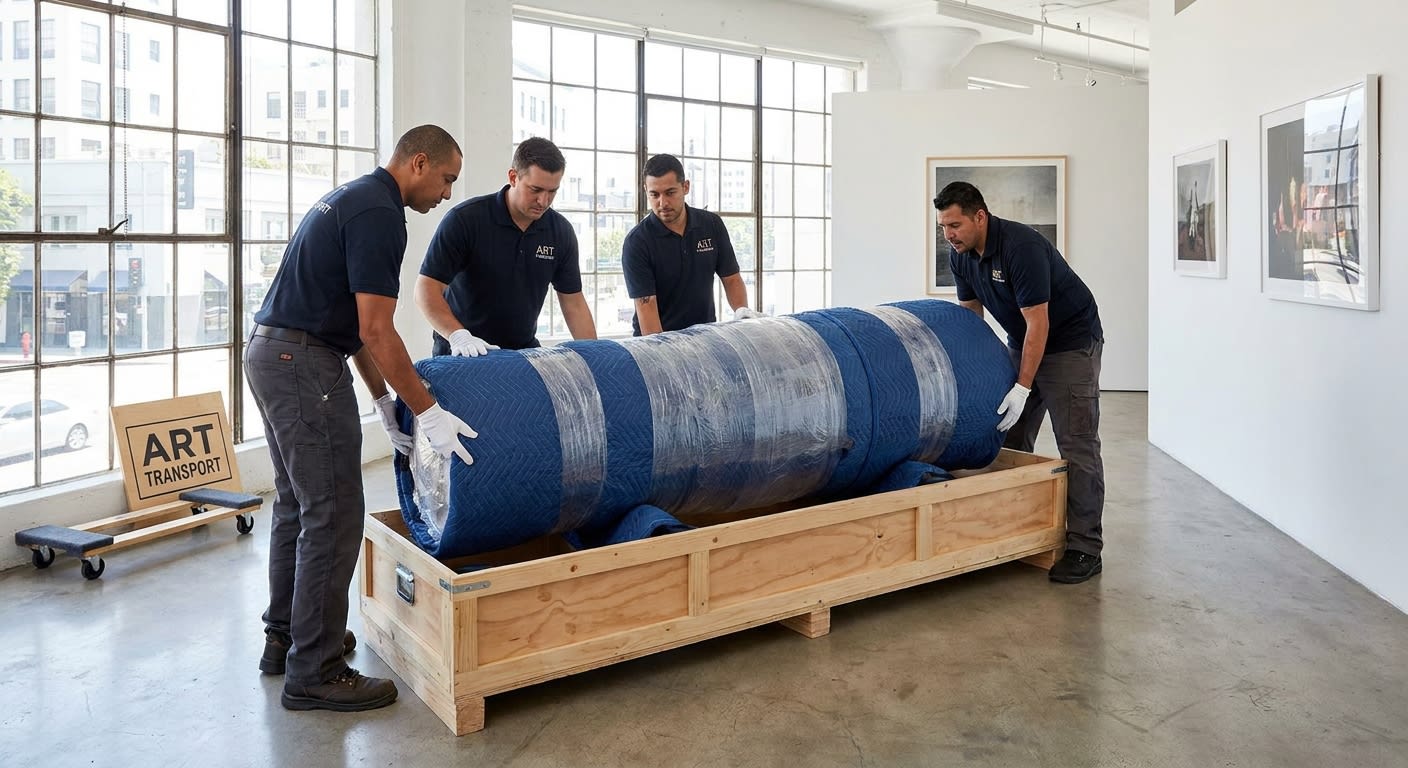
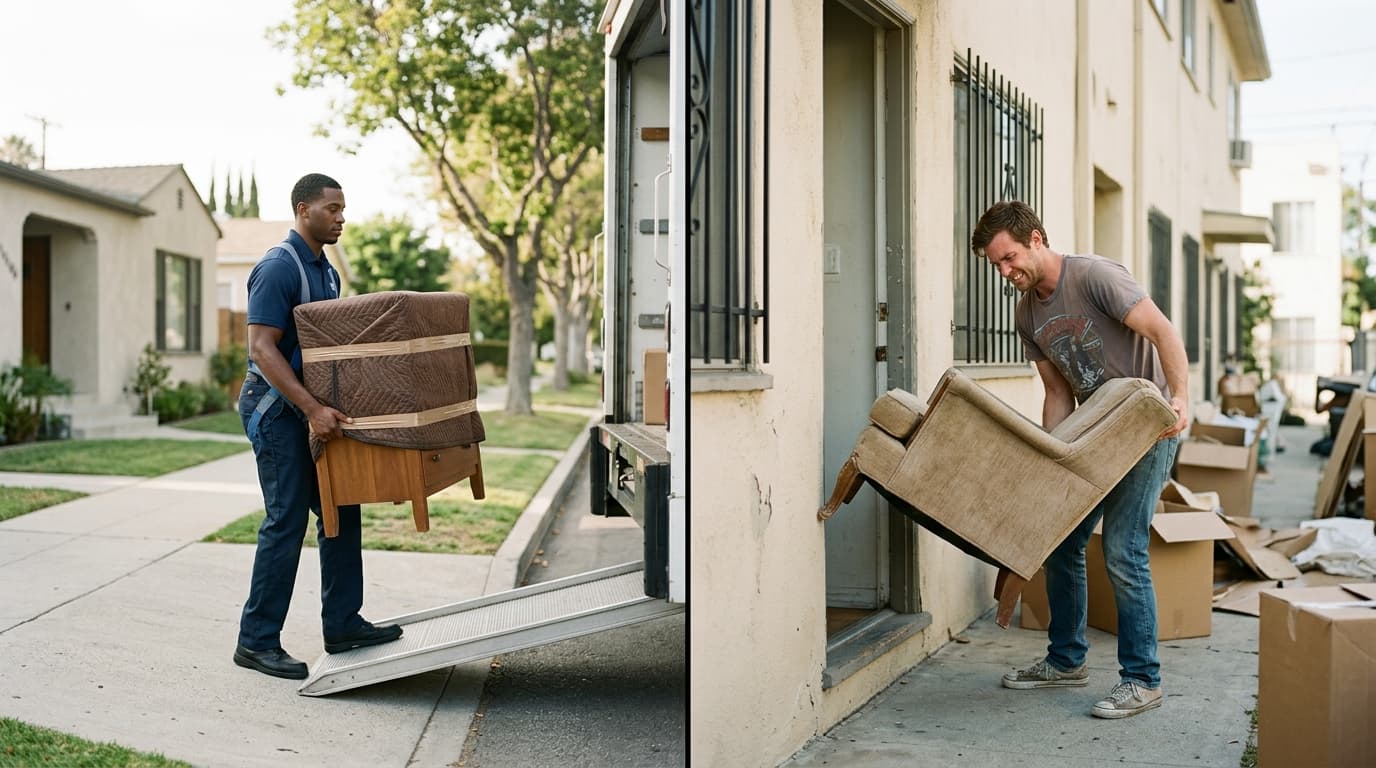
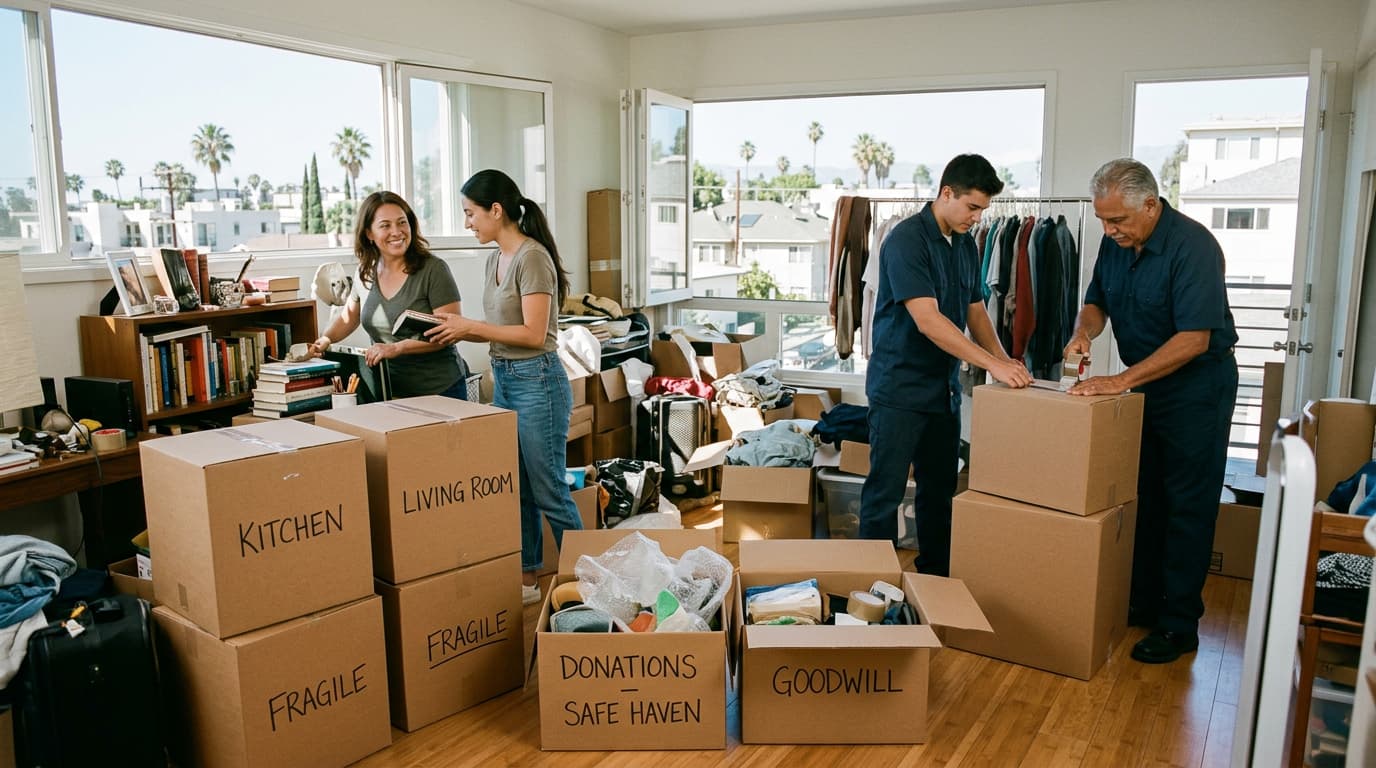
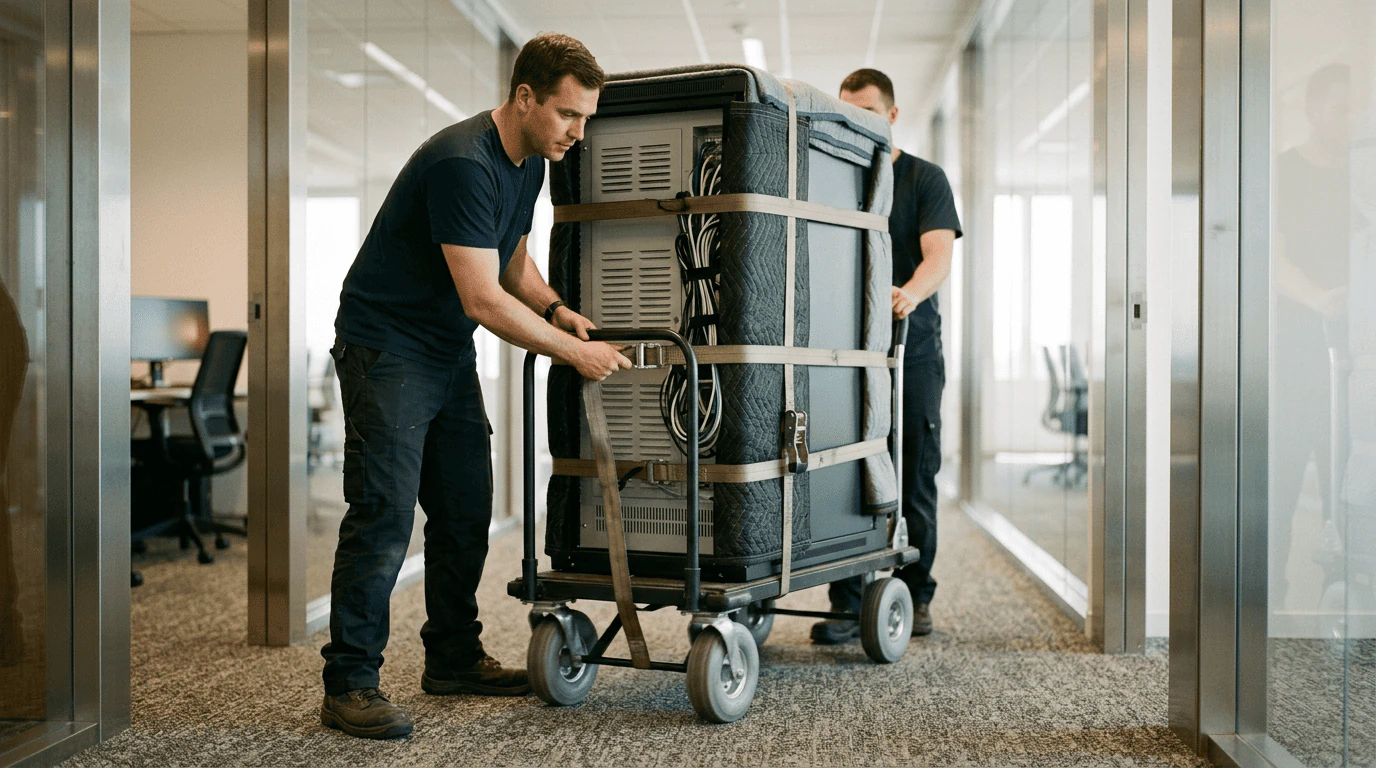
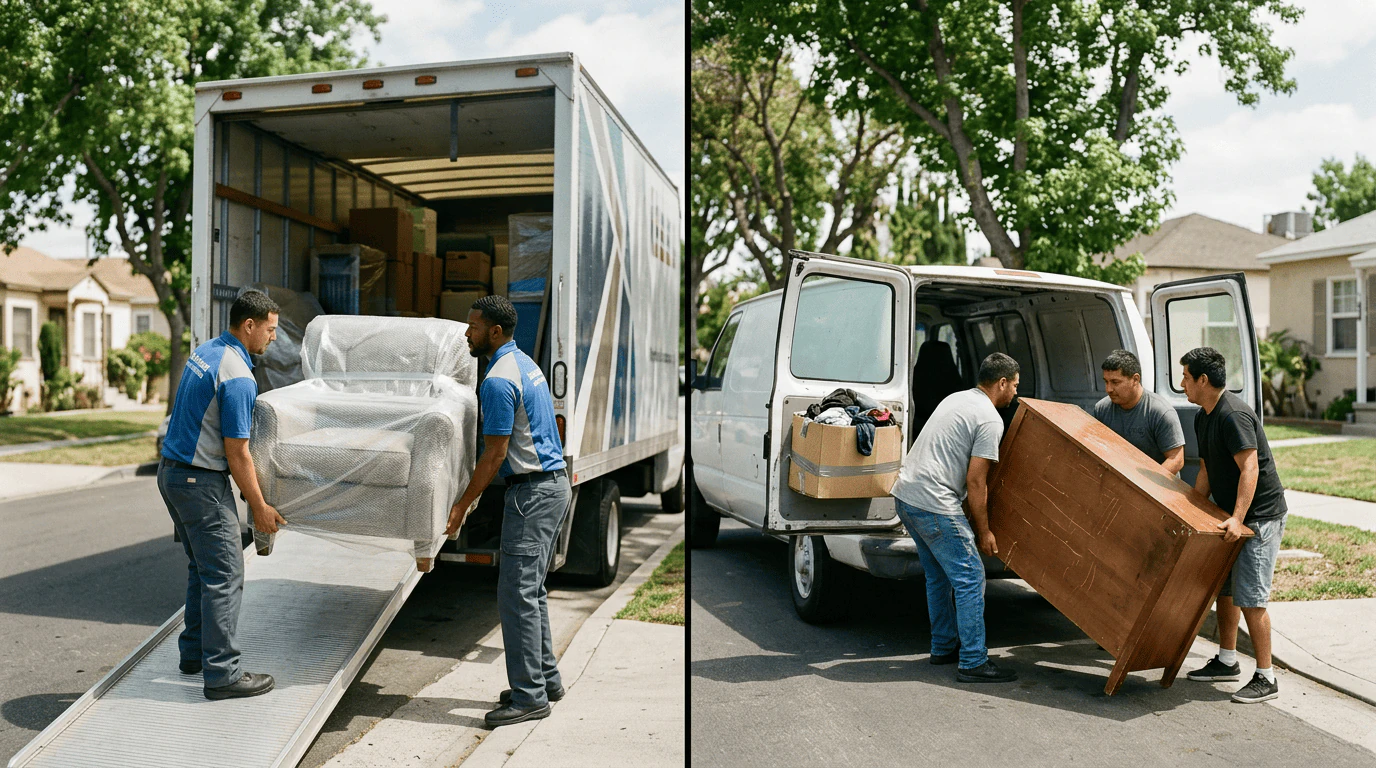
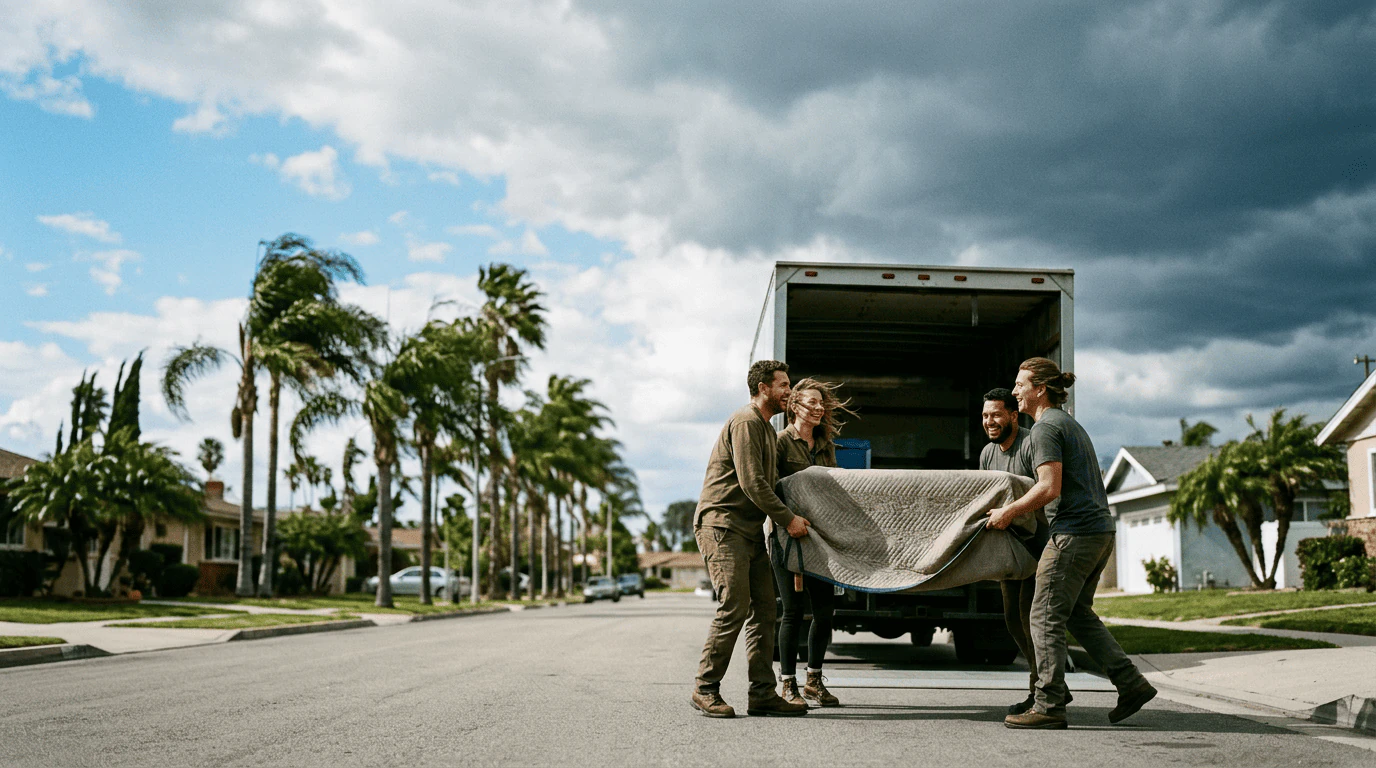
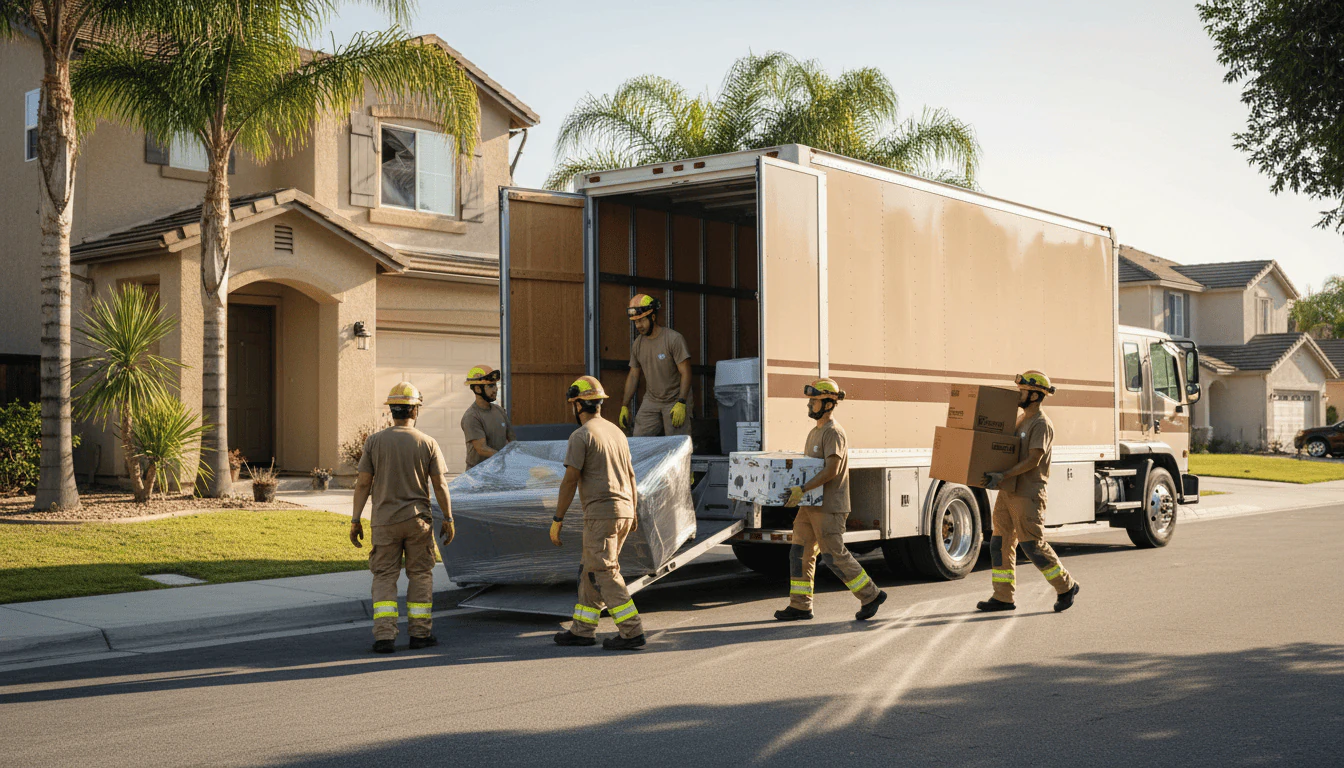
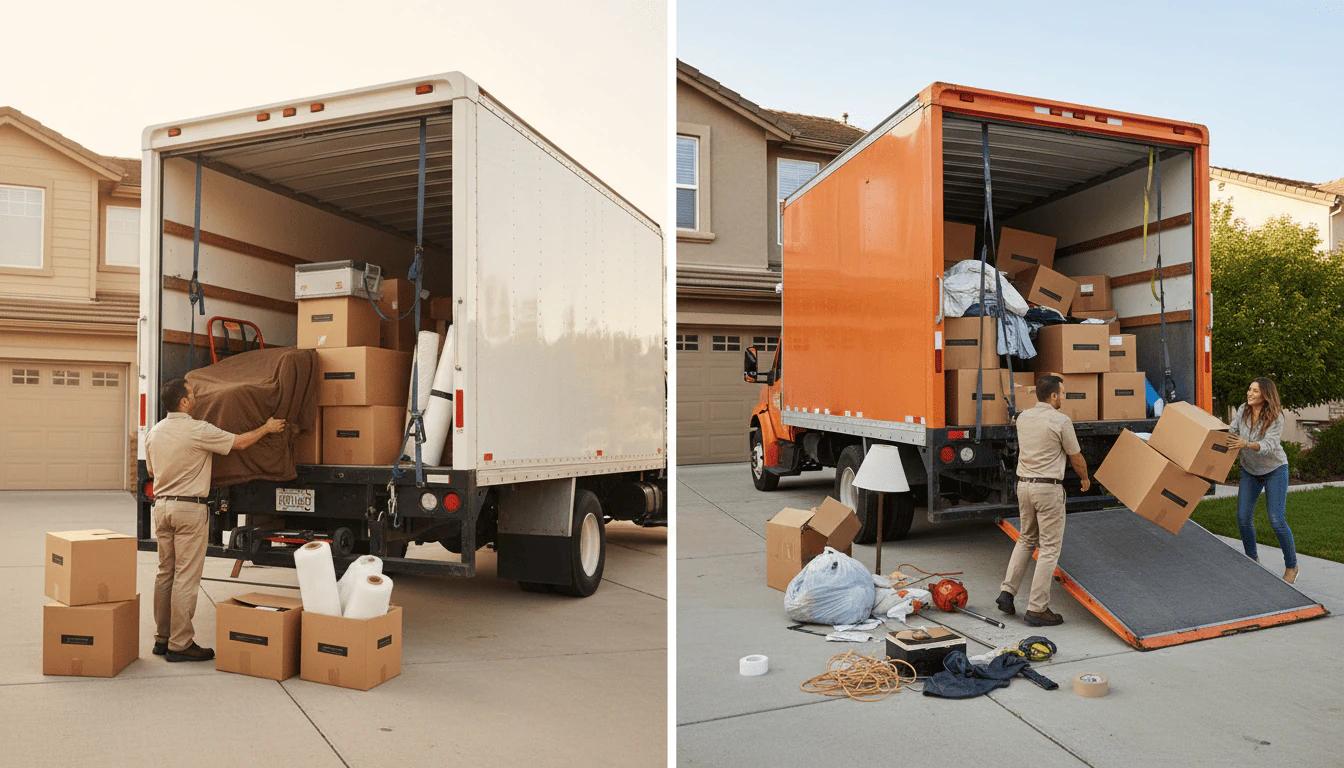
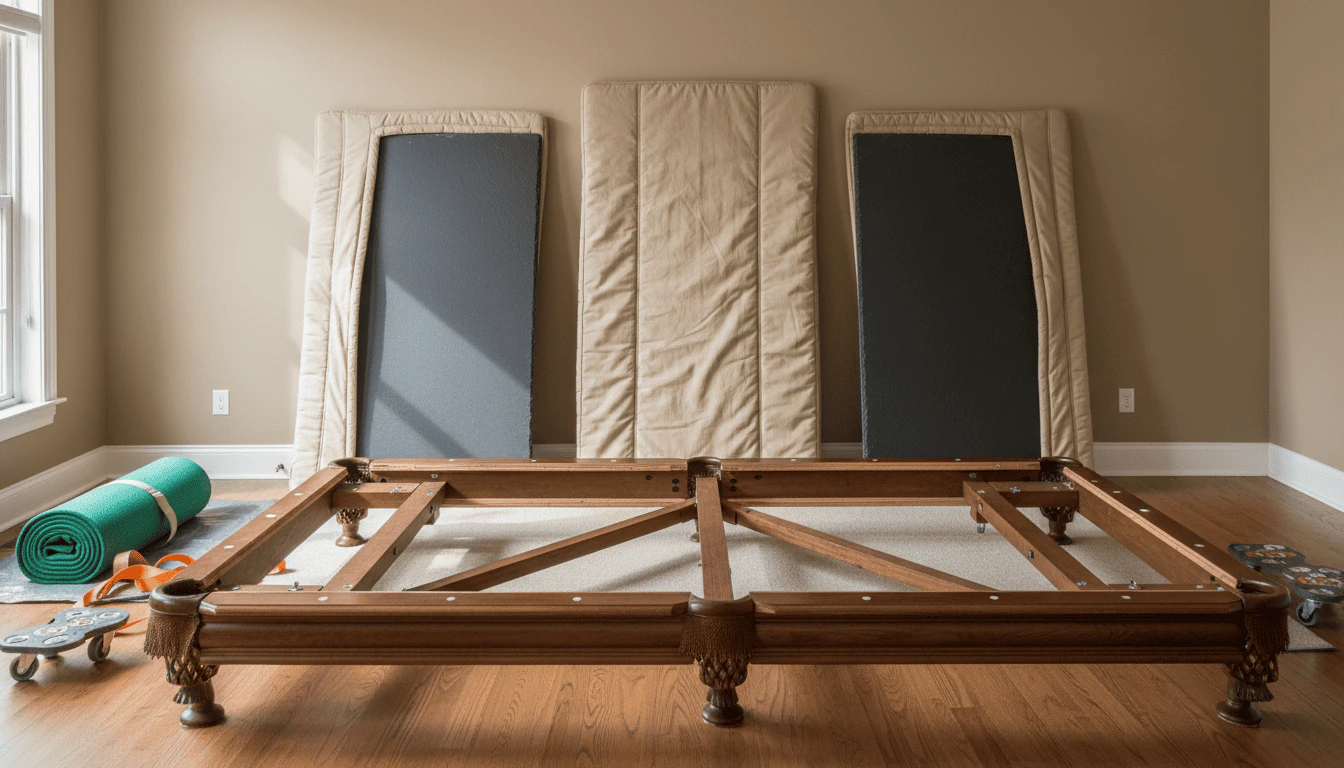
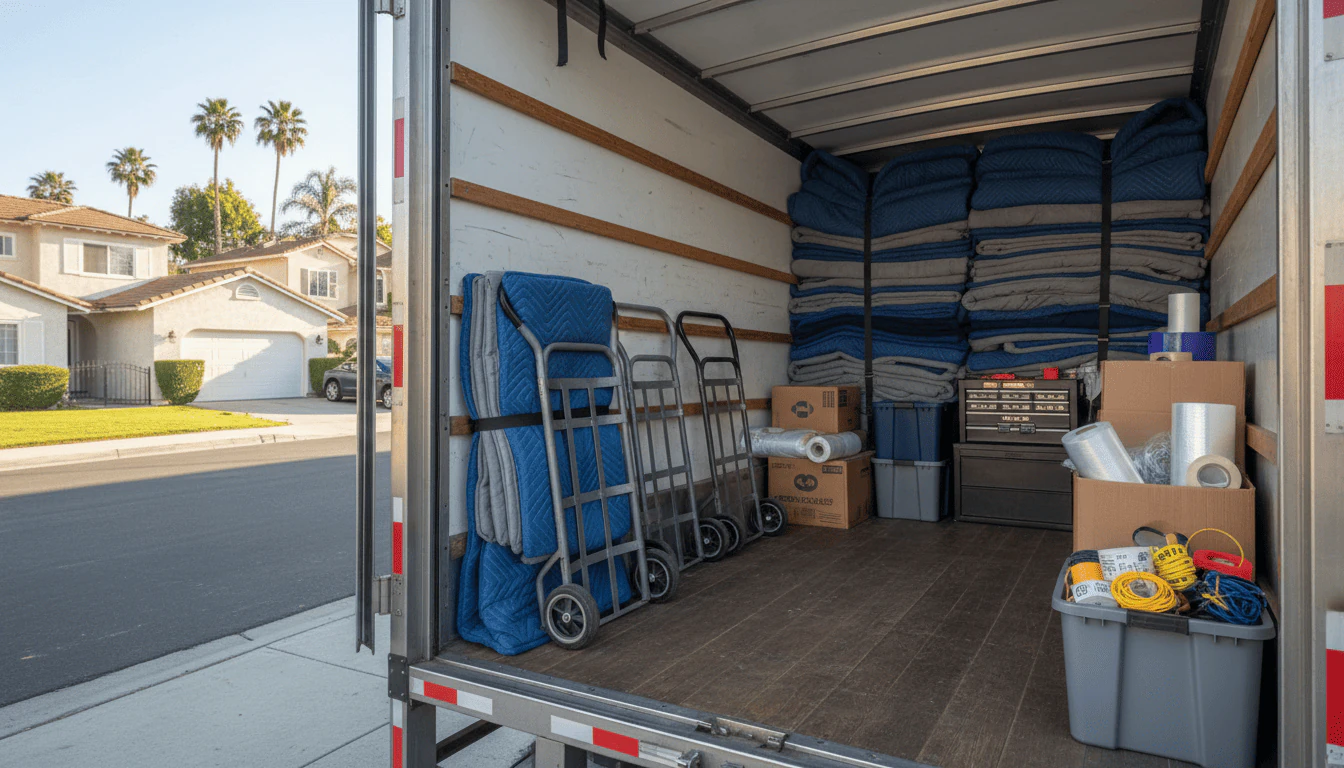
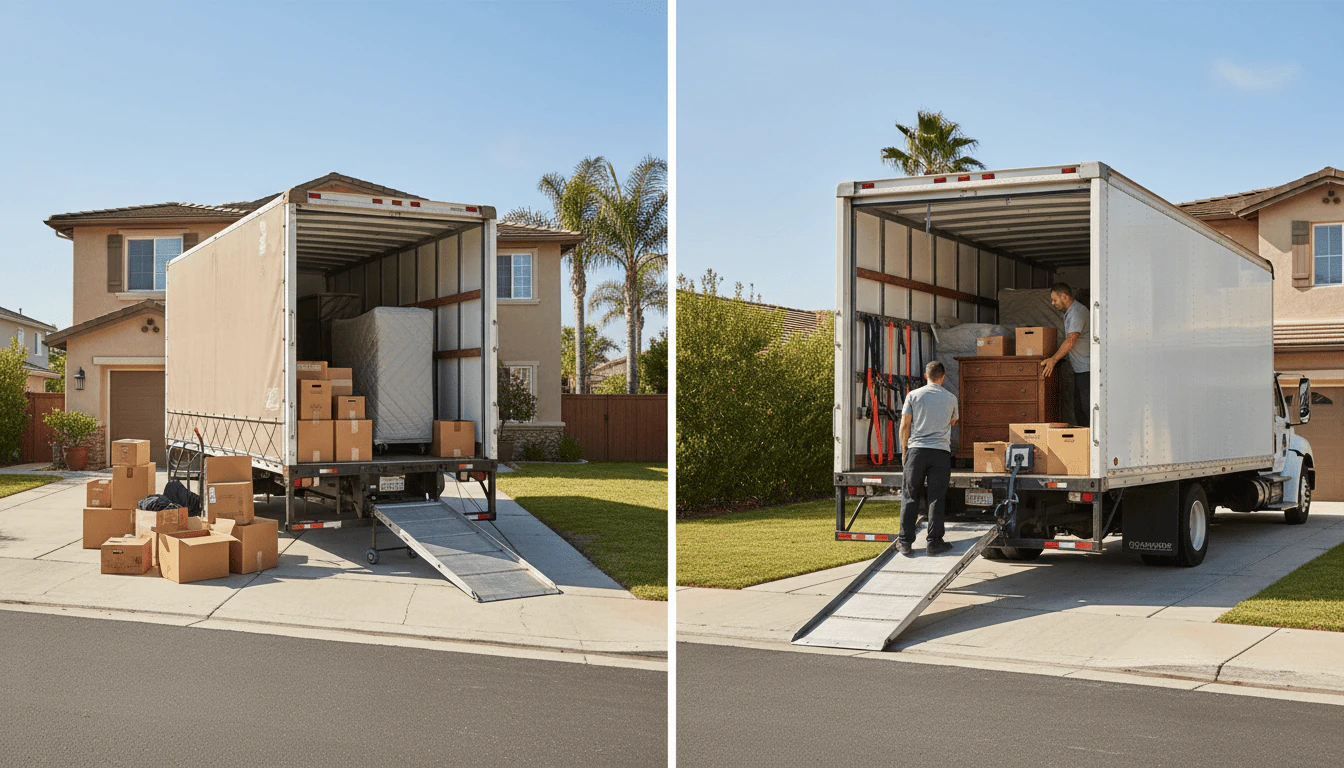
Packing comes next, done by you or by our crew. Then loading day: furniture is taken apart, wrapped piece by piece, and stacked so it stays stable on a long drive. Heavy items sit low, fragile cartons ride on top, and the inventory is checked as each piece goes in.
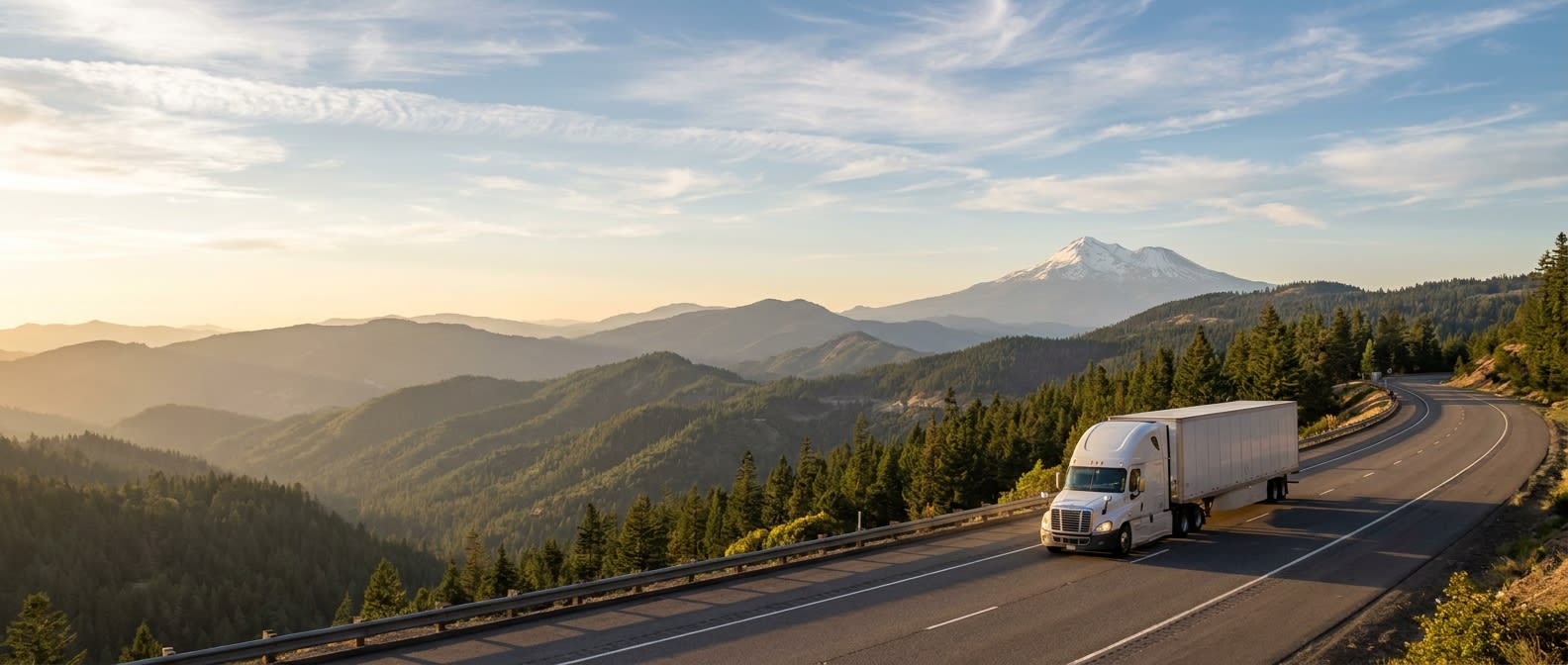
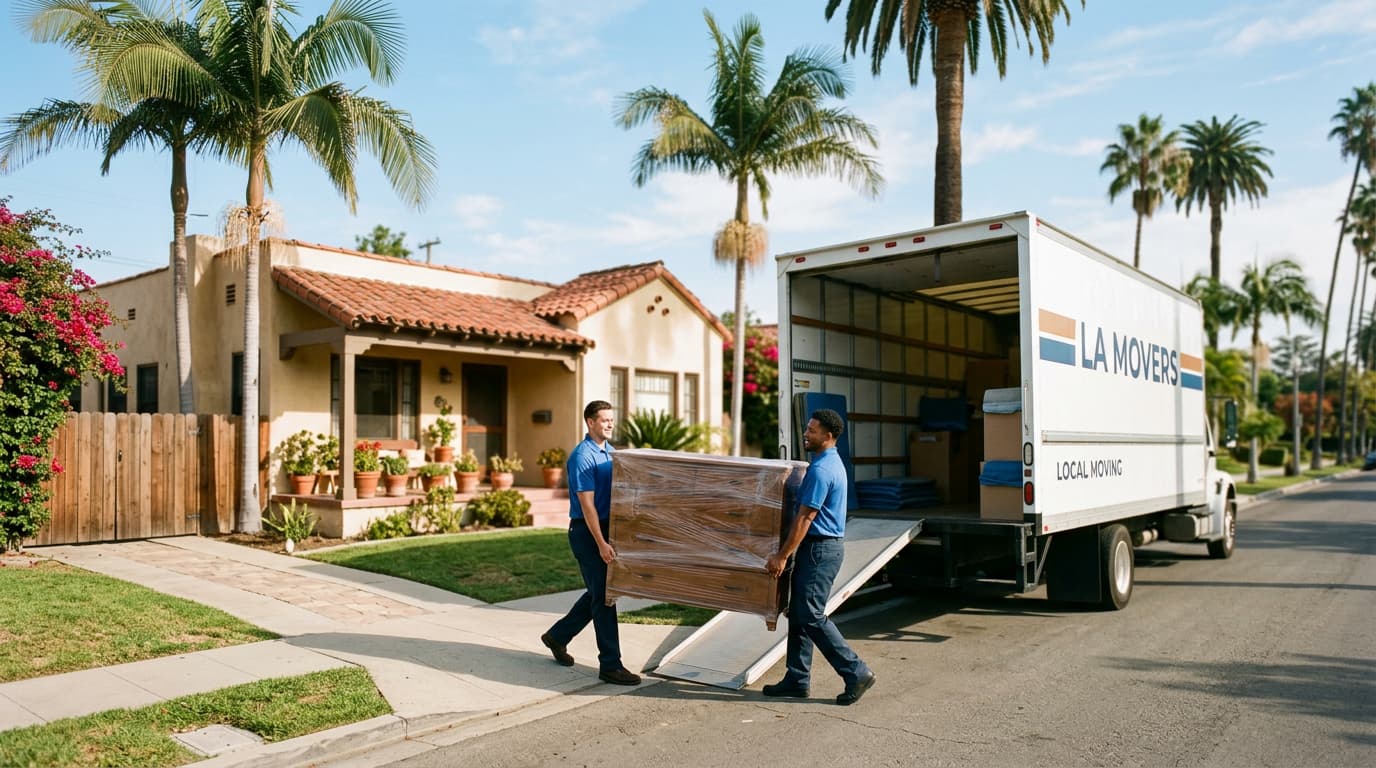
On the road the truck carries only your household, which keeps the load exactly as it was packed. Unloading mirrors loading: pieces go into the rooms you name, beds and tables are rebuilt, and you check the list before signing.
Two days need a plan of their own. The day before loading, clear out the fridge, since perishables cannot ride on the truck, and set aside anything hazardous, such as propane, gasoline or paint thinner, for local disposal. On delivery day someone has to be at the new address to open the door and check the inventory; we call before the truck arrives so that person is there in time.
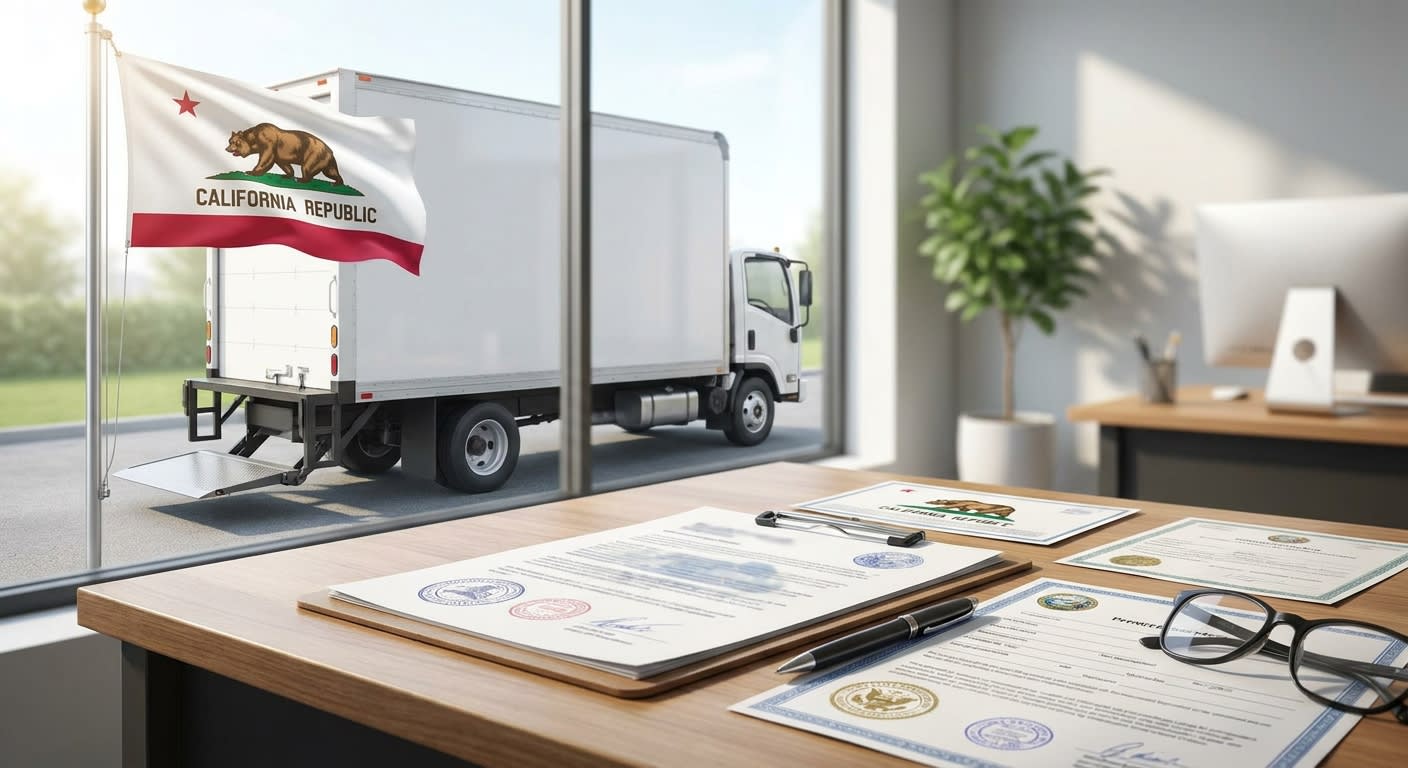
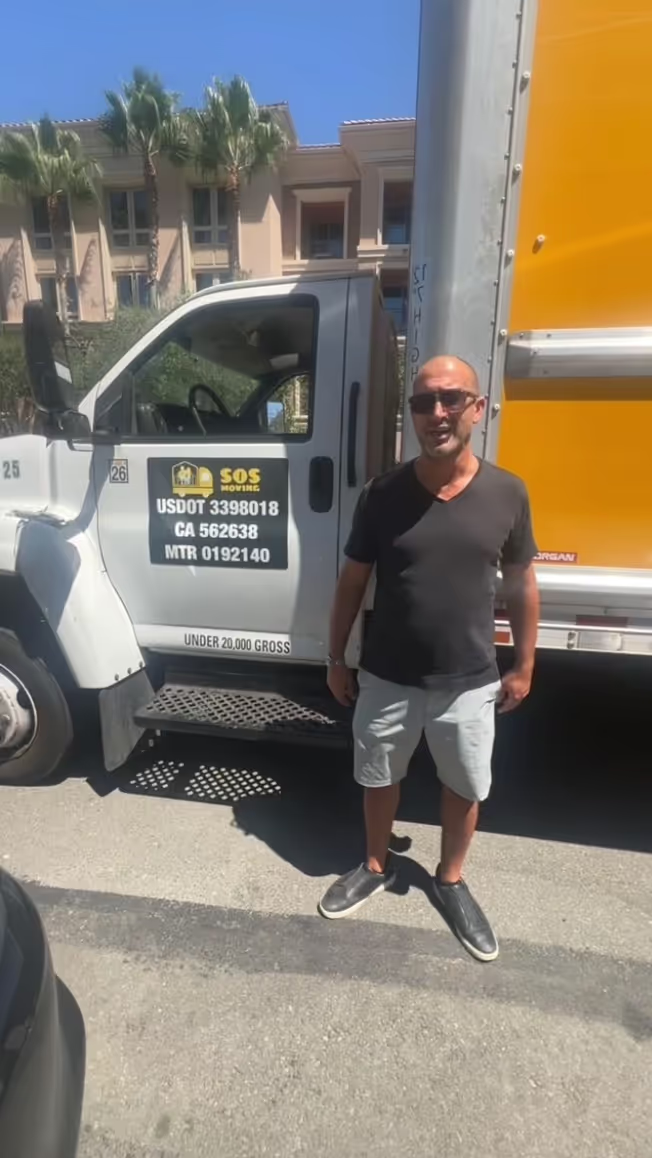
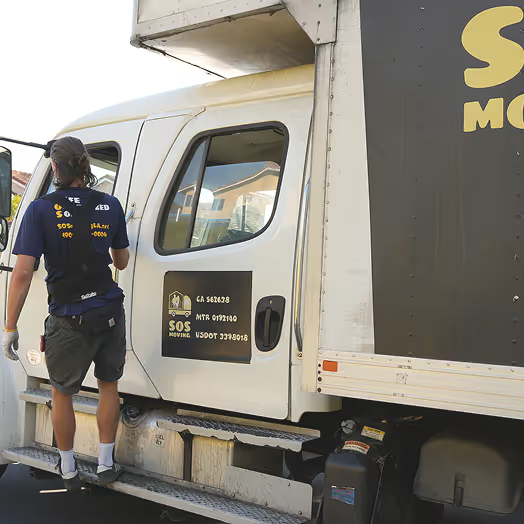
Any company hauling a household across state lines needs federal registration. Our USDOT number, 3398018, identifies SOS Moving with the Federal Motor Carrier Safety Administration. Our MC number, 1153871, is the operating authority to carry household goods between states for hire. Inside California we also hold CAL-T0192140.
Which registration applies depends on where the truck ends up. A long move that stays inside California runs under the state permit; once the destination is across the state line, the federal USDOT and MC registration is what counts. A move from Burbank up to Sacramento and one over to Phoenix therefore sit under different rules, and the paperwork you sign reflects that.
These numbers are public, and that is the point. Before signing with any of the long-distance moving companies in Burbank, look up the numbers they give you and make sure the name on the federal record matches the name on your contract. A mover that cannot show both numbers should not be taking your furniture over a state line. For a step-by-step lookup, see how to verify a mover’s USDOT number.
Registration also comes with a baseline of liability. The flat rate includes basic value protection at $0.60 per pound per item, the standard level under federal rules. That is not replacement value, so for heirlooms and electronics check what your homeowner’s or renter’s policy covers while goods are in transit.
Read the inventory list before the truck pulls away and again when it is unloaded. Any question about a particular piece is easiest to settle while the crew is still standing next to it.
Four things set the figure: volume, route, packing and access. Volume comes first, because it decides how much of the truck your household fills and how long loading and unloading take at each end.
Hourly billing makes sense across town, where the crew’s time is the main cost. Over hundreds of miles the truck, the fuel and the days on the road dominate, so a single agreed figure protects you better than a meter that keeps running through traffic and weigh stations.
Everything the price includes, from fuel to wardrobe boxes, is listed on the main page for interstate moves. If the inventory changes after you get a figure, say so before moving day; an updated quote on paper beats a surprise at the truck.
Comparing offers works only on equal terms. When you line up long-distance movers in Burbank, give every company the same inventory and the same dates, then check four things in each quote: whether it is a flat price or an estimate that can grow, whether the truck is dedicated or shared, what happens with stairs and long carries, and which licenses appear on the paperwork. A lower number that leaves out any of those is not really lower.
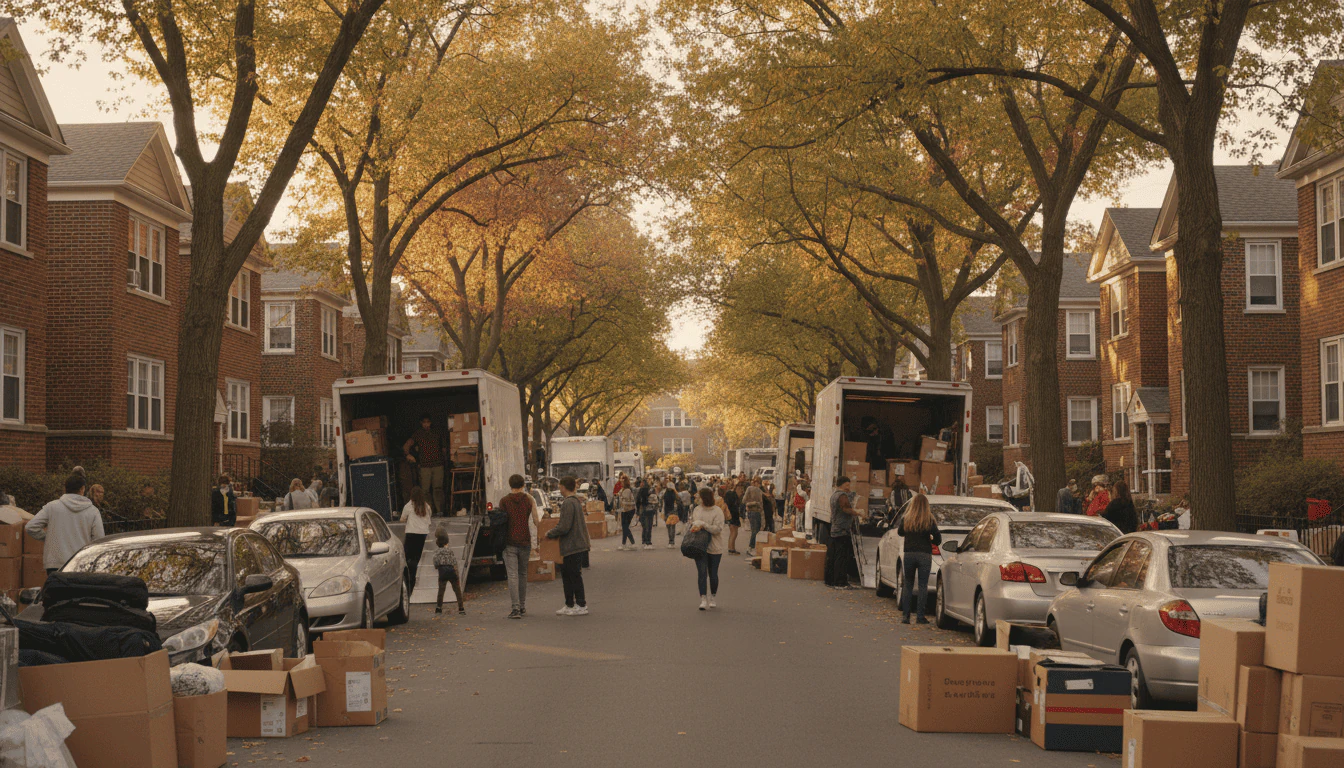
Move-out day in a managed building runs on the building’s clock. Property managers and associations usually want to know who is coming, when, and under what insurance, which in practice means a certificate of insurance, a reserved elevator or loading area, and a fixed time slot.
We issue the certificate for $50 once you send the names the building needs on it. Our working hours are 8AM – 6PM, Monday through Sunday, so any slot the building gives you inside that window works for the crew. Fix the moving date after you have the slot, not before, and ask whether hallway or elevator padding is required so the crew brings it.
Renters in apartment complexes deal with the same routine on a smaller scale; apartment moves in Burbank have their own page with the building side covered in more detail.
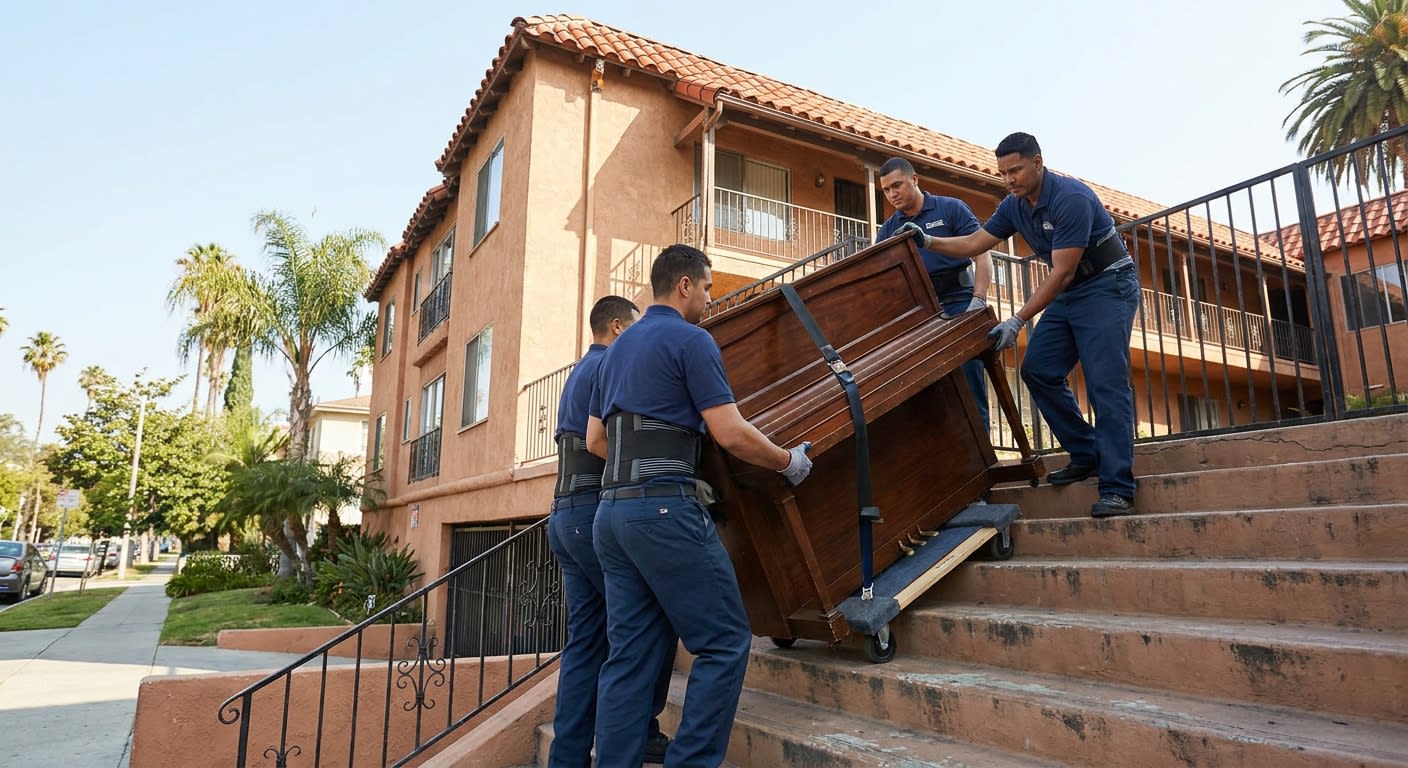
For a house rather than a building, the checklist is shorter: clear the driveway, keep a parking space free in front, and tell us about low branches, steep steps or a narrow side gate before the crew arrives.
Access at the other end matters just as much. Before delivery, find out whether the new building also needs a certificate or an elevator booking, and whether the street in front lets a large truck stop. Send those details with your inventory, and delivery day is planned before the truck leaves Burbank.
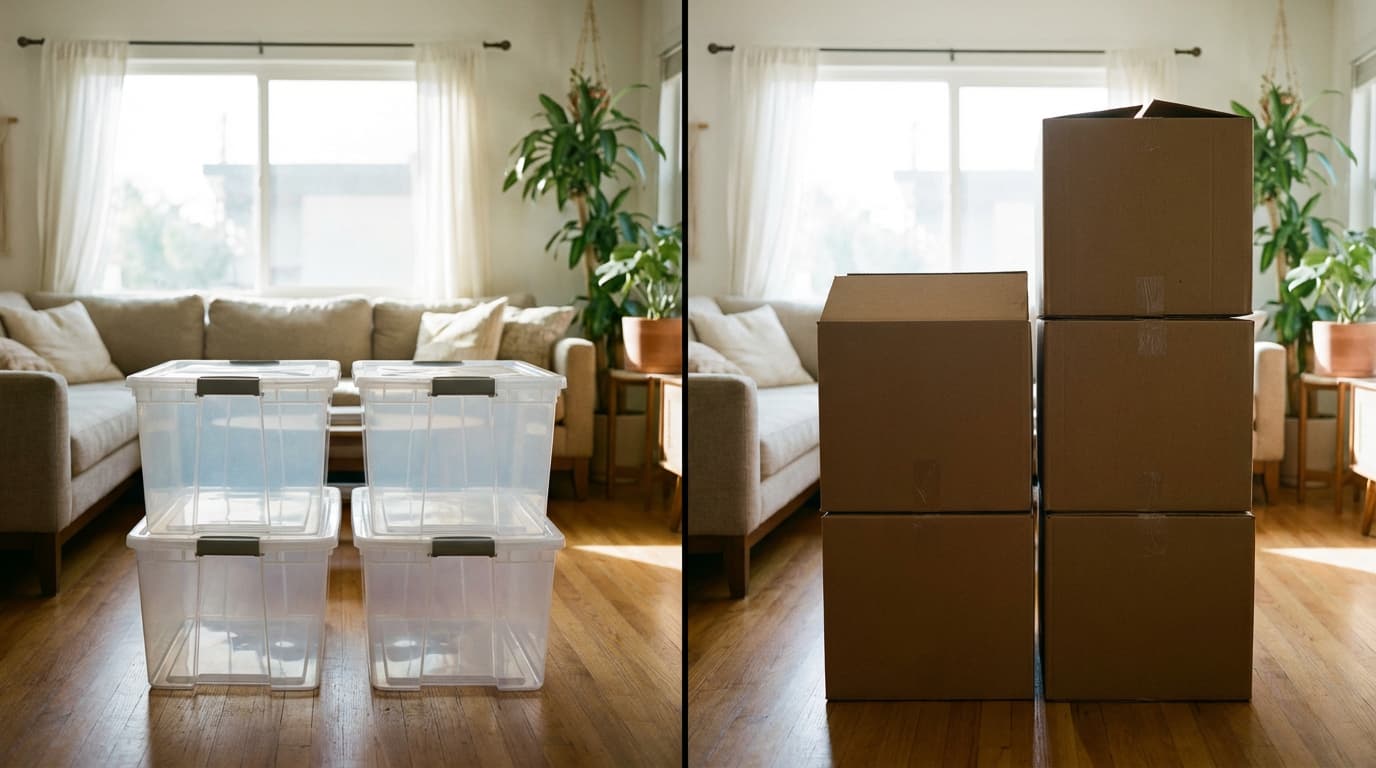
Cartons on an interstate truck sit under other cartons for days and ride through vibration that a crosstown move never produces. That changes how you pack: fill every box so it cannot crush, keep books and tools in small boxes, and mark each one with a room and a short list of contents.
Fragile things need the most care. Plates travel on edge with padding between them, lamps lose their shades and bulbs, and framed art and mirrors get their own wrapping. Anything you cannot replace, such as documents, jewelry, medication or hard drives, should ride with you rather than in the truck.
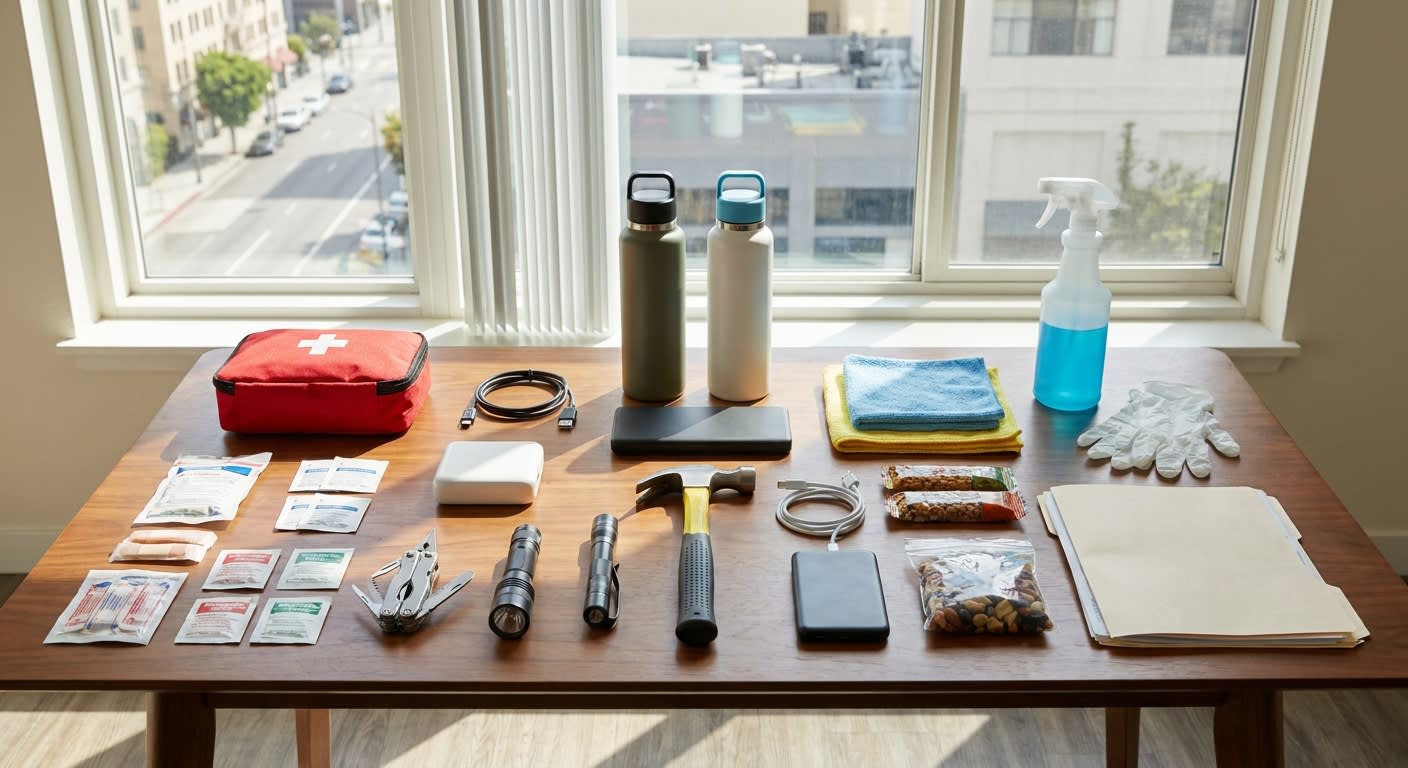
Pack one open-first box per person and one for the kitchen, and ask the crew to load them last so they come off first. Each should hold:
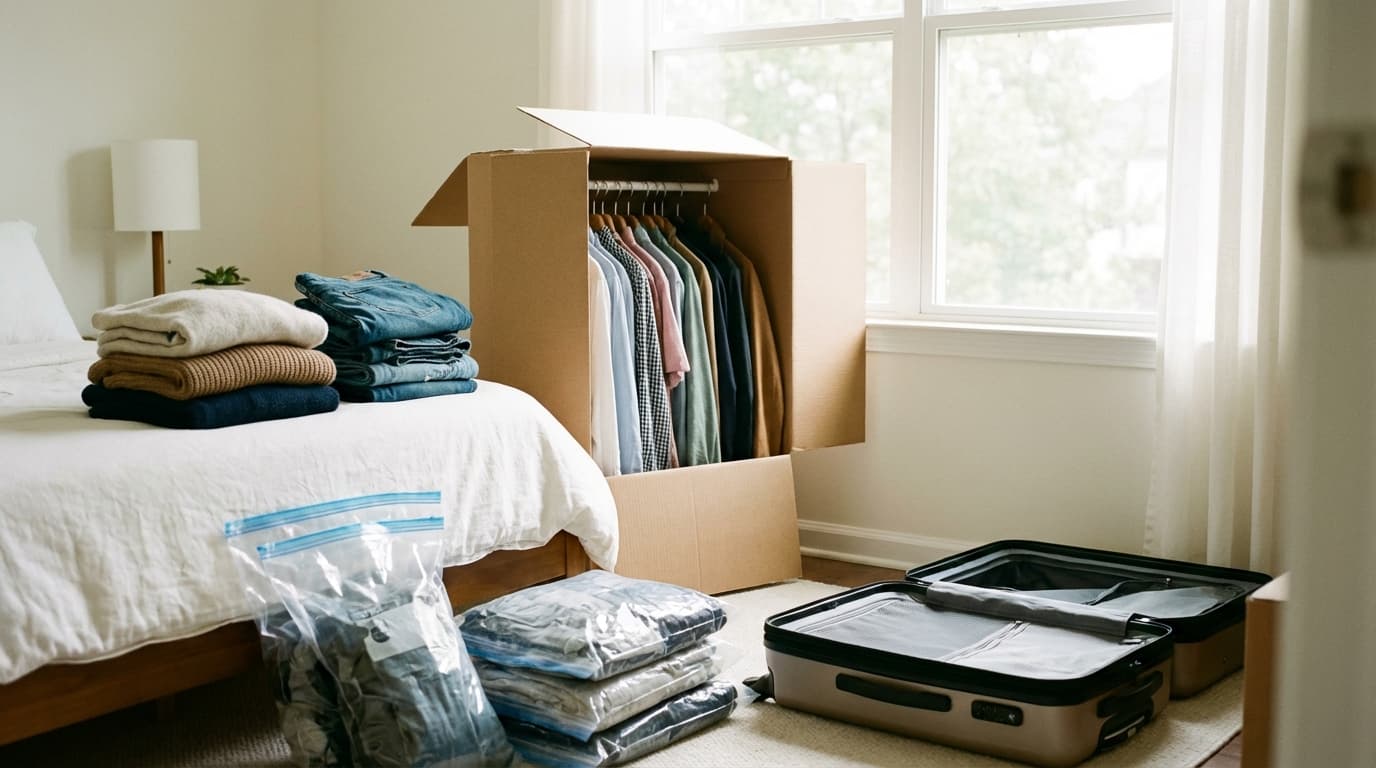
If you would rather hand it off, packing help in Burbank can be booked ahead of loading day, so the crew arrives to a house that is already boxed. Furniture wrapping, tape and loaner wardrobe boxes stay part of the long-distance price either way.
Closings slip and leases start late. If your household leaves before you can move in, in-transit storage bridges the gap: the load goes into climate-controlled storage instead of straight to the new address, then comes out on the date you give us.
Temperature and humidity are held steady all year, which matters for wood furniture, leather and paper. If your date moves again, the storage term can be extended without penalties. How the three storage options differ is explained on our storage page.
Plan the gap early. Tell us the earliest and the latest date the new place could be ready, and we will build the quote around both, so a late closing becomes a scheduling detail instead of an emergency.
To start, call 909-443-0004 with your inventory and destination, or use the quote form at the top of this page.