


%201.svg)





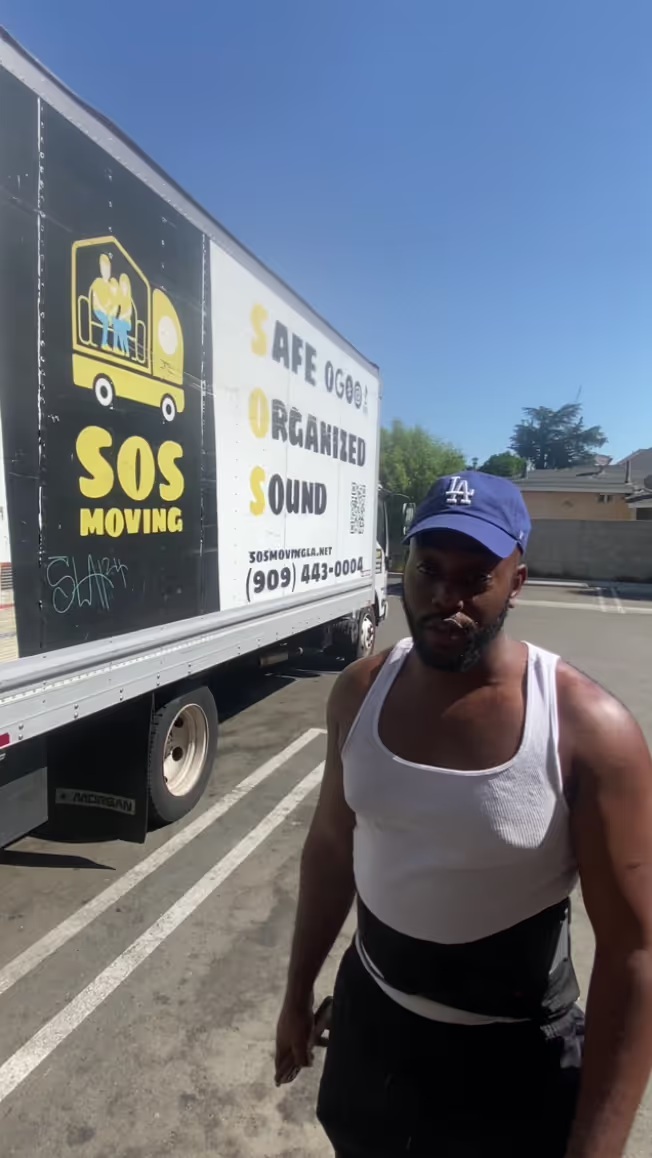



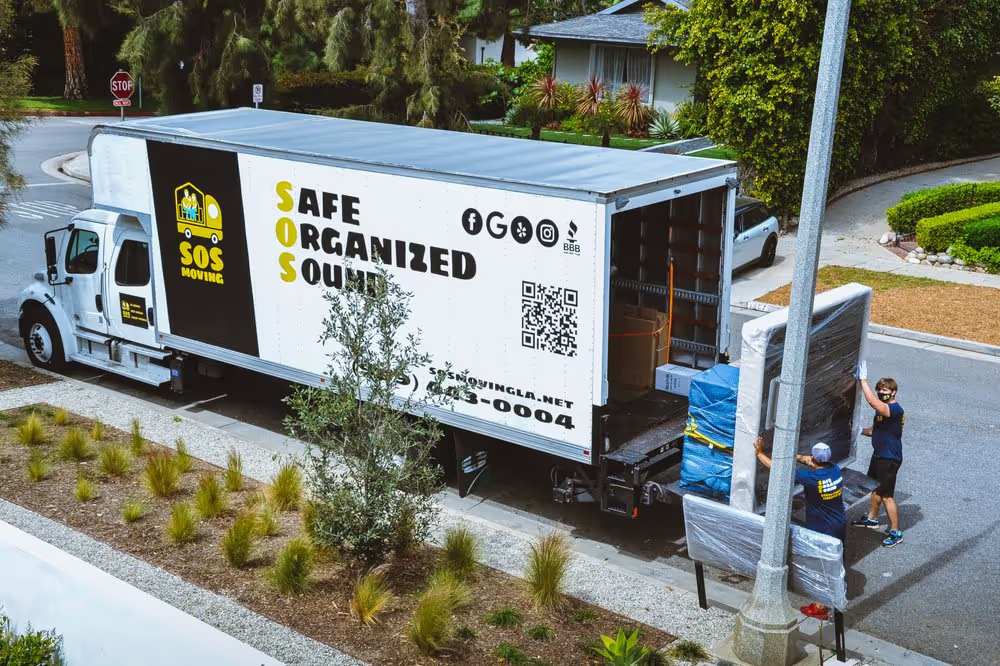
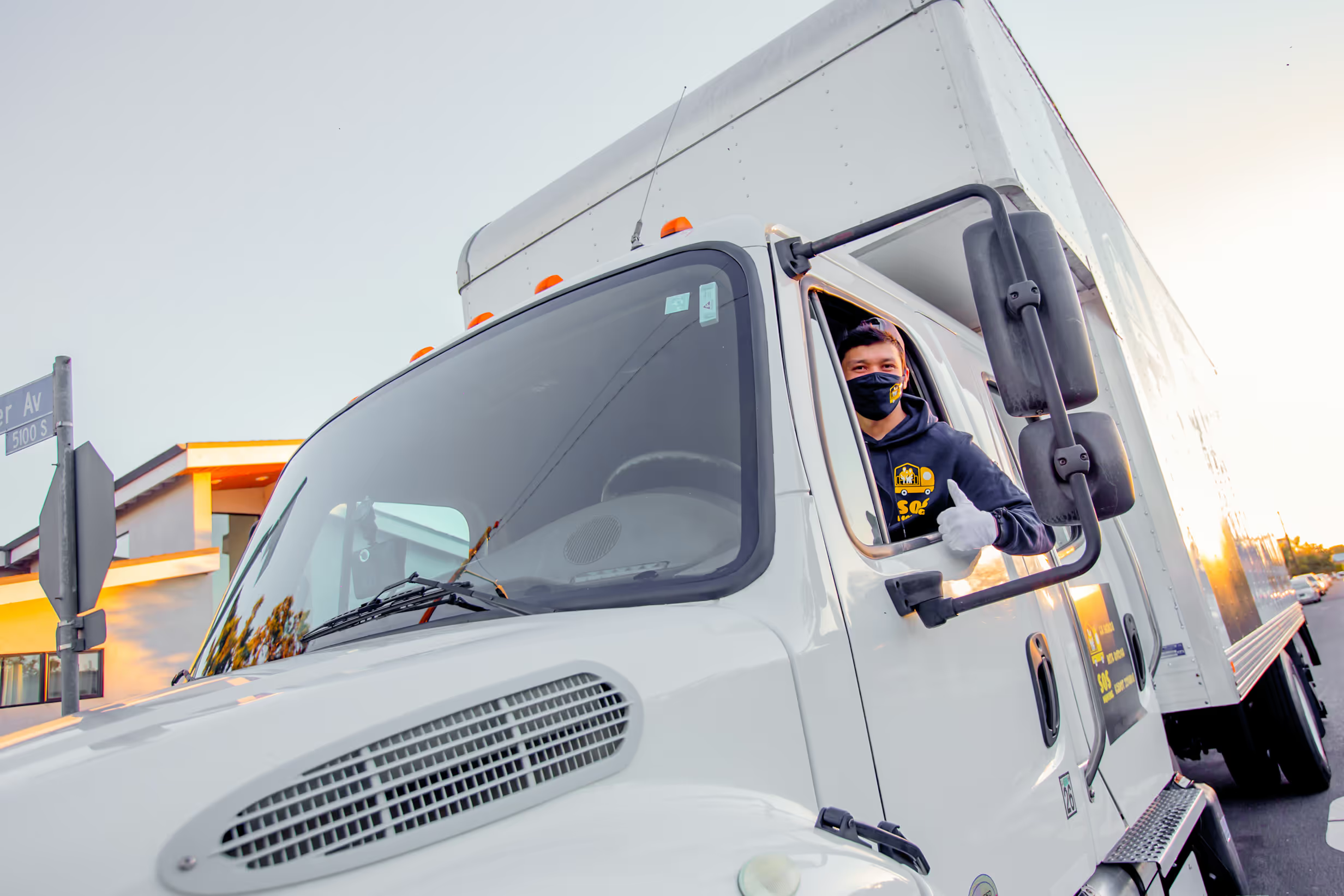

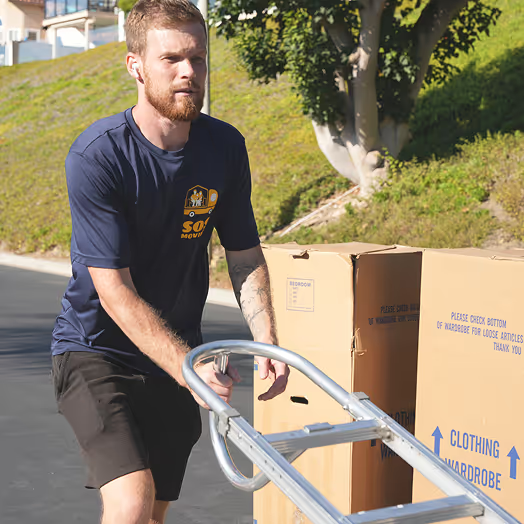
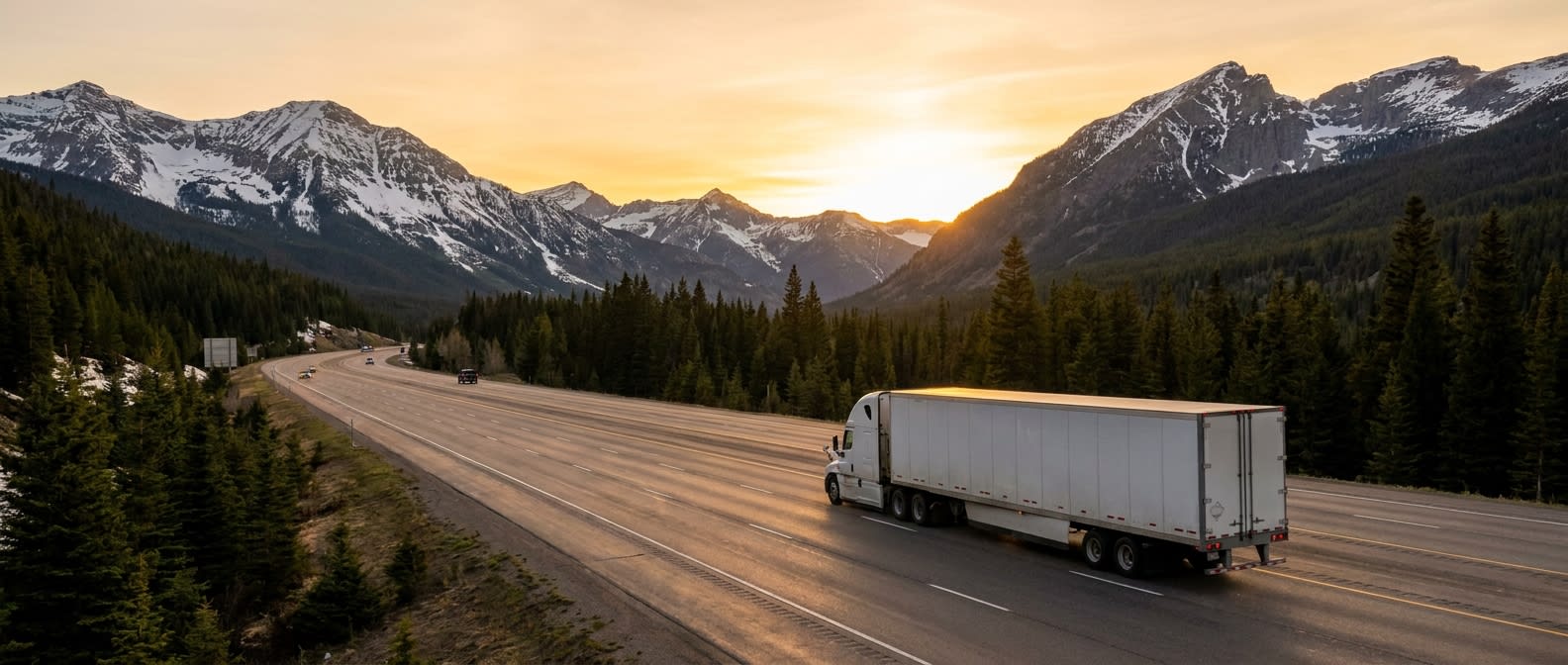
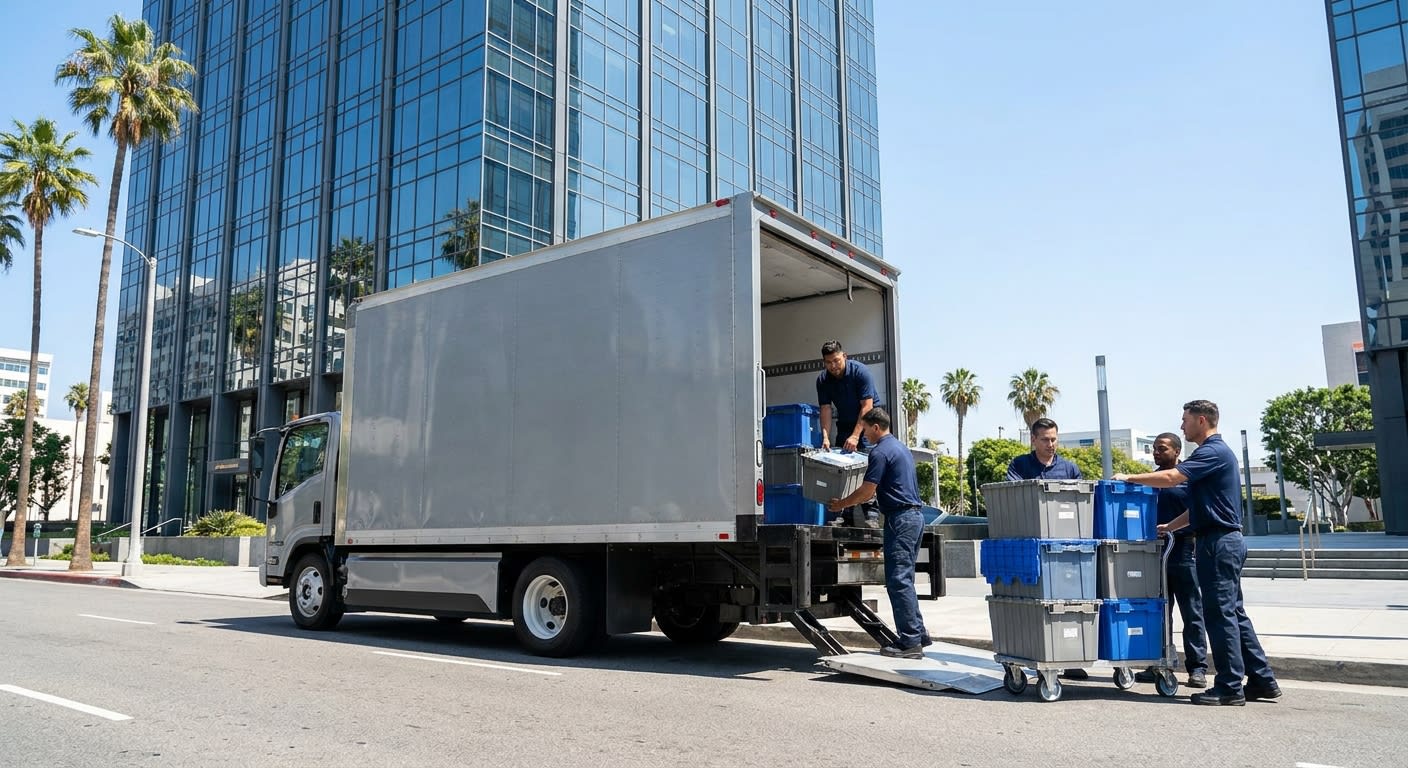
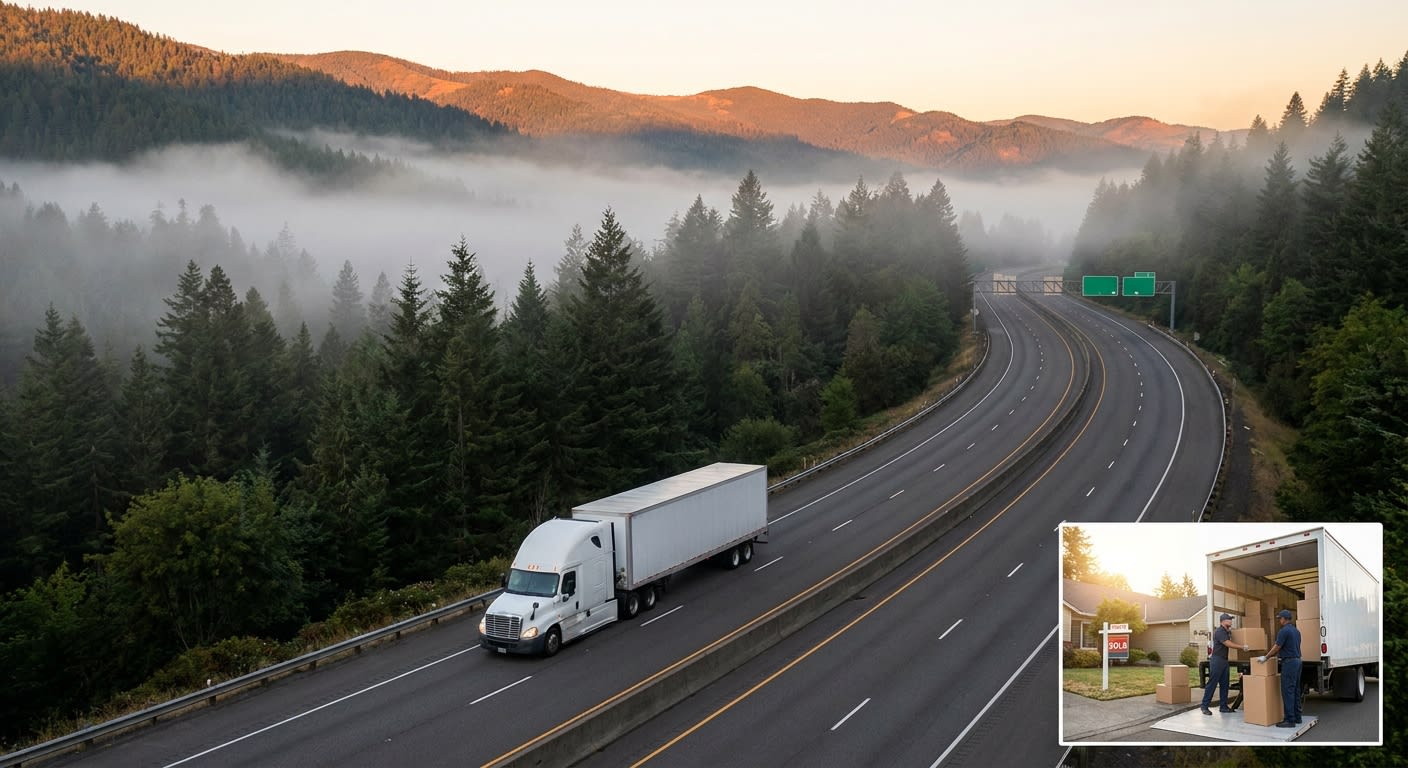
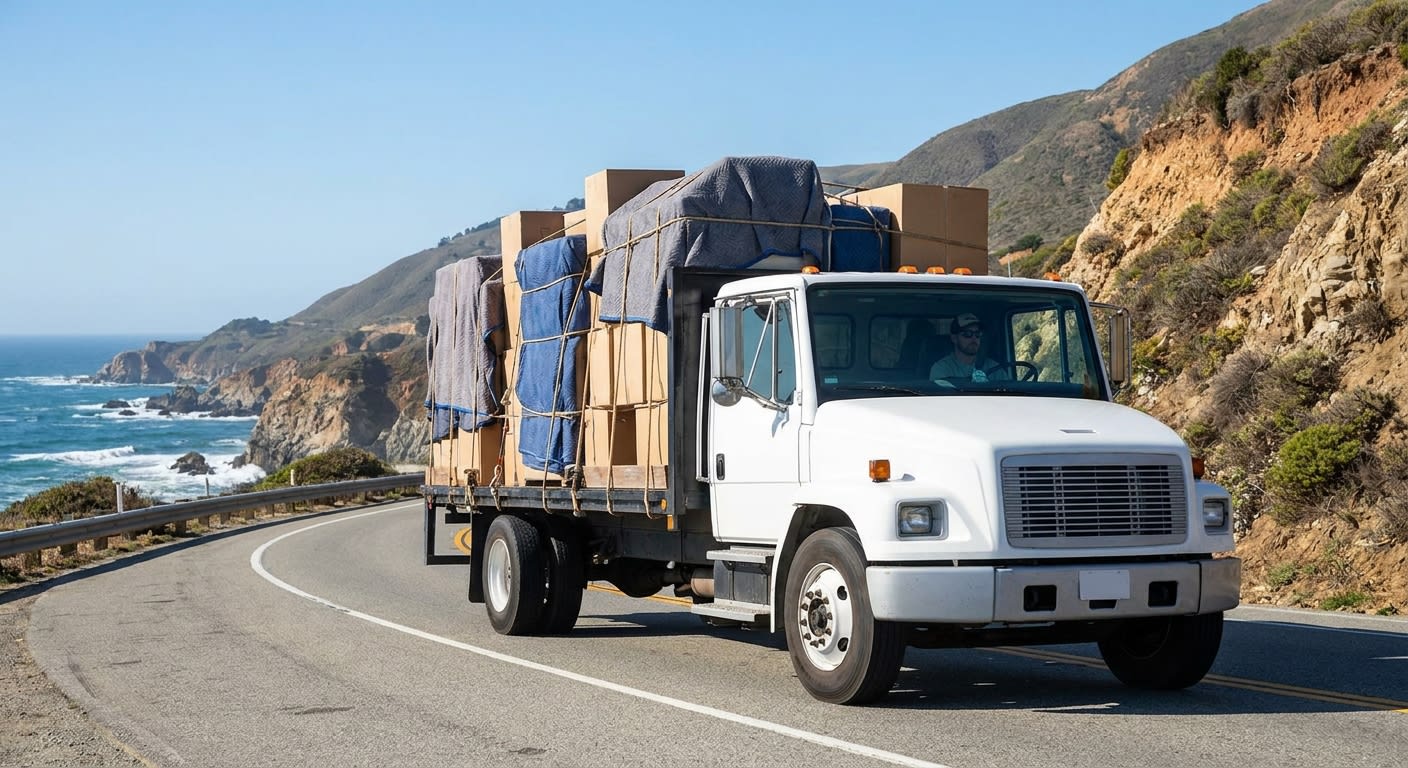
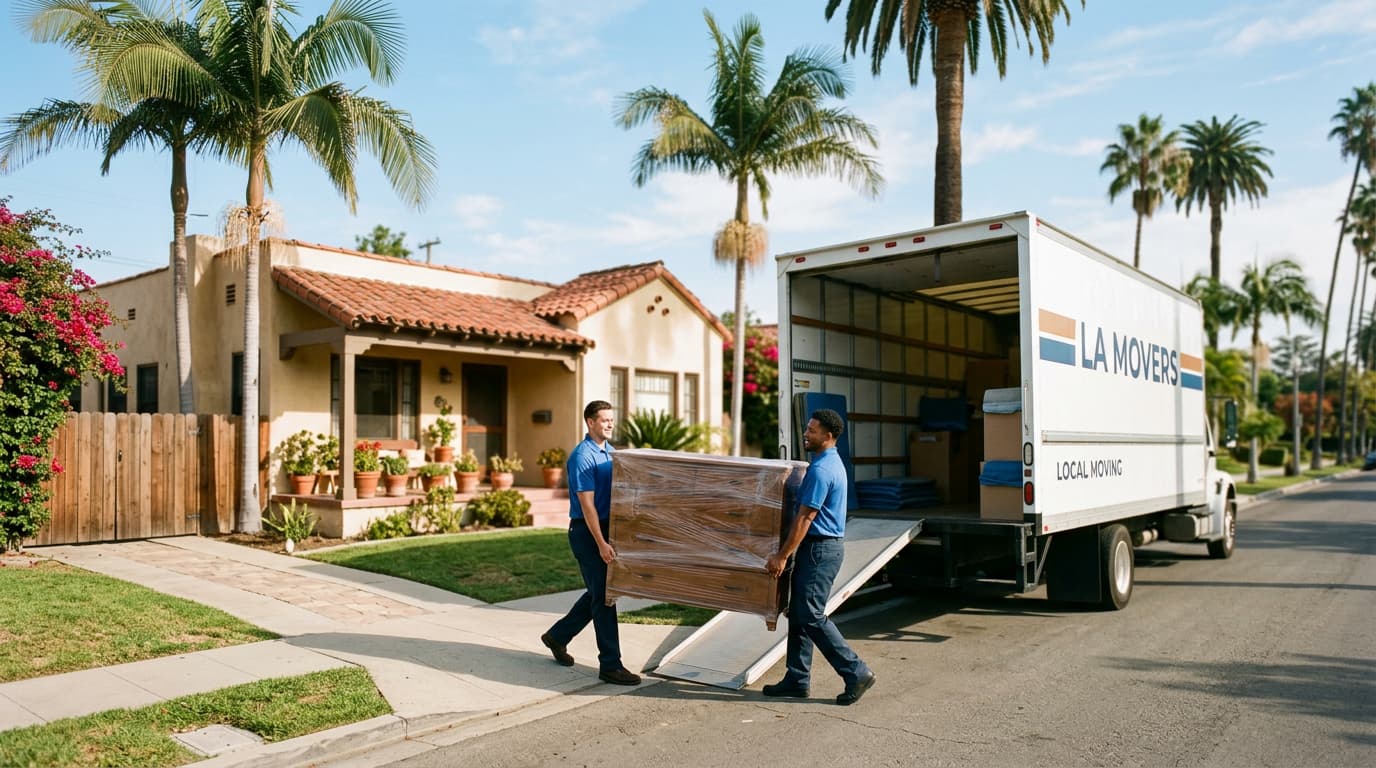
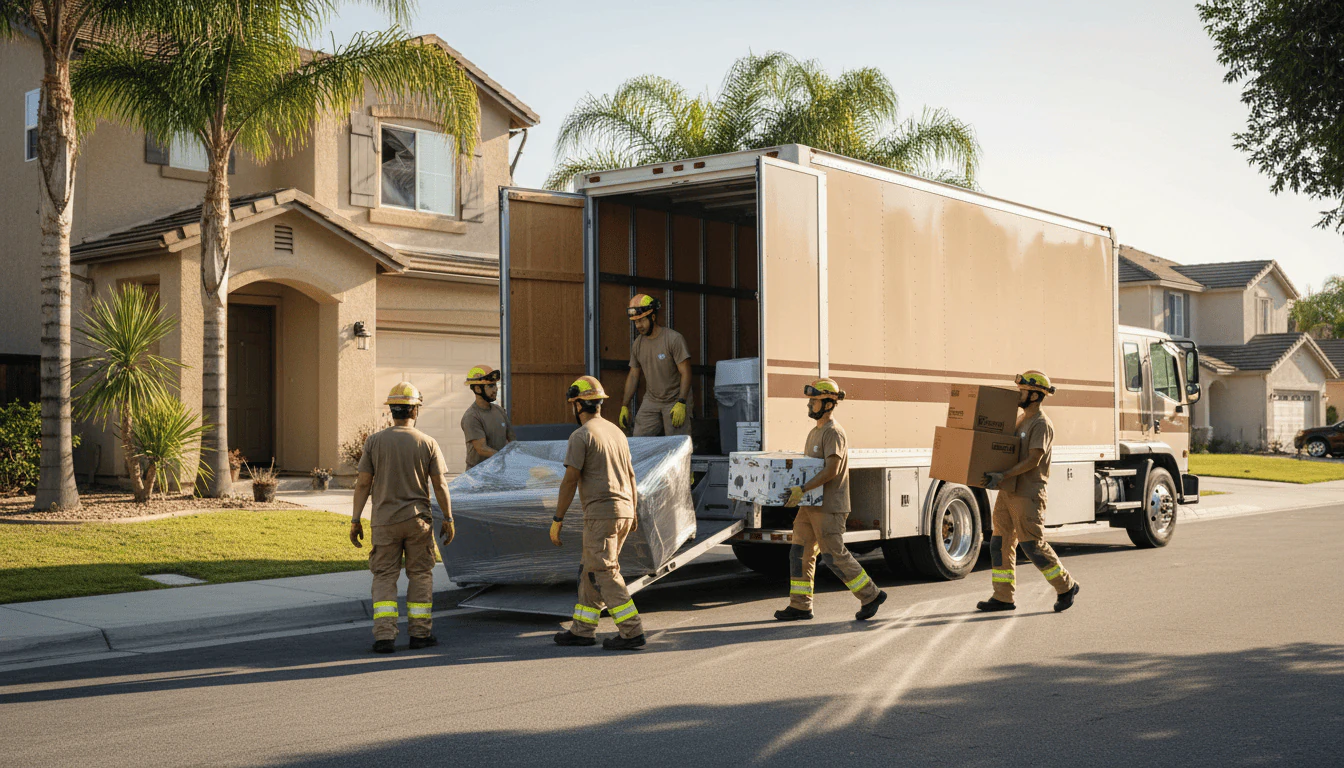
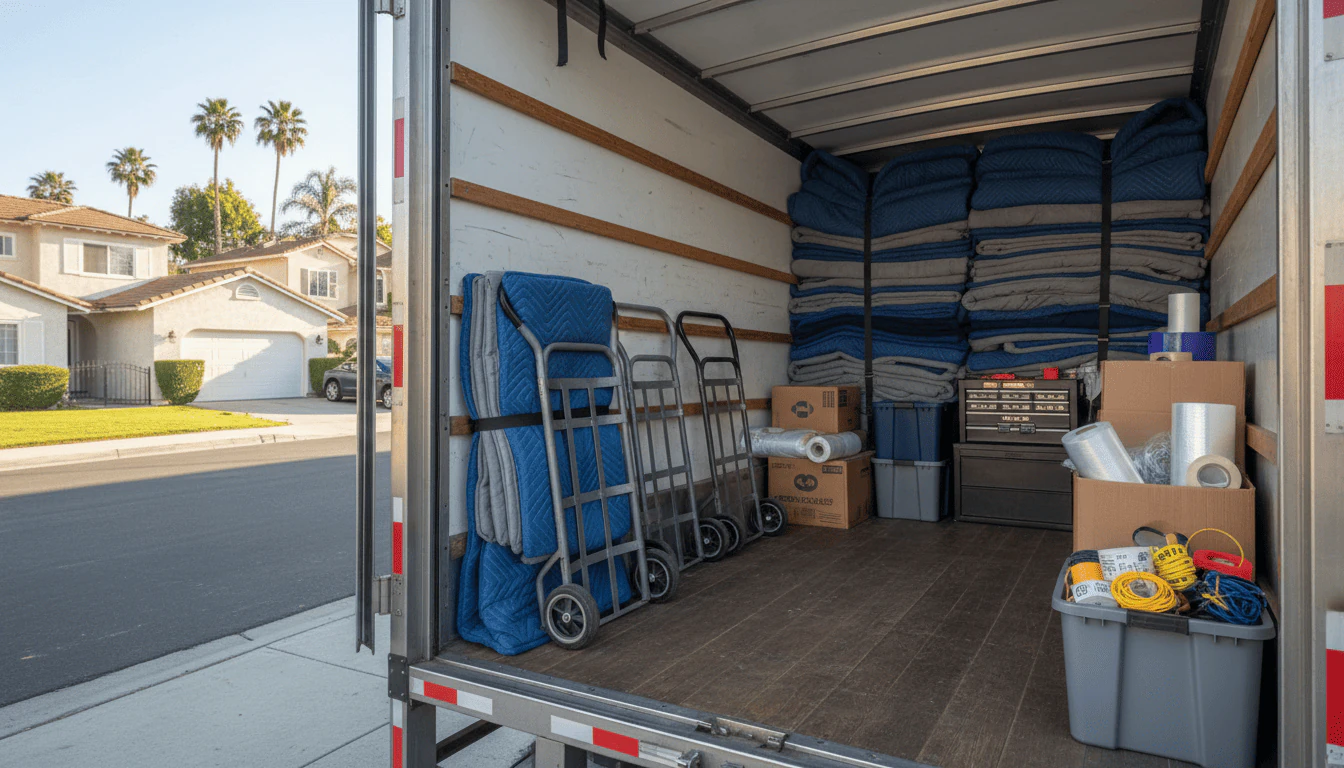
Everything that goes on board is wrapped by the same people who carry it out, and that truck is the only one your belongings ride in. Nothing is transferred to a second vehicle or handed to another carrier along the way.
Interstate for us means crossing a state line, or a California run past 150 miles. Transit runs from a few days and depends on the route, so you get a written delivery window and a call before the truck arrives.









Hourly rates belong to our local crews. A move that crosses a state line is quoted as a flat rate instead, built from the inventory, the route and the access at both ends, and a $50 deposit holds the date and comes off the final bill.
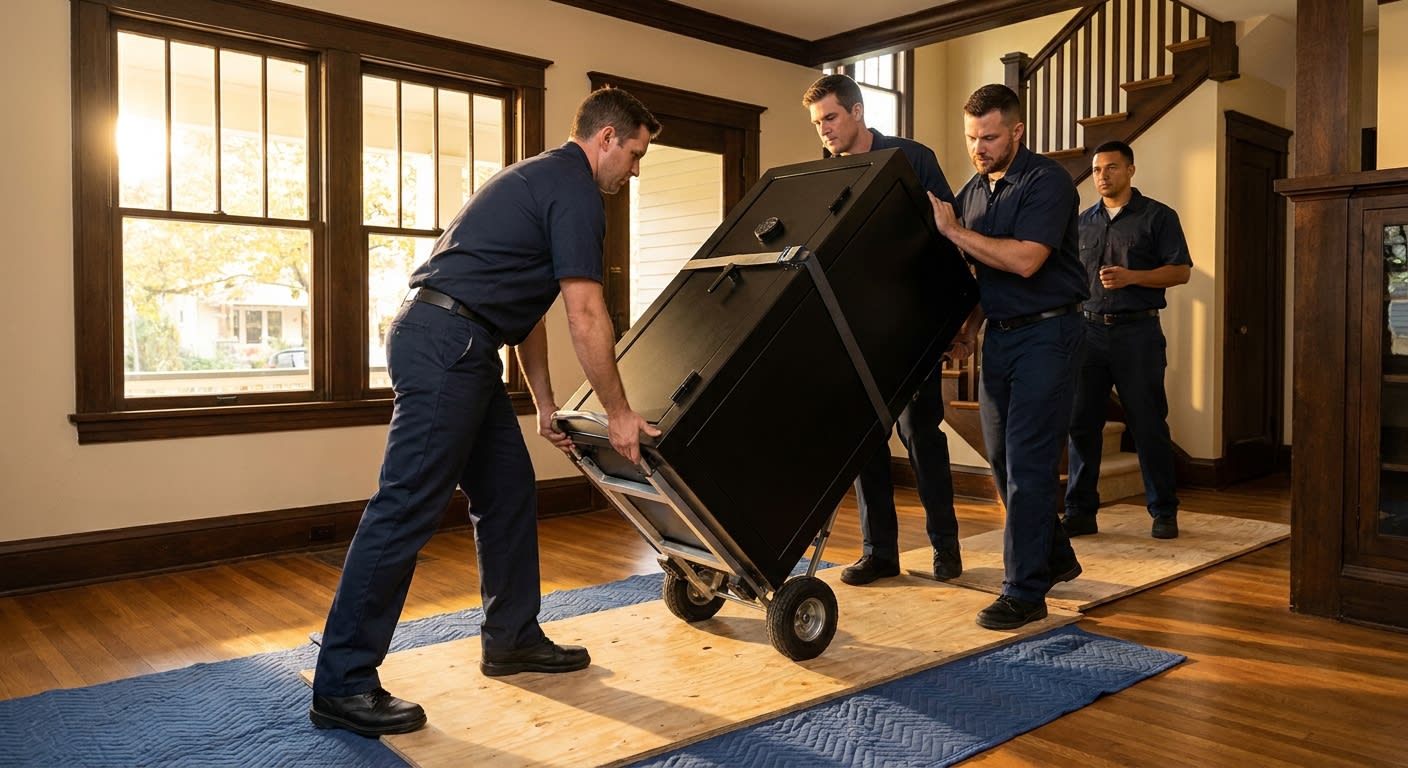
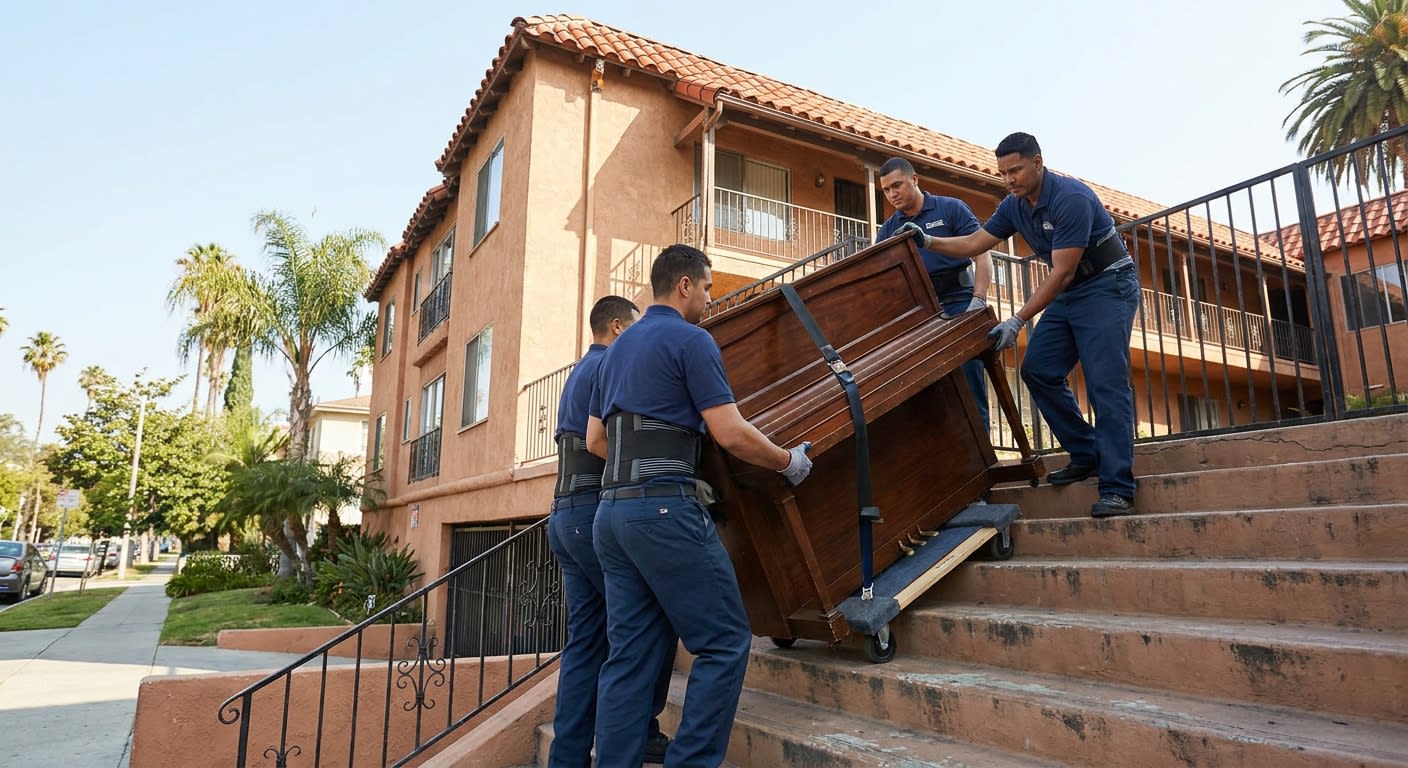
Beyond that rate there are only named line items, all of them agreed before anything is loaded. A certificate of insurance for a building that demands one is $50. A piano is $200 and travels with a four-mover crew, and any single item over 300 lbs is $150 with a three-mover crew.
Two more appear only when the job asks for them: a second truck at $200, and $200 for a night in the truck when the new address cannot take the load on the day it arrives. Nothing on this list is charged unless it is written into the estimate first.







Four things shape a departure here far more than the mileage on the estimate:
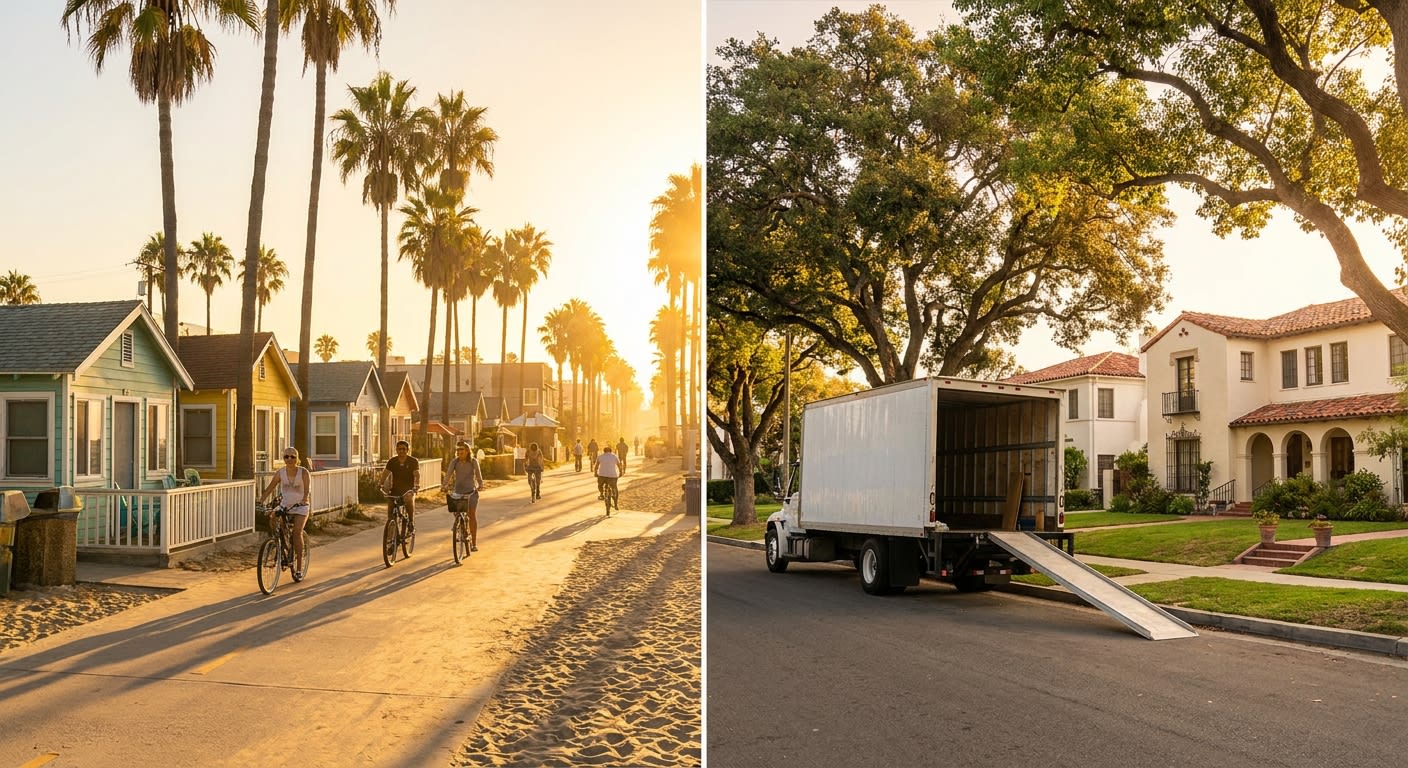
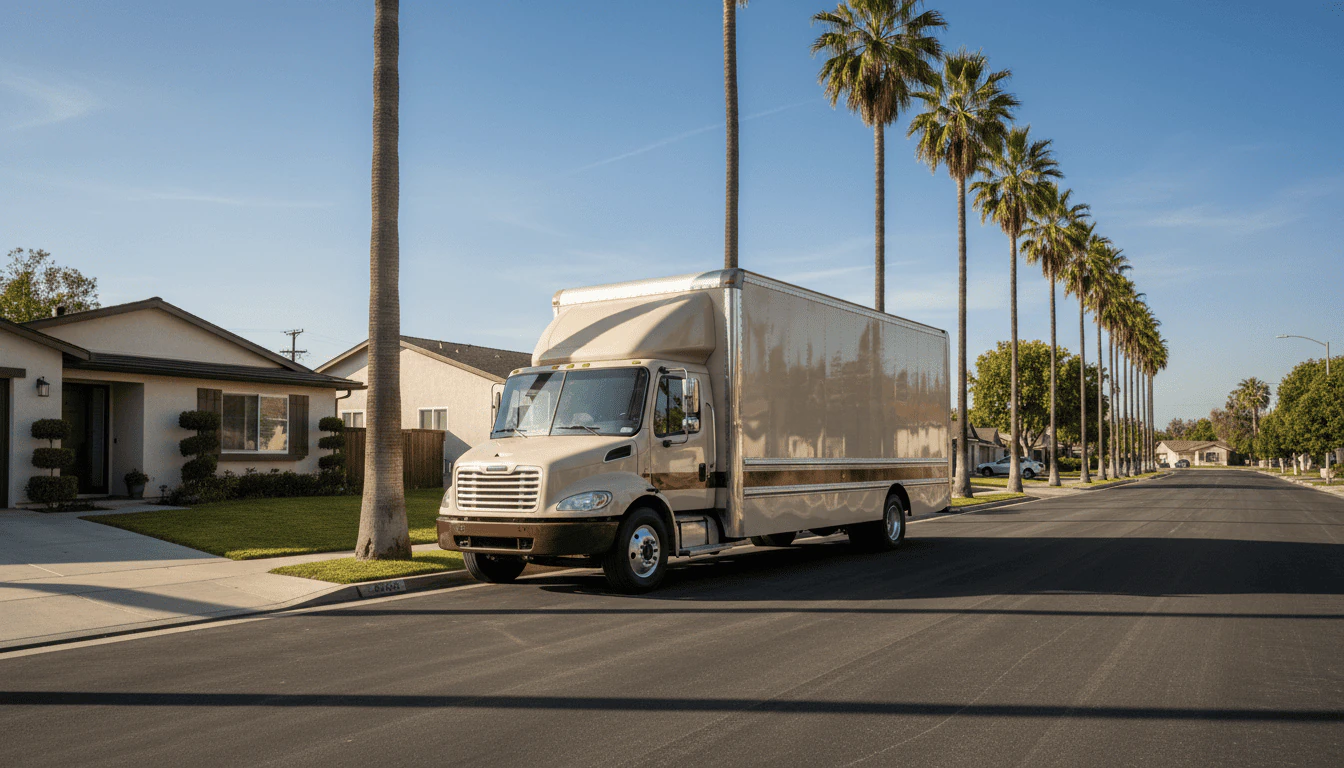
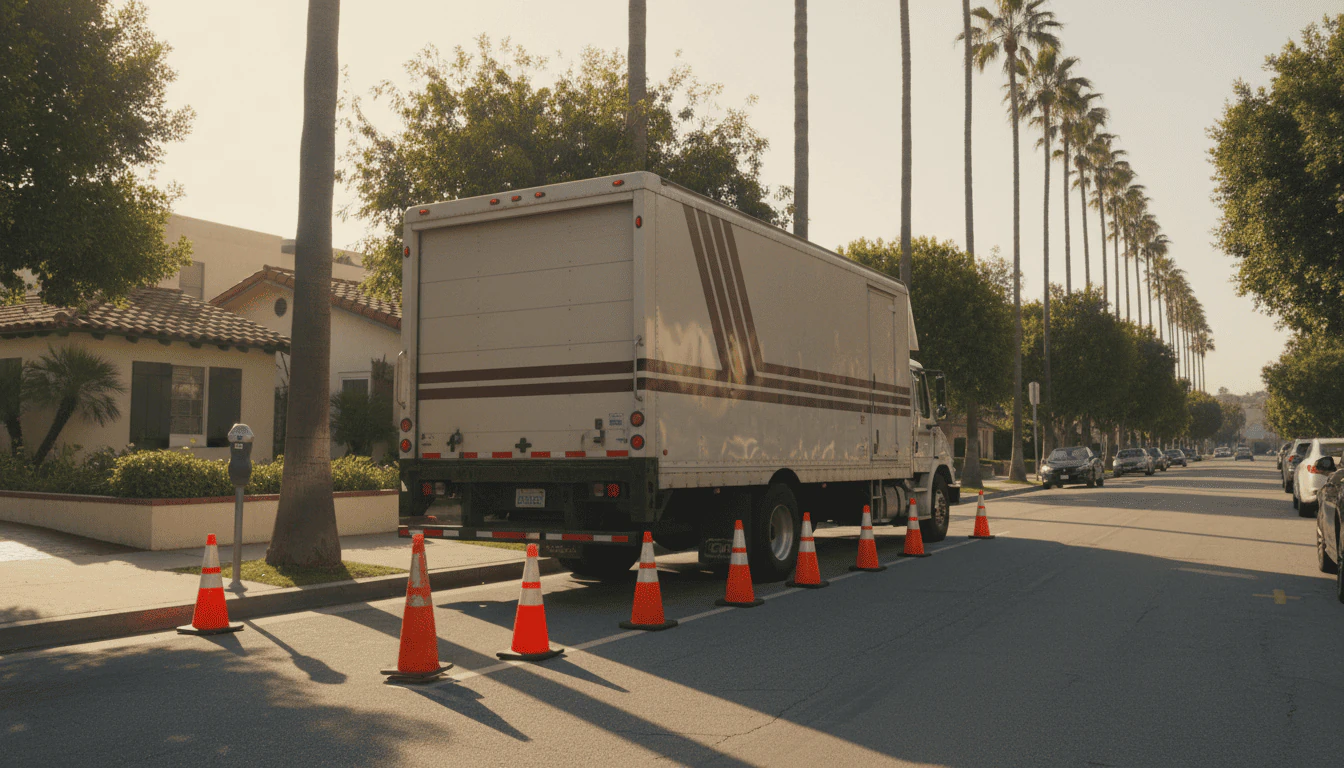
Garden Grove does not let an oversized vehicle stand on a public street without a city permit. The line falls at 22 feet of length or 80 inches of width, and any RV or trailer counts as oversized whether attached or not. A moving truck clears that line easily.
Permits are free, but a resident pulls them: the city issues one for the resident or for a visitor, against a driver’s license and proof of residency, and each covers a 72-hour window before and after the trip.
A household gets up to 12 non-consecutive loading and unloading permits a year, and only one oversized vehicle may sit in front of a residence at a time. Our dispatcher raises the permit the day you book and plans the load so one truck needs the curb.
Not every address here is a house with its own driveway. City code counts five or more manufactured home sites as a mobile home park, allows them in the R-3 zone at the denser layouts they use, and treats preserving the existing parks as a standing objective.
Bahia Village and Thunderbird Mobile Home Park are two large ones, in the neighborhood north of SR-22, south of Garden Grove Boulevard and east of Harbor Boulevard. The Housing Element places the GiGi Apartment complex in that same neighborhood.
Addresses like these come with a park office, an HOA board or a building manager setting the rules on truck access and hours. We ask for those rules at booking, give the office an arrival window, and issue a certificate of insurance for $50 when the loading area will not open without one.
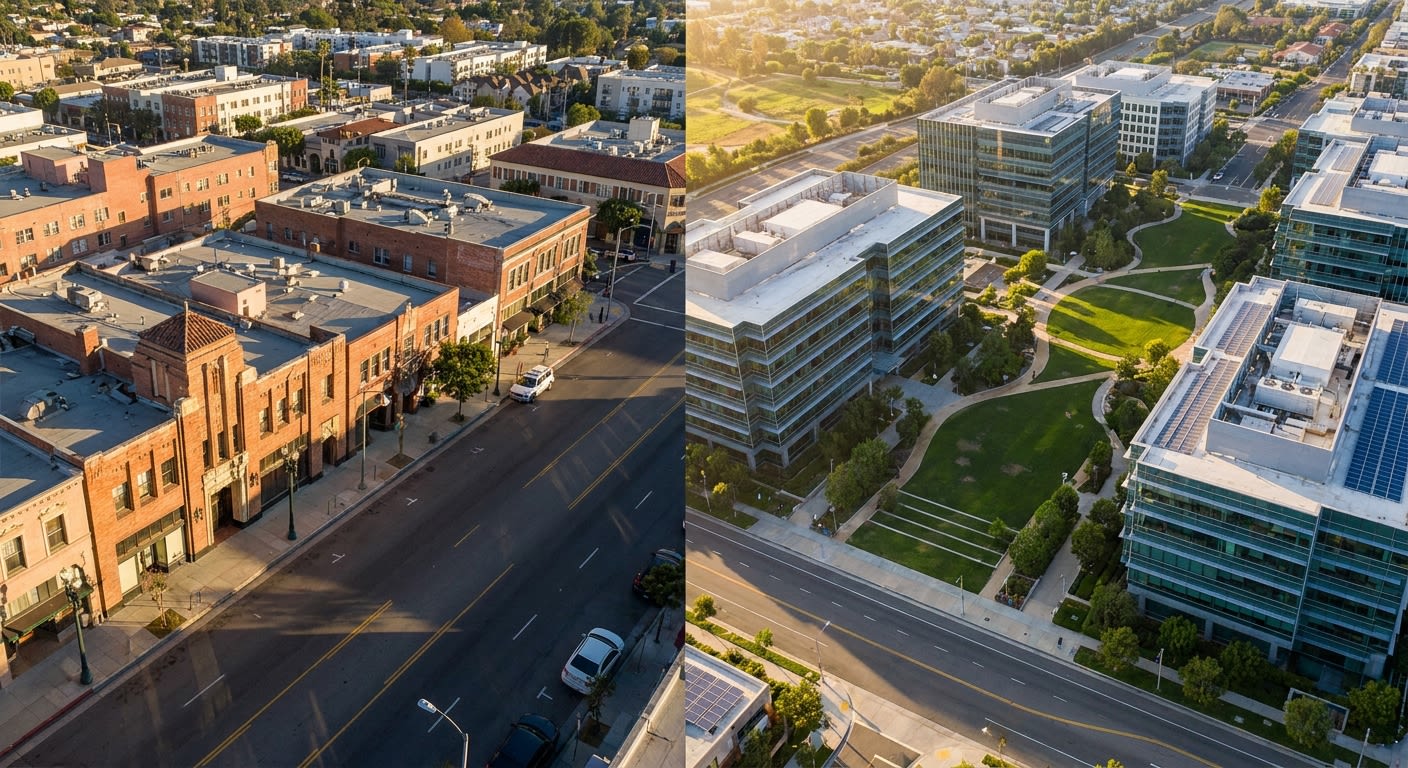
The housing mix is not evenly split. By the city’s own 2021 count, single-family structures are 65.5 percent of the stock, multifamily 31.2 percent and mobile homes 3.4 percent; detached houses alone are 57.1 percent of units, and buildings of five or more units 22.4 percent.
Construction between 2010 and 2020 kept that pattern, 498 single-family units against 265 multifamily. The city calls itself mature and fully built out, with much of the land put to its present use 50 to 60 years ago.
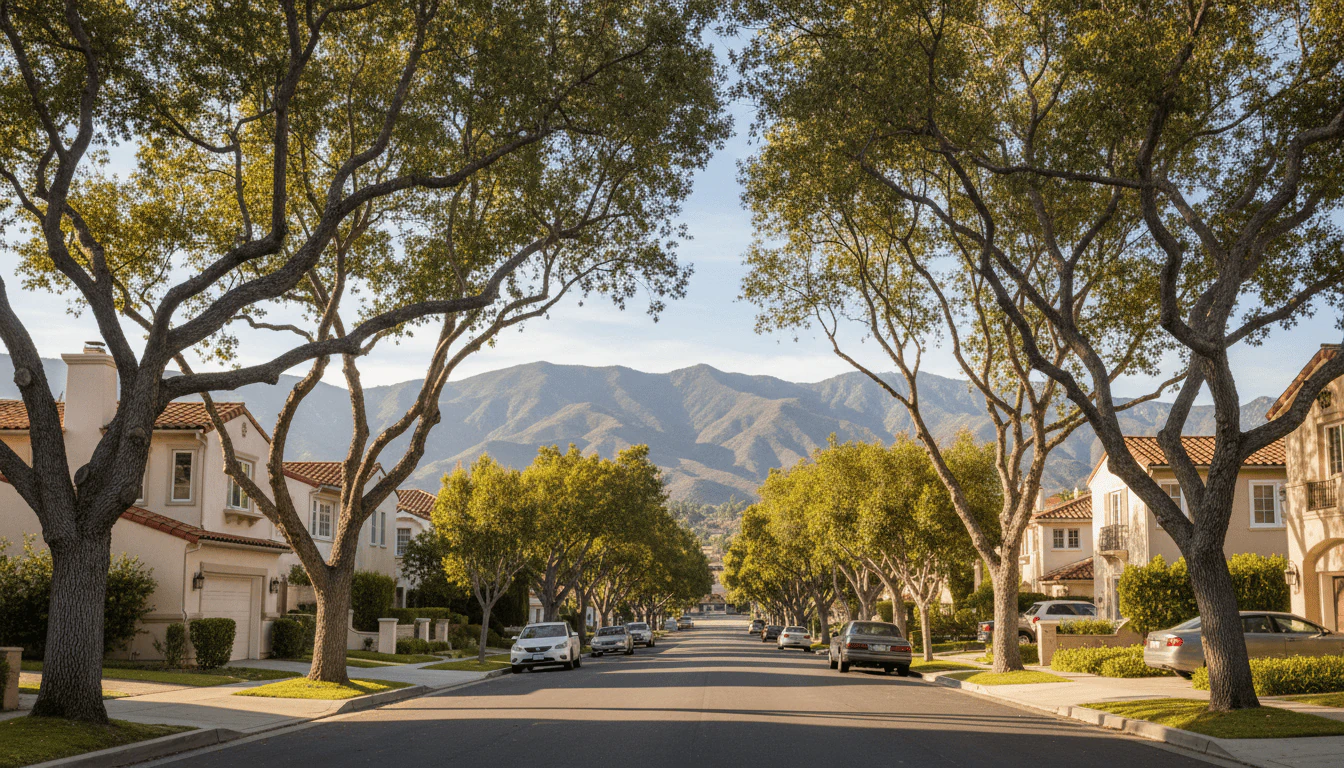
Some housing along Garden Grove Boulevard sits on shallow lots and on small residential cul-de-sacs off the boulevard; the Land Use Element names Shackelford Lane, Abbott Court and Village Road among them, with homes fronting the side street and a landscaped parkway buffering the arterial traffic. Our crew walks the route from door to curb and picks the turning point on the spot.
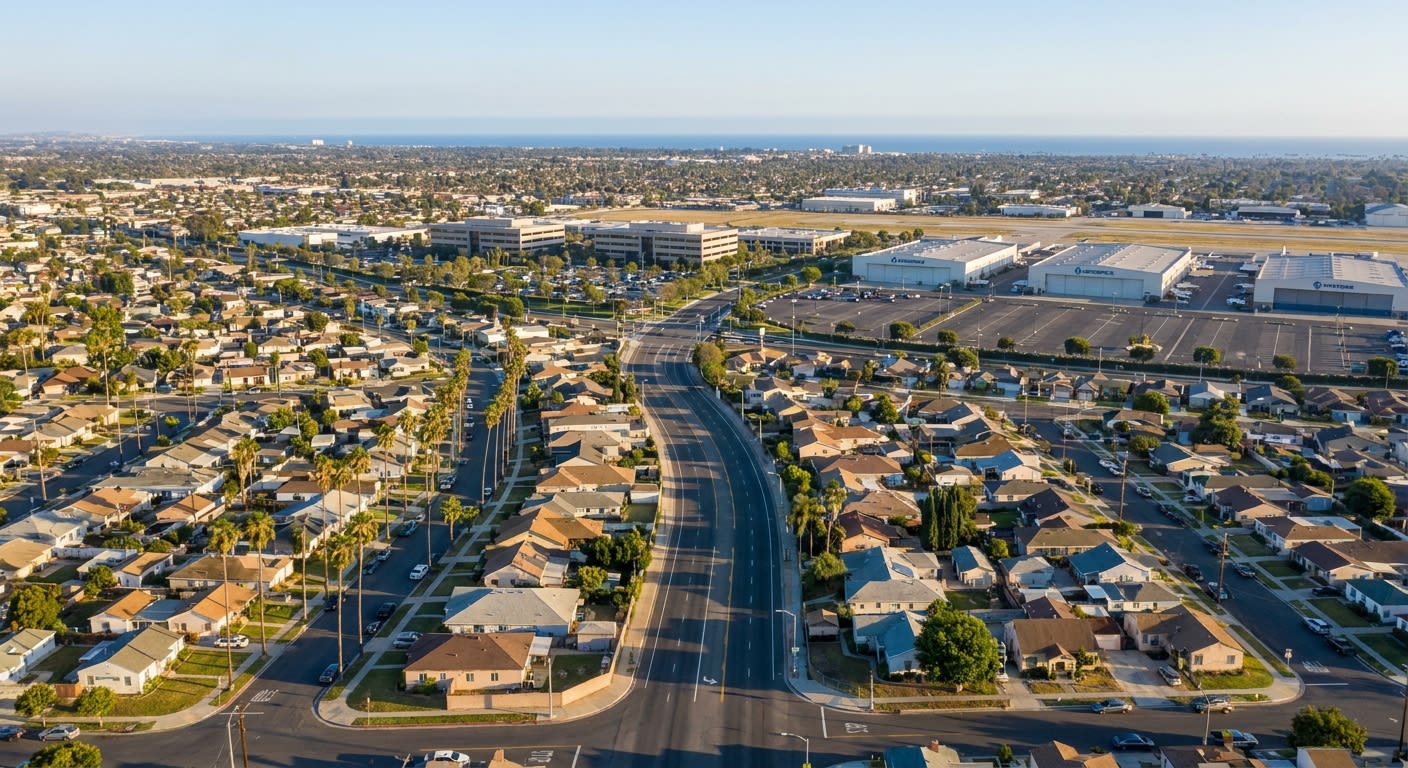
SR-22, the Garden Grove Freeway, opened in 1967 and is one of the few Southern California freeways never widened from its original alignment, which eventually left it severely congested at rush hour. An interstate load leaves through that corridor, so we set the loading window away from the peaks.
West Garden Grove asks a second question. It is a separate lobe of the city, City Council District 1, joined to the rest of town by a narrow strip along Garden Grove Boulevard, and it borders Seal Beach, Cypress, Los Alamitos, Westminster and Stanton.
Its commercial spine on Valley View Boulevard was recognized by the City Council in 2018 as the West Grove Business District, and the jobs on that side sit in the industrial park east of Knott Avenue. We schedule a pickup there as its own run.
| Where we load | What to plan for on loading day |
|---|---|
| A house that loads from a public street | Our truck is an oversized vehicle by city rules, over 22 feet long and over 80 inches wide. The free permit is pulled by the resident against a license and proof of residency, and it covers 72 hours either side of the trip. |
| A space in Bahia Village or Thunderbird Mobile Home Park | A park of five or more manufactured home sites, sitting in the R-3 zone at its denser layout. We work to the park office’s access rules and hours and bring a certificate of insurance when it is asked for. |
| An apartment south of SR-22, east of Harbor Boulevard and north of Trask Avenue | The Housing Element names The Acacian Apartments and Kamia Village Apartments in this cluster. The elevator and the loading area are booked with the manager, and the truck holds one spot instead of shuffling. |
| A cul-de-sac off Garden Grove Boulevard, such as Shackelford Lane, Abbott Court or Village Road | Shallow lots, homes fronting the side street, a landscaped parkway toward the arterial. The crew picks the turning point before the ramp goes down and carries out across the parkway. |
| An address in West Garden Grove, City Council District 1 | A separate lobe of the city, joined by a narrow strip along Garden Grove Boulevard, with the West Grove Business District on Valley View Boulevard since 2018. We run it as its own trip, not as a stop along the way. |
| The neighborhood north of SR-22, south of Garden Grove Boulevard and east of Harbor Boulevard | The city records the highest share of overcrowded households here, 39 percent, alongside two large mobile home parks and the GiGi Apartment complex. Truck position is agreed with the office before the crew arrives. |
In Garden Grove it does, whenever it stands on a public street: the city treats a vehicle over 22 feet long or over 80 inches wide as oversized, and an oversized vehicle needs a permit. The permit is free, but the resident pulls it, against a driver’s license and proof of residency, and it covers 72 hours before and 72 hours after the trip. We raise this the day you book, so nobody is filing paperwork while the crew waits.
No. Hourly rates apply to our local crews only; a move that crosses a state line, or a California run past 150 miles, is quoted as one flat rate. That rate covers the truck, the fuel, the mileage and the labor at both ends, and a $50 deposit holds the date and comes off the final bill.
Yes, and the office becomes part of the plan. We ask for the park or association rules on truck access and hours when the date is booked, agree an arrival window with the manager, and issue a certificate of insurance for $50 if the property requires one. The crew then carries from the unit to wherever the truck is allowed to stand.
From a few days, with the window depending on the route rather than on a fixed table of miles. Because your household is the only load on board, we are not waiting for other shipments to fill the trailer. The window goes in writing on the estimate, and we call before the truck reaches the new address.
Sometimes, when a crew and a truck are free. Our line is open Monday to Sunday, 8AM to 6PM, and a same-day departure still needs the inventory and the access details before we can put a number on it. If the address sits behind a gate or inside a managed property, allow time for the permit or the certificate of insurance.
A piano is $200 and travels with a four-mover crew. Any other single item over 300 lbs is $150 and moves with a three-mover crew. Both appear on the estimate before loading day, along with a second truck at $200 if one household needs two.
An interstate move is five jobs stacked on top of one another: the estimate, the packing, the load, the drive and the unload. Each hands something to the next, and a careless estimate is felt three steps later, on the truck ramp.
The estimate starts with an inventory, room by room, and then the questions nobody enjoys answering. How far is the front door from the curb, how many stairs, is there a gate, will a 26-ft truck physically fit. Those answers set the truck size, the crew size and the price, because the price is flat and has to hold.
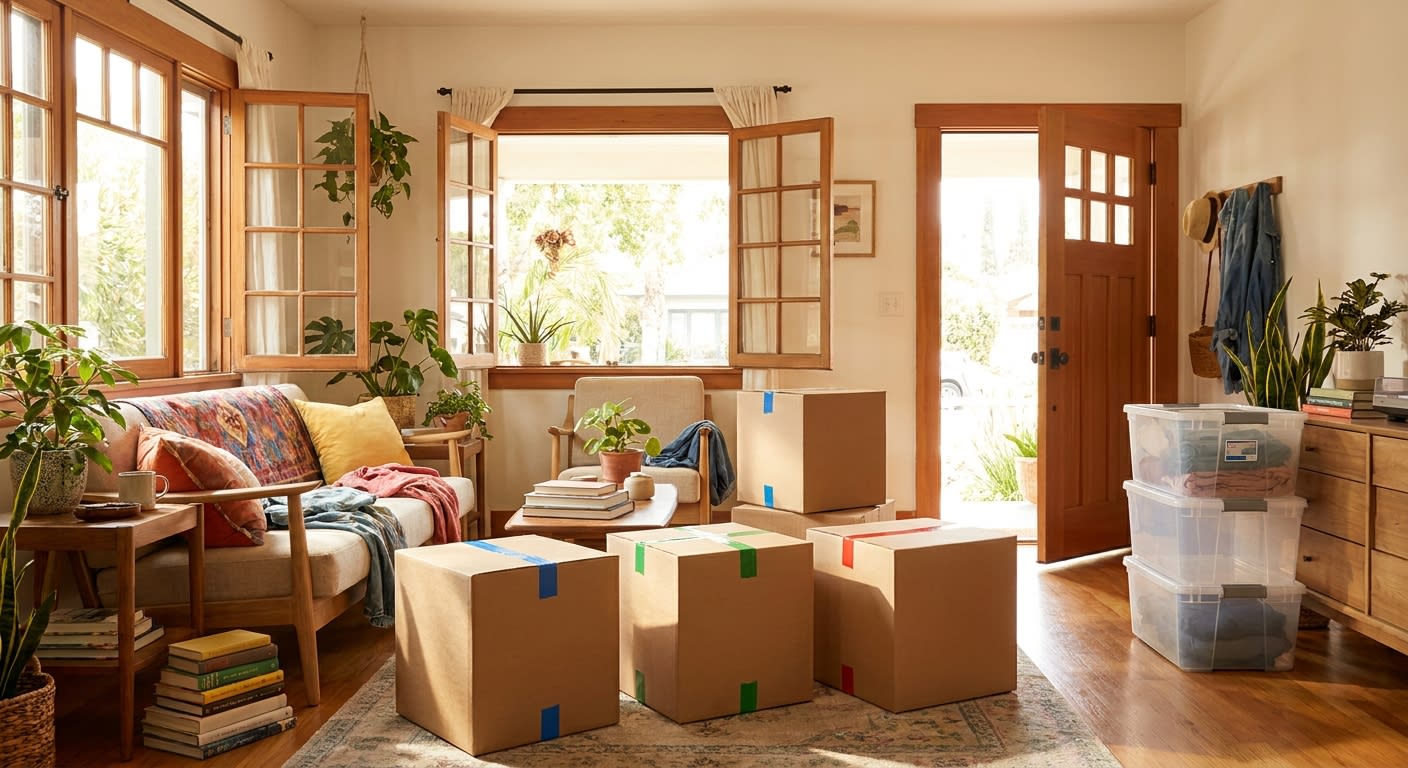
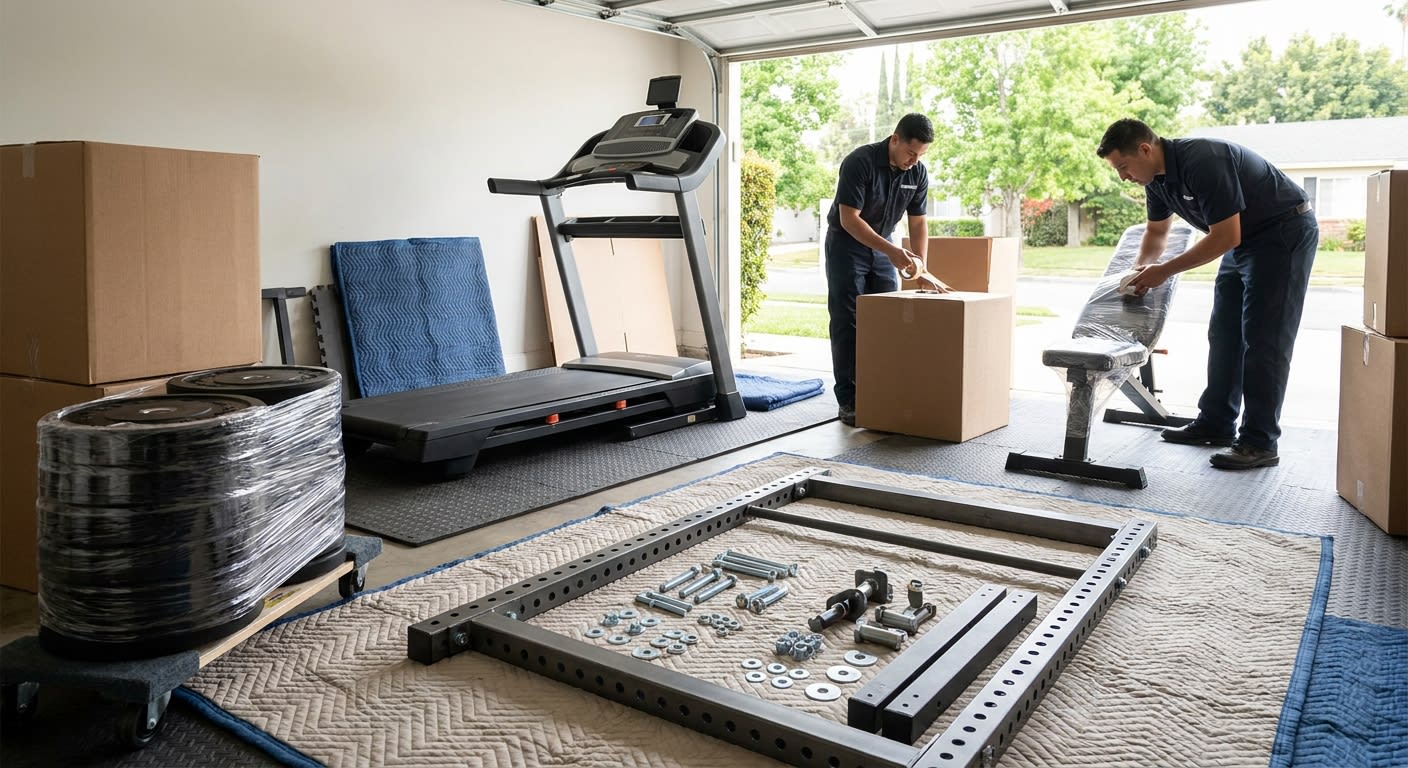
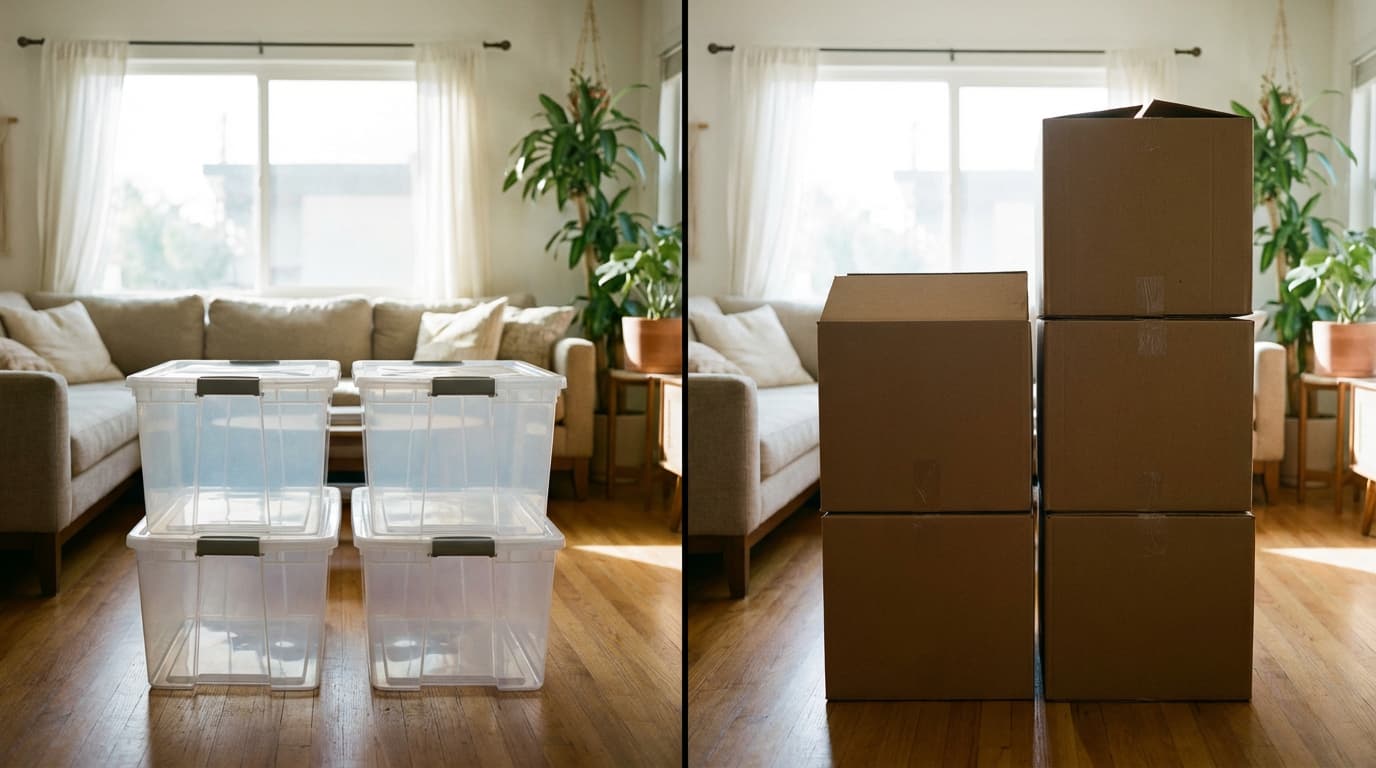
Packing comes next, and it is a choice rather than a fixed cost. You can pack everything yourself, hand the whole job to the crew, or split it and keep the kitchen and the fragile shelves with us. Cartons that will ride a thousand miles are filled differently from cartons that ride across town: tighter, with less air inside and the weight kept low.
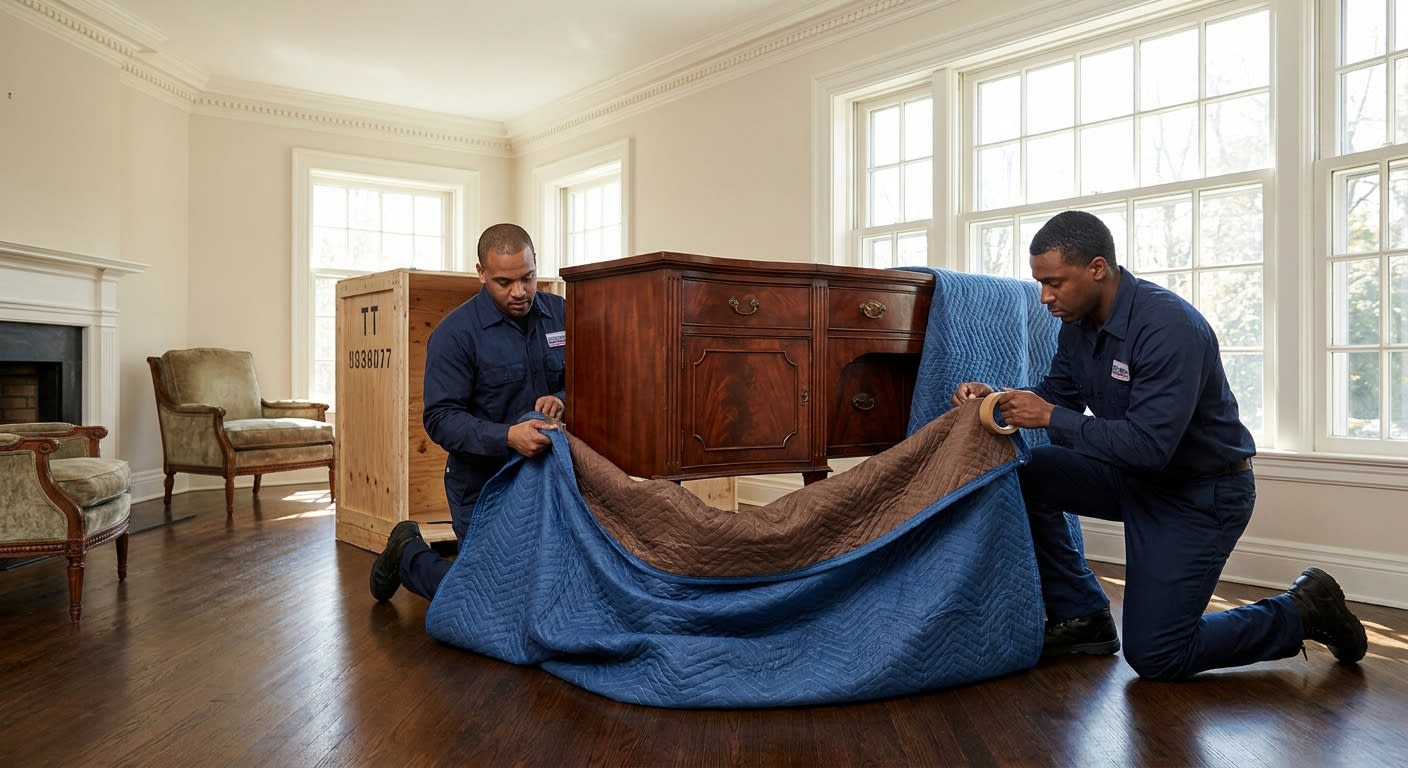
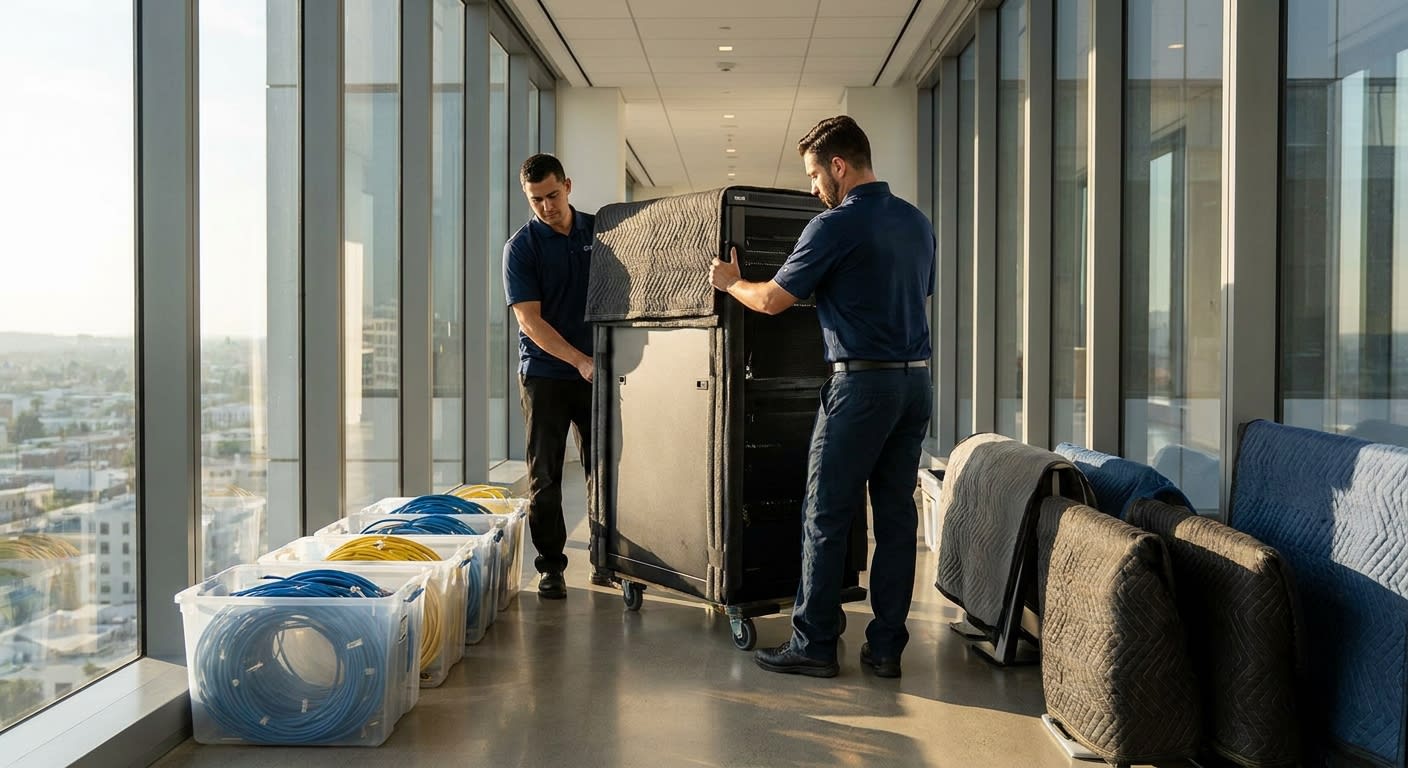
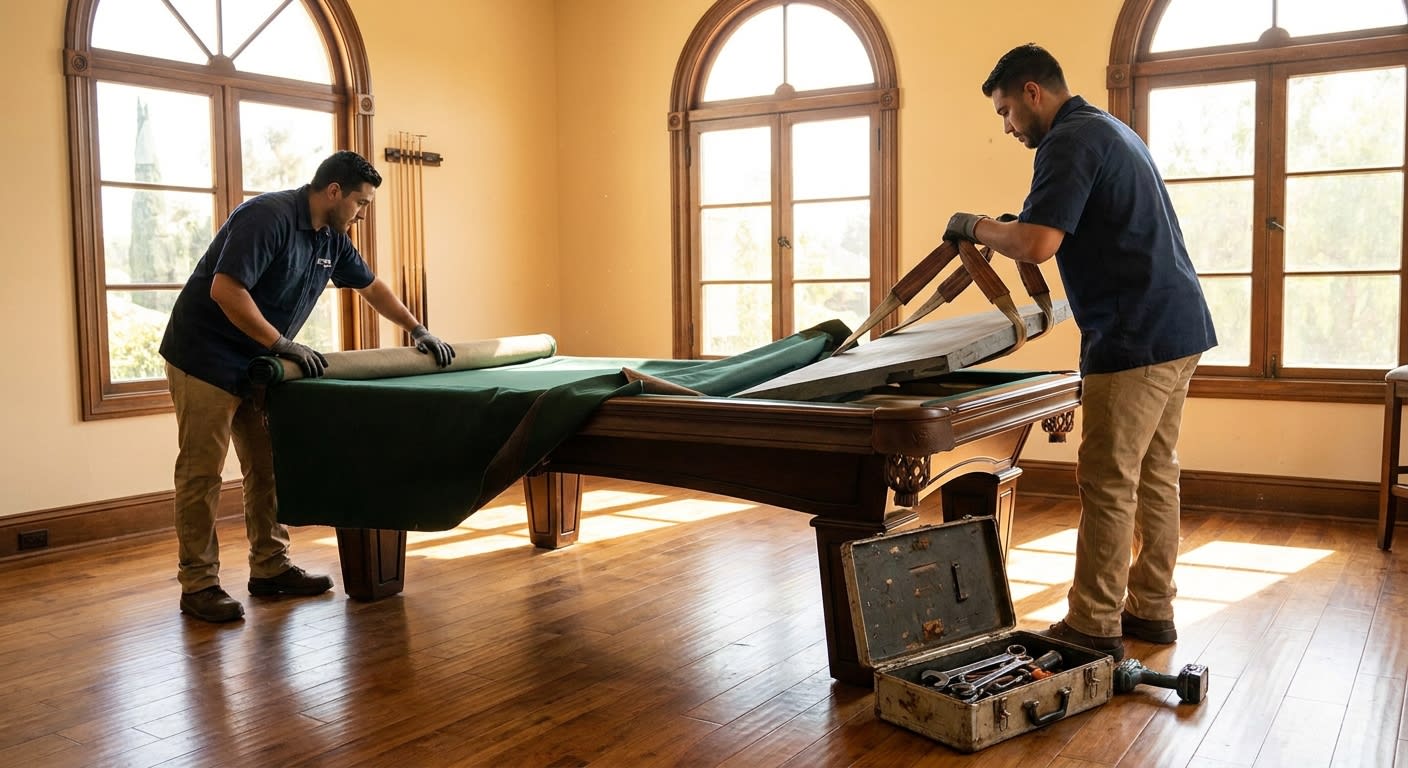
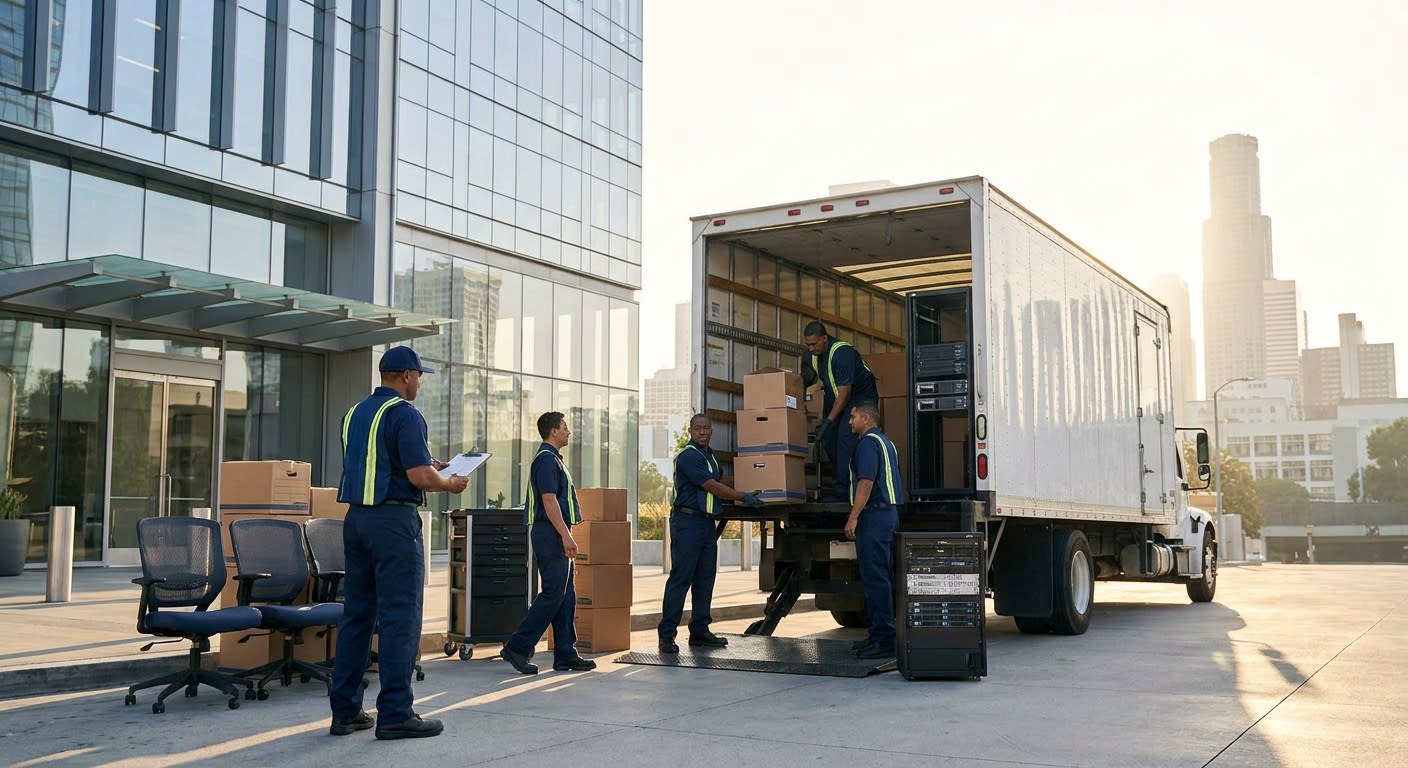
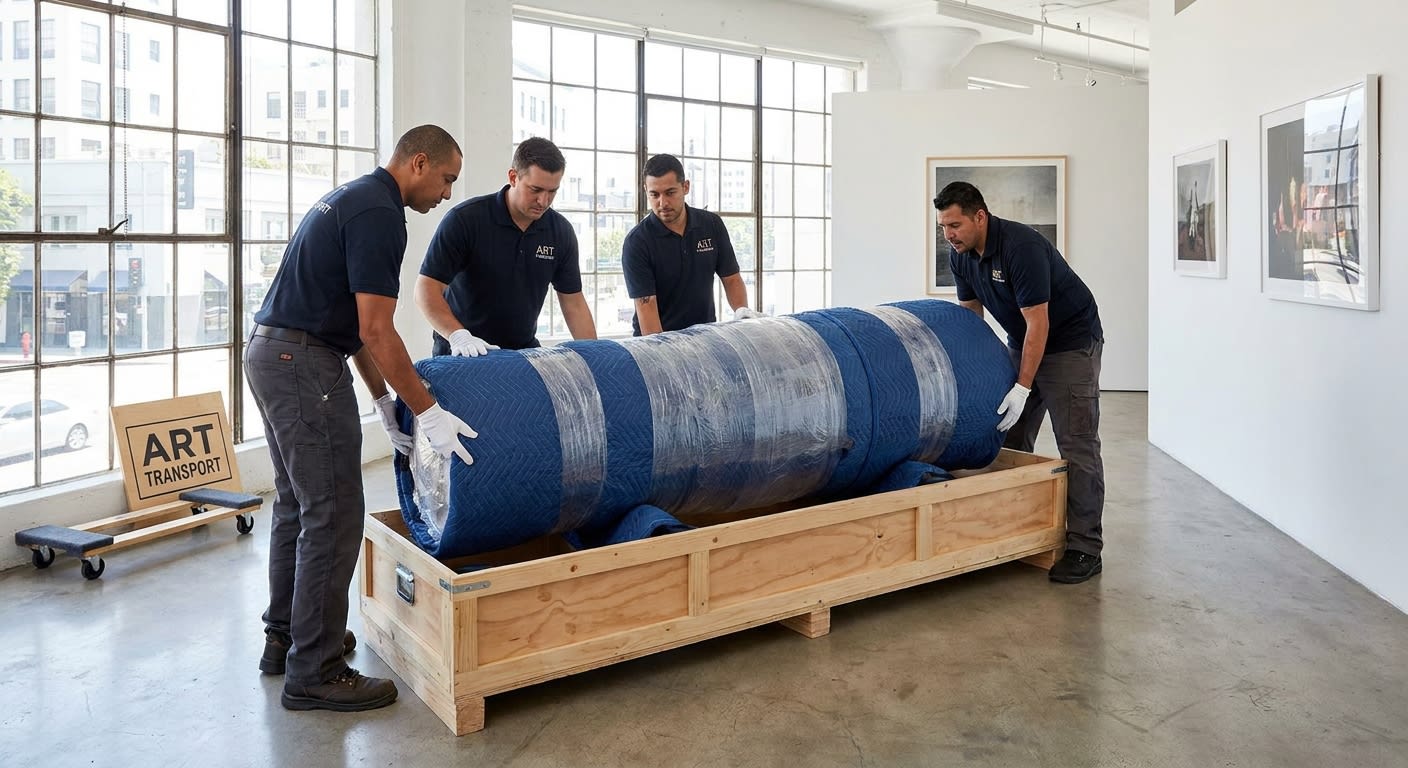
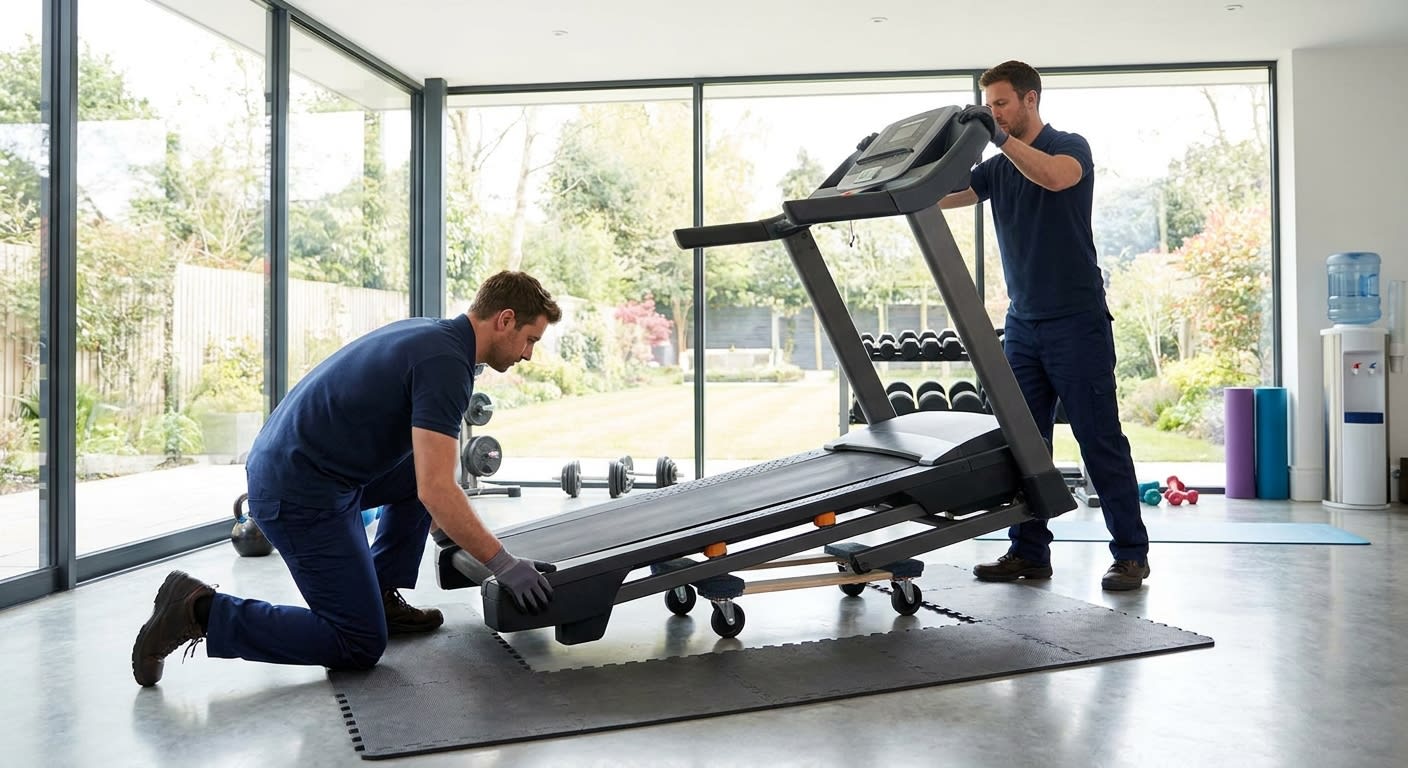
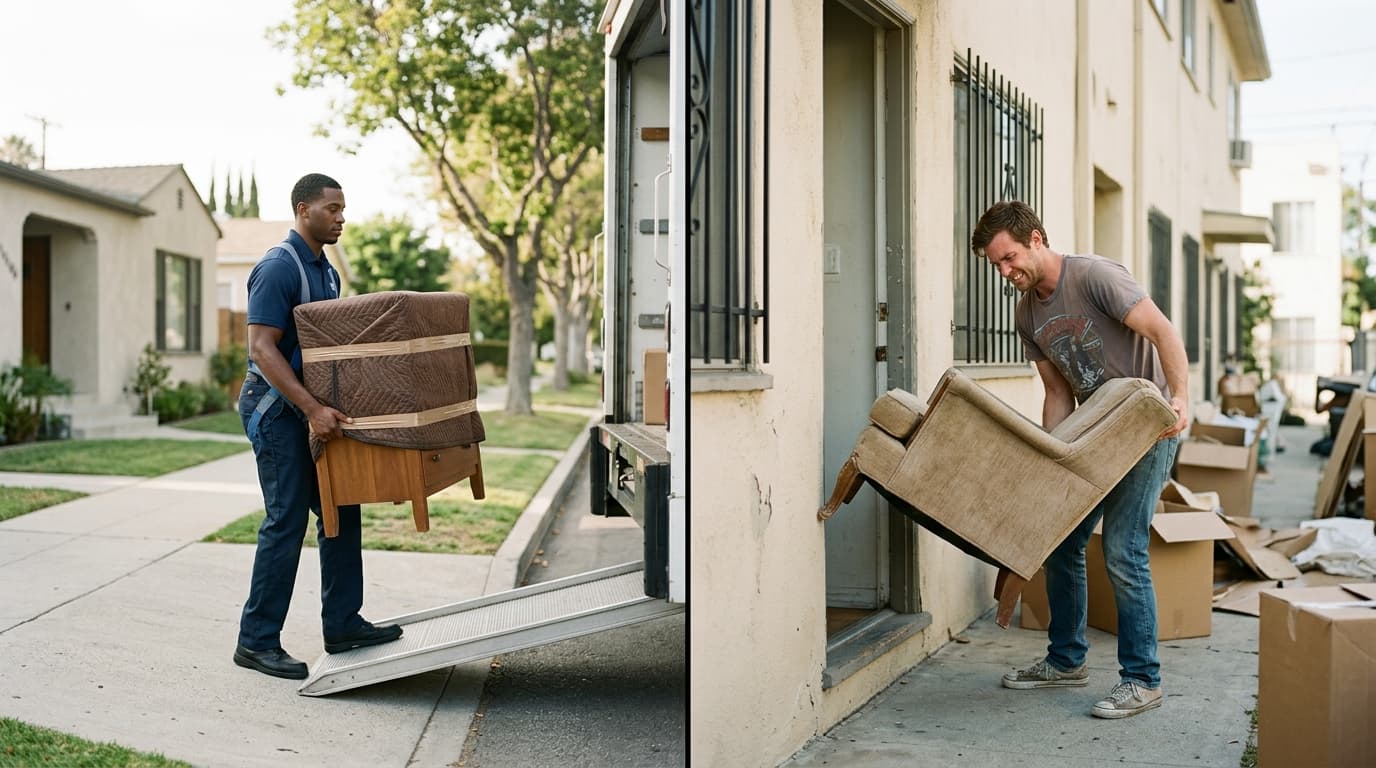
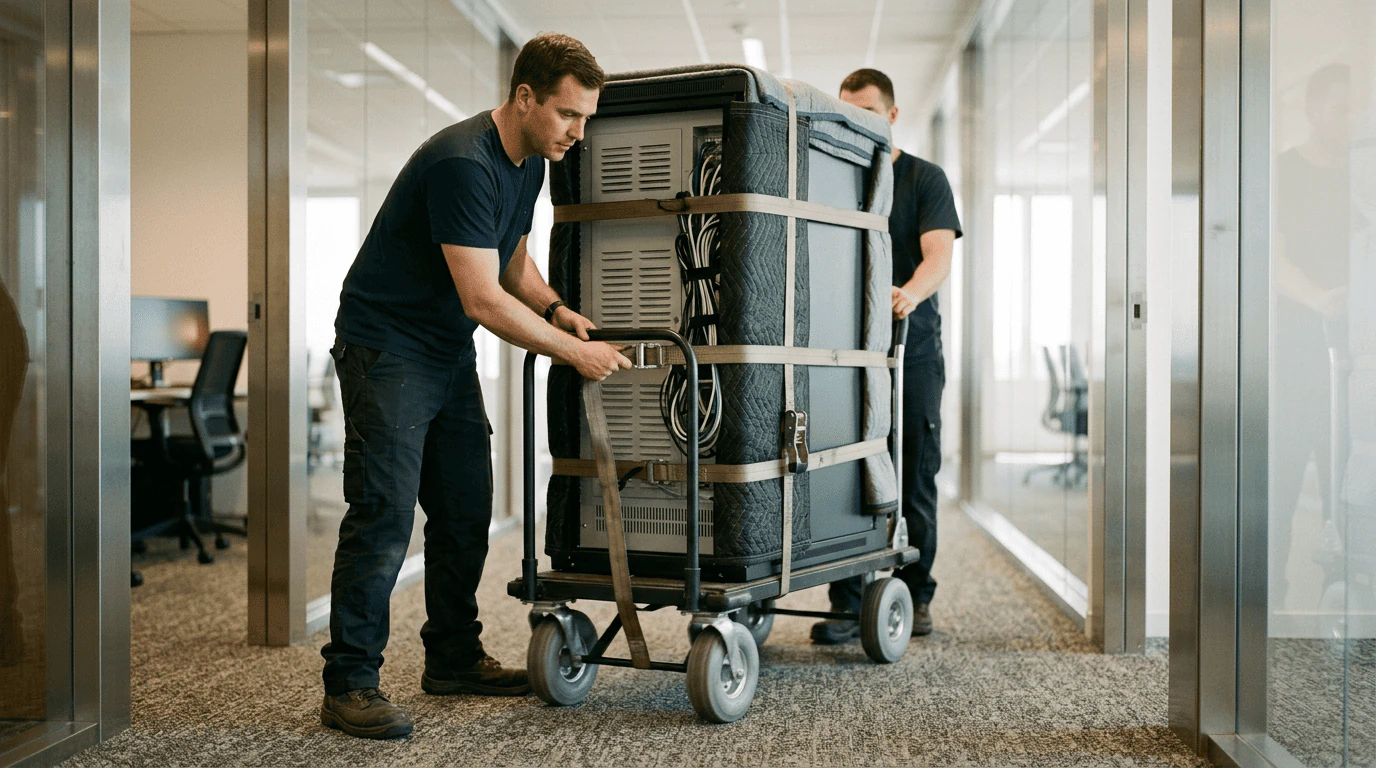
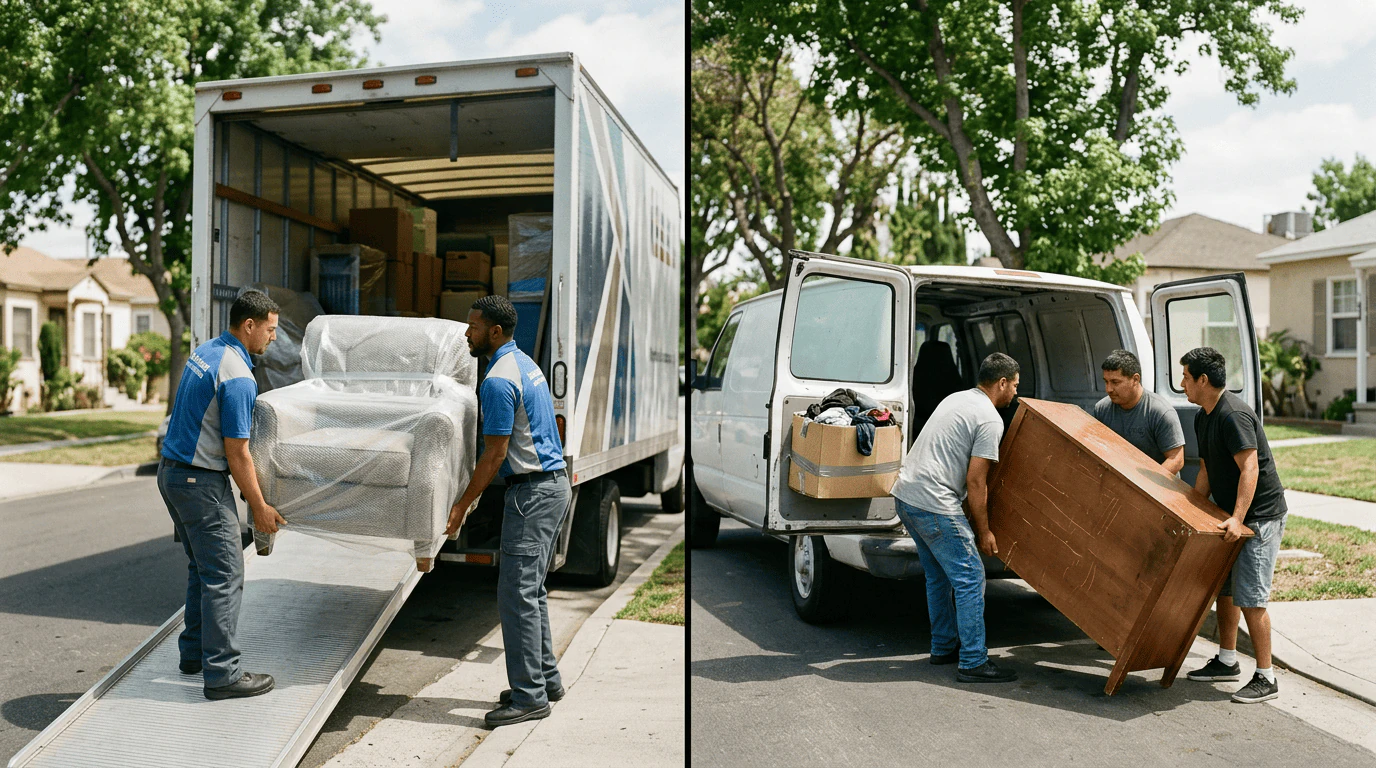
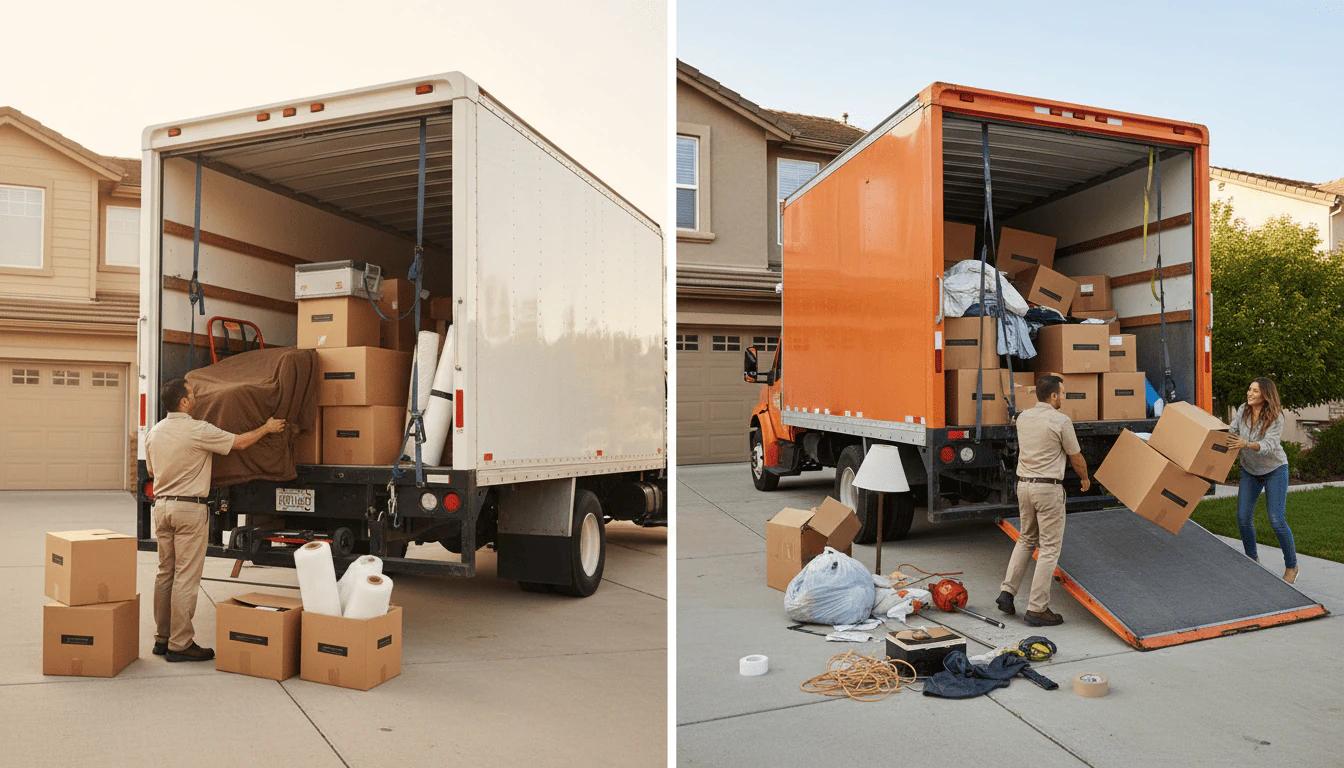
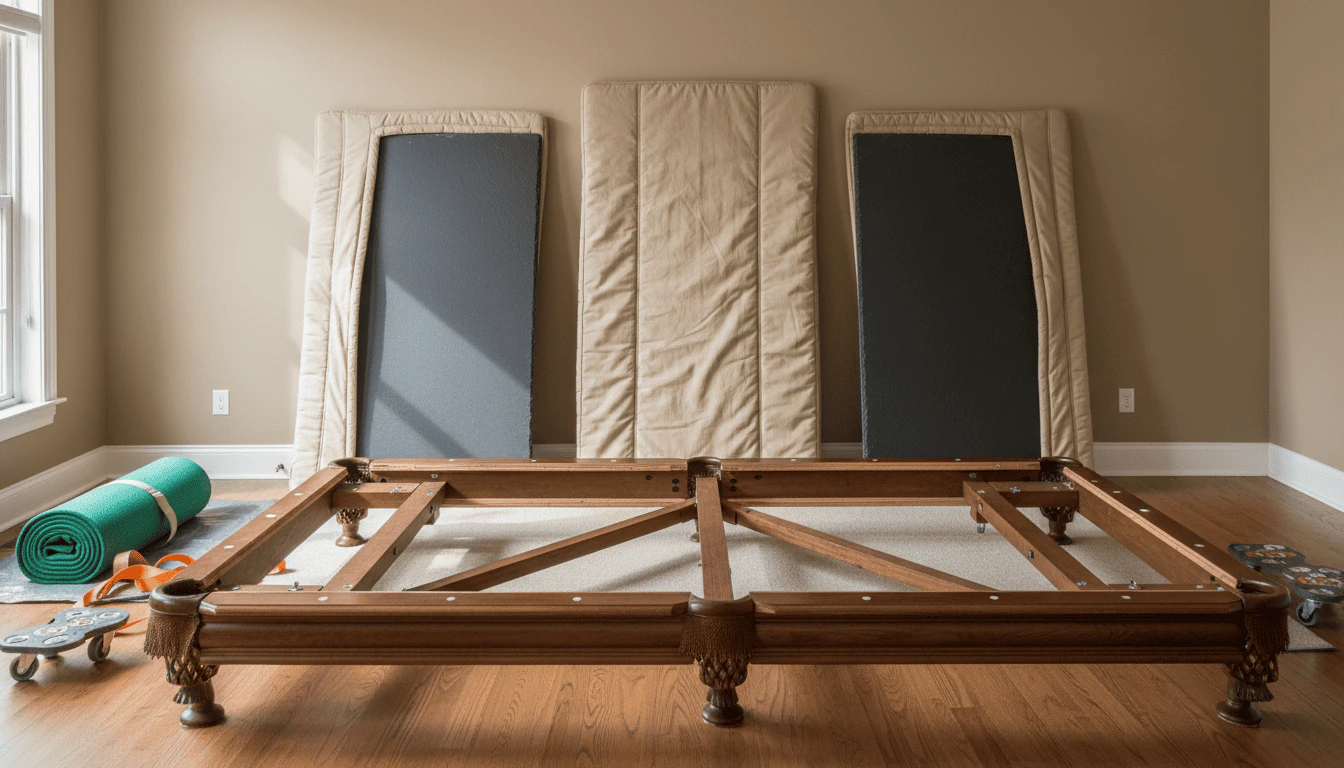
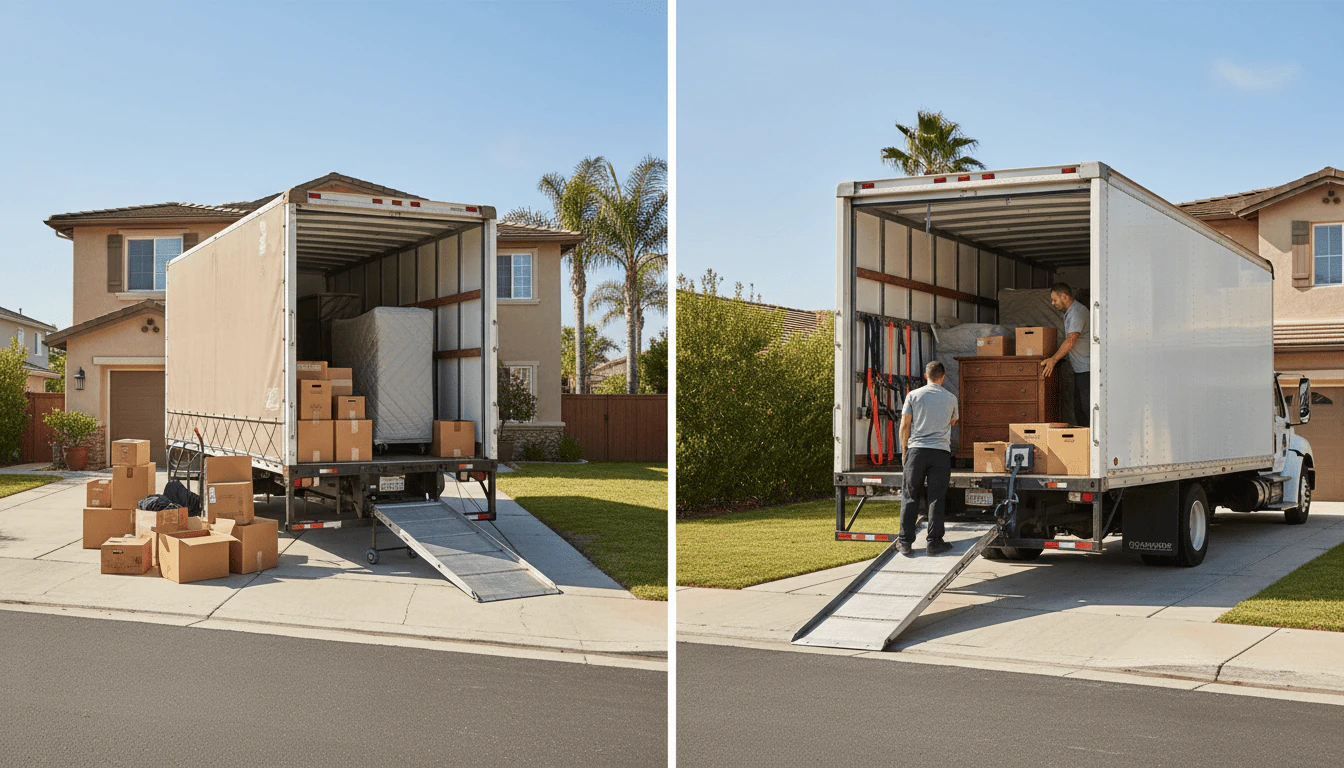
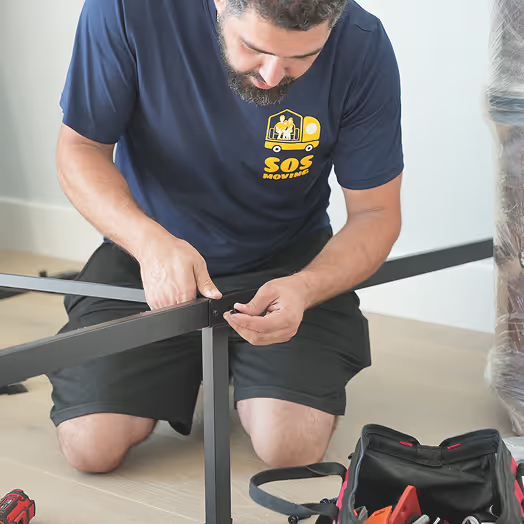
Loading day is the one with the deadlines in it. Furniture is wrapped in the room where it stands, taken apart where it has to be, carried out and loaded against the inventory list. The load is strapped in tiers so that nothing shifts when the truck brakes on a grade.
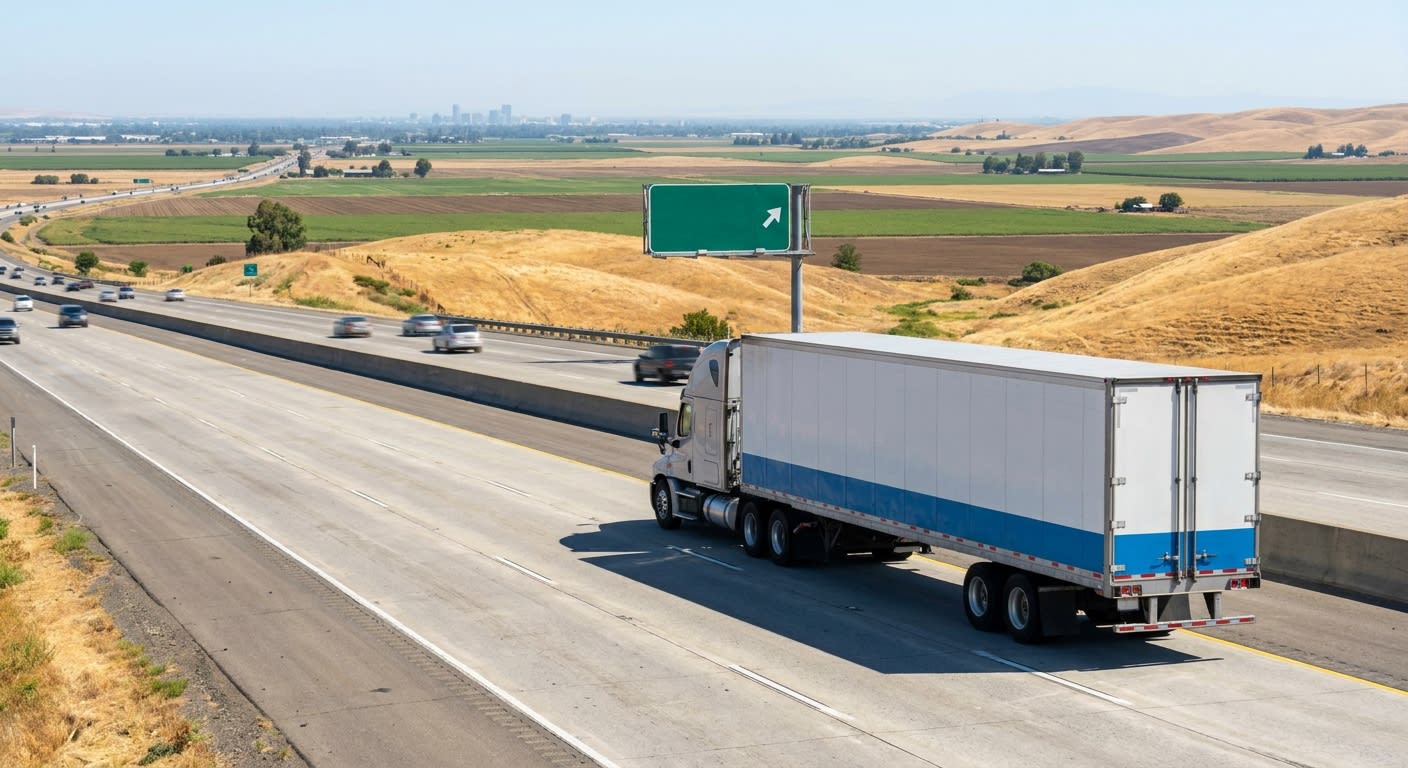
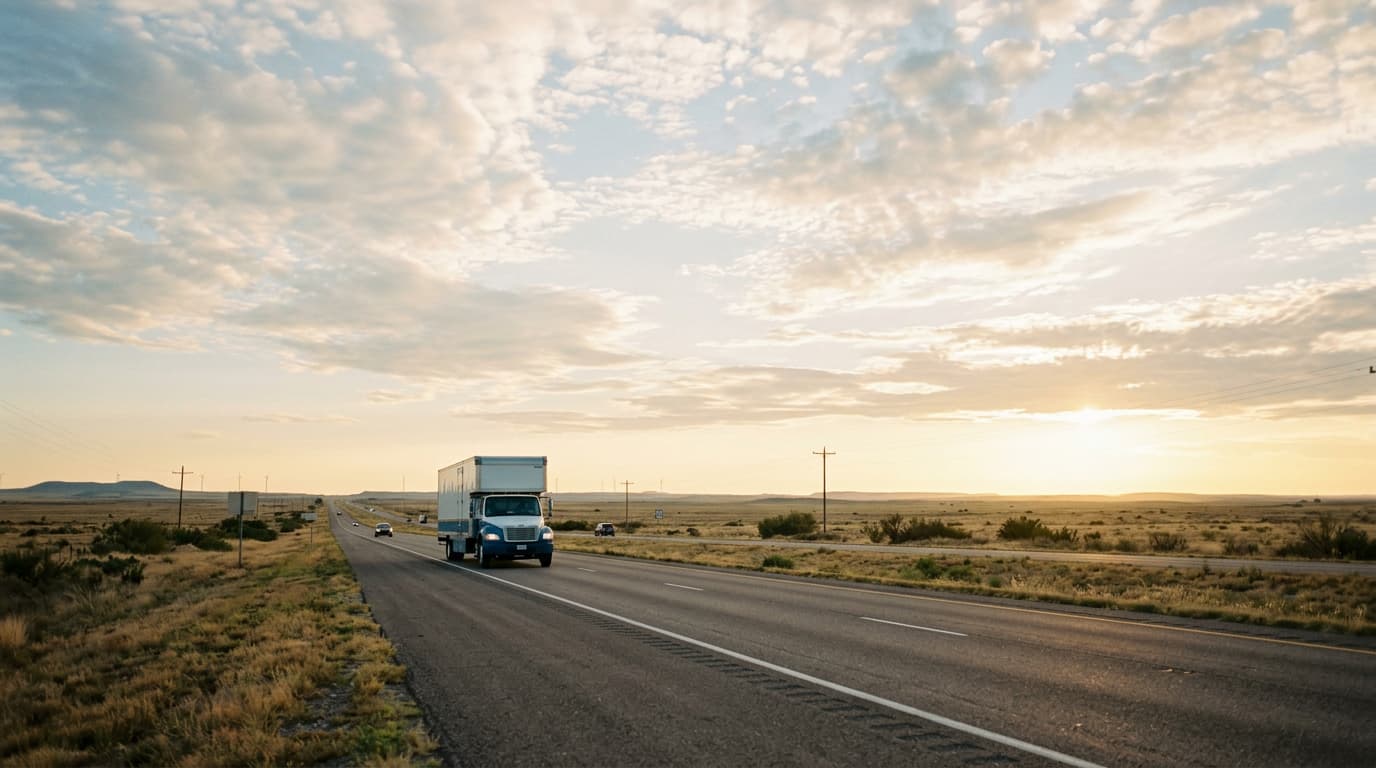
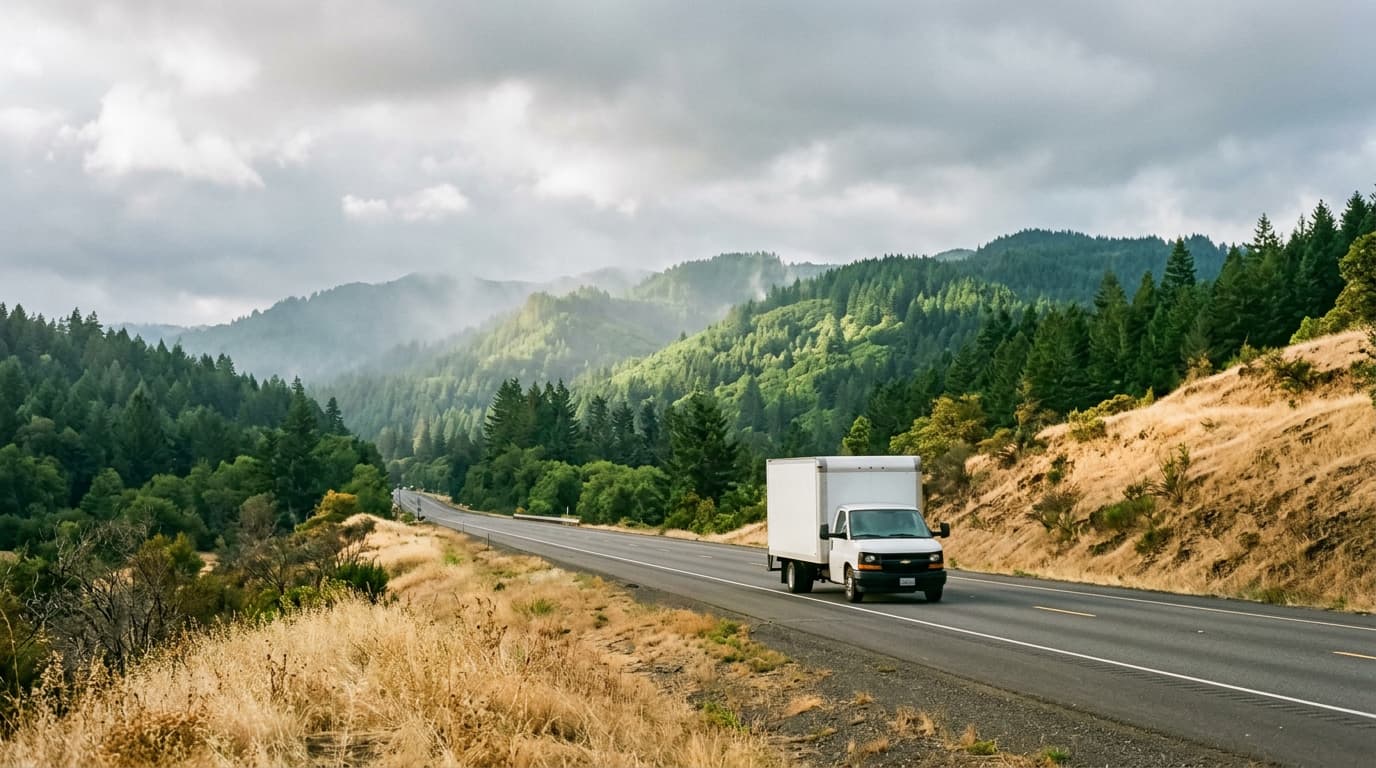
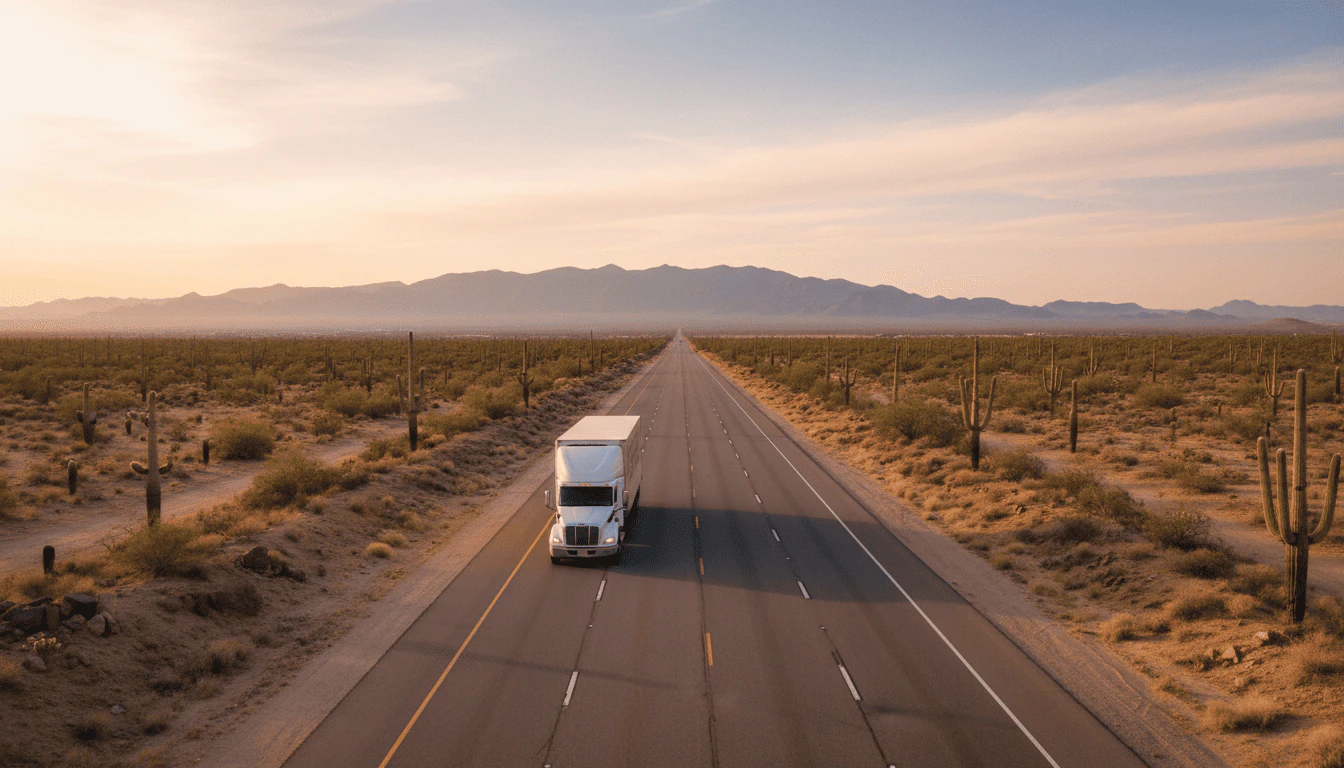
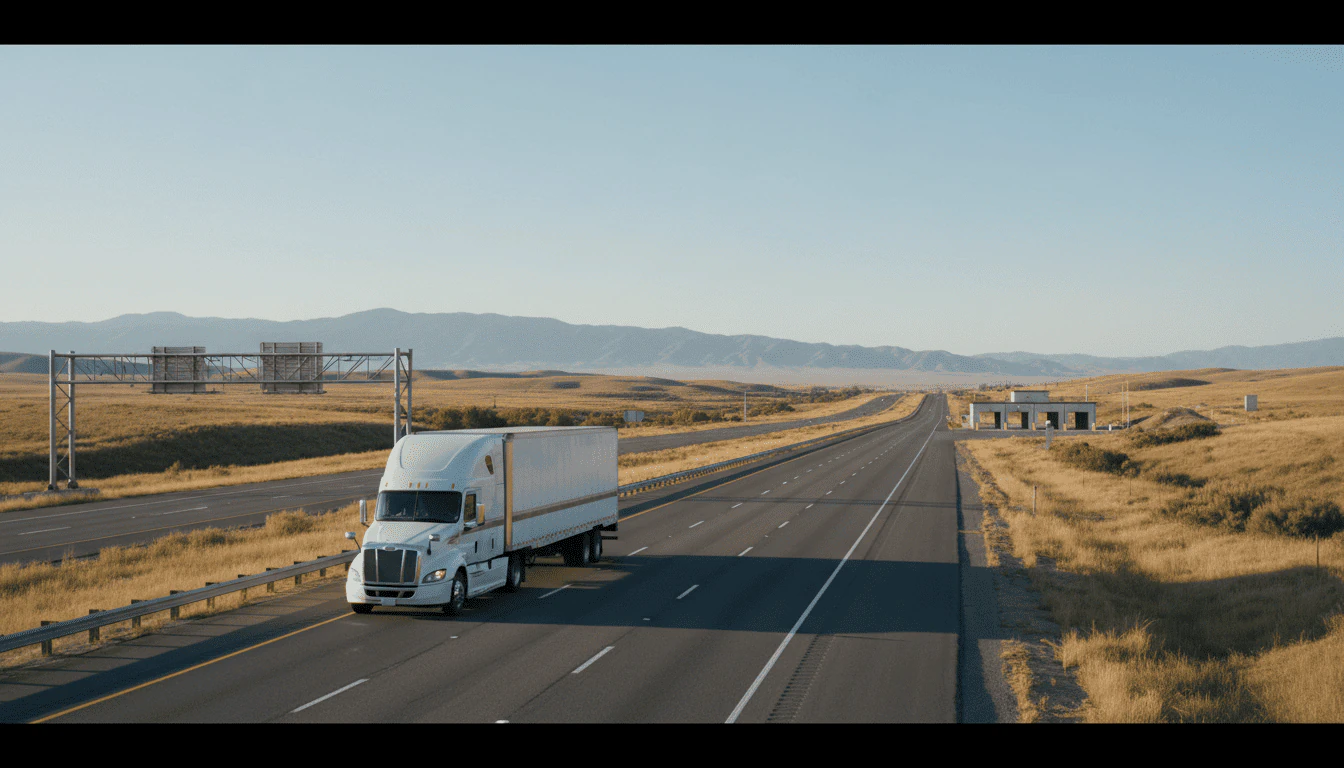
Then comes the drive, the part you do not see. The same truck and the same crew carry your things the whole way, with no terminal, no second handling and no waiting for another household’s shipment to fill the trailer. Transit runs from a few days and depends on the route.
Unloading reverses the morning. Furniture goes back together, boxes go to the rooms written on their sides, and the wrapping leaves with us. The balance falls due once you have watched the load come in.
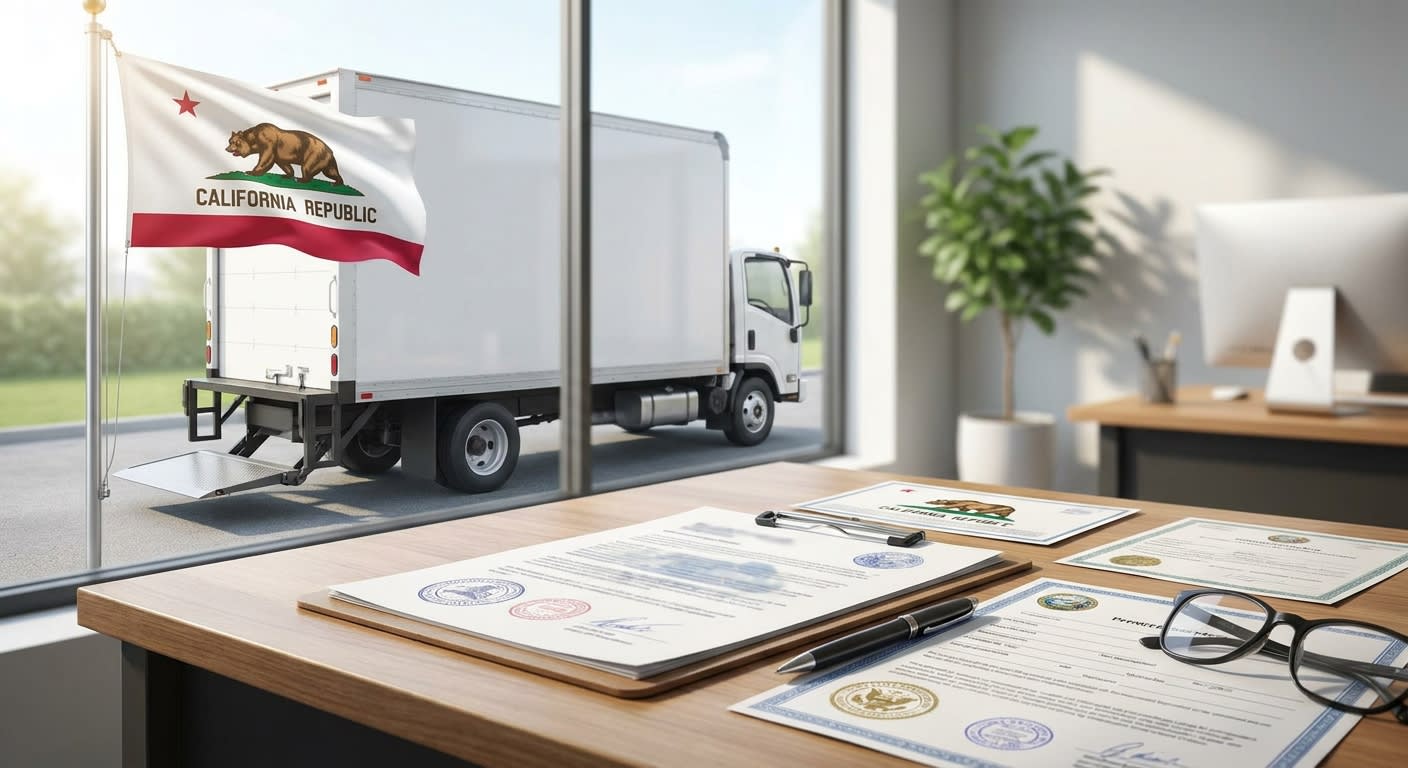
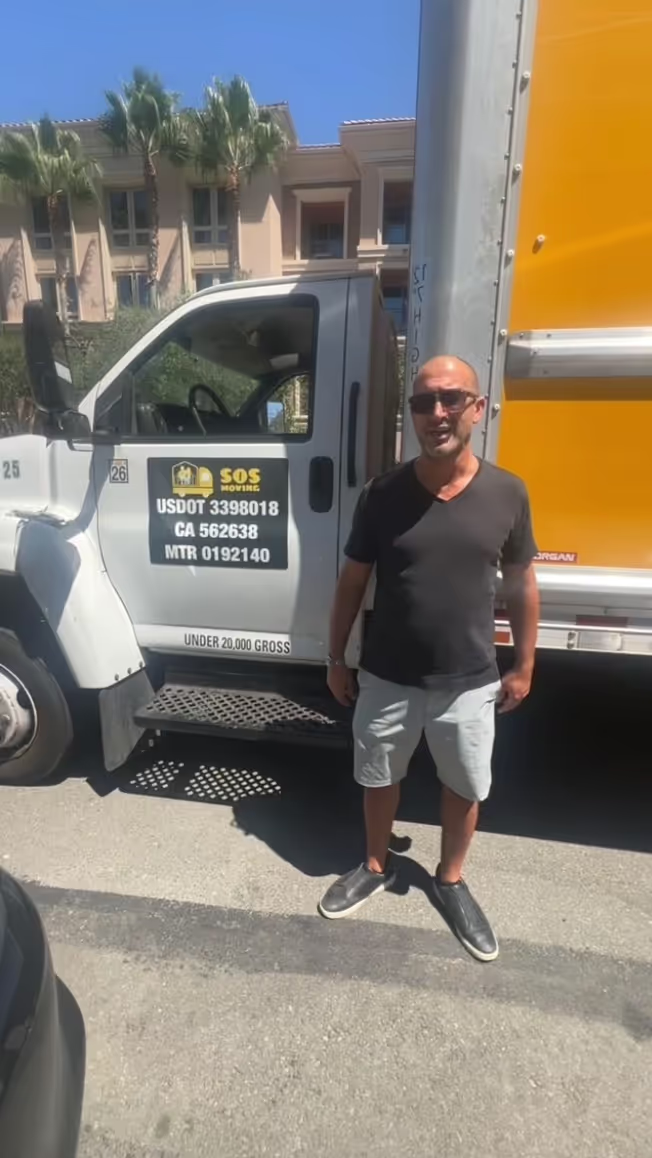
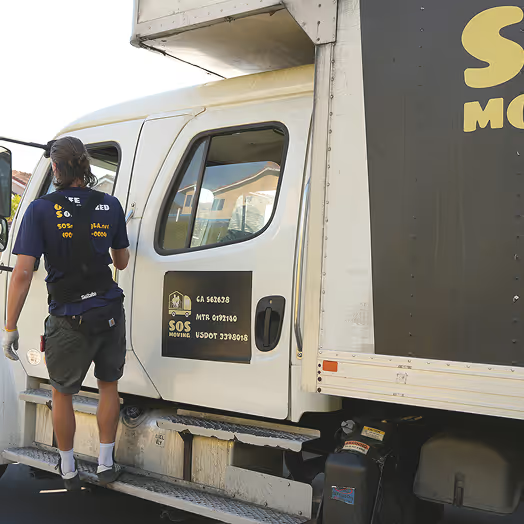
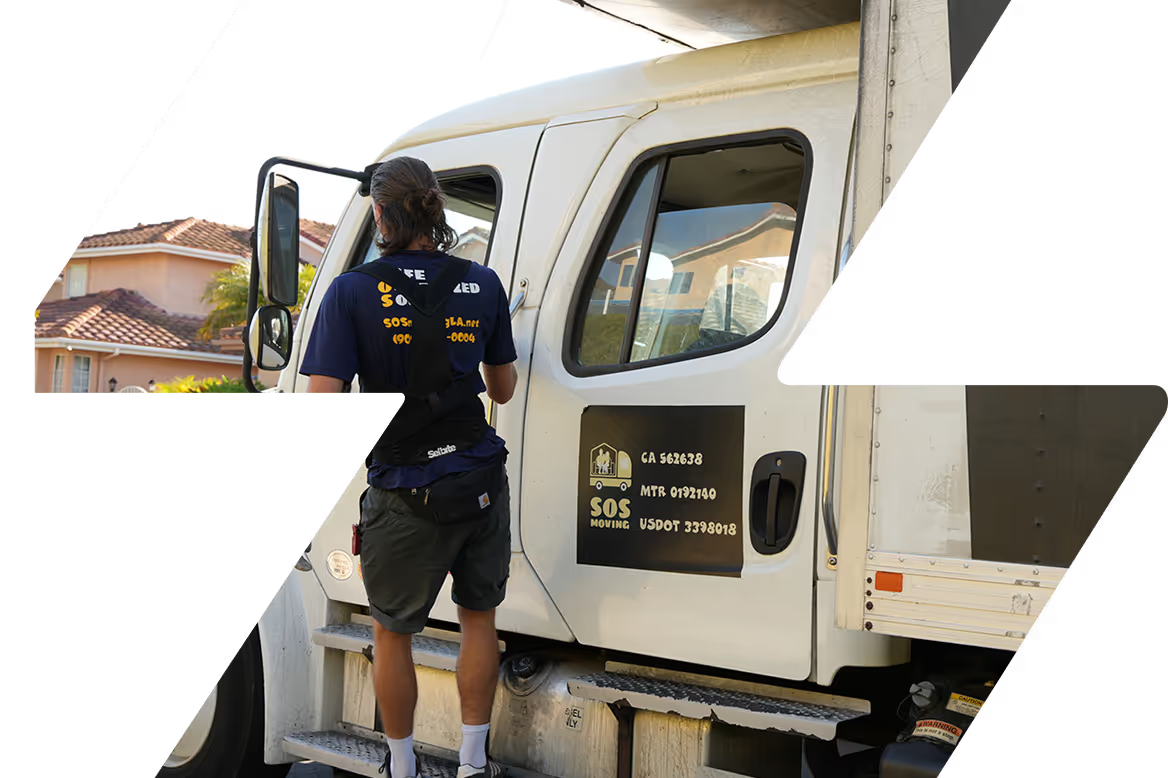
Any company that carries household goods across a state line has to be registered federally, and that registration carries a number. Ours is USDOT 3398018, with operating authority under MC 1153871. Inside California a different regulator applies, and our permit there is CAL-T0192140.
Those numbers are not decoration. A USDOT number typed into the federal register returns the carrier’s legal name, its address, whether its authority is active, and whether it is a carrier or a broker. The last distinction is the one that costs people money: a broker sells your job to whoever bids for it, while a carrier owns the truck and employs the crew that shows up.
Ask for the number before you sign anything, from us or from anyone else. A company that hesitates, or hands you a number registered to a different business name, has told you something useful at no charge.
Federal registration also settles what happens when something goes wrong. Released-value protection comes with every interstate move at no charge, and the level of protection is stated on the paperwork before the truck is loaded rather than discussed after delivery.
Four things move a flat rate: how much there is, where it goes, how much of the packing is ours, and how hard the address is to work.
Volume is the largest single factor, and it is also the one you control. A garage nobody has emptied in a decade can add a third of a truck. Sell it, give it away or leave it behind, and the quote falls before a mover ever arrives.
Route is next, and it is more than mileage. What matters is what the route meets at each end: a mountain grade, a downtown with narrow streets, a delivery address where a full-size truck cannot legally stand. We would rather learn that at the estimate than at the curb.
Packing sits in the middle. Furniture wrapping is included in every job, so the difference between households is boxes and the labor to fill them. Some hand over everything; some pack their own closets and leave the kitchen, the art and the electronics to the crew.
Access is the quiet one. Stairs, a long carry, a gate with an intercom that only the office answers, a street permit that has to be pulled days in advance — none of them appear as a surprise line on the bill, because all of them were priced in at the start.
One thing never moves the number: the clock. There is no meter running on an interstate job, so a slow elevator or a late building manager costs us time rather than costing you money.
A departure from a managed property has an extra party in it, and that party is the office. Park managers, HOA boards and building supers set their own loading hours, their own rules about which entrance a crew may use, and their own insurance paperwork.
Manufactured housing is a normal part of the local stock rather than an exception. City code counts five or more manufactured home sites as a mobile home park, allows parks in the R-3 zone at the denser layouts they use, and treats preserving the parks that already exist as a standing objective.
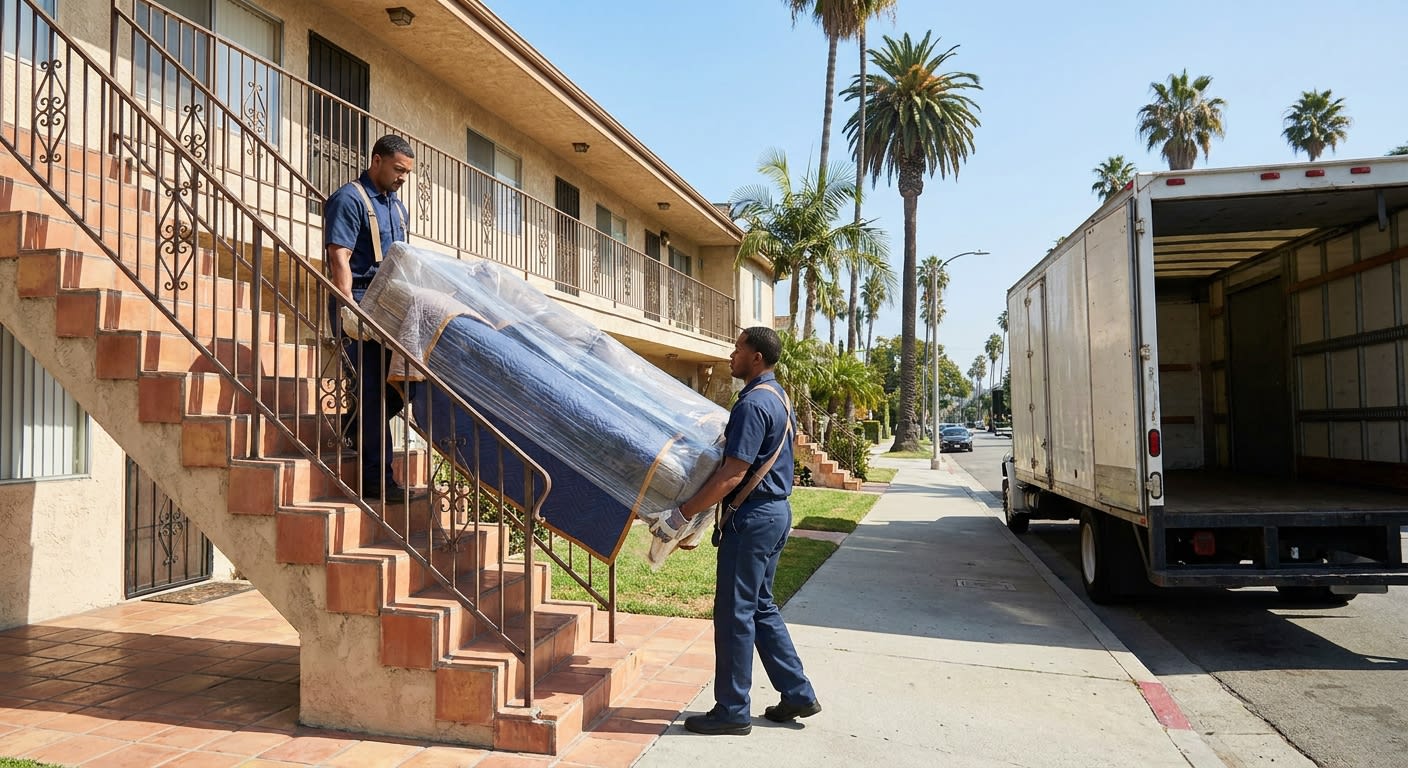
For a condo or an apartment, the two questions are the elevator and the loading area, and both are booked rather than assumed. When a building will not release the elevator without a certificate of insurance naming it, we issue one for $50 and send it ahead of the crew.
For a park or an association street, the questions are width and hours. We ask what the office permits for a truck that size, agree an arrival window, and plan the carry from the unit out to wherever the truck may legally stand.
All of this is deliberately boring. Nobody wants a negotiation with a property manager while a wrapped sofa stands in a corridor.
Packing for a long haul is not packing for a move across the neighborhood. A carton that survives ten minutes in a van can fail after two days of vibration on the interstate, and the failure always happens at the bottom.
Boxes are filled to the top and no further, with paper taking up the air pockets so that nothing travels inside its own container. Heavy items go into small cartons and light bulky ones into large cartons; doing it the other way round is how a box bottom opens over a staircase.
Plates ride on edge rather than stacked flat, glasses are wrapped one by one, and lamps come apart with the shade in a carton of its own. A television goes into a box with corner blocks instead of lying under a blanket on top of a dresser.
You can do all of it yourself, hand it over entirely, or split the work — our packing services page sets out what the crews bring and how the labor is quoted. Whatever you choose, write the room on the side of the box rather than the top, because on a loaded truck the tops are invisible.
Leases rarely line up with escrow. The house in the other state closes a week after the lease here ends, or the keys land on a Monday while the truck would arrive on the Friday before.
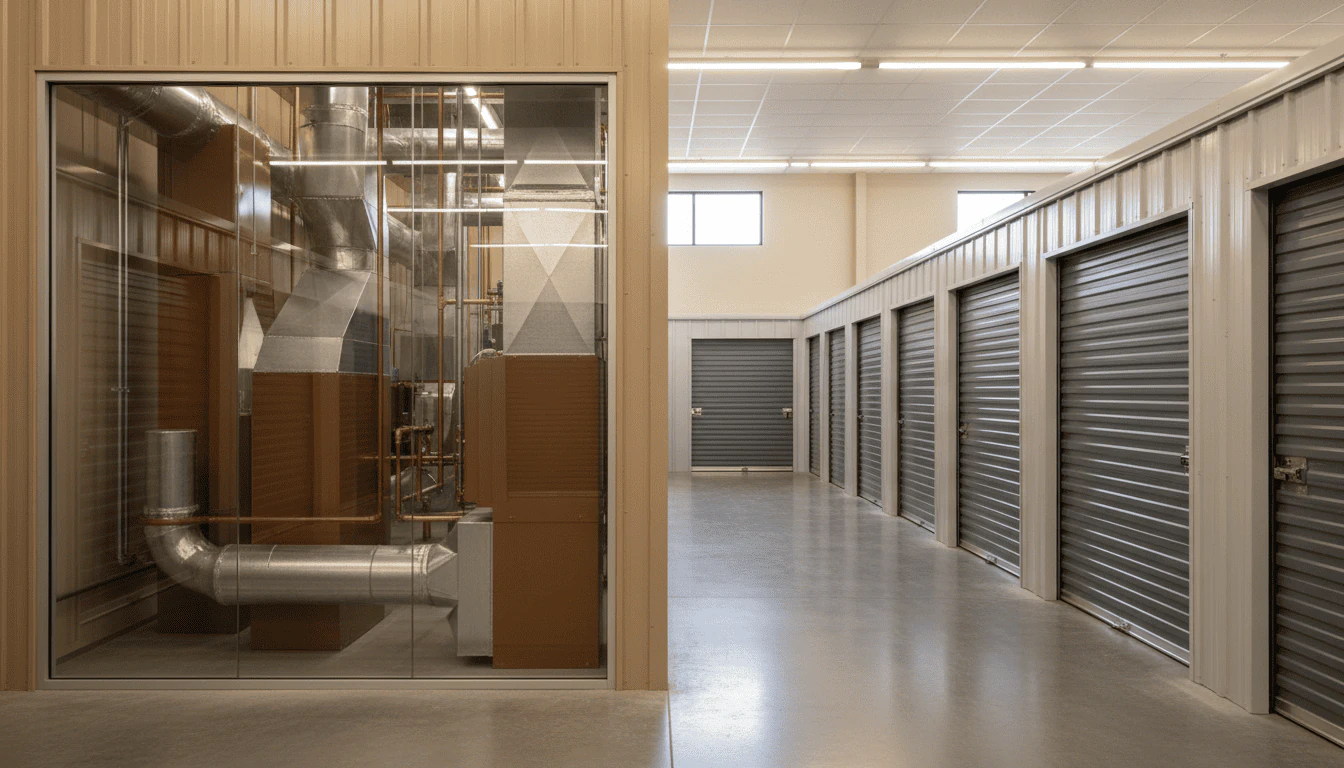
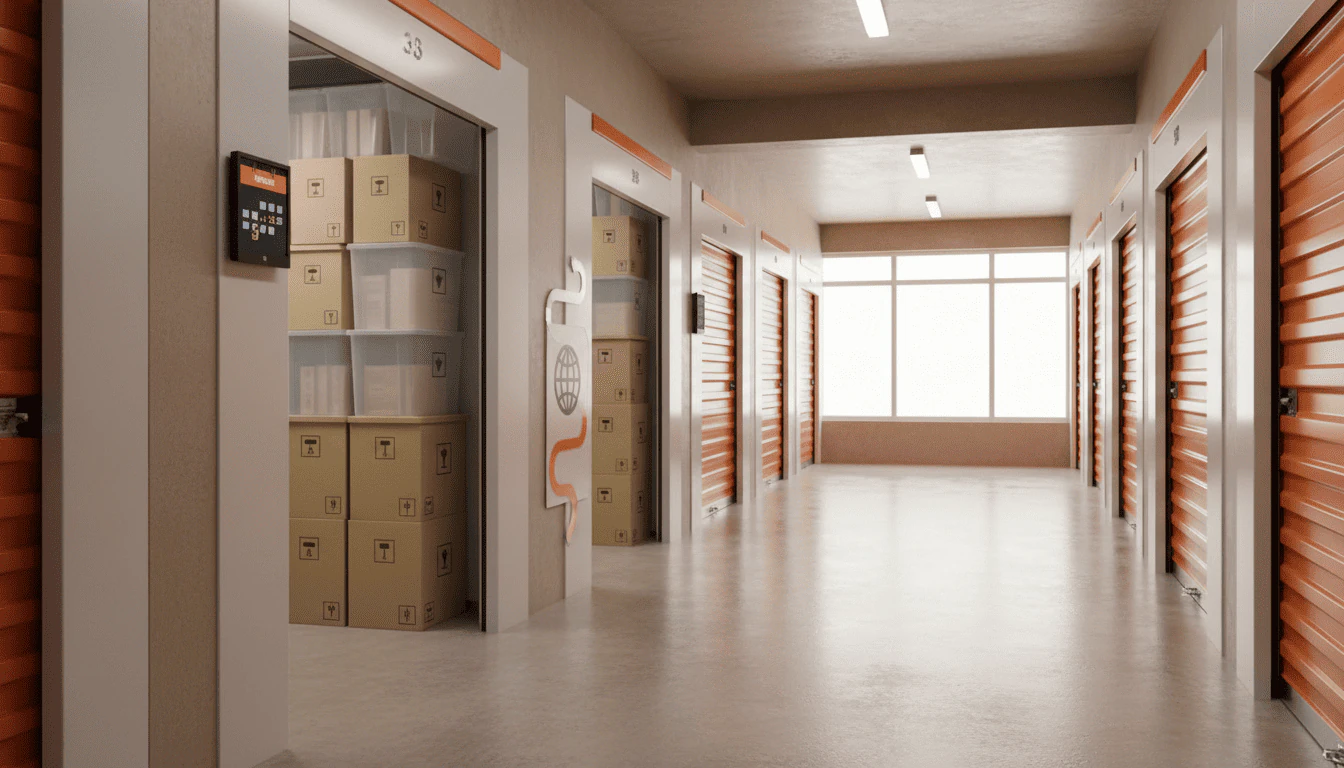
The short version of the problem is a single night. The load stays on the truck, strapped exactly as it was stacked, and overnight storage is $200.
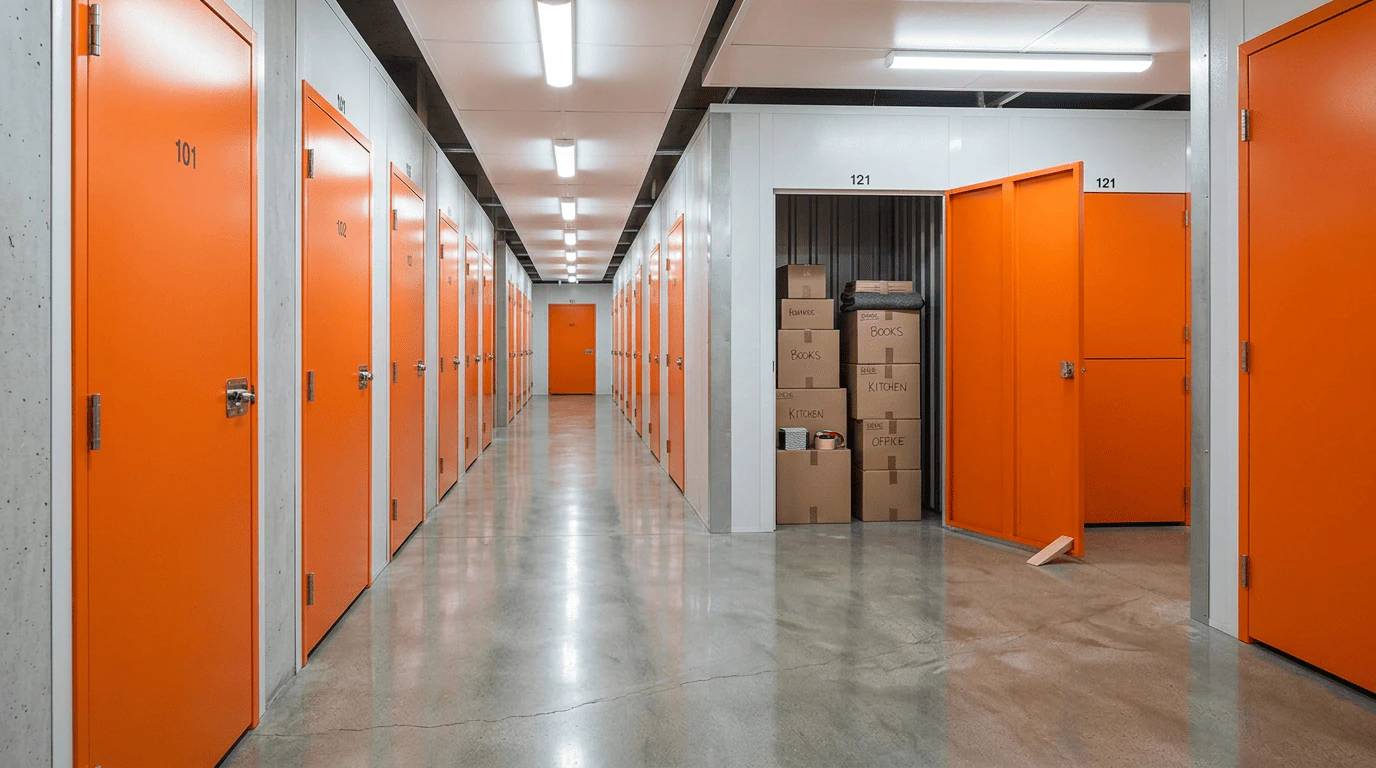
A longer gap calls for in-transit storage instead: your belongings come off the truck into storage, wait there, and go back on board for the final leg. Dates and cost are agreed before the first box is carried out, so the gap is a line on the schedule rather than an emergency.
Either way, tell us early. A gap known at the estimate is a planning question; a gap discovered on delivery morning is a truck parked in front of a house that nobody can open.