


%201.svg)










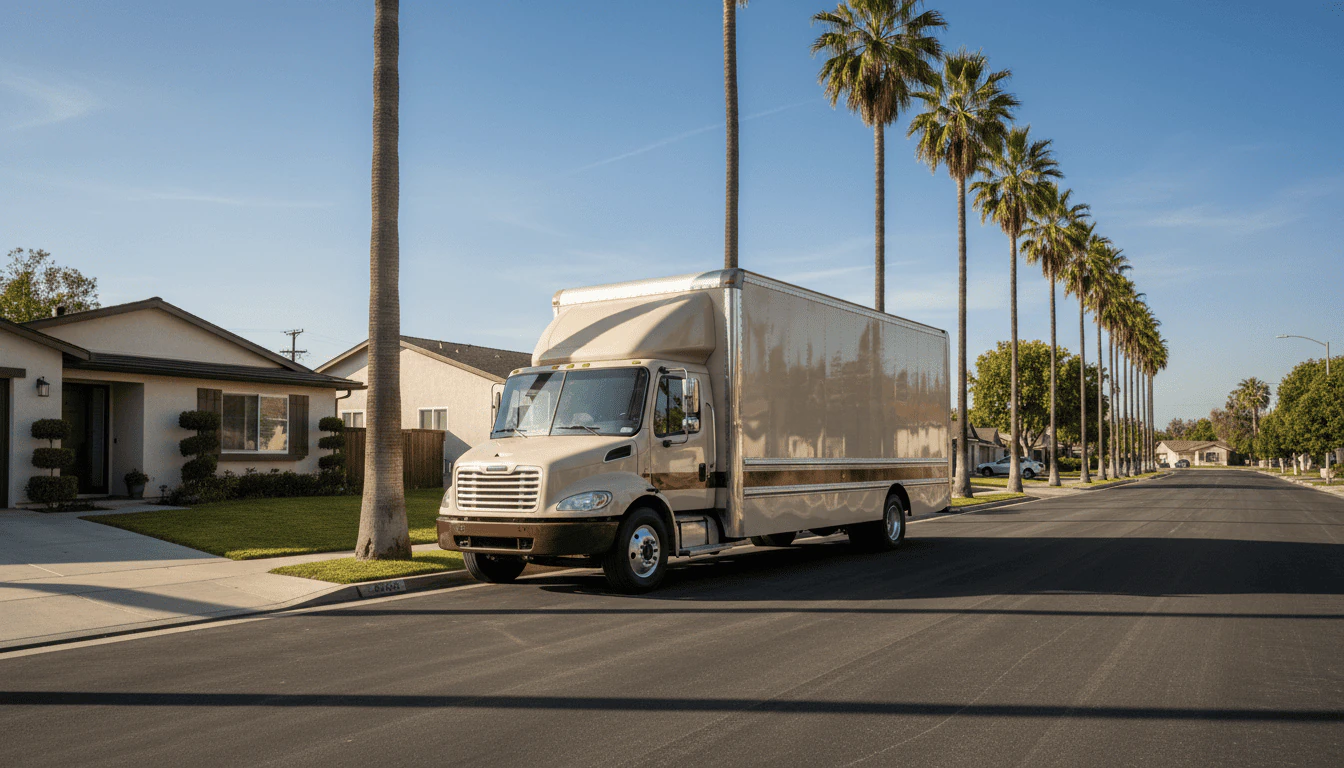
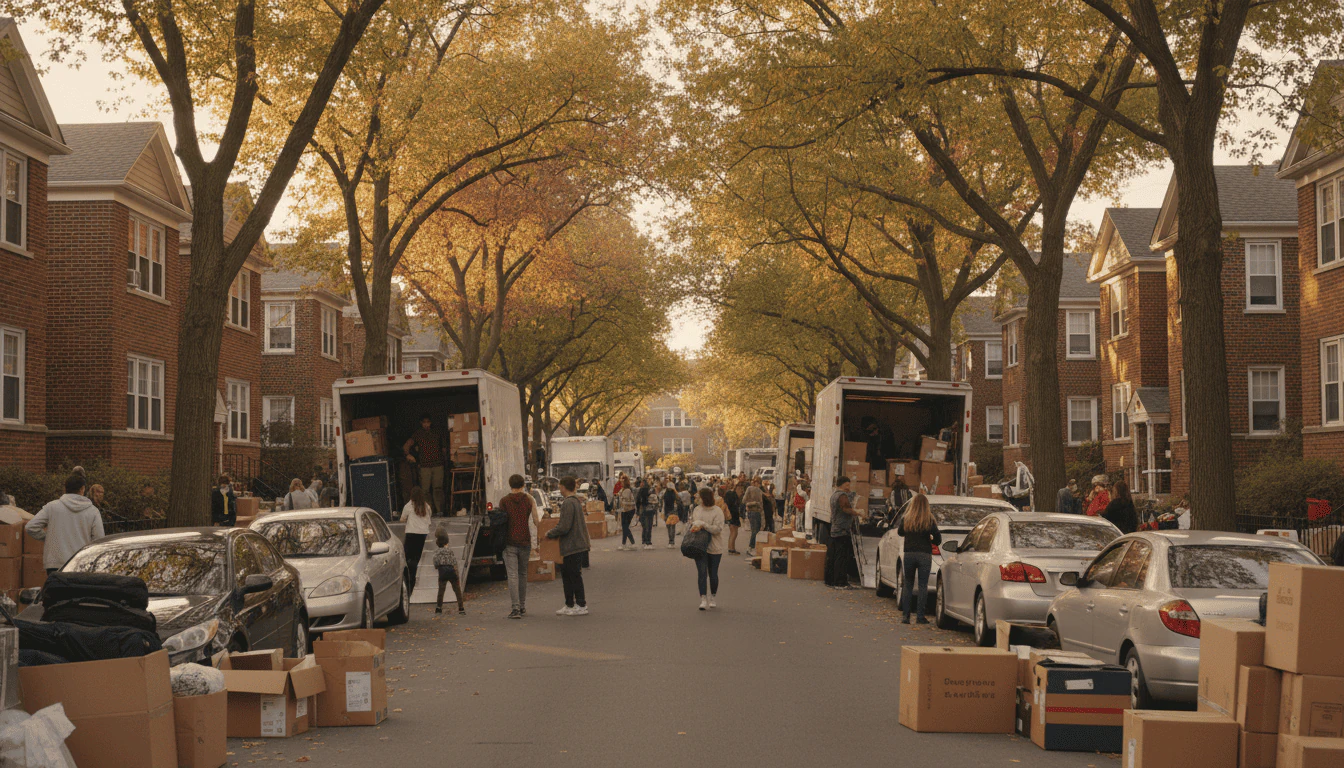
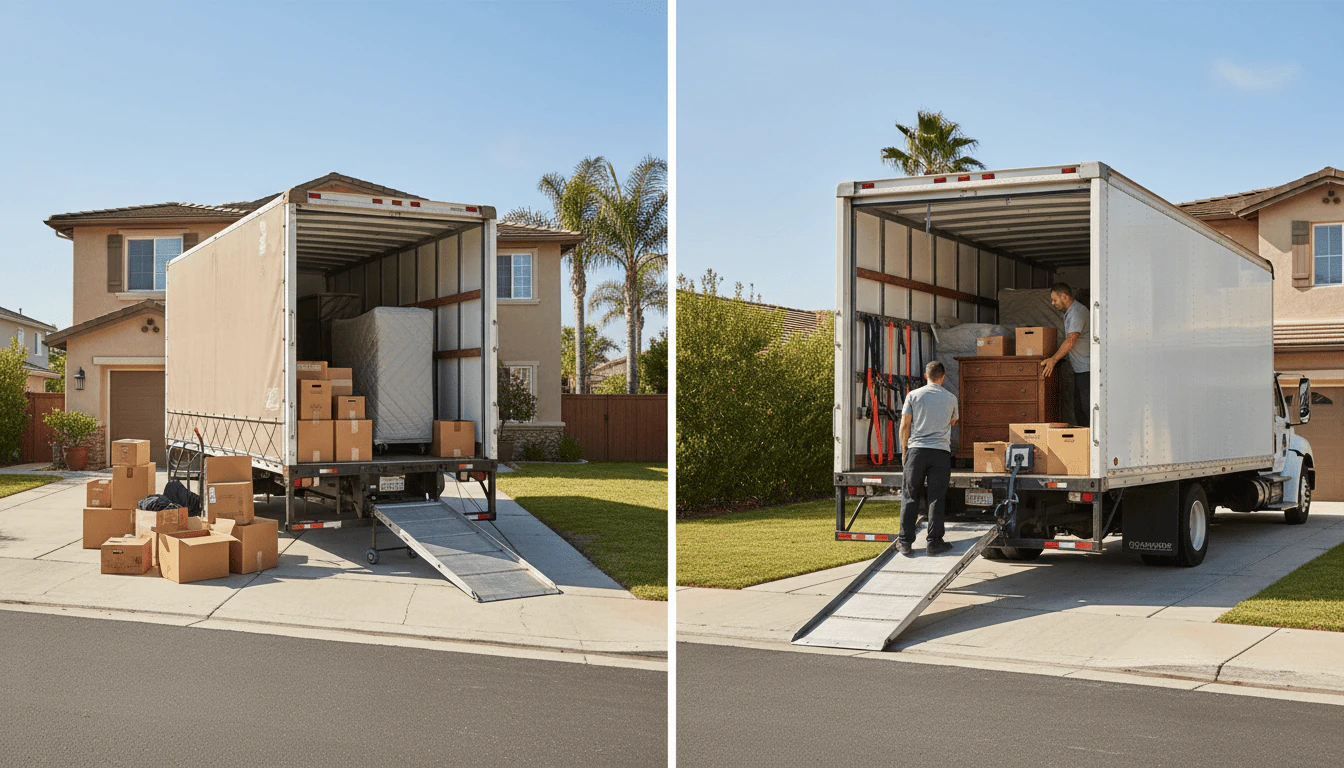
Comparing long-distance moving companies in Orange County usually comes down to three questions: will your things share a truck with someone else's, what exactly does the price include, and does the crew know how to work your particular address? SOS Moving answers the first two the same way for every client, with a dedicated 26-ft truck and one flat rate, as set out on our long-distance moving service page. The third answer is local, and it is what this page covers. If your move stays inside the county, our Orange County movers handle it at hourly rates instead.
The dedicated truck is the quicker of our two long-haul options. When the budget matters more than the arrival date, shared-load moving charges only for the space your belongings occupy, and delivery lands within 7–14 days.
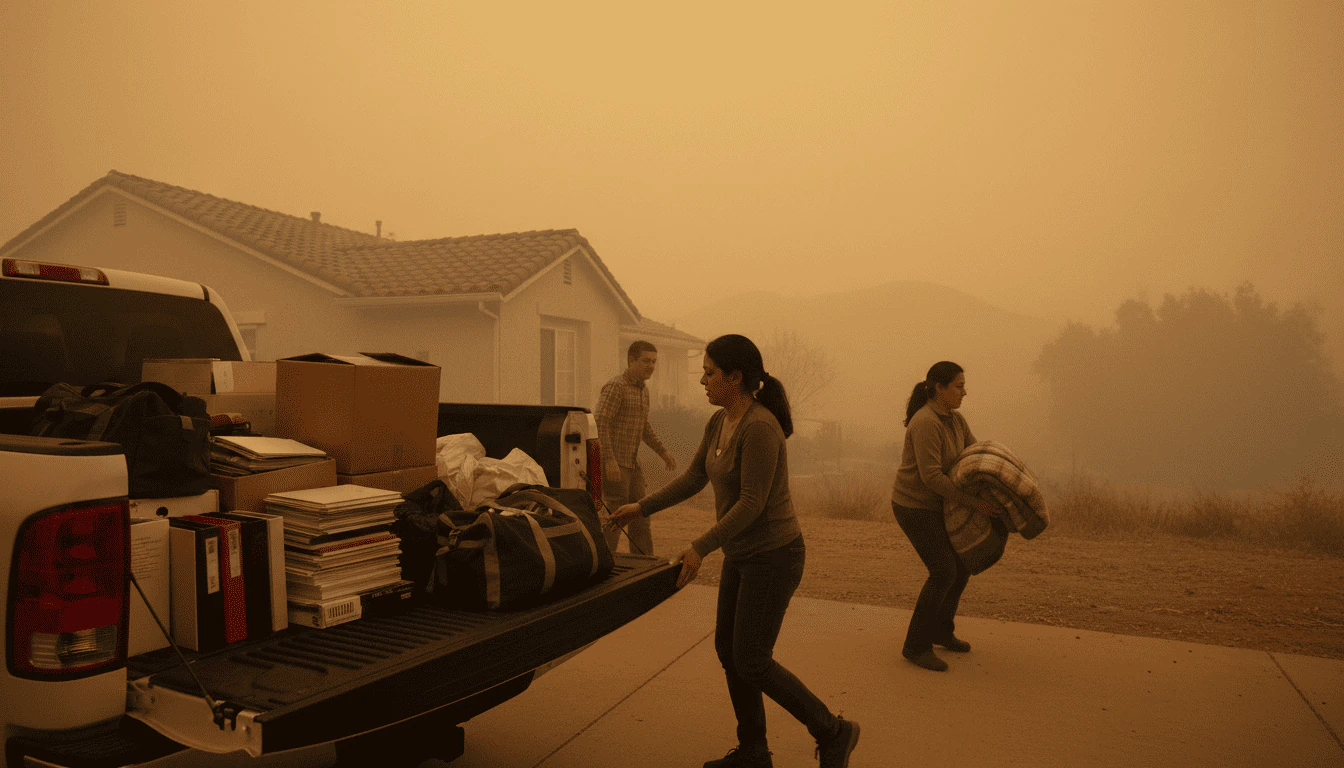
Leaving the county brings its own checklist: a curb-time limit in Laguna Beach, gate registration in Coto de Caza, toll roads and a weekday eastbound rush on the way out. Each one is explained further down, together with what our crew does about it.



We do not run a meter on long hauls. A move from Orange County to another state, or to a California city more than 150 miles away, gets a flat rate for the whole dedicated truck, and hourly crew rates are never applied to it.
The figure is worked out from four inputs: your inventory, the destination, whether our crew does the packing, and what access looks like at both ends, from a condo elevator to a gate or a street with time limits. Once it is agreed, fuel, mileage and taxes already sit inside it. If an HOA or a building manager asks for a certificate of insurance, that is a separate $50 line on the quote.
To get your number, send the room list, both addresses and a preferred loading date. The answer comes back as one price for the truck, not a range that settles on moving day.
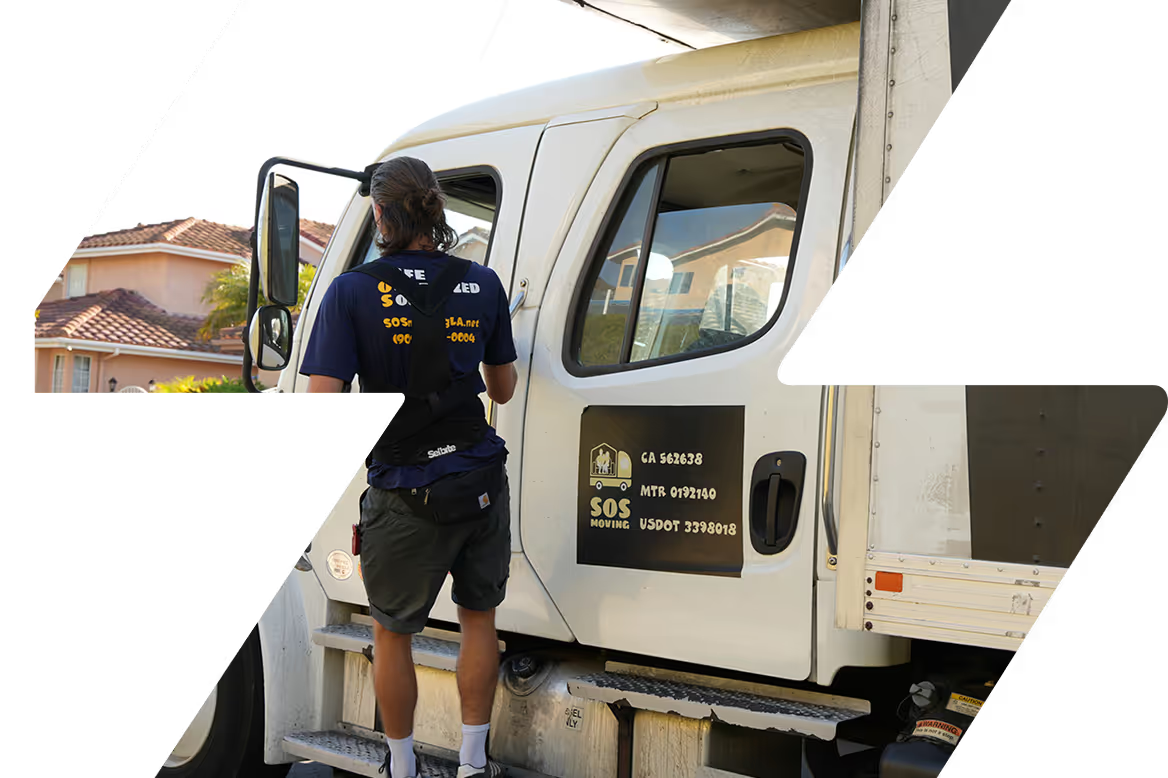
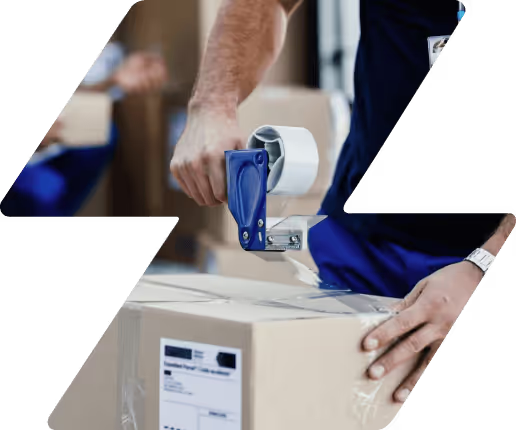


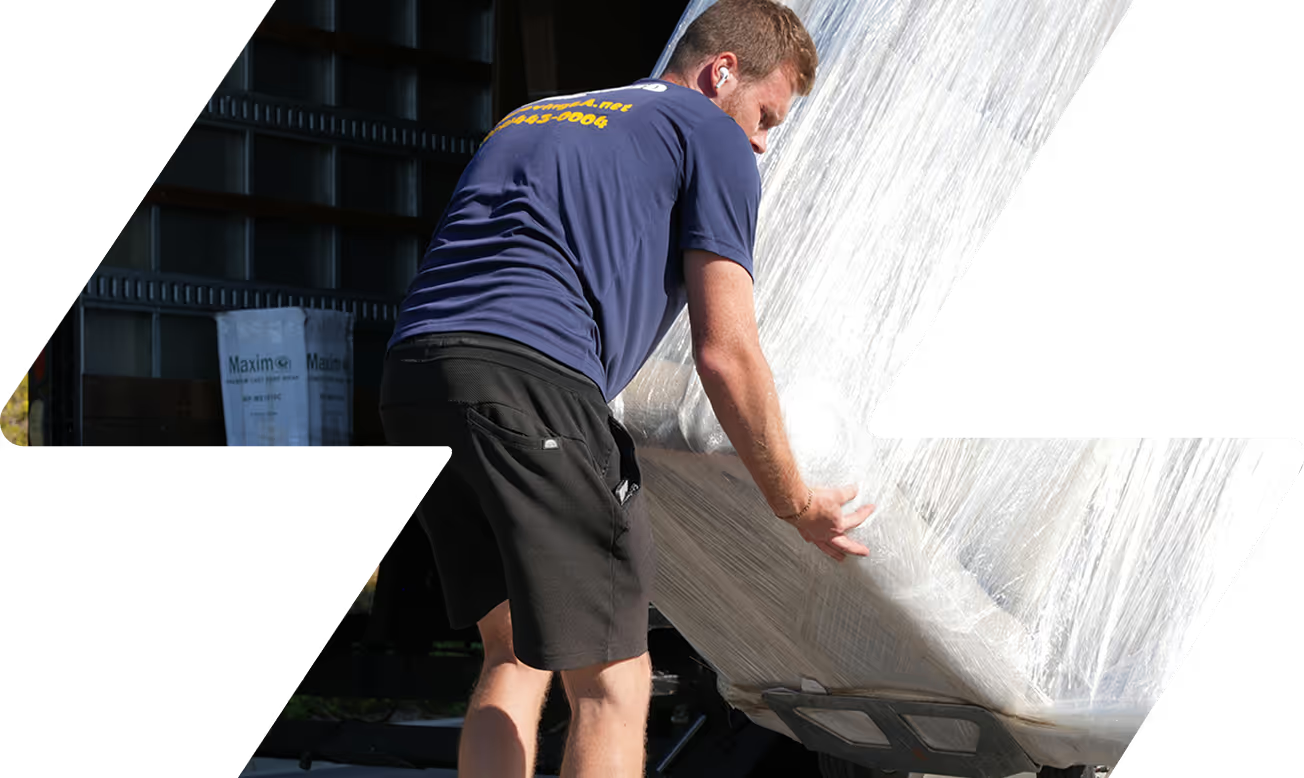



Four local details decide how smoothly a long-distance load-out goes here. Each comes with what we ask of you and what the crew takes on.
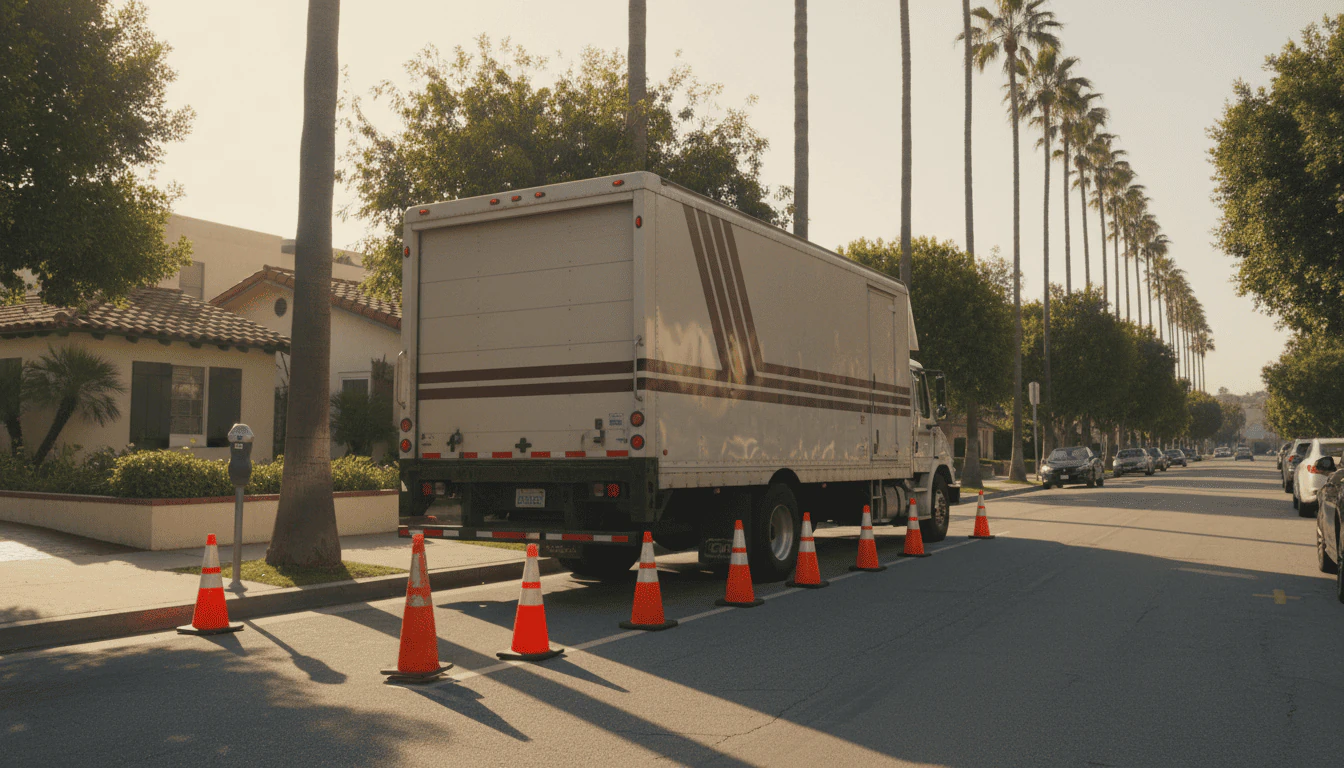
Laguna Beach limits how long commercial vehicles and trailers may stay on its public streets, alleys, lots and parking structures: five hours in total within any 24-hour period, under chapter 10.13 of the municipal code. The rule exempts a vehicle that is actively picking up or delivering goods to a building, and a load-out keeps that exemption only while it looks like one.
So our 26-ft truck does not show up early to hold a spot, and it is not left at the curb during a long pause. It arrives only when the crew can start carrying, and it departs as soon as the last piece is strapped down. Before the day, clear your driveway and garage apron, and if the truck cannot reach the door, tell us at the quote stage where the nearest legal curb space is.
Coto de Caza is a gated community with two entrances, both on Coto de Caza Drive: the main gate at the north end and the Oso gate at the south. Guest access goes through the CZ Master Association's registration system, so a resident who is moving out has to put the crew and the truck on file. We ask for that to be done before moving day, so nothing is being sorted out at the gate while a loaded schedule waits.
When you book, we send the company name, the crew lead's name and a contact number to enter. Let us know which gate is nearer your street, and the driver will approach from that end. Should the association require proof of coverage, our certificate of insurance costs $50; ask for it early so it is on file in time.
San Juan Capistrano, San Clemente and the neighborhoods around El Toro Road sit on the I-5, the southbound route out of the county toward San Diego, and that corridor has been rebuilt in stages. Between San Juan Capistrano and San Clemente the carpool lanes were extended and the Avenida Pico interchange rebuilt, work finished in 2018.
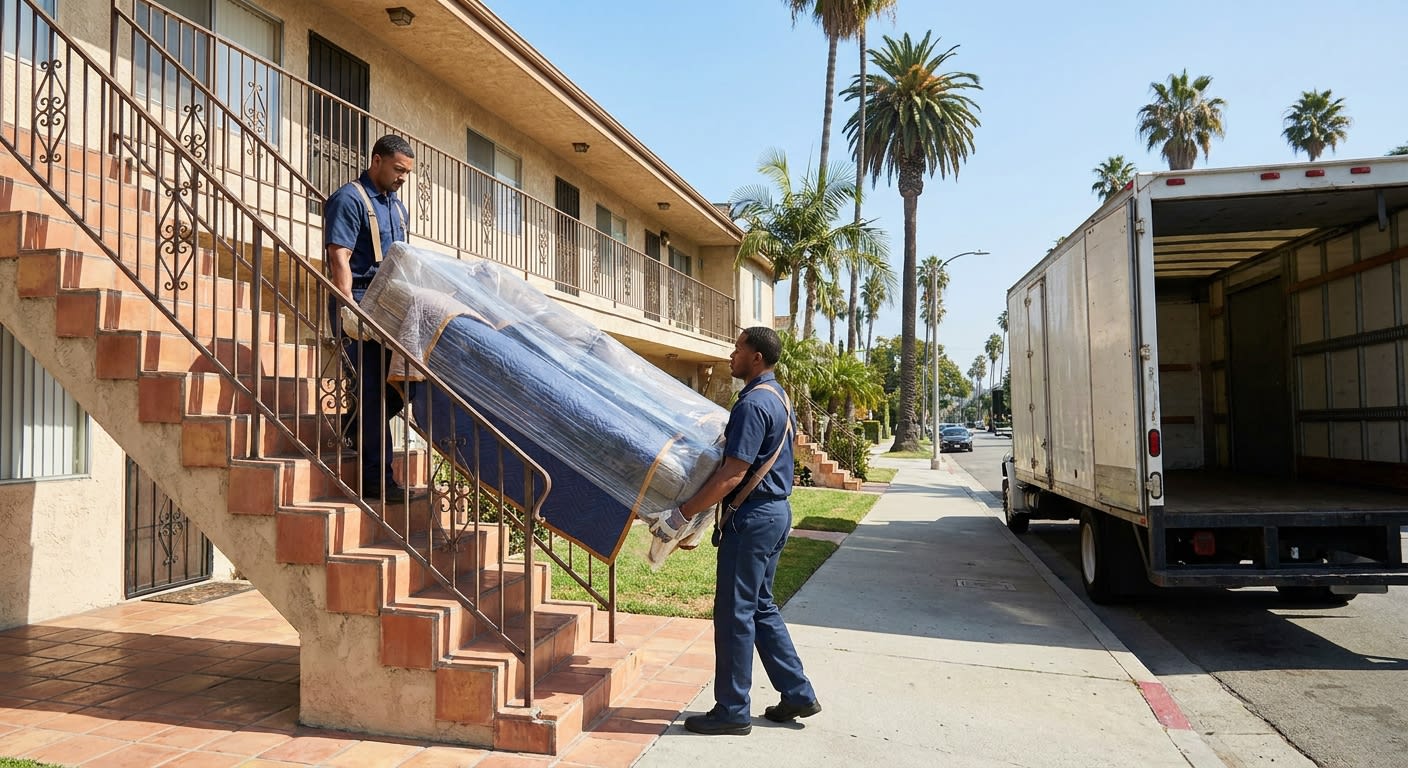
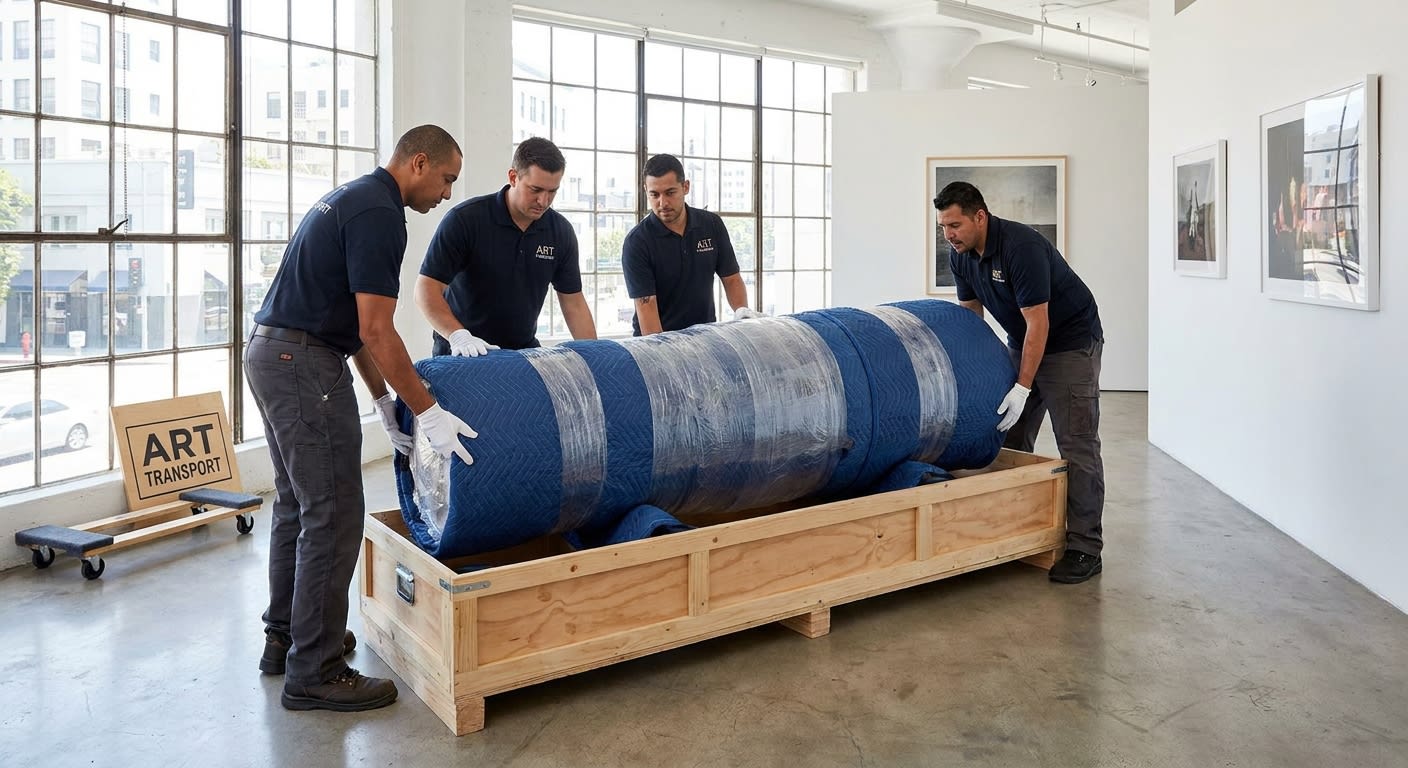
Farther north, the 6.5 miles between SR-73 and El Toro Road gained a general-purpose lane in each direction plus a second carpool lane from Alicia Parkway to El Toro Road; OCTA and Caltrans dedicated that project in April 2025. None of this changes the routine at your door. The crew pads door frames and railings, keeps a clear path to the truck, and wraps every piece in blankets and shrink wrap before it leaves the room.
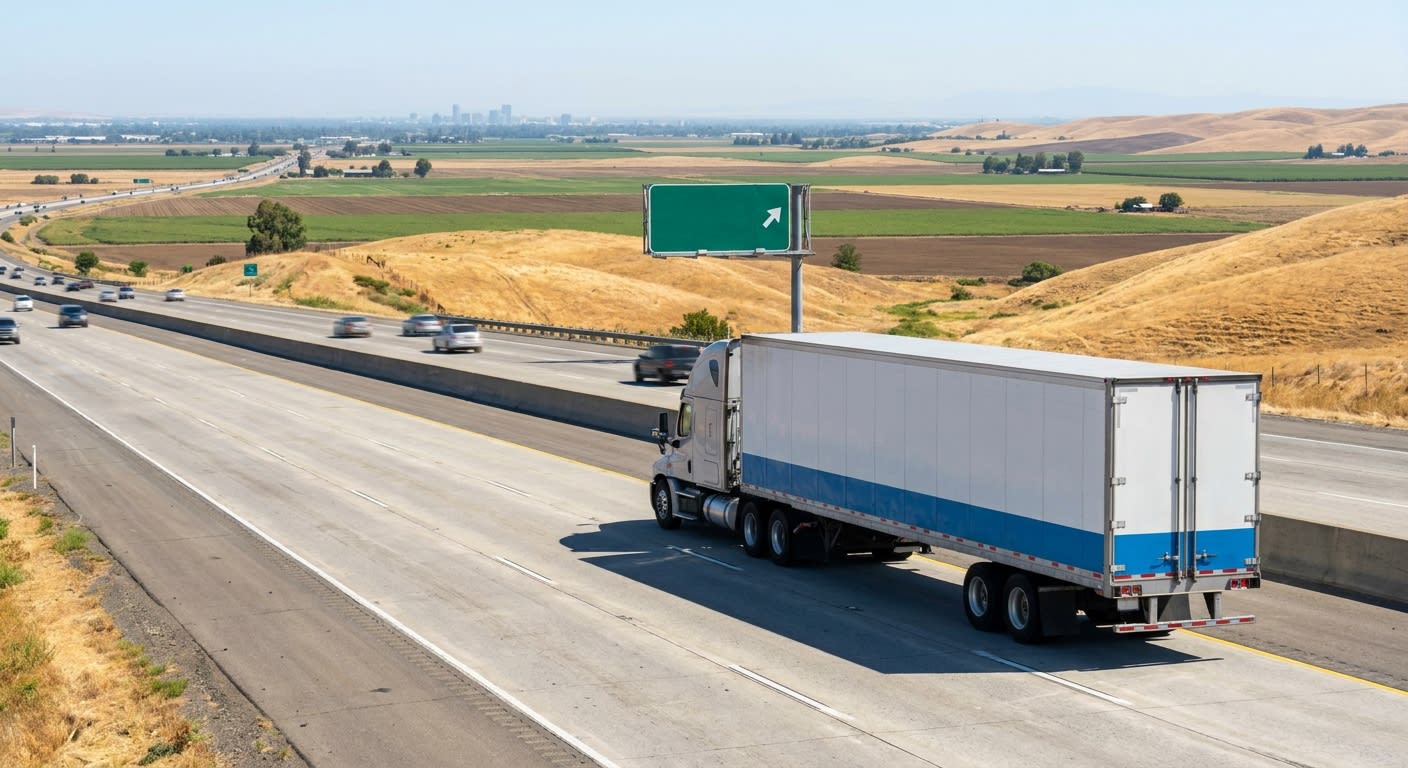
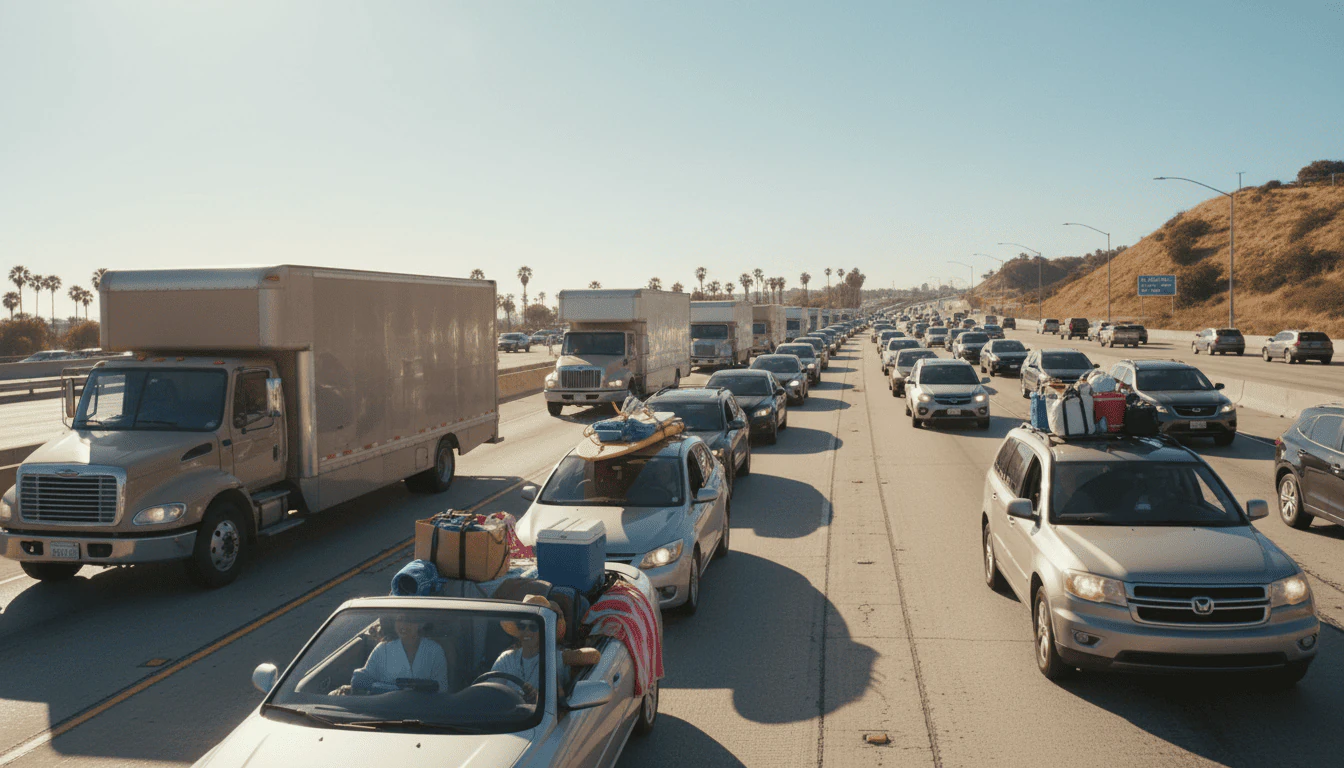
A truck heading inland takes SR-91 east toward Riverside County. The 91 Express Lanes treat weekday afternoons from 4 to 6 p.m. eastbound as their super-peak window, so for that direction we aim to have the loaded truck through the corridor before it starts. Other routes may touch the Toll Roads: SR-73, 133, 241 and 261 all run through Orange County, and their tolls depend on time of day, distance traveled and the number of axles.
Whether your route uses one of them or a free freeway is decided while we prepare the quote, not on the morning of the move. The crew drives down from our base in Los Angeles, and since our hours run Monday to Sunday, 8AM – 6PM, the whole load-out is planned inside that window.
| Starting point | What to plan for on loading day |
|---|---|
| A street address in Laguna Beach | Commercial vehicles get five cumulative hours per 24 on public streets, alleys, lots and parking structures, and active loading is exempt. Our truck arrives as the crew starts and stays an active loading operation until it goes. |
| A home inside Coto de Caza | Register the crew and truck through the CZ Master Association system before the day, and tell us whether the main gate (north end) or the Oso gate (south end) is closer. |
| A home near SR-91, truck heading inland | Eastbound 91 Express Lanes reach their super-peak on weekdays from 4 to 6 p.m.; we plan the loading so the truck is through the corridor earlier. |
| Near SR-73, 133, 241 or 261 | Tolls vary with time of day, distance and axle count. The toll-road or free-freeway choice is made when the route is quoted. |
| San Juan Capistrano or San Clemente | The way out is the I-5 south toward San Diego, where the carpool lanes were extended and the Avenida Pico interchange was rebuilt. |






Only while it is actively loading. Laguna Beach allows commercial vehicles five cumulative hours on public streets, alleys, lots and parking structures within any 24-hour period, and it exempts a truck that is picking up goods from a building. We send the truck when the crew is ready to start and move it out once the load is strapped, instead of parking it ahead of time.
Register the crew and our truck through the CZ Master Association guest system before moving day. We give you the company name, the crew lead's name and a phone number to enter. Tell us whether the main gate or the Oso gate is closer, so the driver comes in at the right end of Coto de Caza Drive.
No. Long-distance jobs are priced as one flat rate for a dedicated truck, with fuel, mileage and taxes inside the number. Hourly rates apply only to local moves.
It depends on the distance. Up to 400 miles, delivery can happen the same day; for 500–1,500 miles plan on 1–3 days, and for 2,000–3,000 miles on 3–7 days. We try to arrive near the start of that range and phone before we pull up.
Sometimes. SR-73, 133, 241 and 261 are toll roads, and the charge depends on time of day, distance and the number of axles. We settle the route, toll road or free freeway, while preparing your quote, so it is not a judgment call made on moving day.
Ask for in-transit storage. Your load goes into a secured, climate-controlled facility and is delivered once you have the keys, and if your closing slips, the storage period can be lengthened with no penalty.
Every out-of-state move we run from Orange County passes through five stages: the estimate, packing, loading, the drive and unloading. The work inside each stage changes from house to house, and most of it is settled before our truck leaves Los Angeles for your address.
The estimate starts with your inventory. Send a room-by-room list, or talk it through with us by phone, and add what a list cannot show: stairs or an elevator, how close the truck can park, whether a gate or an association needs notice. The flat price is built from that picture, so a complete list means fewer questions on loading day.
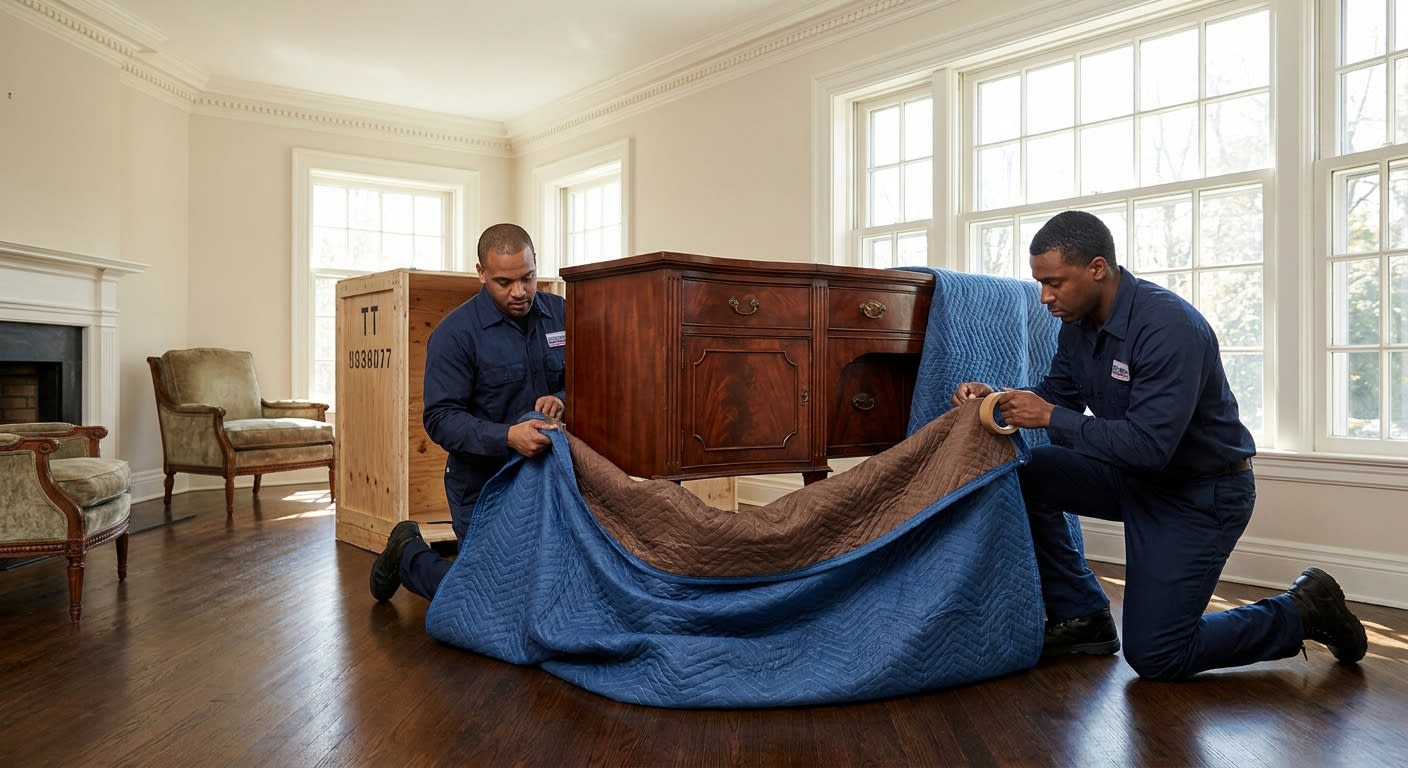
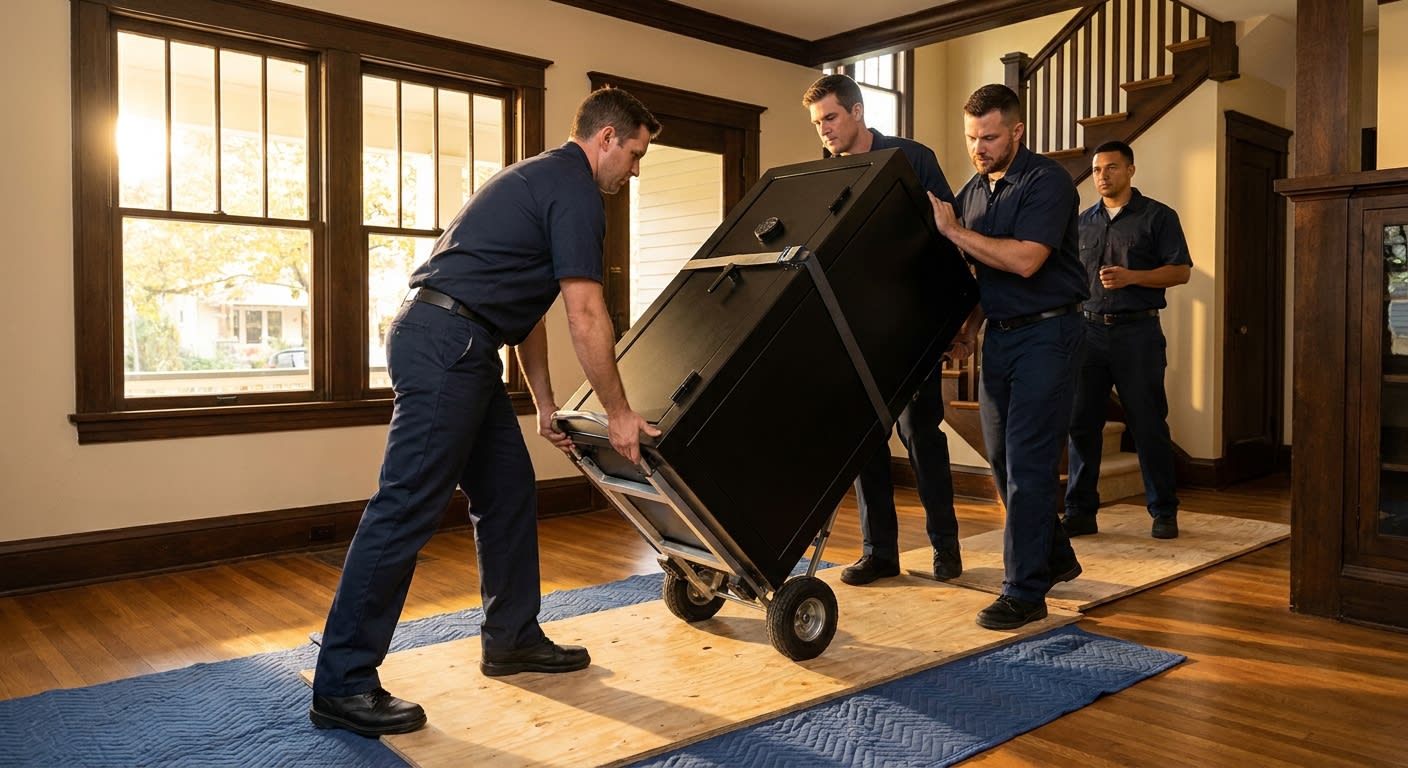
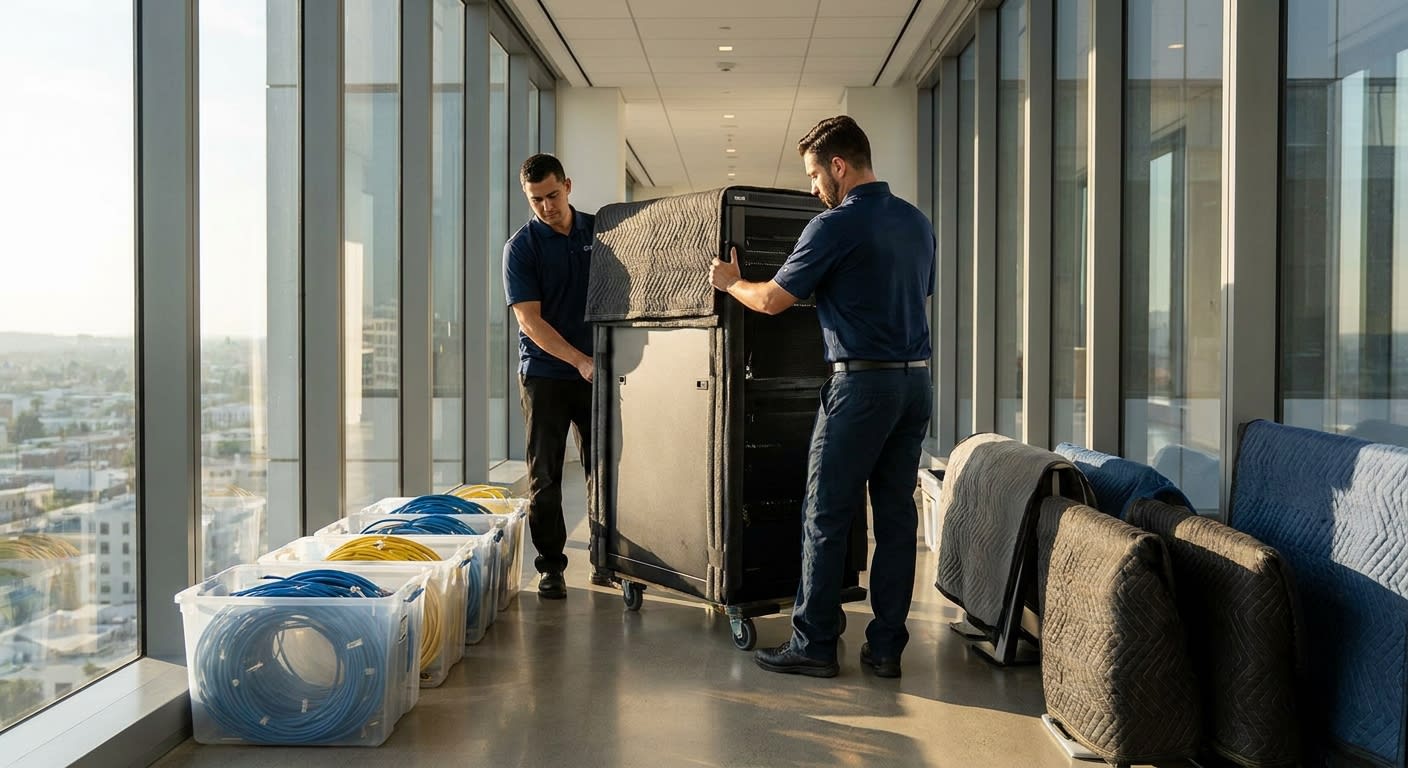
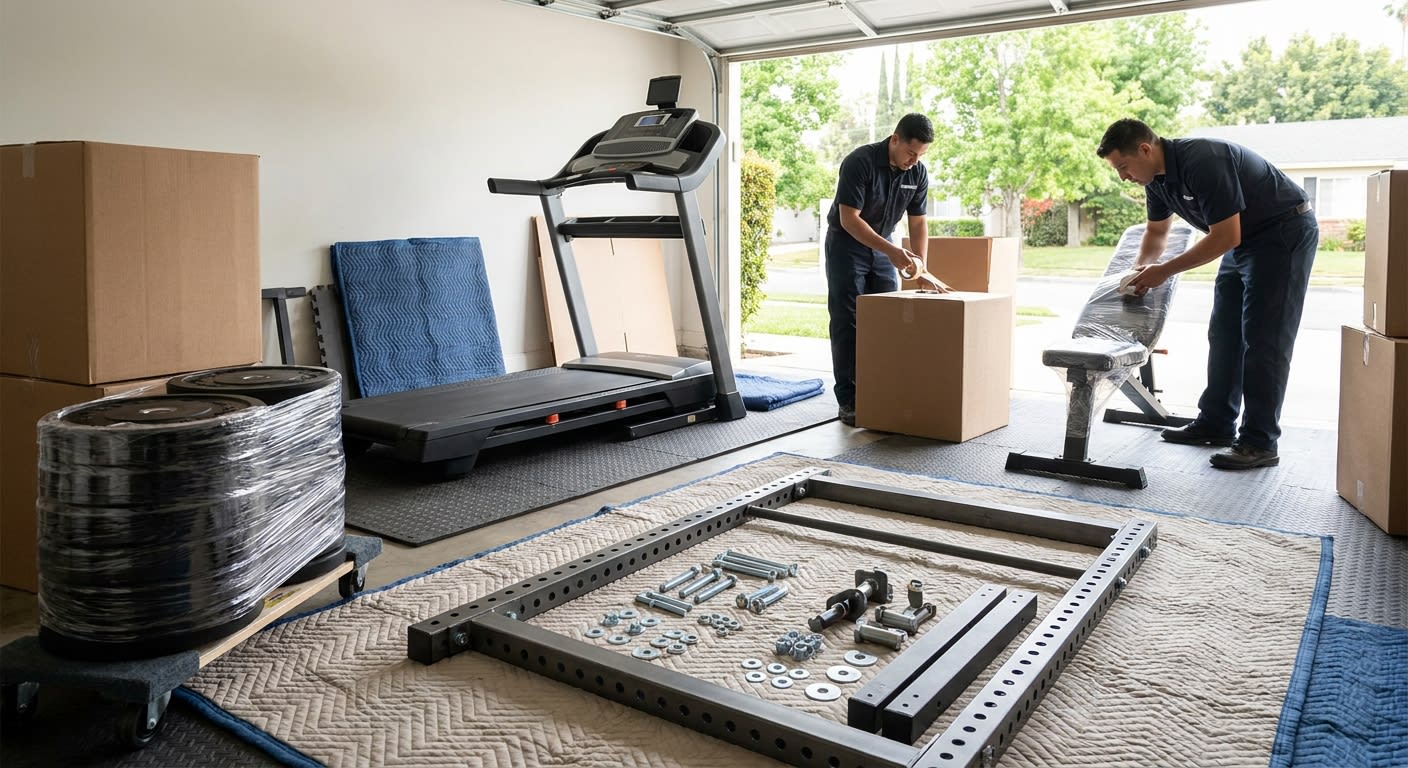
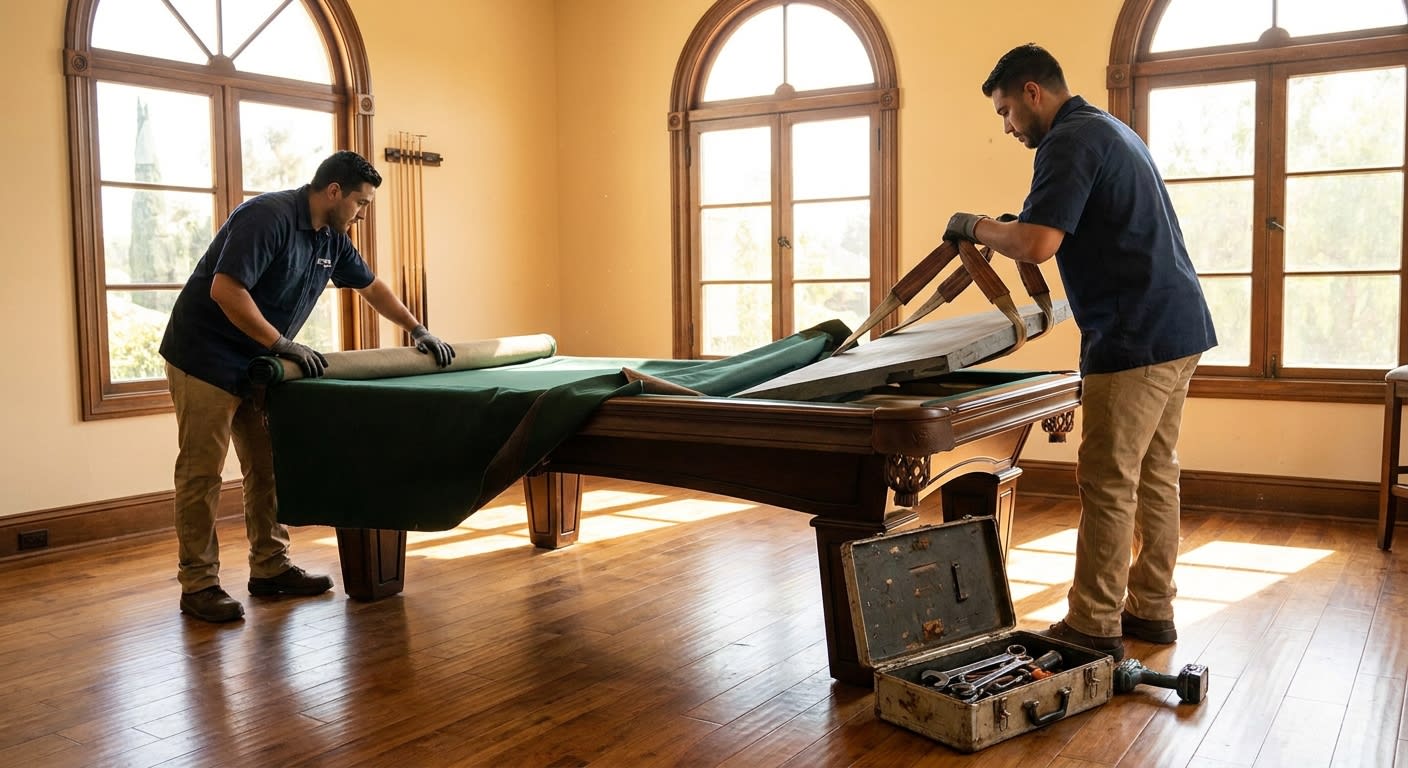
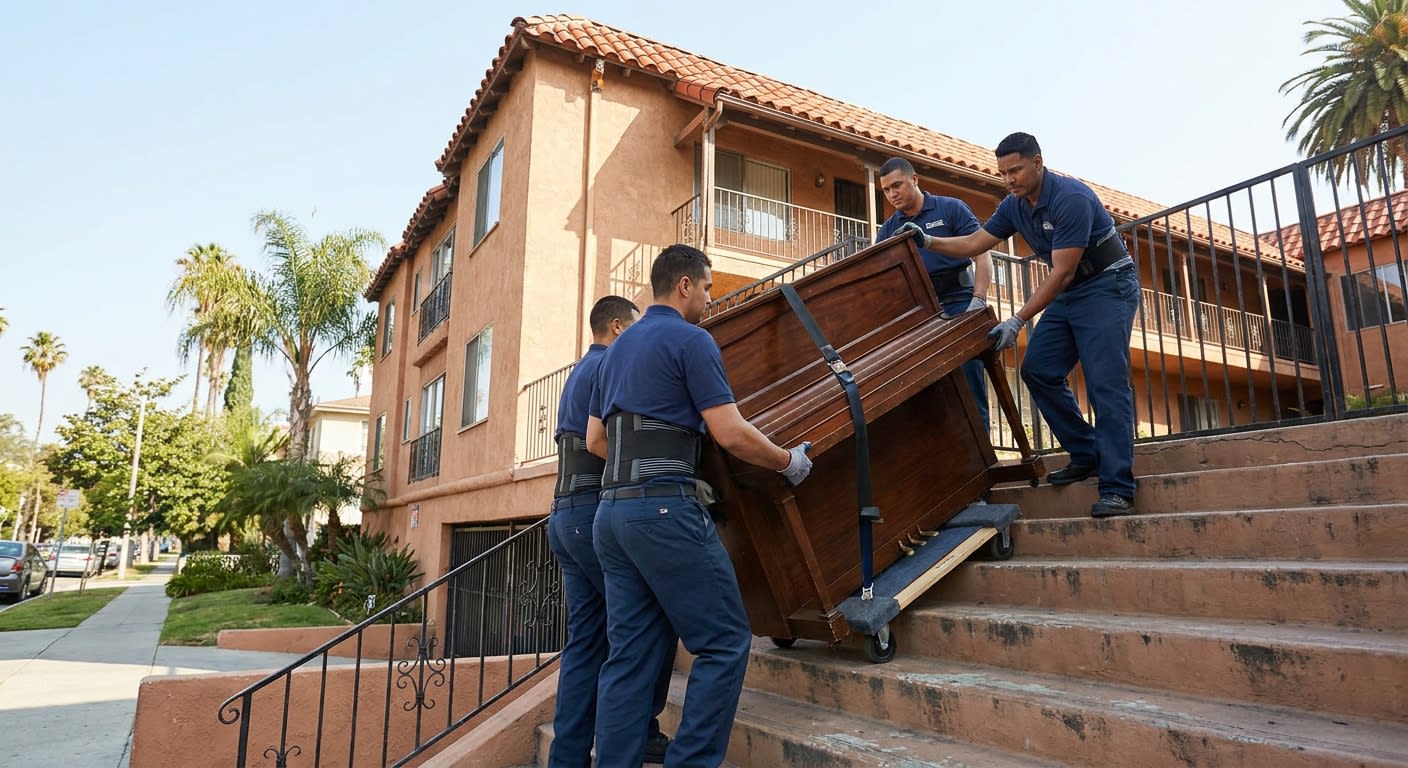
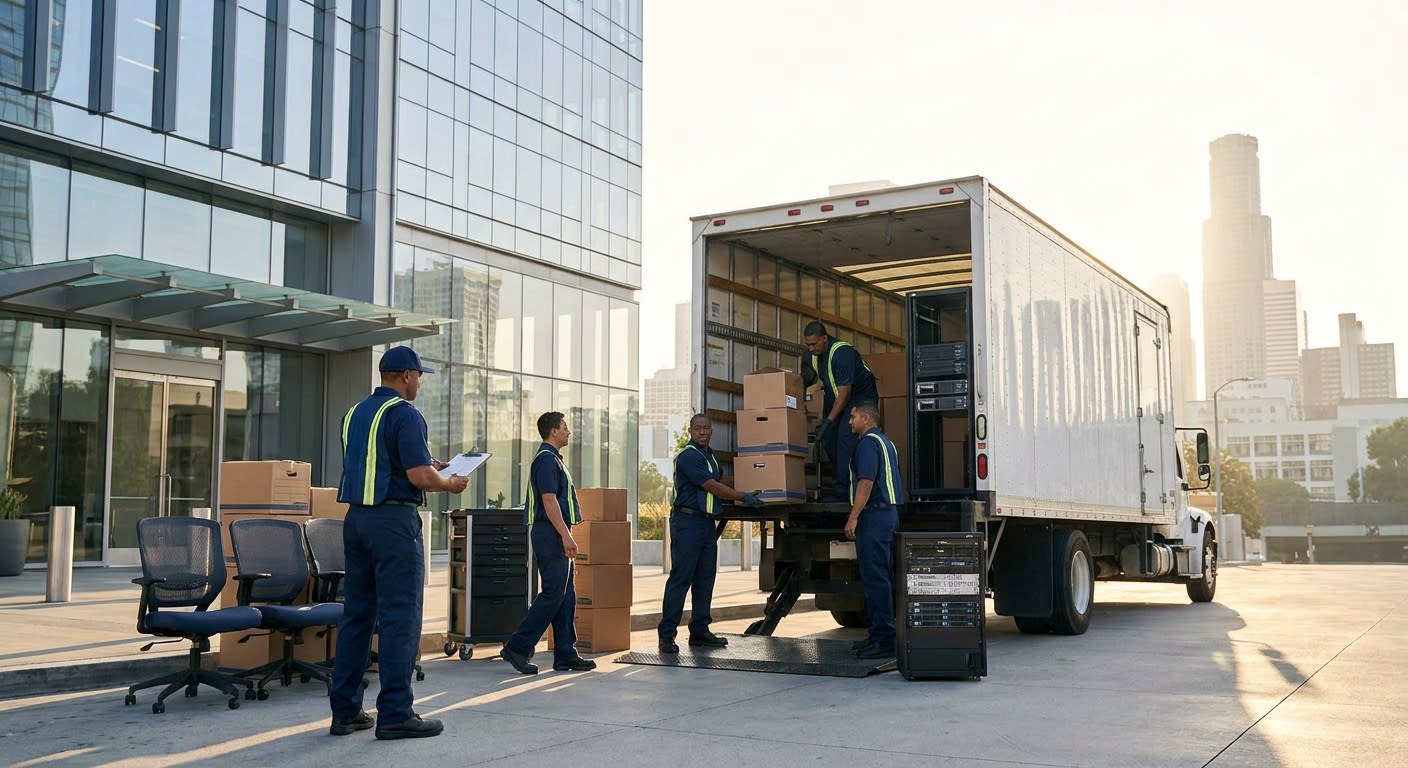
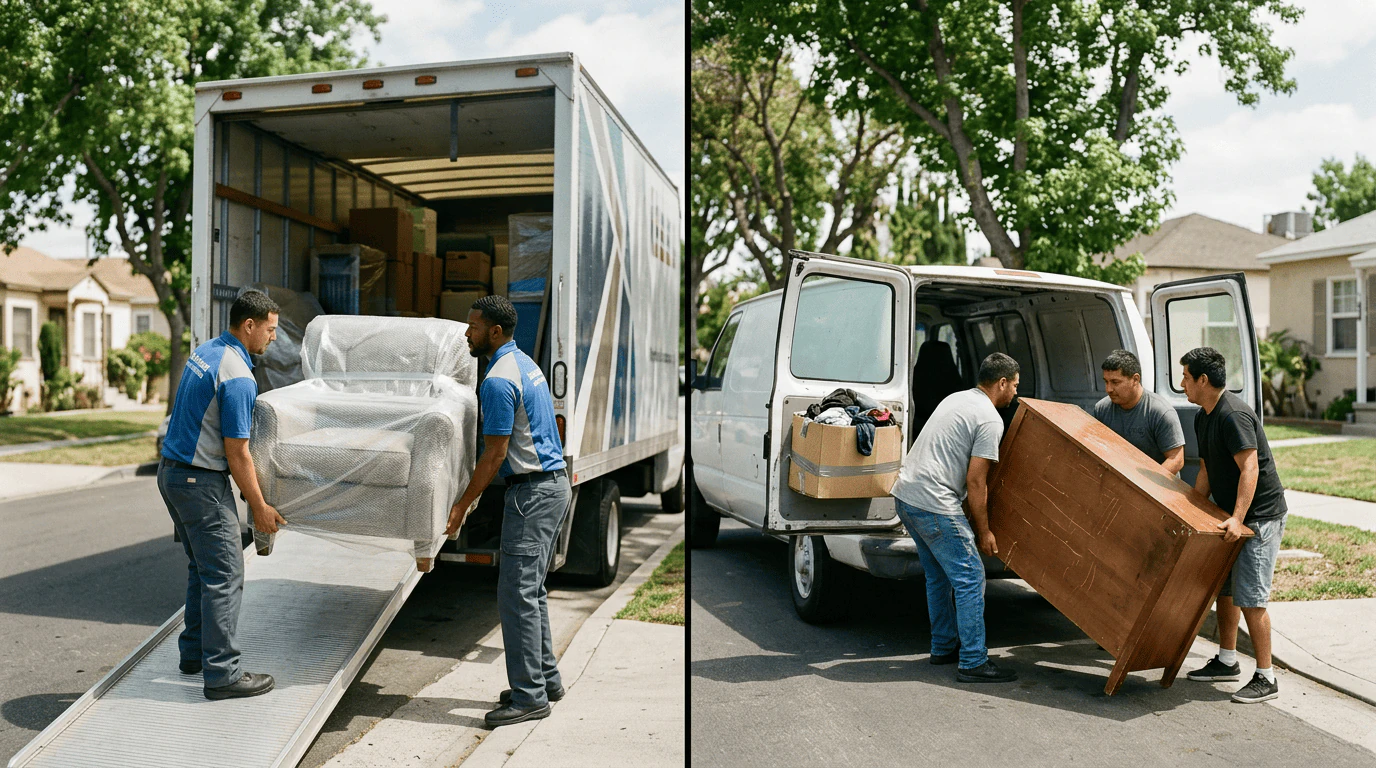
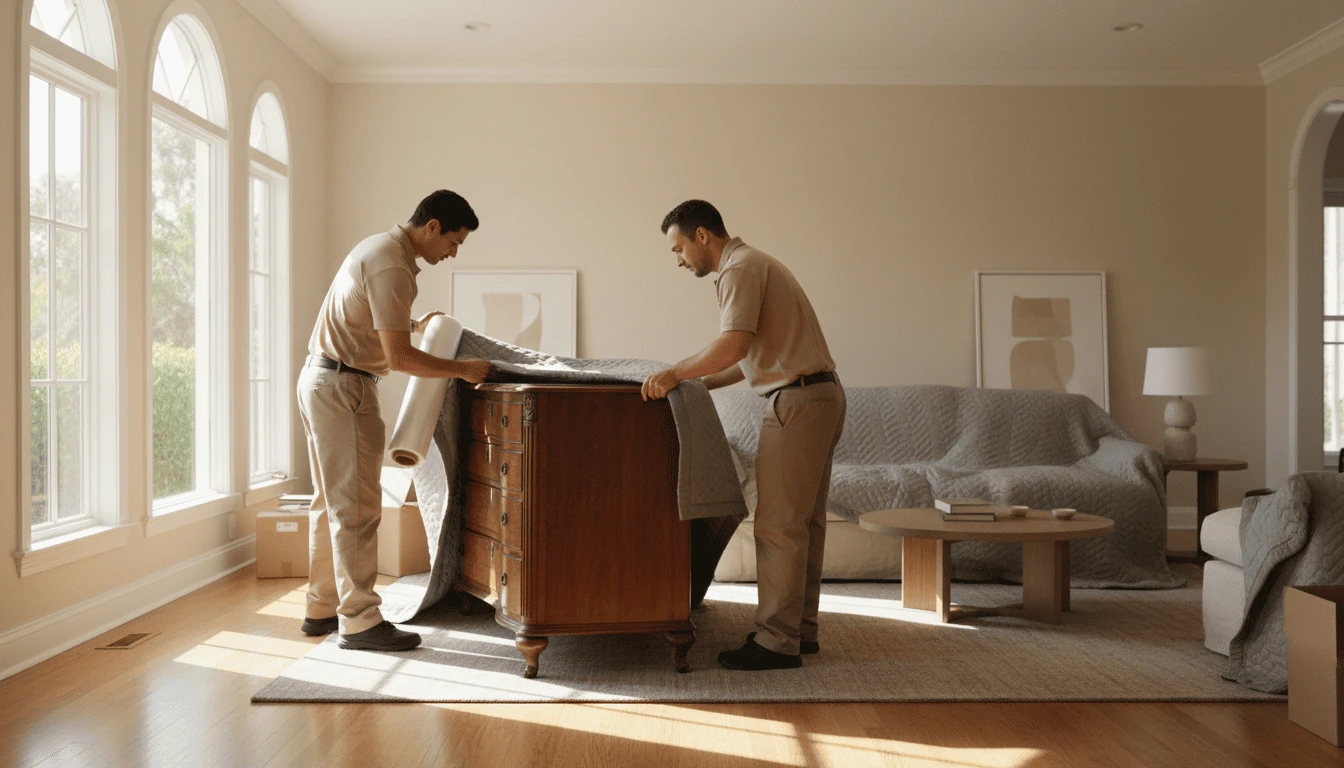
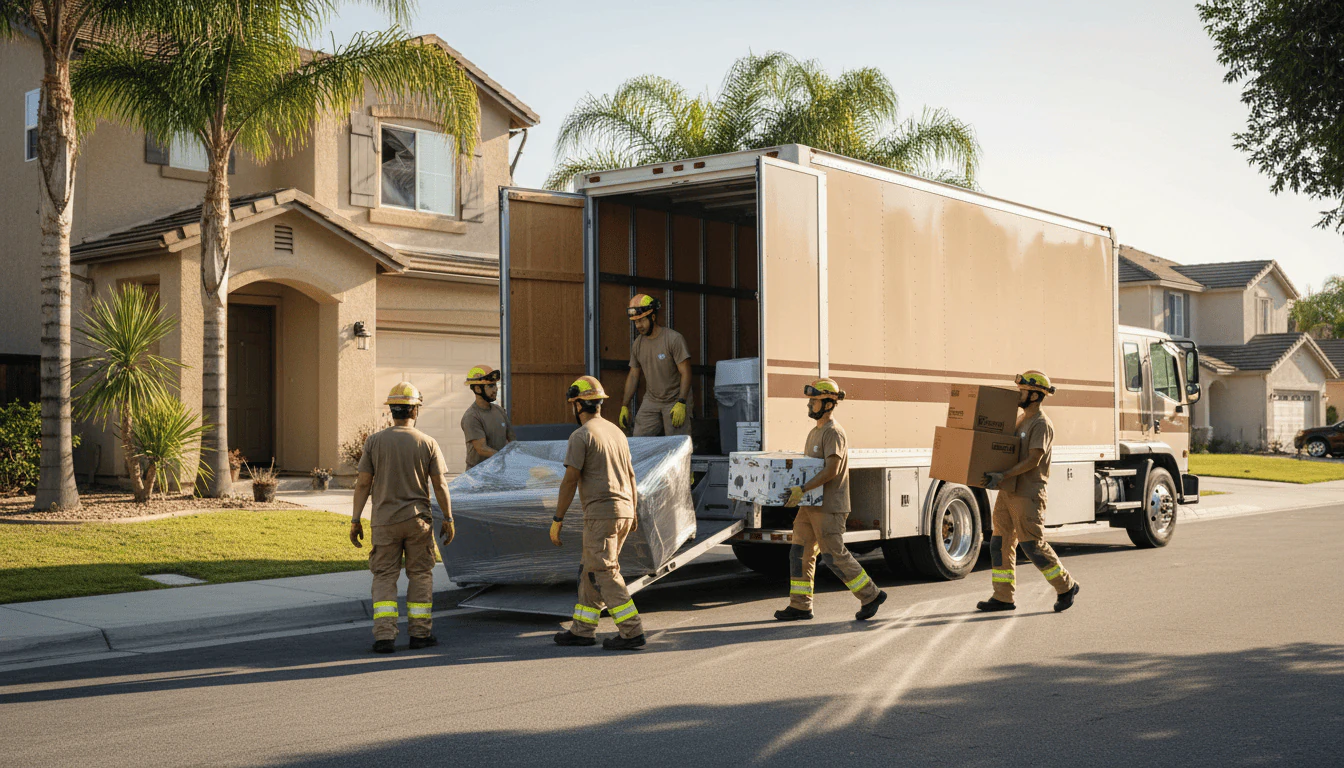
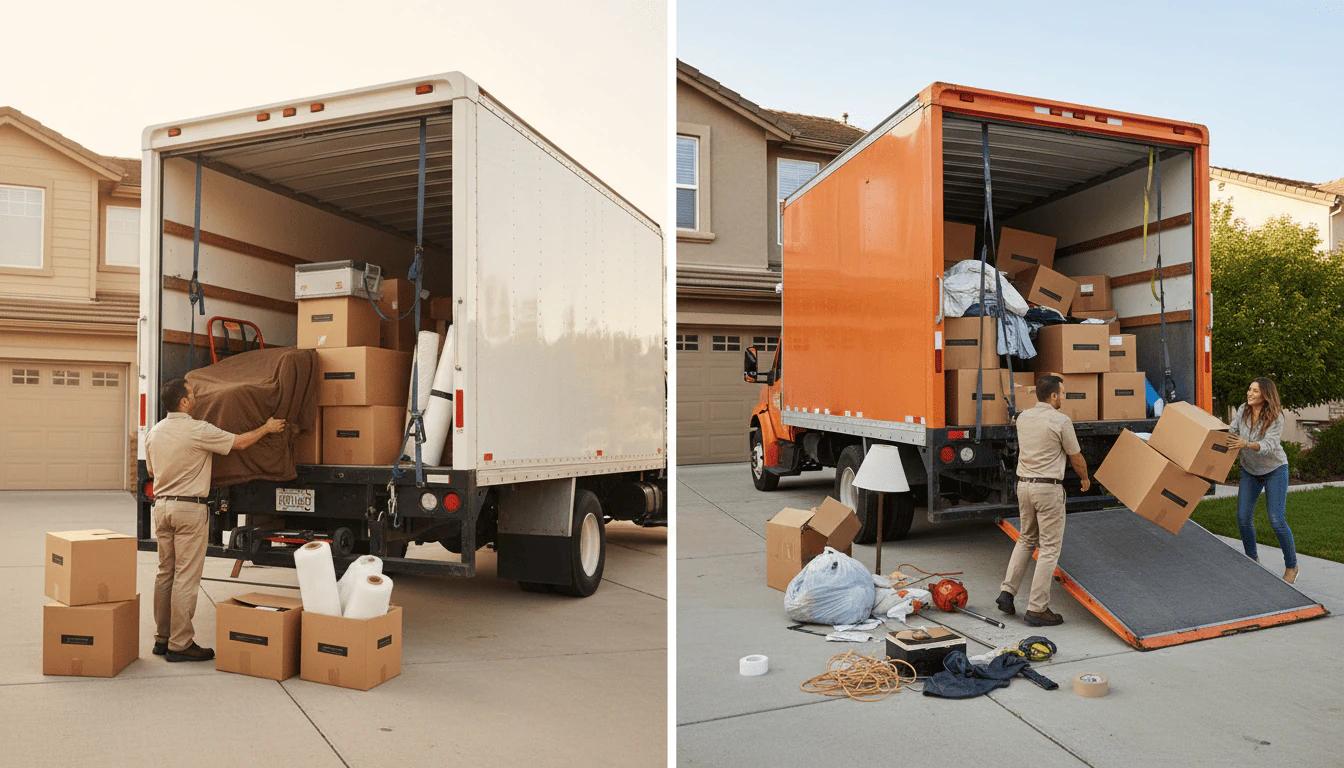
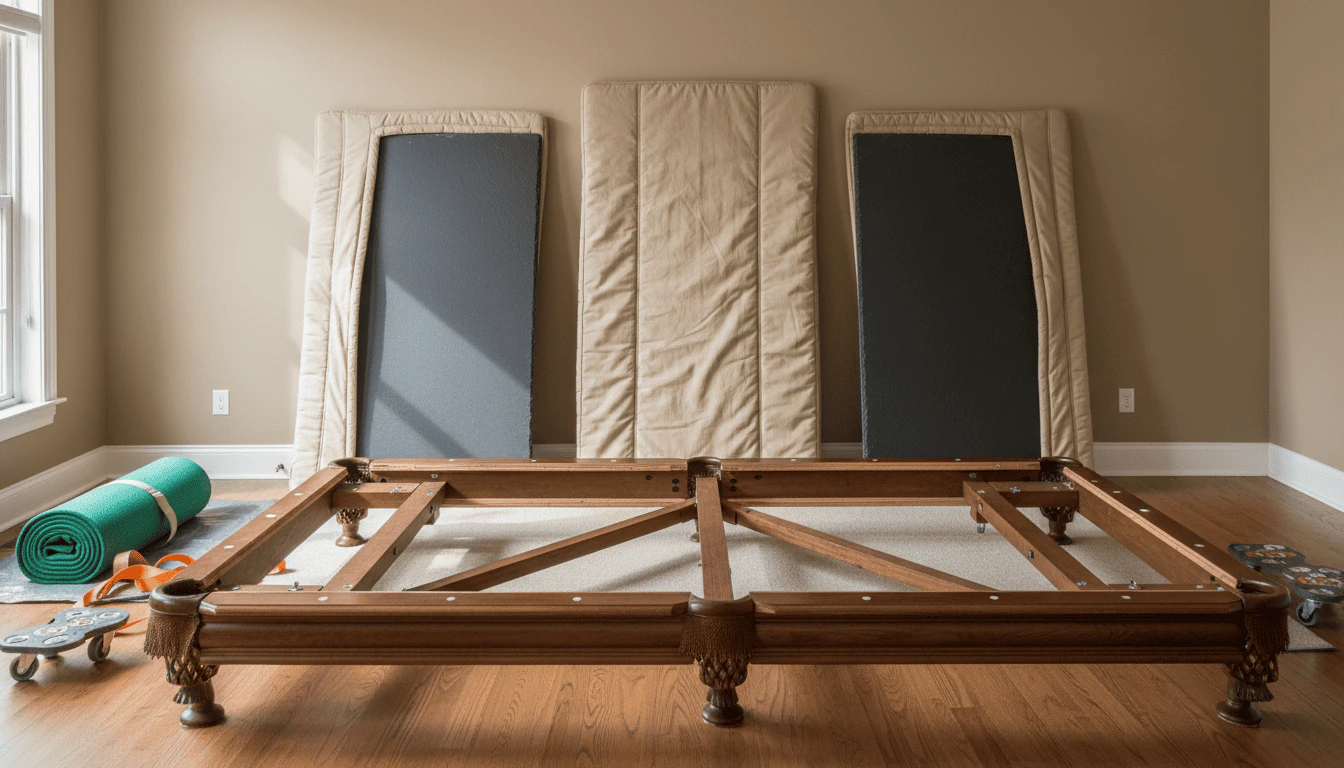
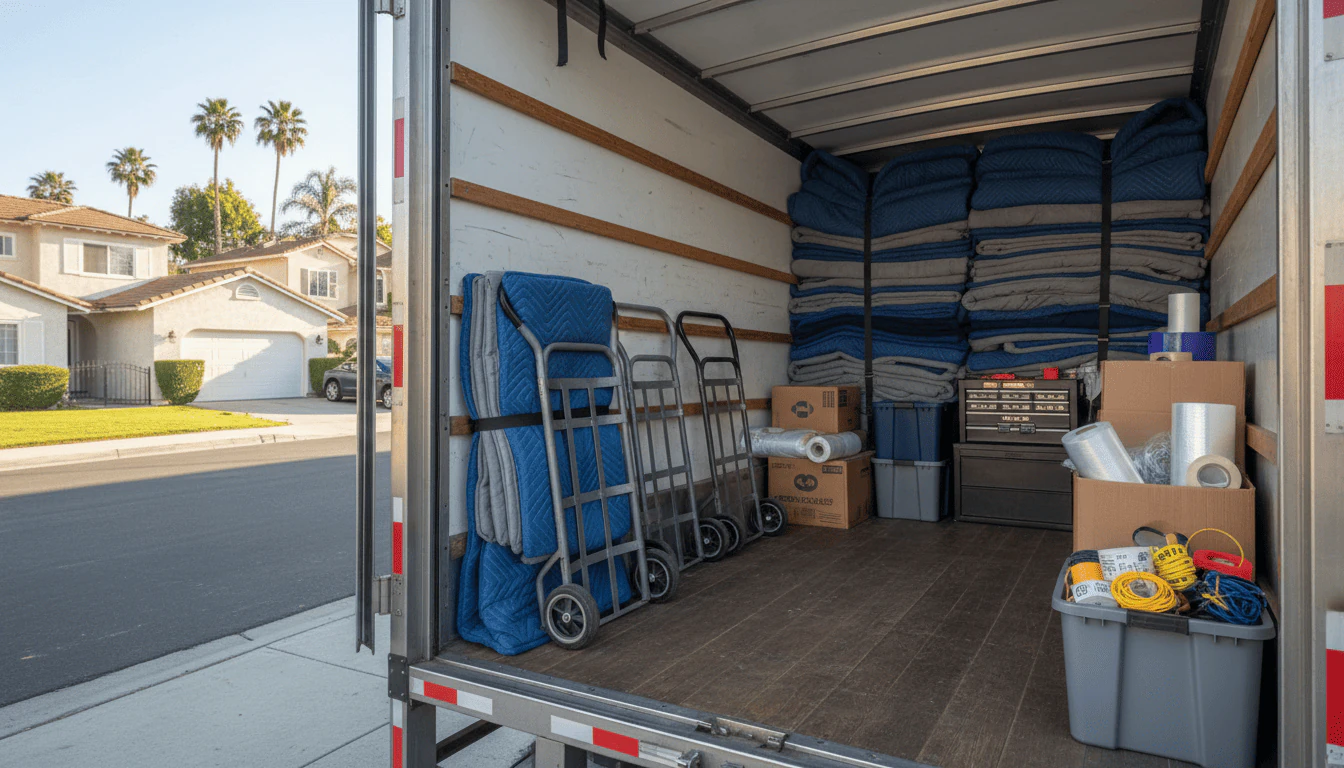
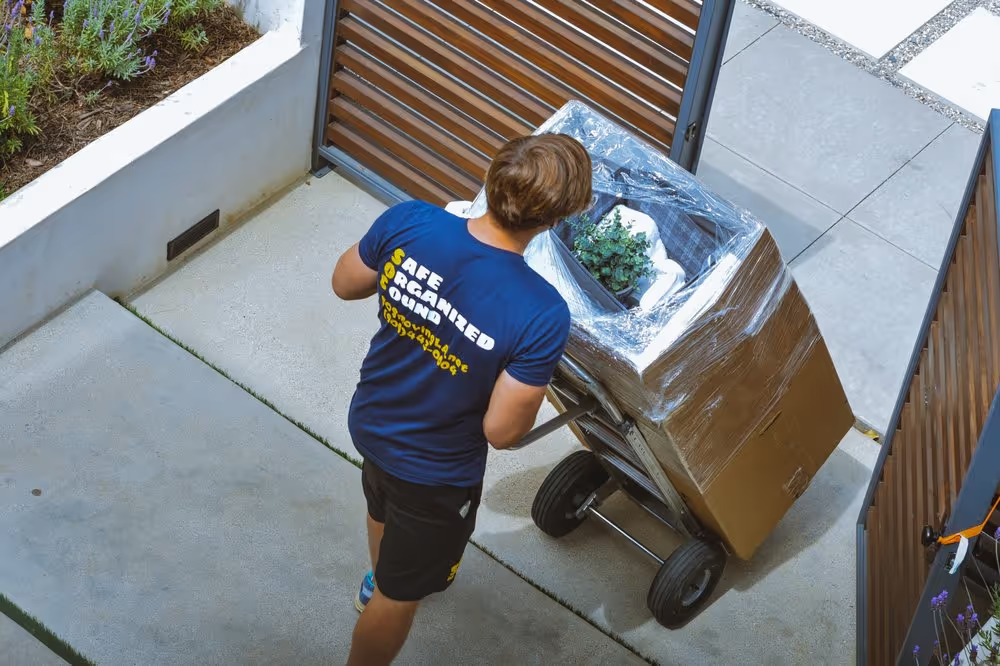
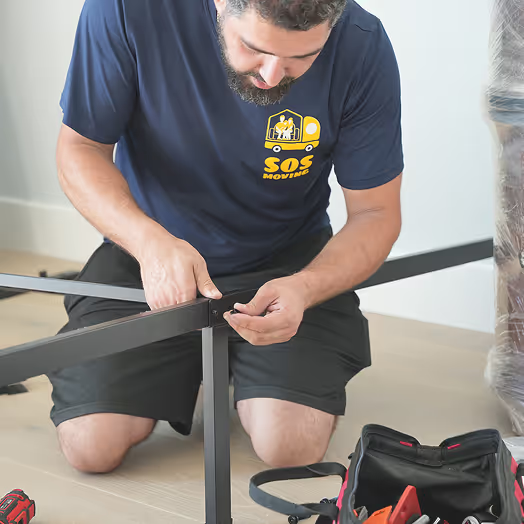
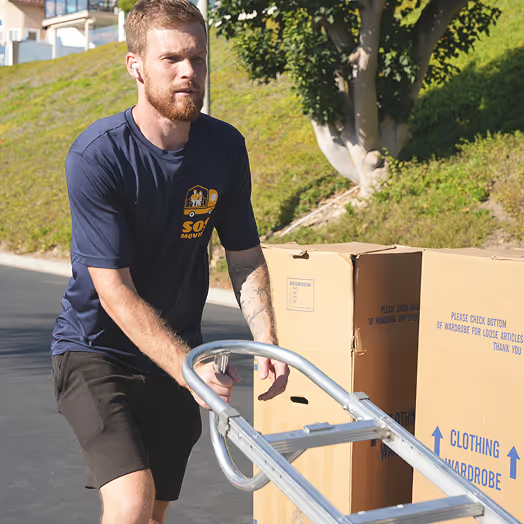
On loading day the crew takes apart beds and tables, wraps furniture in blankets and shrink wrap, and fills the truck so heavy pieces ride low and cartons of dishes ride on top. Each item is checked against the inventory as it goes aboard, and the same list is used again at delivery.
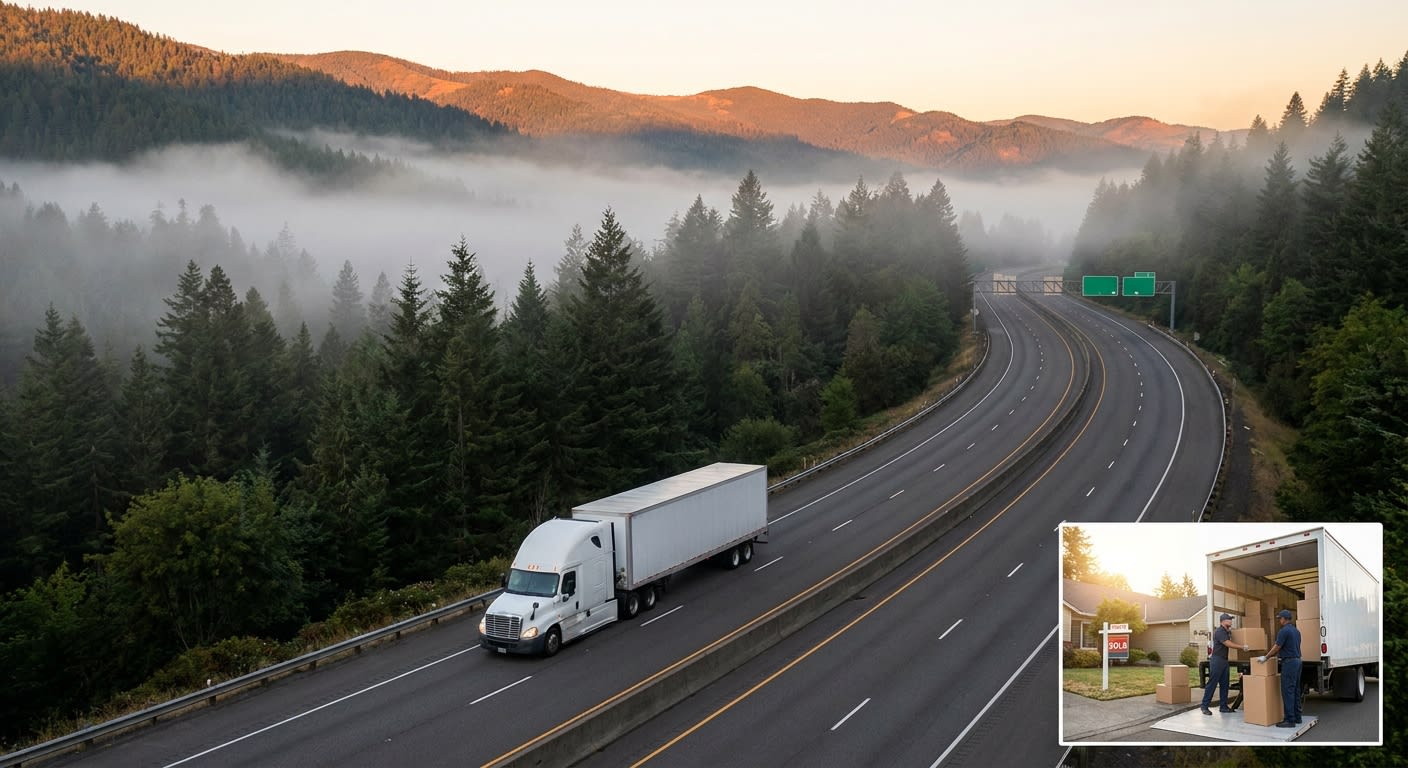
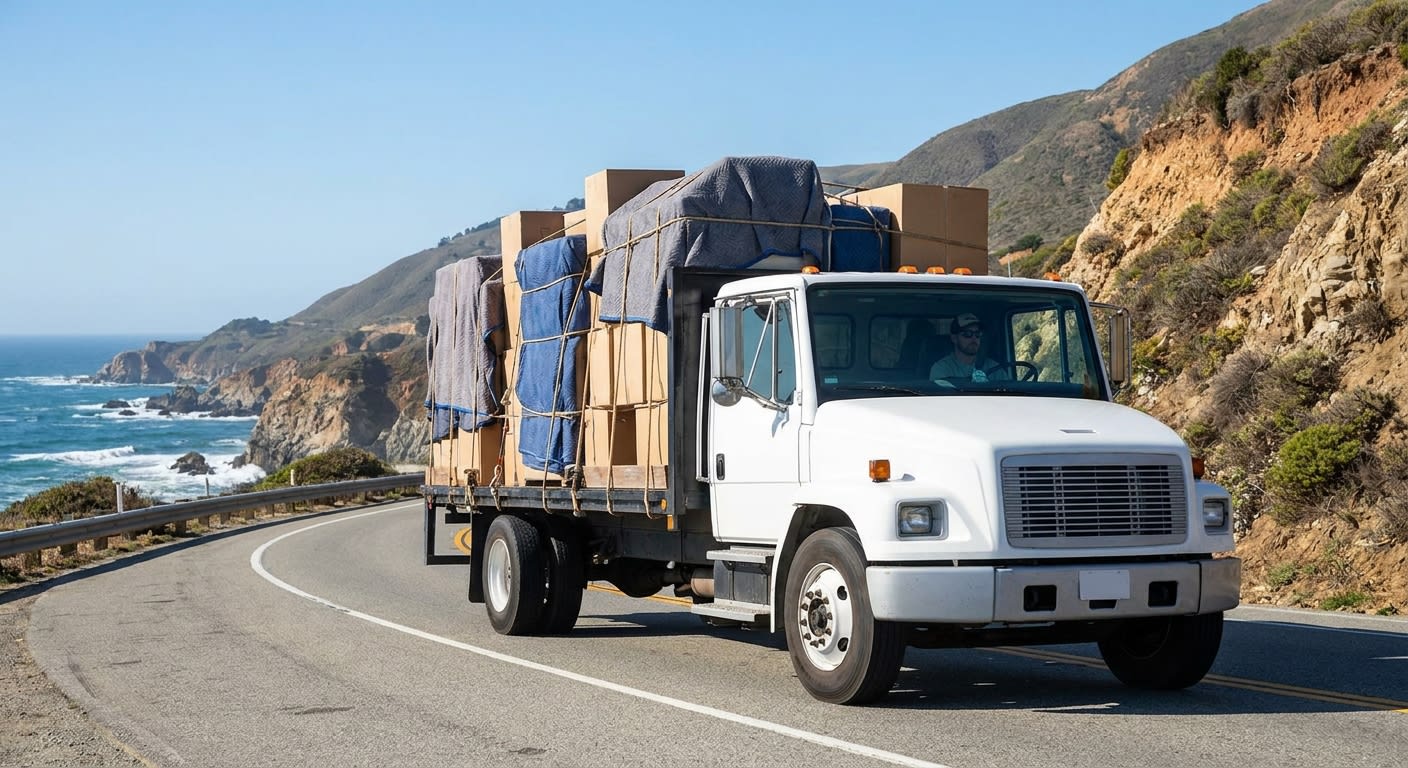
Then the truck leaves the county with nothing else on it. You get progress updates while it is on the road and a phone call before it arrives. At the new address the crew unloads and puts the furniture back together, and you pay the remaining balance only once you have confirmed that everything came through.
How long the road portion takes depends on distance. On routes up to 400 miles the load can arrive the same day; 500–1,500 miles usually means 1–3 days in transit, and 2,000–3,000 miles means 3–7 days. Because no other shipment shares the truck, there is no waiting for a trailer to fill up before it departs.
All of this runs on the standard terms described on the SOS page for moves across state lines. What this page adds is the part that is specific to leaving Orange County.
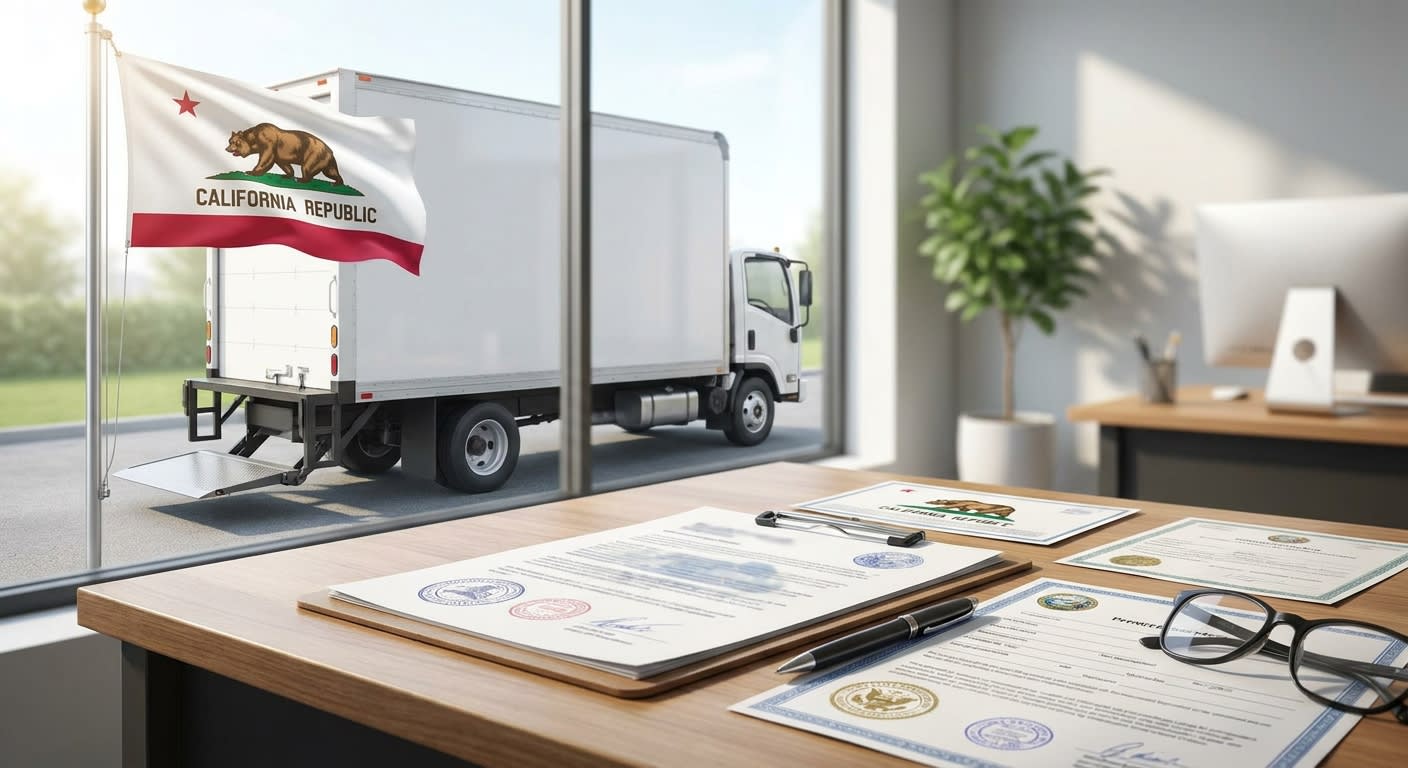
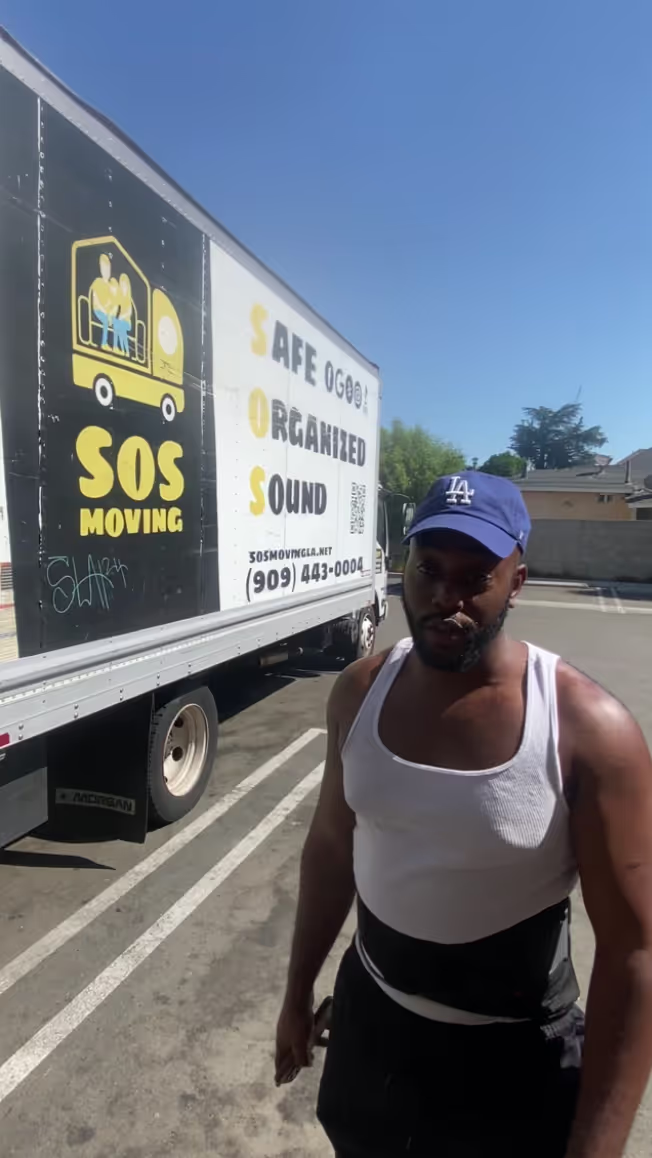
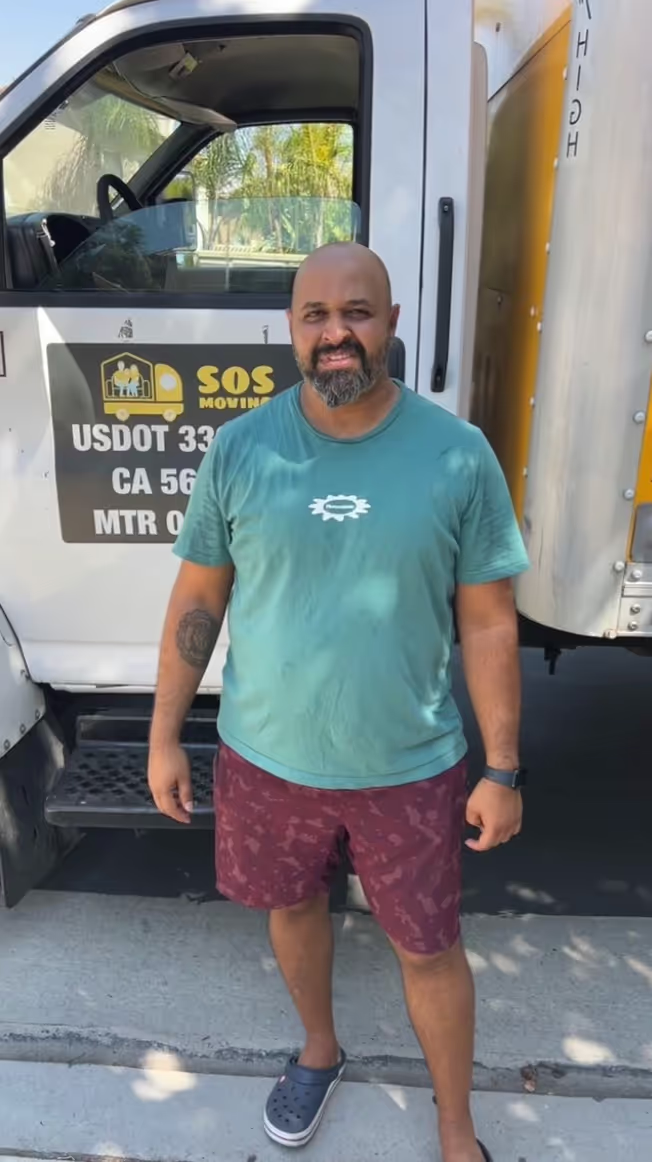
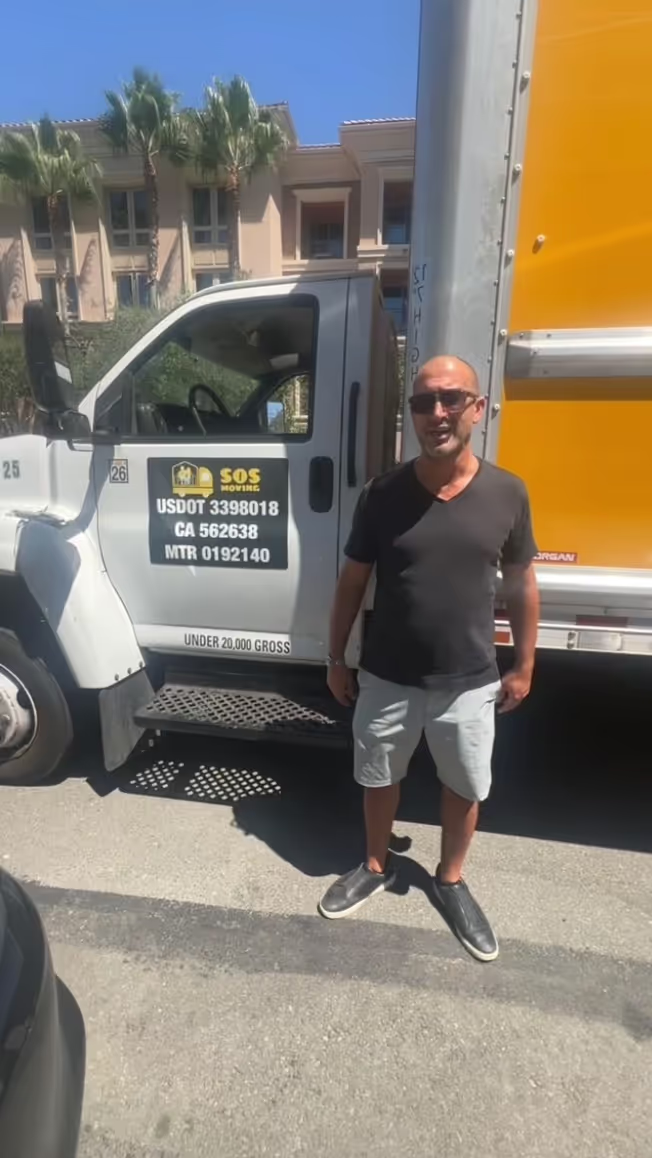
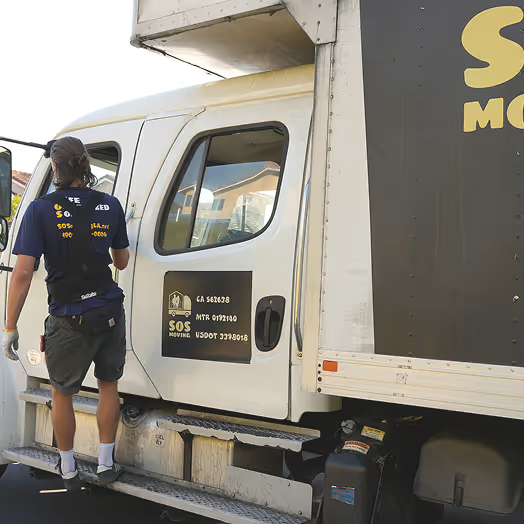
A company that moves household goods between states for paying customers needs two federal identifiers: a USDOT number and operating authority, listed as an MC number. Ours are USDOT 3398018 and MC 1153871, and within California we also operate under CAL-T0192140. As Orange County interstate movers, we expect you to check them, and we would rather you did.
Look up any mover in the federal carrier registry before paying a deposit. The record shows whether the authority is active, and whether the company is registered as a carrier, which hauls your goods itself, or as a broker, which sells the job to someone else. A broker's quote can be accurate, yet the crew that arrives may belong to a company you never vetted.
Federal rules also require basic value protection, and ours is included at $0.60 per pound per item. That formula pays by weight rather than by what something cost, so a light but valuable object is better carried with you than packed in the truck. Documents, jewelry, medication and family photos belong in the same bag.
The California number matters for moves that stay inside the state. A haul from Orange County to the Bay Area never crosses a state line, so the state permit is the one that applies to it.
Quotes are only comparable when they describe the same job. Ask every mover on your shortlist to spell out the following, and hold ours to the same standard:
When a line is missing from a written quote, that gap is where surprises tend to surface on the final invoice. Ask for it to be filled in before you commit, whichever of the long-distance moving companies in Orange County, CA you are leaning toward.
It also helps to ask who will actually be on the truck. With us, the crew that loads in Orange County is the crew that unloads at the destination, so the people who wrapped a piece are the ones who unwrap it.
A flat rate means the number does not change after you agree to it. It does not mean every household pays the same, and it helps to know what the quote is built from:
Not every long haul crosses a state line. A move that stays in California but covers more than 150 miles is priced the same way, and for a northbound route our cost breakdown for Orange County to San Francisco shows how those factors add up on that corridor.
The quickest path to a firm figure is a complete inventory. Rough guesses about the garage, the side yard or the patio set are a typical reason a price has to be revisited before booking, so walk every space once with a notepad.
There is also a choice between two kinds of service. A dedicated truck costs more on a long route but runs on the faster schedule, because it drives straight to you. A shared-load shipment is billed by the space your belongings take and arrives within 7–14 days. If a new job starts on a fixed date, the dedicated truck is usually worth it; if you will be staying with family for a couple of weeks anyway, the shared option saves money.
Associations and building managers mostly want to hear about a move in advance, and the trouble starts when a truck appears unannounced. Three requests come up often, and each is easy to settle a week ahead:
Renters have one extra task: after the last piece is on the truck, walk the empty unit and photograph each room before handing back the keys. It takes a few minutes and settles most deposit questions later.
Two Orange County cases, the street-time limit in Laguna Beach and gate registration in Coto de Caza, are covered in the load-out notes above. If your community has rules we have not dealt with before, send us the move-out page from the association handbook and we will plan around it.
Moving to a closer address instead? Local moves across Orange County are billed by the hour and follow a different planning checklist.
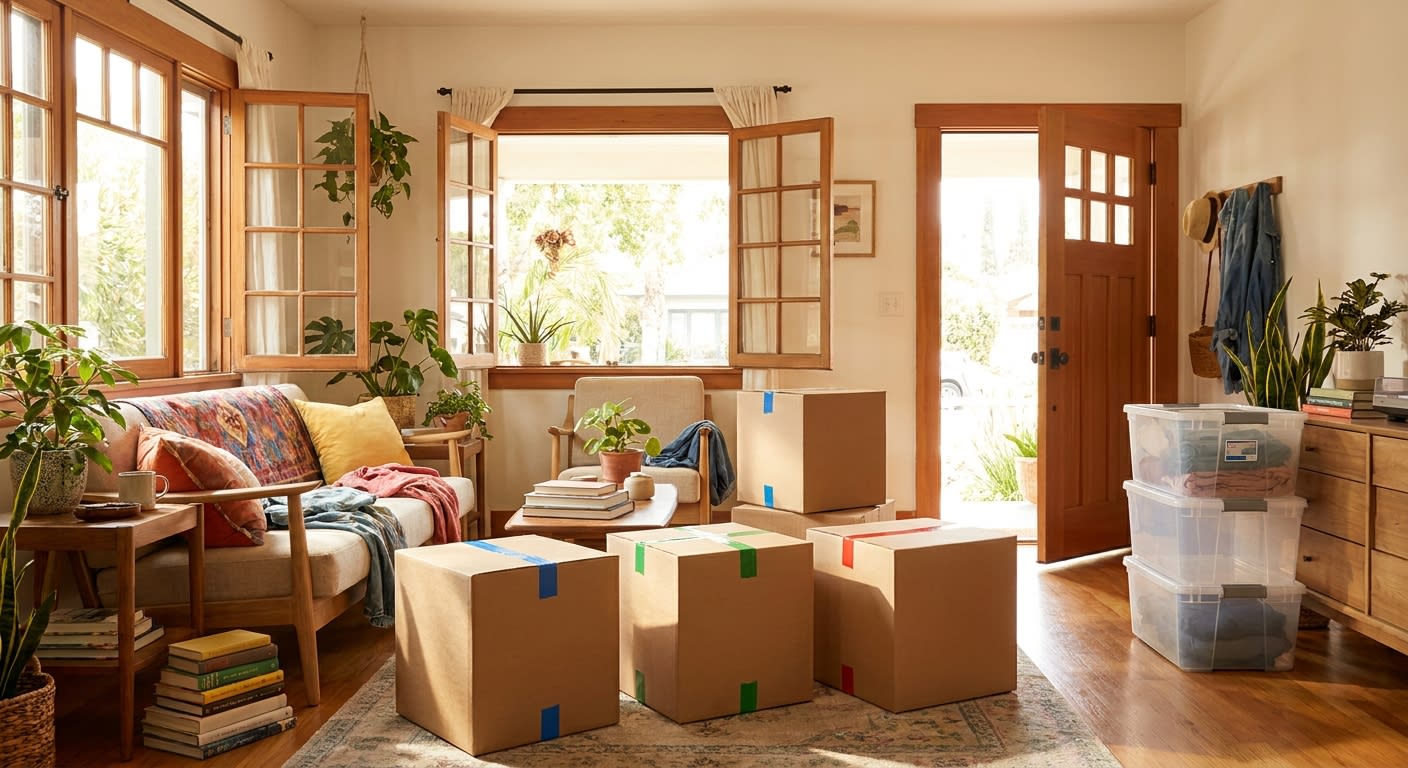
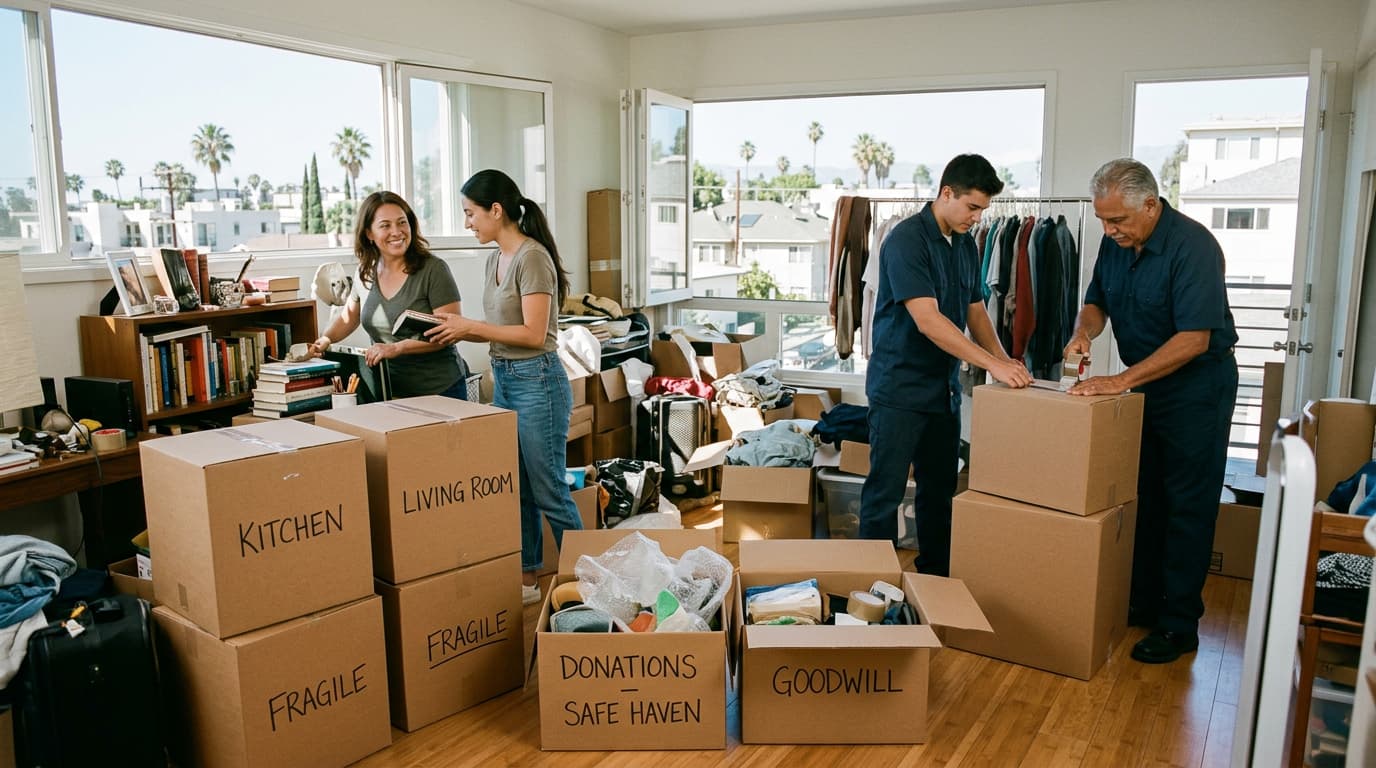
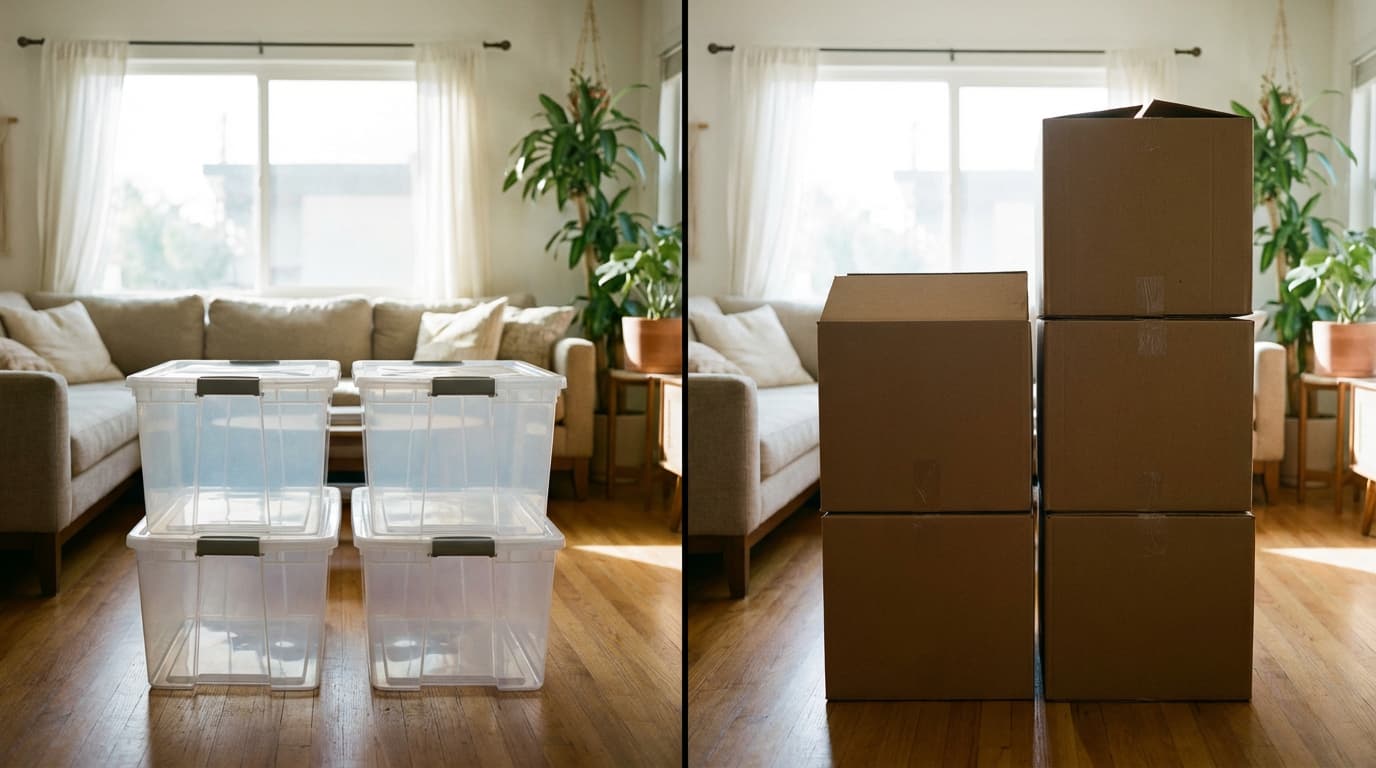
A long haul is harder on cartons than a cross-town move. Boxes stay stacked for days and absorb every bump between Orange County and the destination, so weak cartons and loose packing show up at unloading. Books and other dense items belong in small boxes, empty corners get stuffed with paper so contents cannot slide, and each carton is labeled with its room and a few words about what is inside.
Prefer to hand it off? Book packing help in Orange County ahead of the loading day. That crew works by the hour, boxes start at $4 in small, medium and large sizes and you pay only for the ones used, while tape and stretch wrap come at no charge.
A few things never go in the truck, among them perishables, hazardous materials, firearms and batteries. We send the full list when you book, which leaves time to sort through the garage and the cleaning cupboard before the crew arrives.
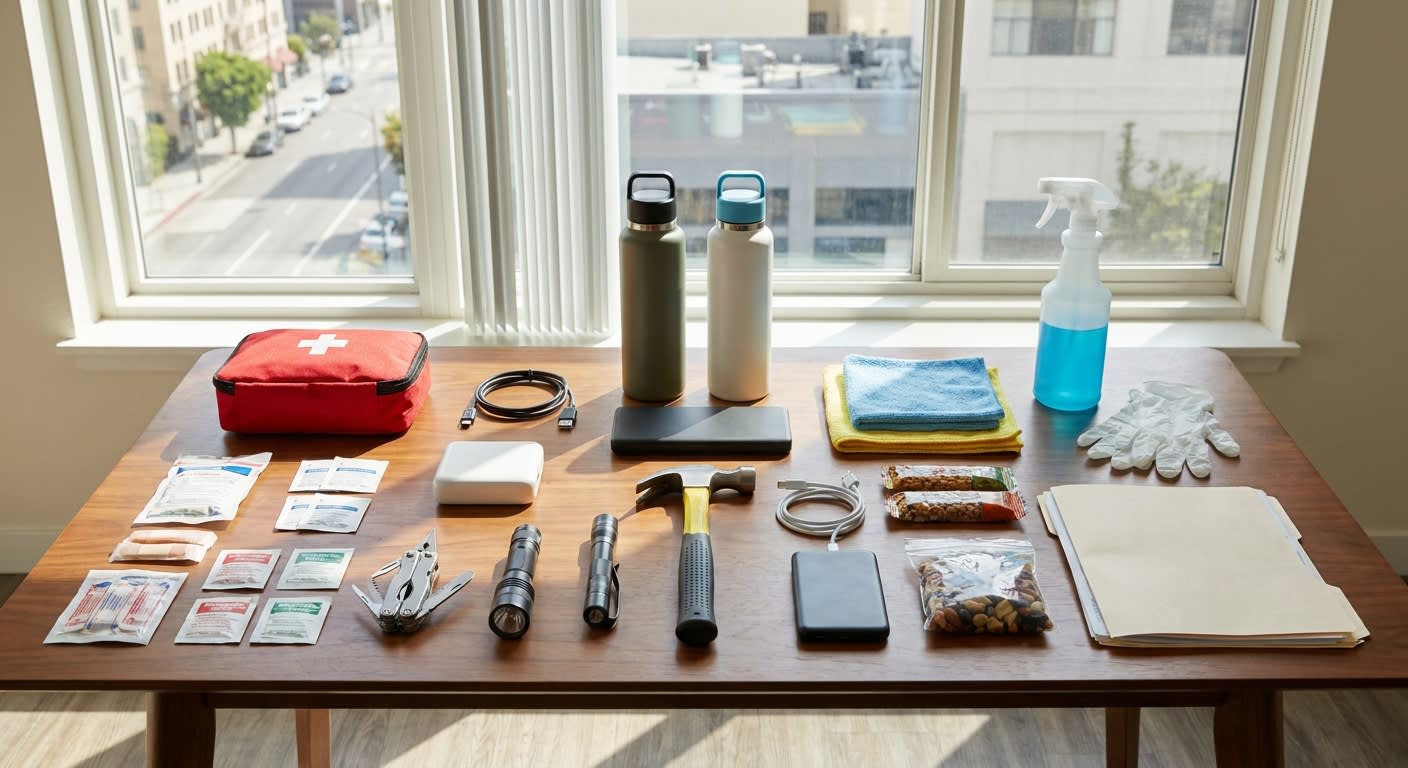
Pack in reverse order of need. Out-of-season clothes, books and decor can go first, weeks ahead if you like, while the kitchen and bathroom go last. Set aside an essentials box with chargers, a change of clothes, medications, basic tools and bedding for the first night, and keep it with you rather than on the truck, since the load may reach the new home a few days after you do.
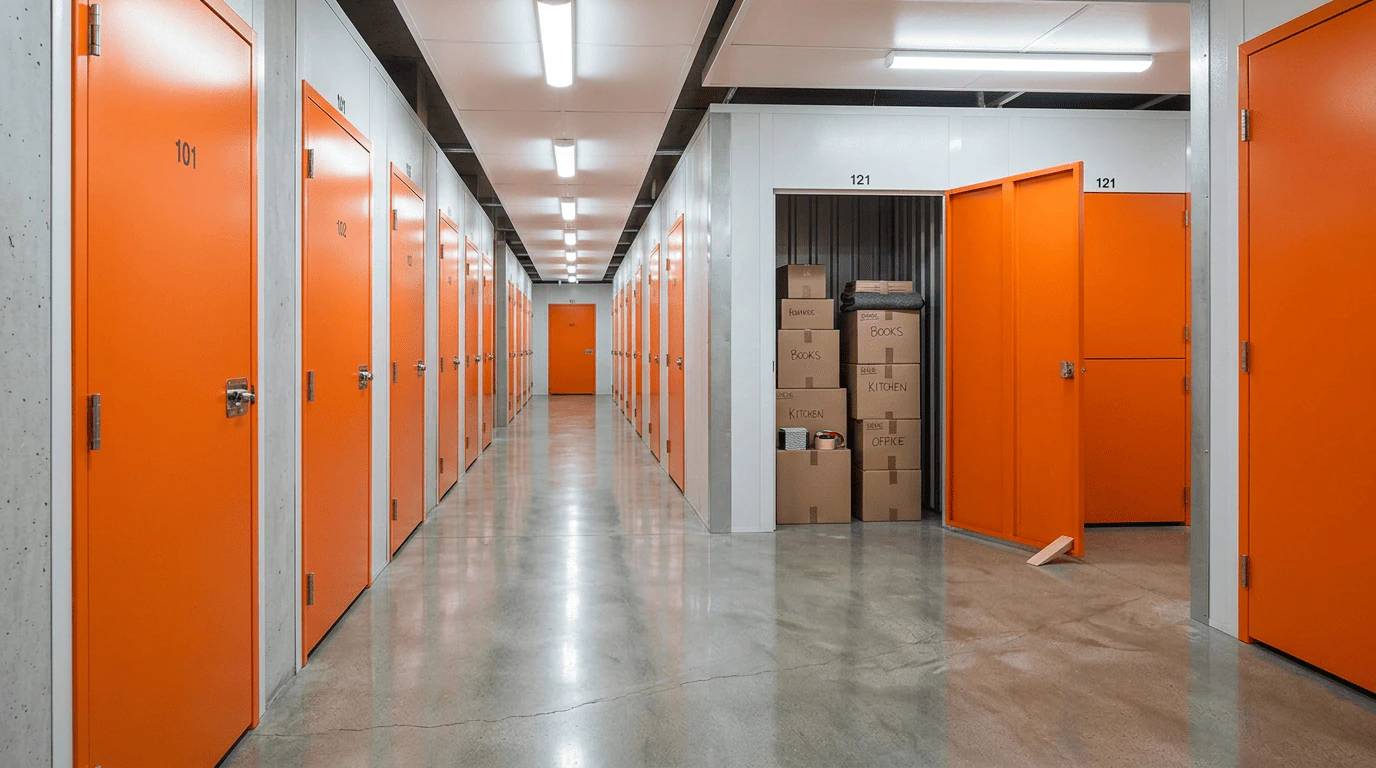
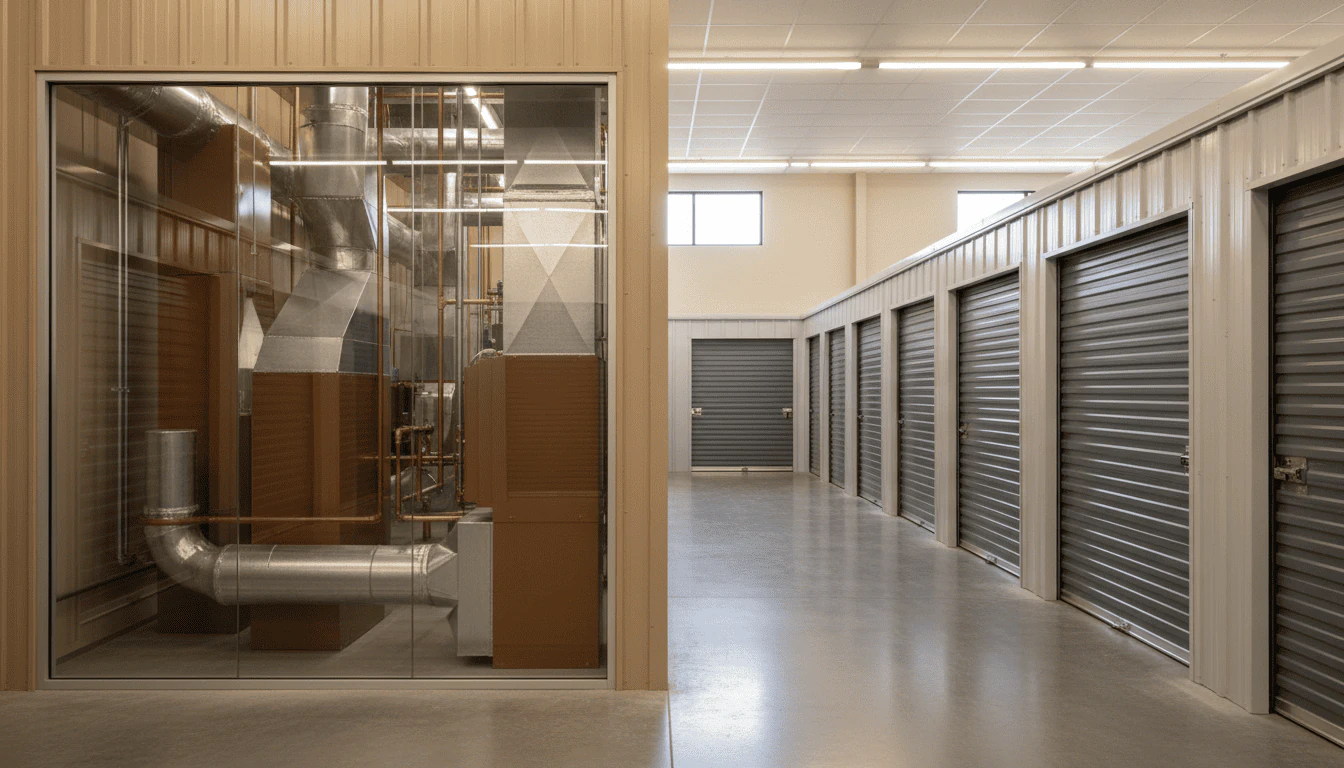
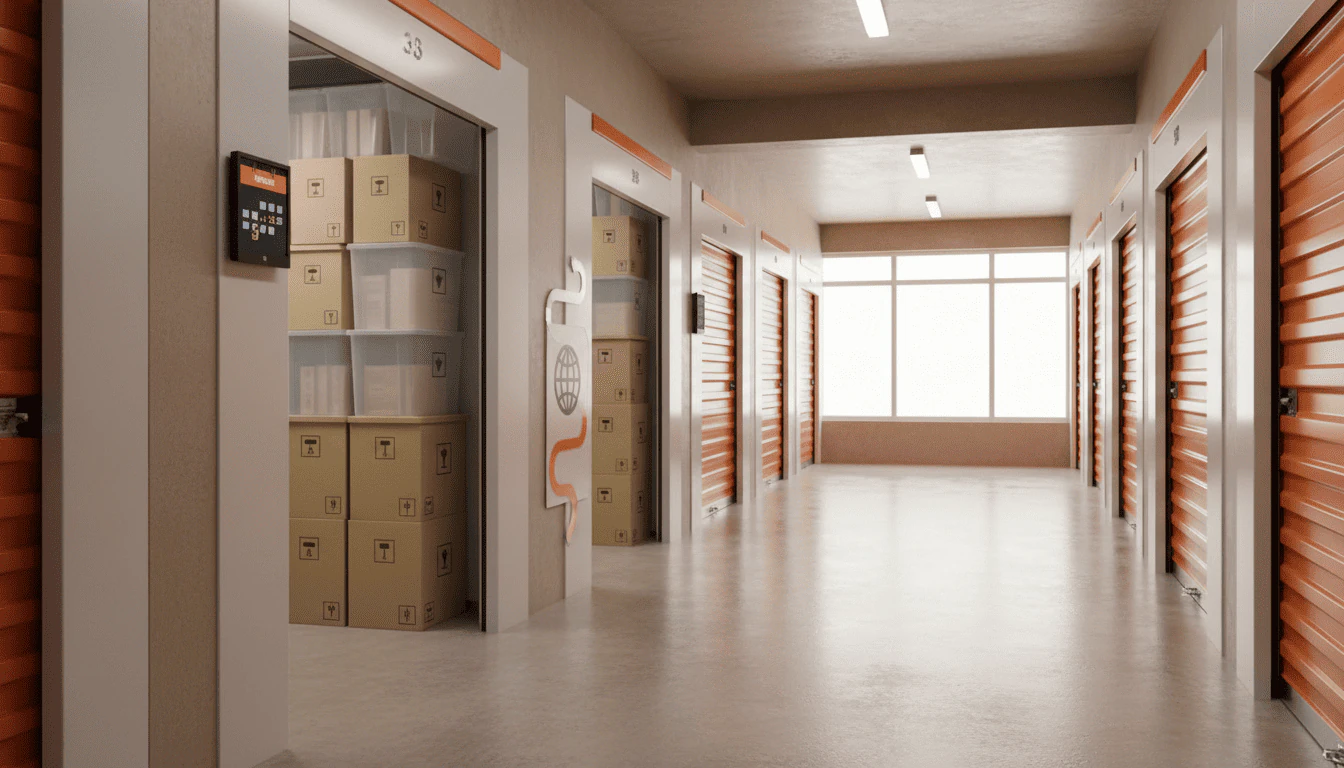
Closings slip, leases start on fixed dates, and a truck can arrive before the keys do. In-transit storage covers that gap: the load goes into a secured facility with climate control, and delivery is scheduled once you can move in. If the wait runs longer than planned, extending the term carries no penalty.
Plan the dates in two steps. First fix the loading day here, because that is when you must be out; then give us your best estimate of the move-in date at the other end. Delivery from storage is booked once that date is certain, so the truck comes on a day you can actually receive it.
Sometimes the gap is on this end instead, when you must leave your current home before the next one is chosen. In that case moving and storage in Orange County is the better fit: the crew picks everything up, stores it, and brings it back out once you have a destination.
We load Monday through Sunday, between 8AM and 6PM, so a Saturday or Sunday departure is as easy to book as a weekday. For a route inland on SR-91, a morning start keeps the truck clear of the weekday eastbound afternoon peak; for a load-out from a gated community, confirm the registration the evening before.
Booking early gives the widest choice of dates, especially near the end of a month when many leases turn over. When you call, have the inventory, both addresses and a preferred loading day ready; with those three pieces, a long-distance moving company in Orange County can give you a firm number instead of a rough range.
At the other end, the delivery call is your cue to get the new place ready. Clear a path from the curb, decide which room each large piece goes to, and keep the inventory at hand, because the crew checks items off the same list used in Orange County. Once the furniture is reassembled and you are satisfied, you sign off and the job is closed.